15 Pink Bedroom Ideas That Go Far Beyond Millennial Pink
Pink has had a complicated relationship with interior design for the past decade. Overused, then abandoned, then reconsidered. In 2026 pink in the bedroom has arrived at a genuinely sophisticated place.
The pink bedrooms worth having in 2026 are not pale blush walls with rose gold accessories. They are deeply considered, material-rich environments that happen to be built around the warmest, most complex color in the spectrum.
These 15 ideas cover every direction pink bedroom design can go at its best.
1. Deep Dusty Rose Walls With Dark Accents
Pale pink is timid. Deep dusty rose is confident.
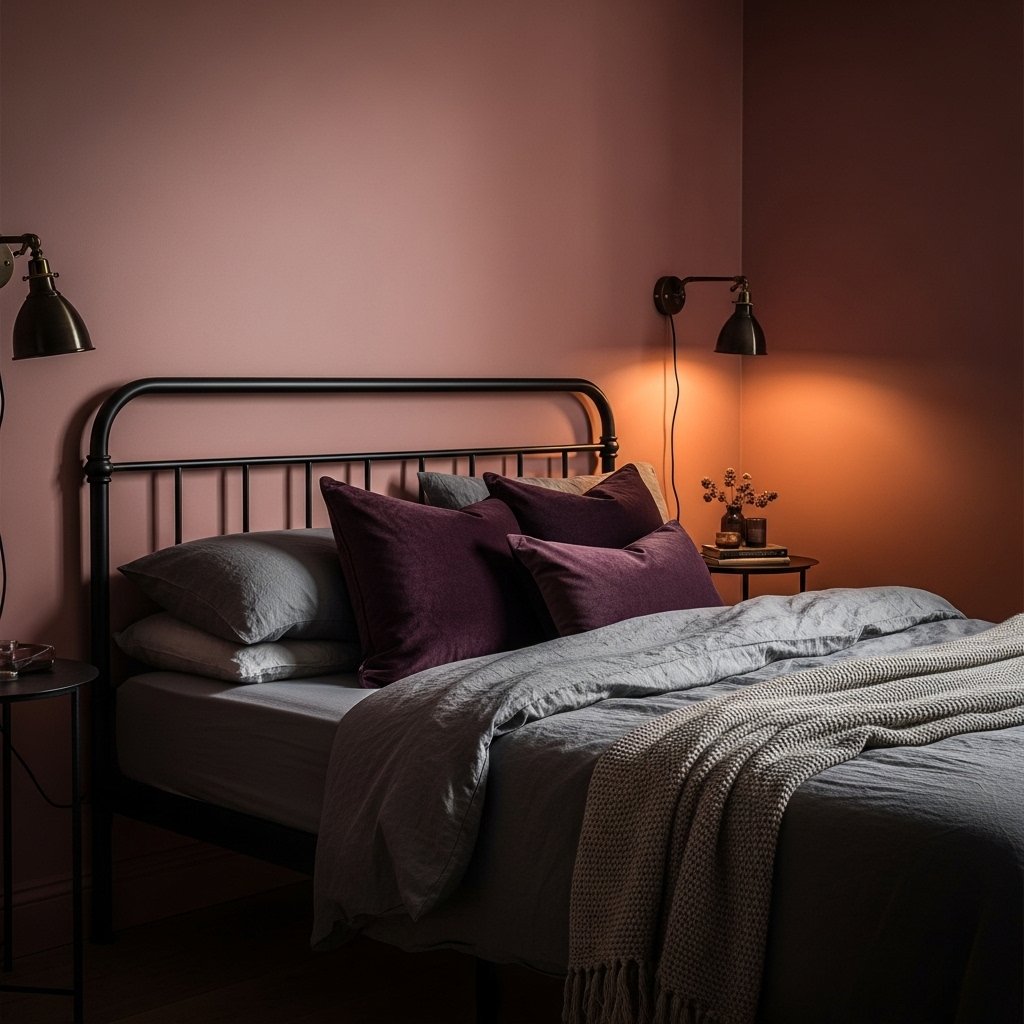
A dusty rose wall color with genuine depth and a slight grey undertone creates a bedroom atmosphere that is warm, enveloping, and completely sophisticated. It reads as a neutral in certain lights and as a saturated color in others. This ambiguity is the source of its power.
Dark accents, charcoal bed linen, black metal fixtures, deep plum cushions, and aged bronze hardware, bring out the richness in dusty rose that pale accessories would suppress. The contrast between the warm mid-tone wall and the dark accents creates depth that an all-light room lacks entirely.
Dusty rose walls with dark accents is the pink bedroom for someone who would never have described themselves as wanting a pink bedroom.
2. Blush Pink Linen and White Architecture
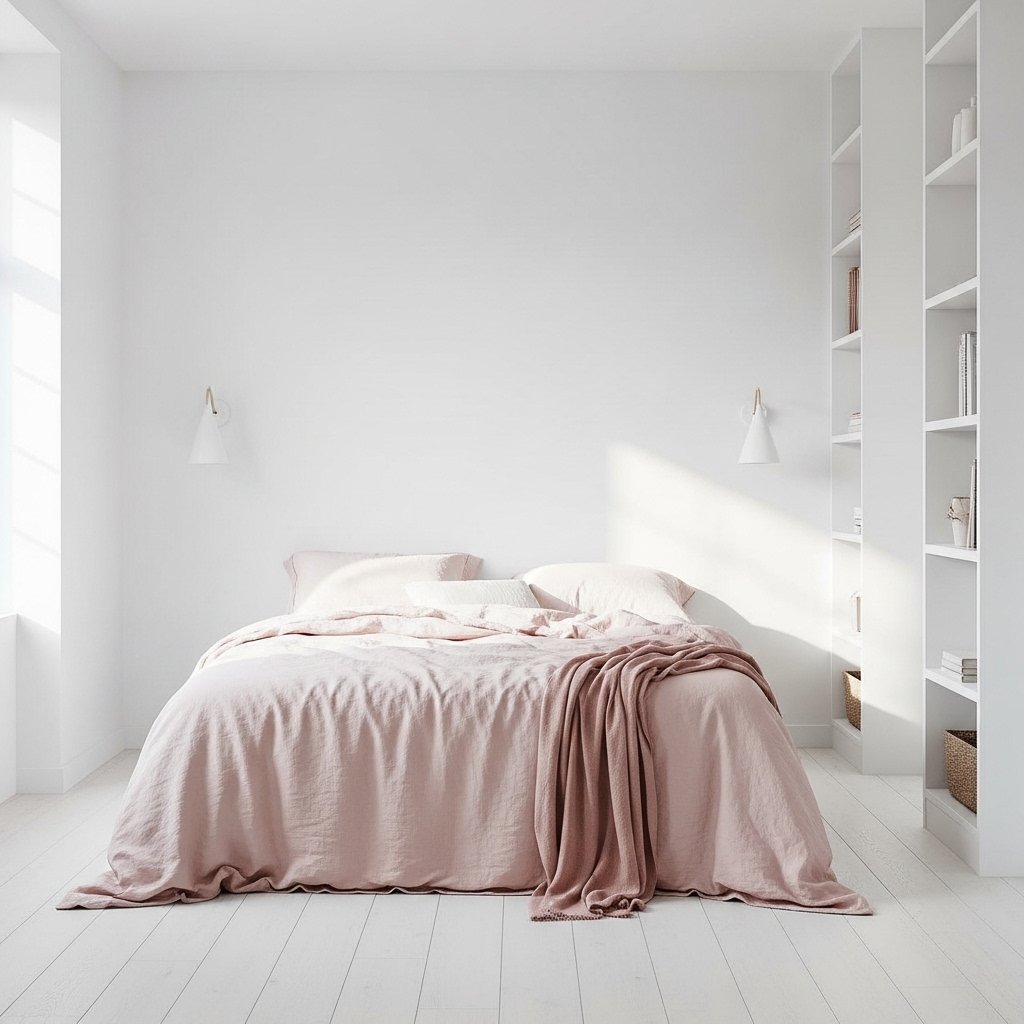
At the opposite end of the pink spectrum from deep dusty rose sits the lightest possible interpretation: a room that is almost entirely white with blush pink as its single warm inflection.
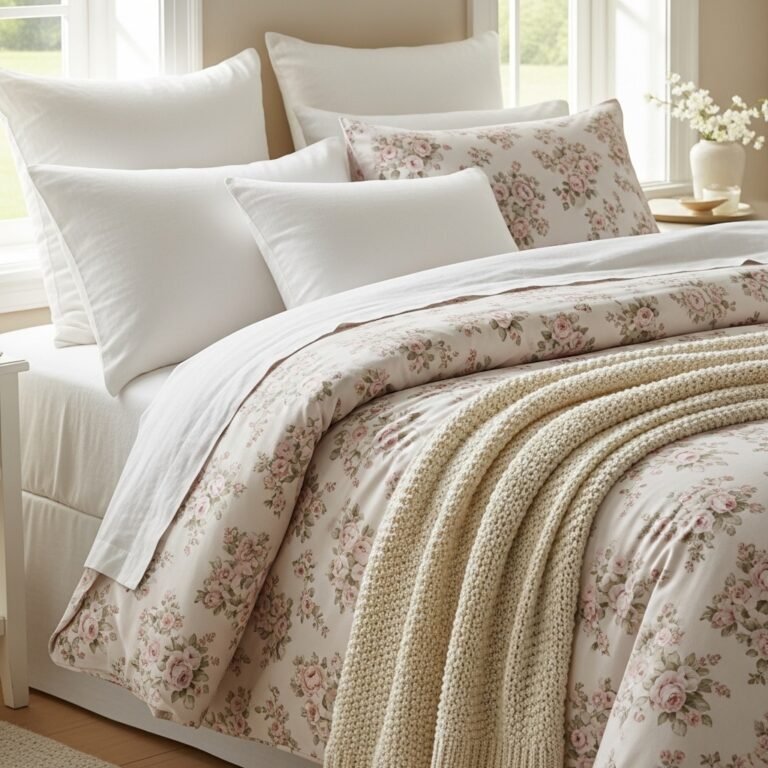
White walls, white ceiling, white timber floor, white built-in shelving. Against this architectural backdrop, blush pink linen bedding in natural, undyed tones sits as the room’s only color. A single blush throw. A blush cushion in a texture different from the bedding.
The discipline of this approach is its strength. One color inflection against a completely neutral architecture reads as more intentional than a room with five colors trying to work together.
This is the pink bedroom for someone who values space, light, and calm above all other qualities. The pink is a whisper rather than a statement and the room is more beautiful for the restraint.
3. Hot Pink as a Maximalist Accent Wall
Hot pink used with commitment and intelligence is one of the most energizing single design decisions available in bedroom design.
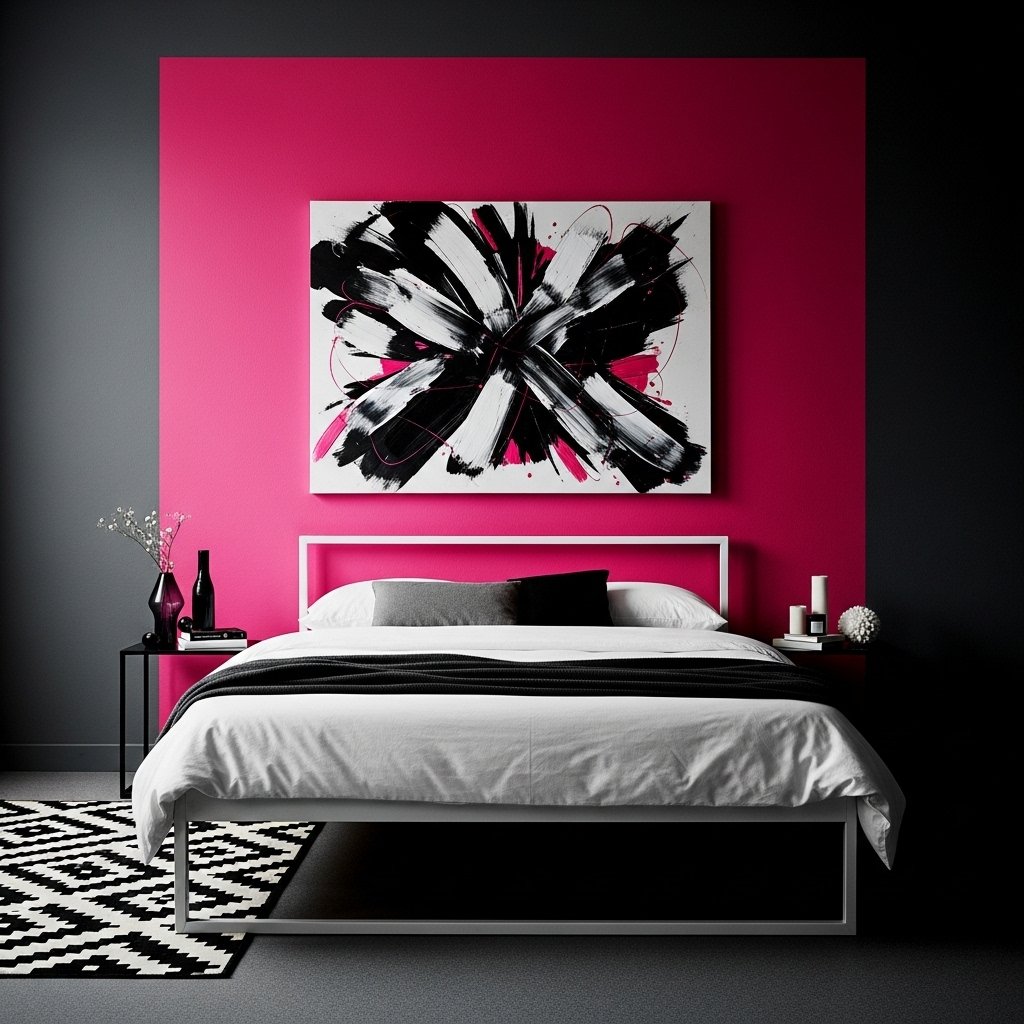
One wall in saturated hot pink or fuchsia behind the bed, with every other wall in a deep neutral, black, charcoal, or forest green, creates a bedroom that is simultaneously bold and controlled. The hot pink wall does not overwhelm the room because the surrounding walls contain it. It becomes a frame for the bed rather than a room-consuming color choice.
This works specifically because hot pink is not trying to be anything other than exactly what it is. There is no apologizing. No hedging with pale tones or limiting it to accessories. One full wall in the most confident version of the color.
Art mounted on the hot pink wall should be minimal. The wall is the art.
4. Pink and Chocolate Brown: The 2026 Color Partnership
No color pairing has defined luxury bedroom design in 2026 more completely than the combination of pink in any tone with deep chocolate brown.
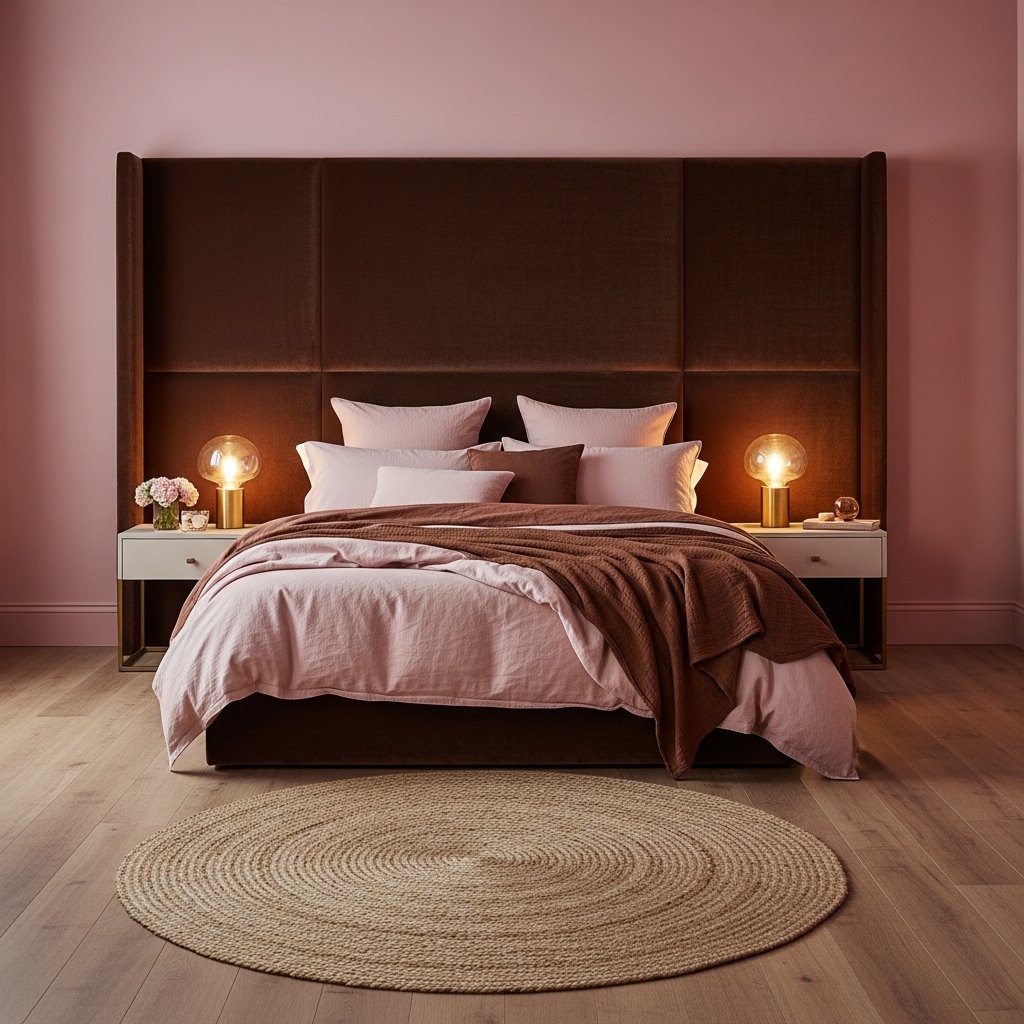
The chemistry between these two colors is extraordinary. Pink warms the dark depth of chocolate brown. Chocolate brown grounds and sophisticates pink’s sweetness. Together they produce a palette that reads as glamorous, warm, and completely current without referencing any specific prior trend.
A chocolate brown upholstered headboard against a dusty pink wall. Chocolate brown velvet cushions on blush pink bedding. A warm cocoa throw on a bed dressed in rose-toned linen.
The practical beauty of this pairing is that both colors work with the same supporting materials: warm brass hardware, natural timber floors, jute rugs, and cream accessories all belong equally to both sides of this partnership.
5. Pink Velvet as the Primary Material
Pink in velvet behaves differently from pink in any other fabric. The way velvet absorbs and reflects light gives the color a depth and a luxury quality that flat fabrics cannot replicate.
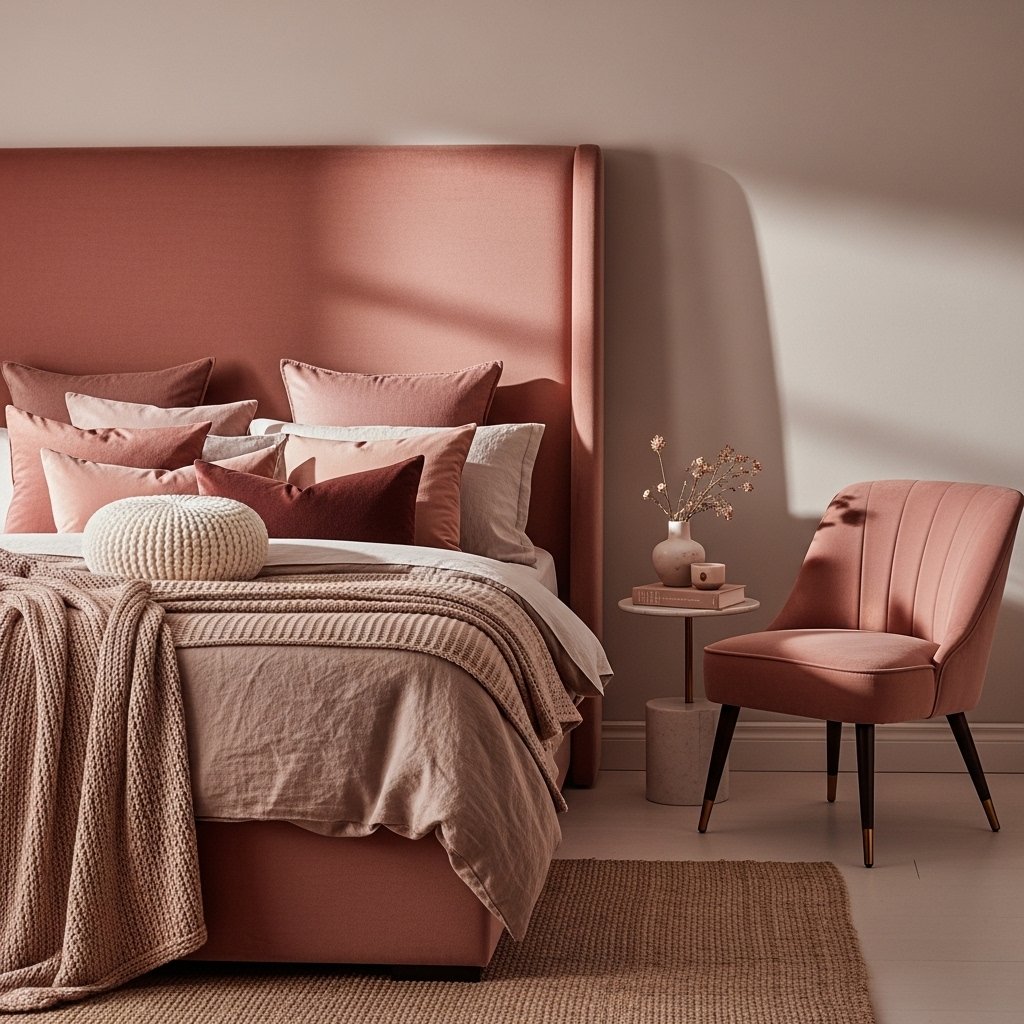
A pink velvet headboard in dusty mauve. A deep rose velvet accent chair. Blush pink velvet cushions with dense, tight pile that shows hand impression when touched. Each application of pink velvet adds a layer of richness to a bedroom that reads immediately as premium.
The key is using velvet at the correct scale. A full velvet sofa in a living room requires a room confident enough to handle it. A pink velvet headboard in a bedroom is the correct scale for the application and the context.
Style the pink velvet pieces with contrasting textures: rough linen against smooth velvet, a bouclé cushion against a velvet one. The texture contrast makes the velvet’s quality more apparent rather than less.
6. Japandi Pink: Restraint in a Warm Palette
Japandi design applied to a pink bedroom produces one of the most unexpected and most beautiful aesthetic combinations available in 2026.
The Japandi philosophy of restraint, natural materials, and functional simplicity does not typically conjure pink. But the warmth of pale blush and soft terracotta-pink tones sits naturally within the warm neutrals that Japandi embraces.
A light oak bed frame with clean geometric lines. Bedding in the palest rose, almost indistinguishable from natural linen at first glance. A single ceramic vase on a timber bedside table. Shoji-style window treatment in a warm white that filters rather than blocks light. Nothing unnecessary in the room.
The pink is felt as warmth rather than seen as color. This is the most sophisticated interpretation of pink in bedroom design currently available.
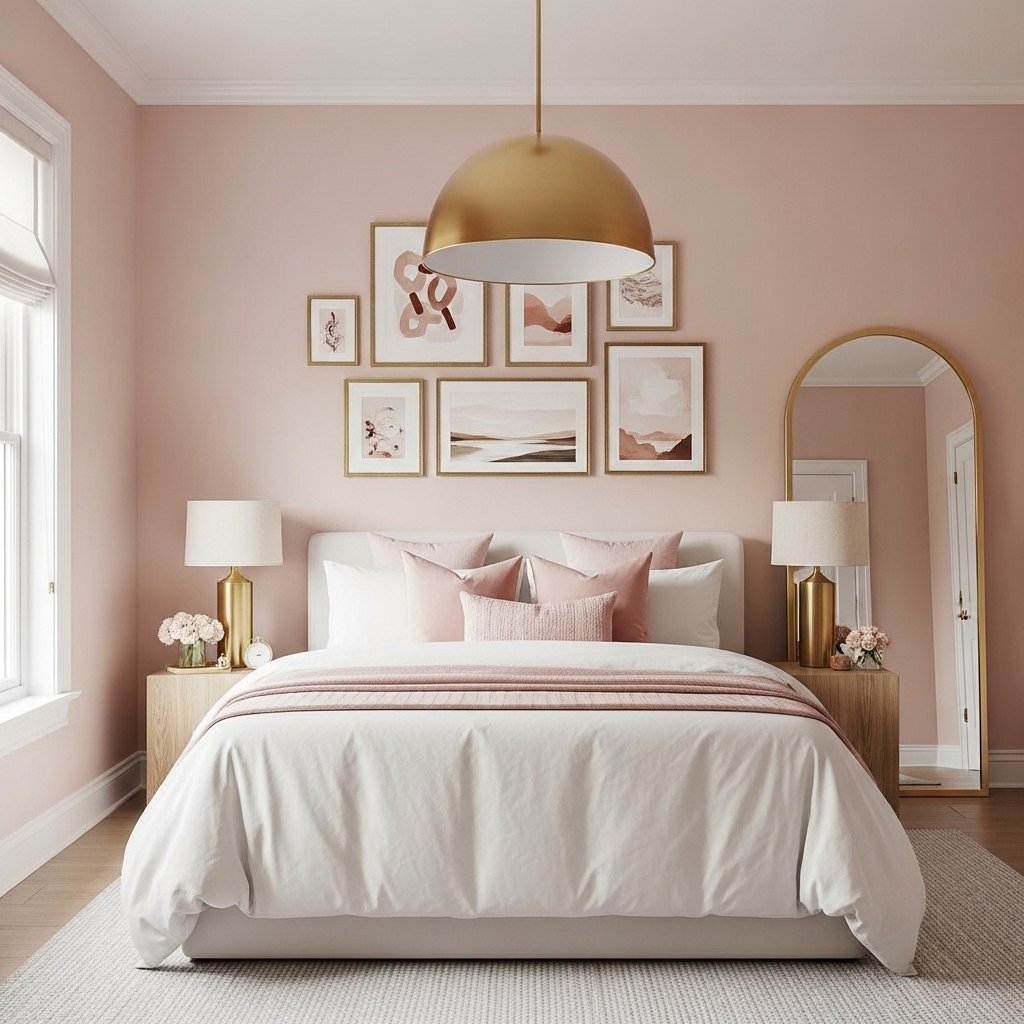
7. Pink and Gold: The Classic Reimagined
Pink and gold is not a new pairing. It is one of the oldest color and material combinations in interior design. In 2026 it has been reimagined away from the ornate and excessive toward something cleaner and more architecturally grounded.
The 2026 version uses brushed or matte gold rather than polished or lacquered gold. The difference between these finishes is significant. Polished gold reads as decorative. Matte or brushed gold reads as material. The same combination communicates entirely different things depending on the finish of the metallic element.
A blush pink room with brushed gold picture frames, a matte gold mirror frame, brushed gold bedside lamp bases, and a warm brass pendant above communicates a kind of quiet luxury that the polished gold version never achieved because it was always trying too hard.
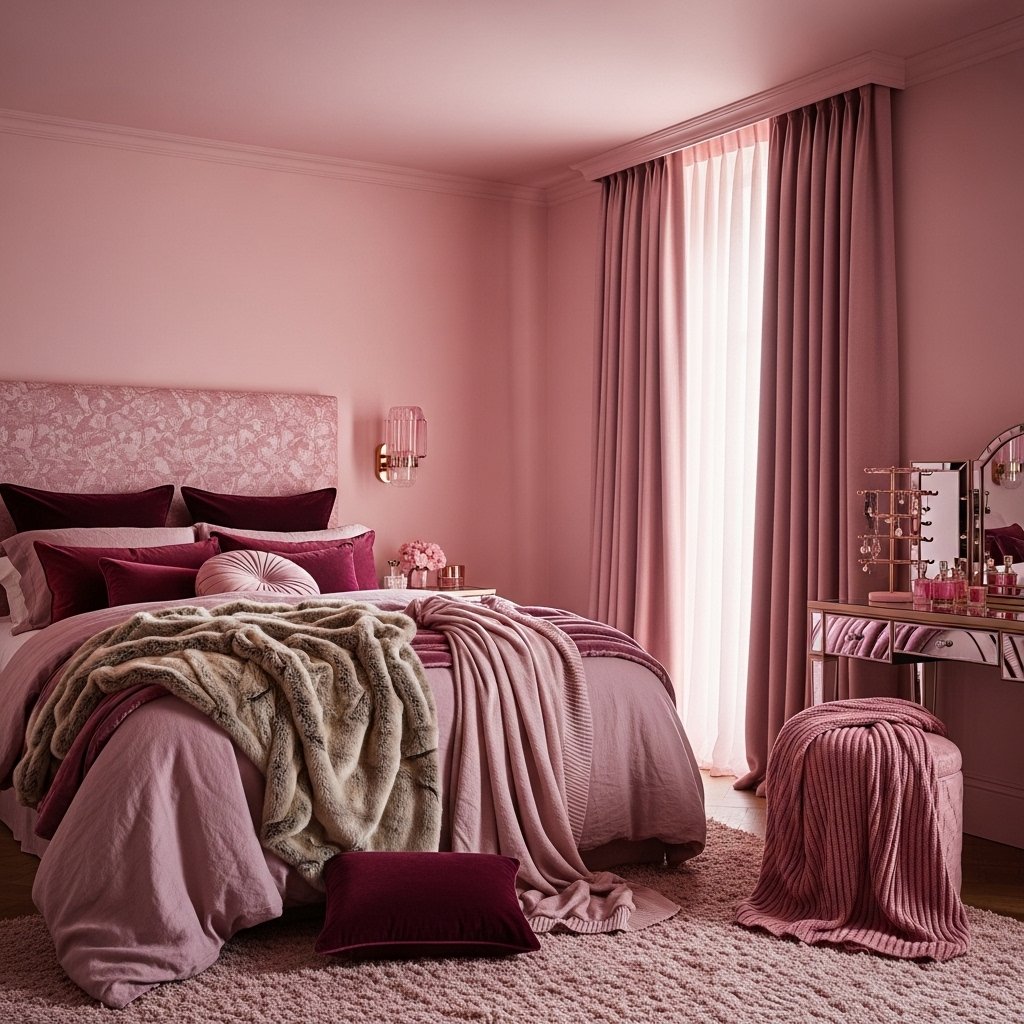
8. The All-Pink Maximalist Bedroom
There is a version of the all-pink bedroom that fails because it uses the same flat pink across every surface without variation. And there is a version that succeeds because it uses every tone and texture of pink simultaneously.
The successful all-pink room ranges from almost-white blush on the ceiling through warm rose on the walls through dusty mauve in the bedding through deep burgundy-pink in velvet accessories. The entire room is pink but no two surfaces are the same pink and no two surfaces share the same texture.
This is a room that requires confidence and complete commitment. A single non-pink element introduced as a “grounding” neutral will appear as a failure of nerve rather than a design choice.
When it works, the all-pink room is one of the most immersive and singular bedroom environments in contemporary design.
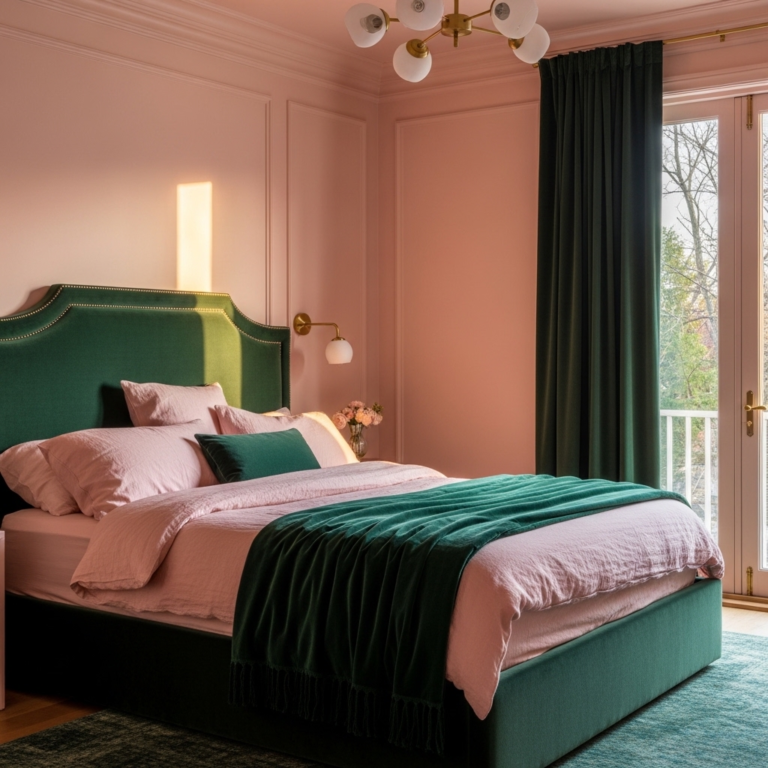
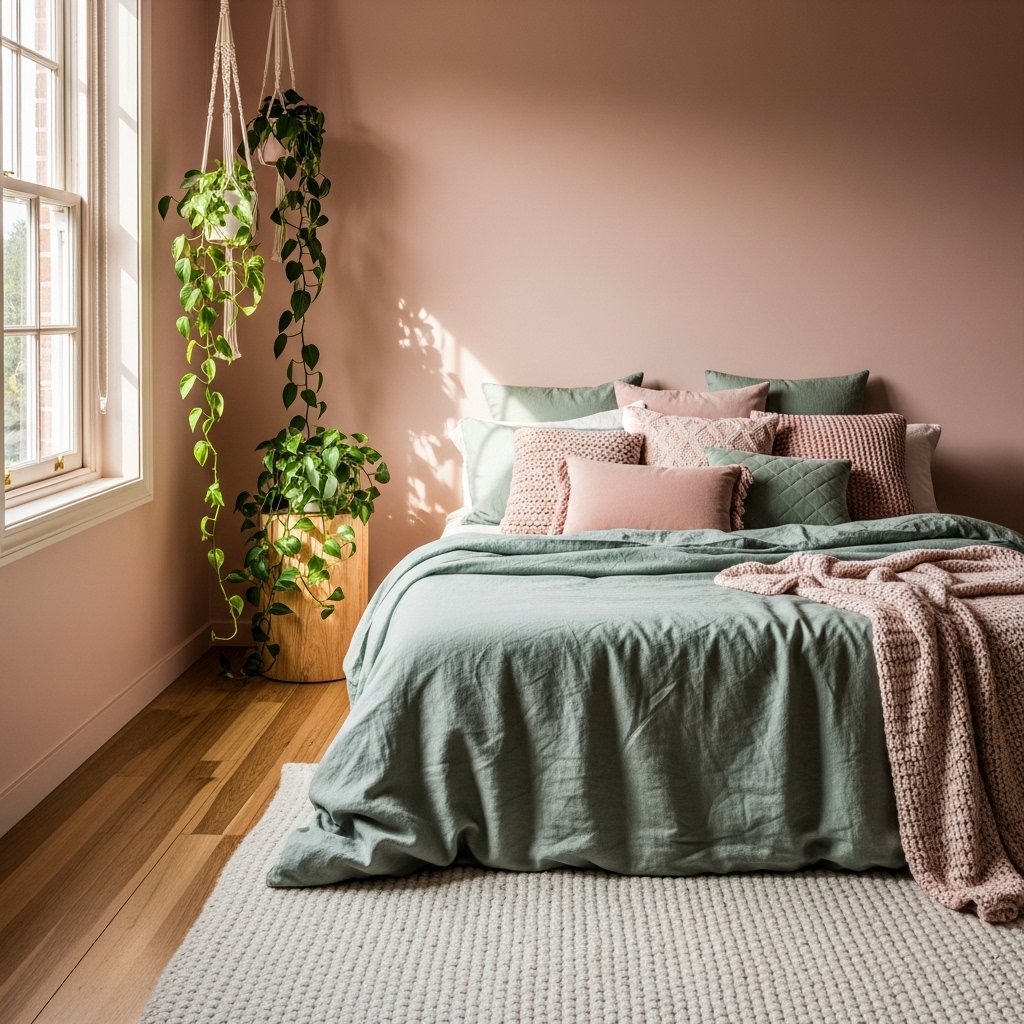
9. Pink With Sage Green: Nature’s Own Palette
Pink and sage green is a color partnership borrowed directly from nature. The color of apple blossom petals against apple leaves. Rose petals against stems and foliage. The combination reads as organic and inevitable because it is exactly that.
In bedroom application this means dusty rose or blush pink walls with sage green textiles, or sage green walls with pink textile accents. The two colors swap dominant and supporting roles depending on the effect desired.
Pink dominant with sage accents: warmer, more romantic, more overtly feminine. Sage dominant with pink accents: calmer, more botanical, more gently sophisticated.
Both directions share a palette that has no sharp edges. Every tone in both colors is softened and complex. The room built from this combination is one of the most naturally harmonious in contemporary bedroom design.
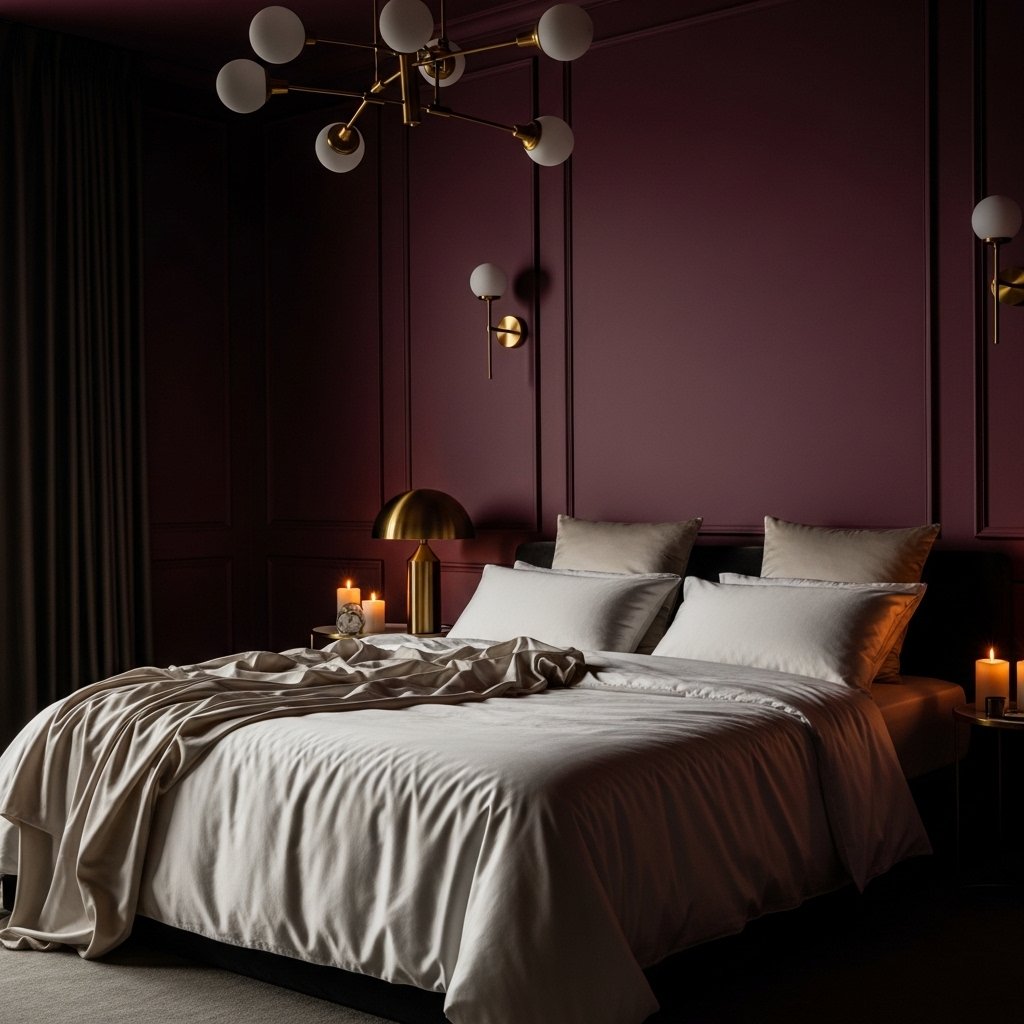
10. Dark Berry Pink: The Unexpected Luxury
Berry pink, a pink so deep and saturated that it moves toward magenta and then toward plum, is the most unexpectedly luxurious direction pink can take in a bedroom.
Deep berry pink walls create an enveloping, almost theatrical bedroom atmosphere. The color is too warm to be purple, too complex to be simply red, and too dark to be pink in any conventional sense. It exists at an intersection of several colors simultaneously and this complexity is the source of its sophistication.
Against deep berry pink walls, white, cream, and ivory accessories appear almost luminous. Natural timber looks richer. Gold fixtures glow more warmly. The dark, saturated wall color makes everything placed against it perform better than it would against a lighter surface.
11. Pink Terrazzo and Tactile Surfaces
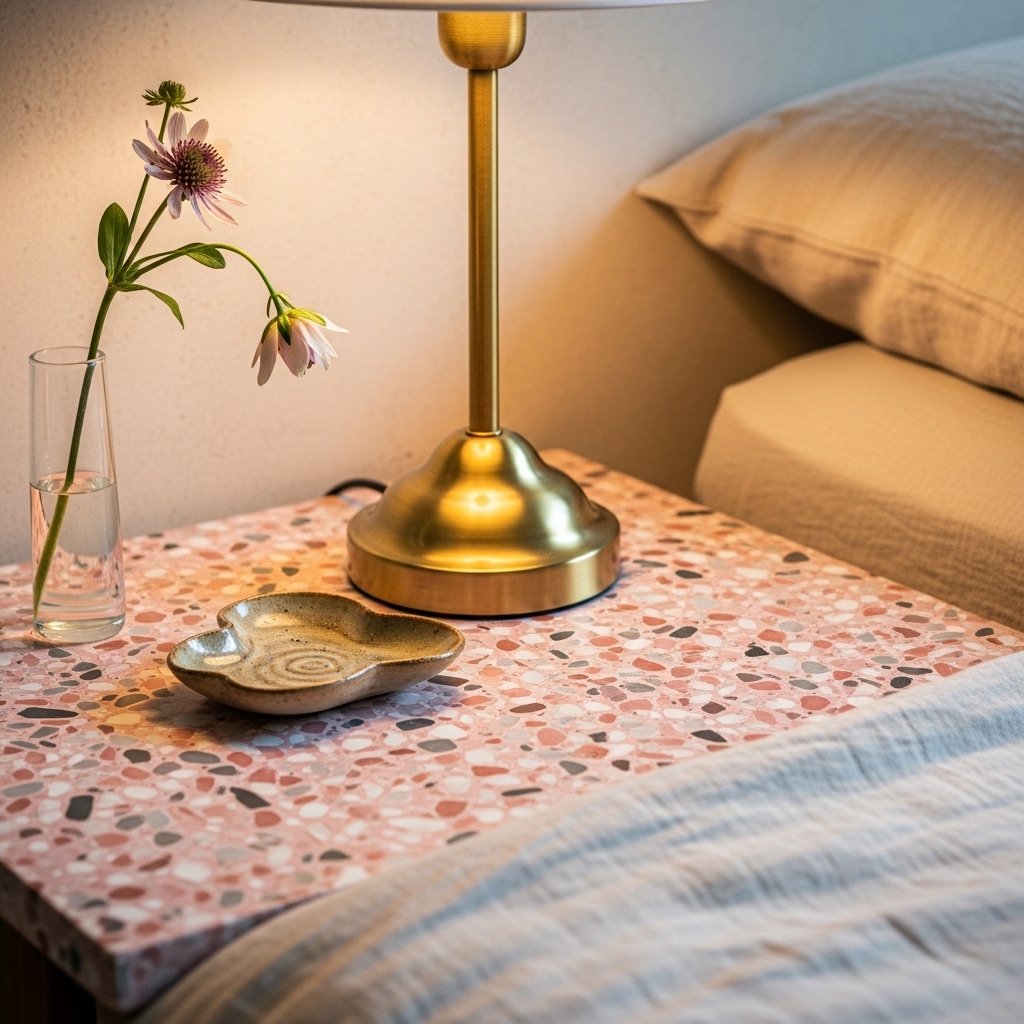
Terrazzo in pink tones has arrived as a surface material for bedroom applications in 2026, extending beyond its bathroom and kitchen origins into headboards, bedside table tops, decorative objects, and feature wall tiles.
A pink terrazzo bedside table with chips of rose, salmon, and white in a light grey matrix brings material richness to the bedroom in a way that painted timber surfaces do not. Each piece is unique. The surface is genuinely interesting at close range.
The terrazzo surface pairs with plaster walls, linen textiles, and warm timber floors as the hard surface representative of the room’s material palette. It is the stone moment in an otherwise soft and textile-driven environment.
12. Pink Neon Lighting as a Bedroom Feature
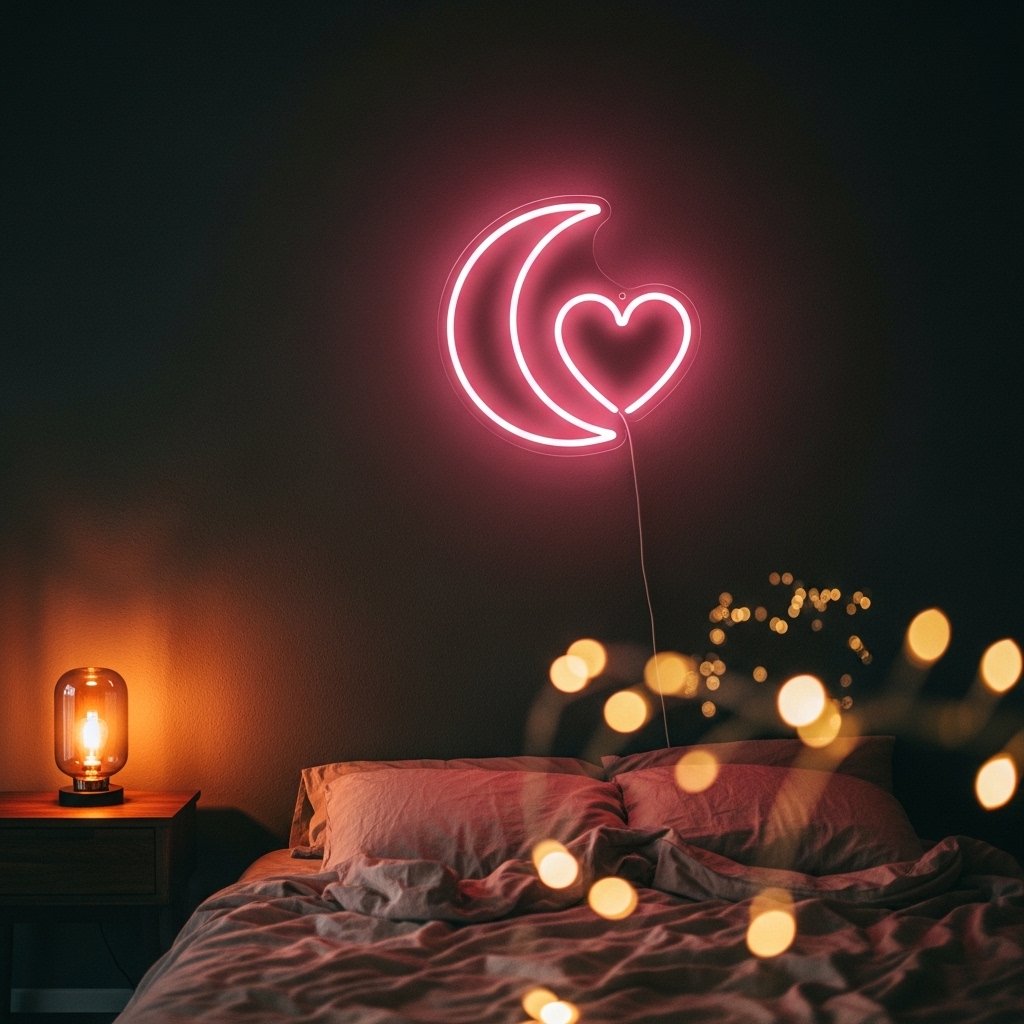
Pink neon or LED lighting in a bedroom is no longer a novelty. In 2026 it is a considered design choice when used with restraint and intention.
A single warm pink neon sign, a single word, a symbol, or an abstract shape mounted on a dark wall becomes both a light source and a piece of art. The pink glow that emanates from a warm neon against a dark wall surface creates an atmospheric quality that no other light source at a comparable price point replicates.
Used as one element within a broader lighting strategy, a pink neon sign supplements warm lamp light and string light ambience without replacing either. It adds a singular, specific quality of light that makes the bedroom feel like a designed environment at night.
The sign itself should be simple. Elaborate or script-heavy neon signs age poorly. A simple form executed with a quality tube and a warm pink temperature is the correct specification.
13. Pink Canopy Bed With Romantic Drama
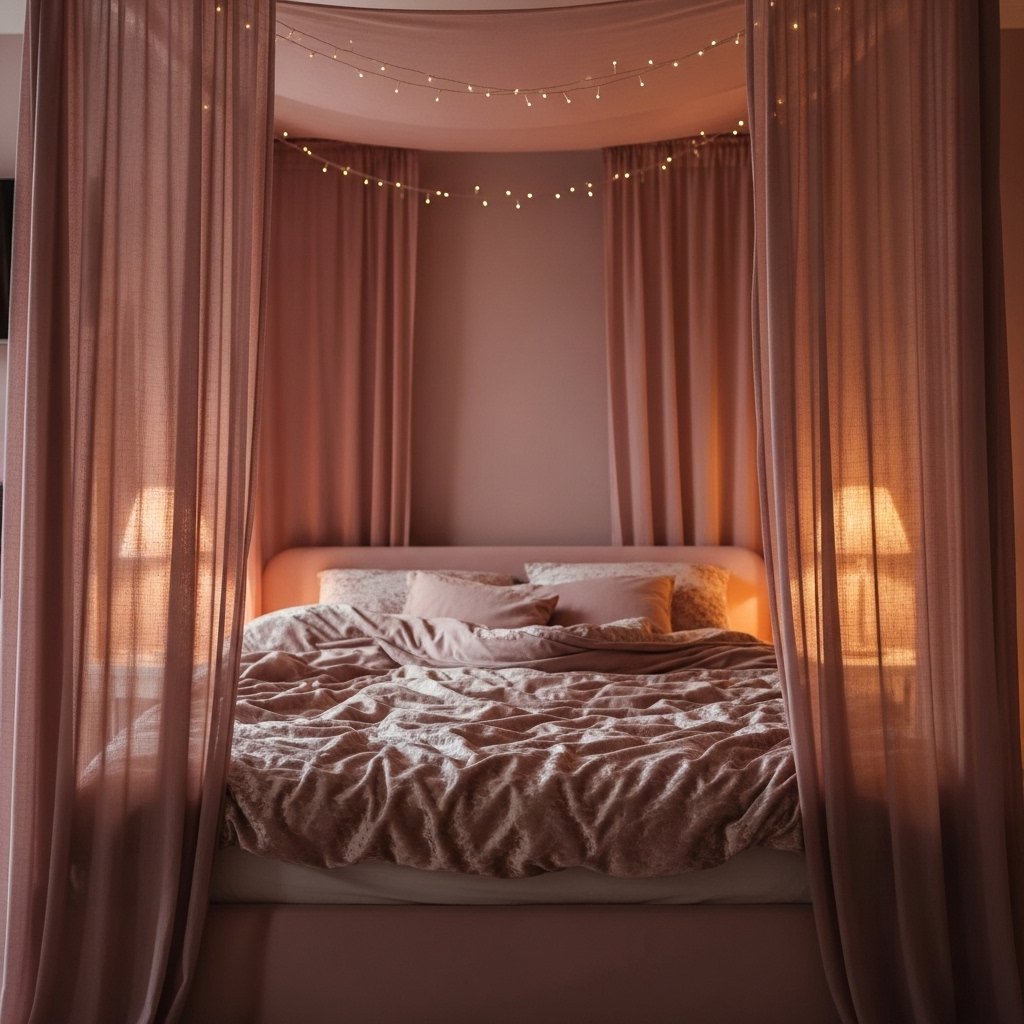
The canopy bed is one of the oldest luxury furniture forms in existence. In pink, in 2026, it reaches a level of romantic drama that no other bedroom furniture arrangement approaches.
A four-poster bed with sheer blush pink or dusty rose canopy panels falling from each corner creates an enclosure within the bedroom that is both physically and psychologically distinct from the rest of the room. The bed becomes a room within the room.
The canopy fabric should be sheer enough to let light filter through and create a soft, diffused atmosphere within the enclosure. Blackout fabric on a canopy bed creates darkness when the curtains are drawn around the bed. Sheer fabric creates perpetual soft light.
Style the canopy bed with bedding in a contrasting weight: the sheer canopy against heavy velvet or chunky linen bedding creates the tactile tension that makes the arrangement visually complete.
14. Pink and Marble: Hard and Soft in Perfect Balance
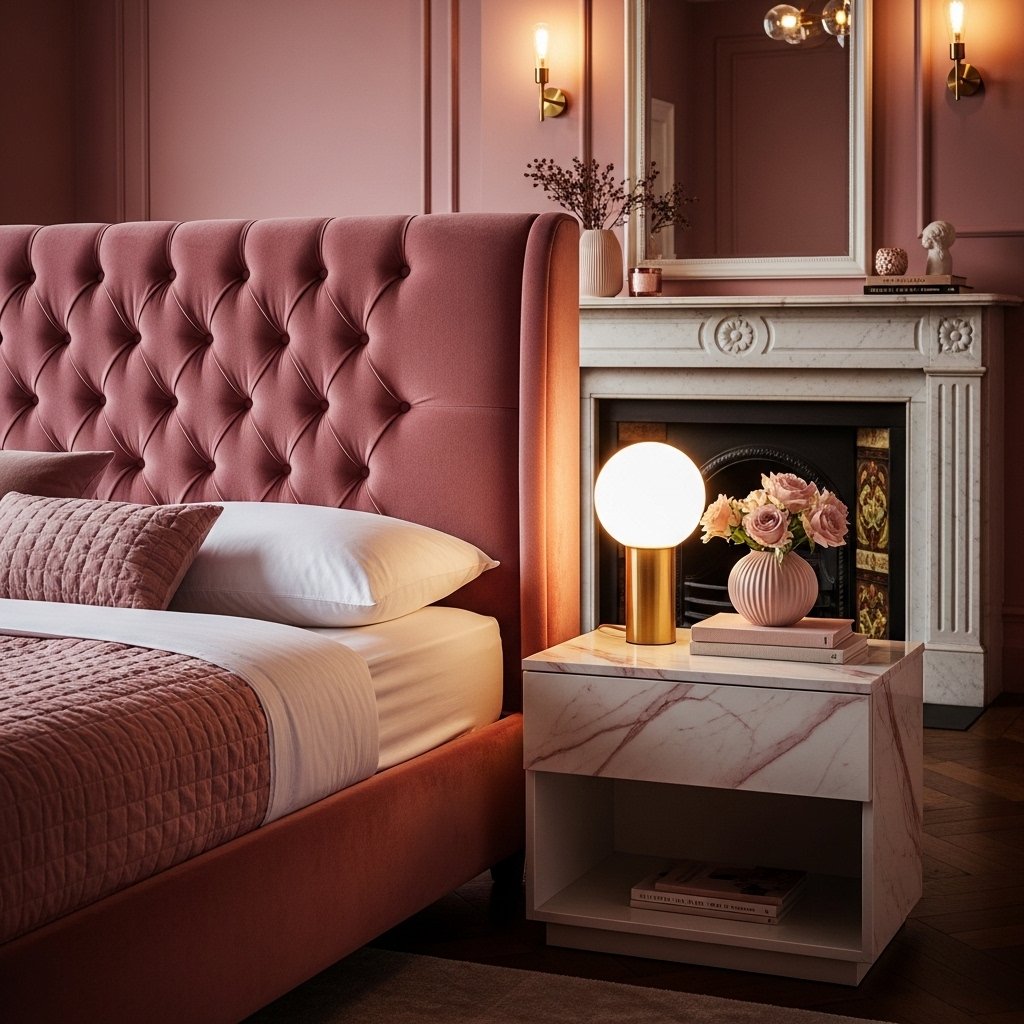
The combination of soft pink textiles and hard marble surfaces is one of the most successful material pairings in bedroom design because the contrast between them is complete on every quality: temperature, texture, weight, and visual character.
Pink is soft, warm, textile, organic. Marble is hard, cool, mineral, geological. In combination they complete each other in a way that two similar materials never do.
A marble-topped bedside table beside a pink velvet upholstered bed. A marble fireplace surround against a dusty rose painted wall. A marble floor beneath pink linen curtains. Each application of this pairing creates a small moment of material contrast that reads as sophisticated and considered.
Choose marble with warm veining, pink-toned marble, warm white with rose veining, or peach onyx to bring the two materials into conversation rather than contrast.
15. Pink as a Ceiling Color Only
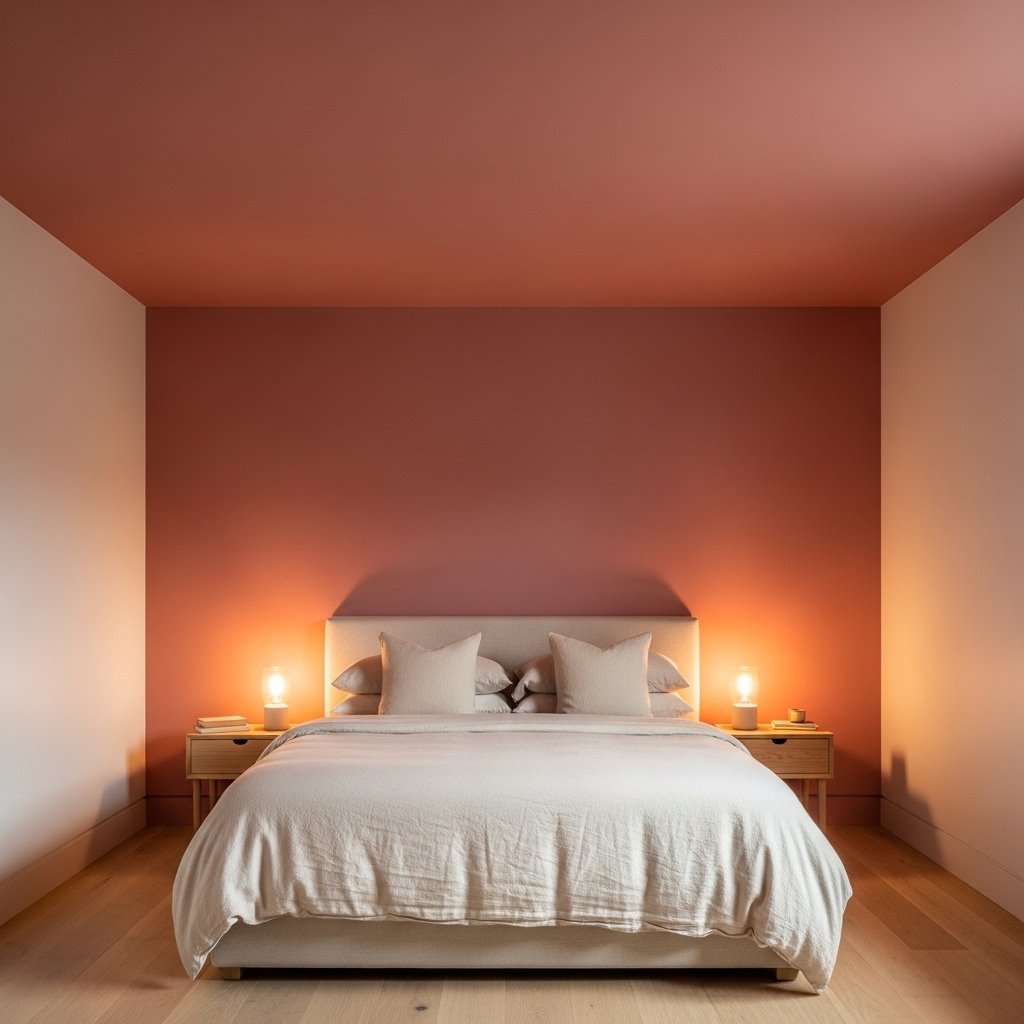
The most unexpected and most sophisticated application of pink in a bedroom is the one that puts it where most people never consider applying color at all: the ceiling.
A dusty rose, deep blush, or warm coral ceiling above a bedroom with neutral walls creates a glow in the room that exists even when the ceiling itself is not directly looked at. The pink ceiling reflects warm light downward onto every surface below it, giving the room a permanently flattering, warm atmosphere that white ceilings simply cannot produce.
The effect is most noticeable at night when artificial light from lamps reflects off the ceiling and the pink-toned reflection fills the room. The room glows differently from any other room in the house and the source of that warmth is not immediately obvious to anyone who does not know it is there.
This is the pink bedroom for someone who wants the effect of pink without the obvious statement. The ceiling is the secret.