17 Summer Home Decor Trends Dominating 2026
Summer decor in 2026 is not about putting away the heavy textiles and calling it done. It is about a deliberate seasonal shift in material, color, light, and atmosphere that makes a home feel genuinely alive during the warmest months of the year.
The trends dominating this summer share a common thread. They reach toward the natural, the tactile, and the unhurried. Away from the curated and the controlled. Toward something that feels more honest about what a home is for.
These 17 trends define where summer interior design is right now at its most considered and most beautiful.
1. Coastal Grandmother Elevated
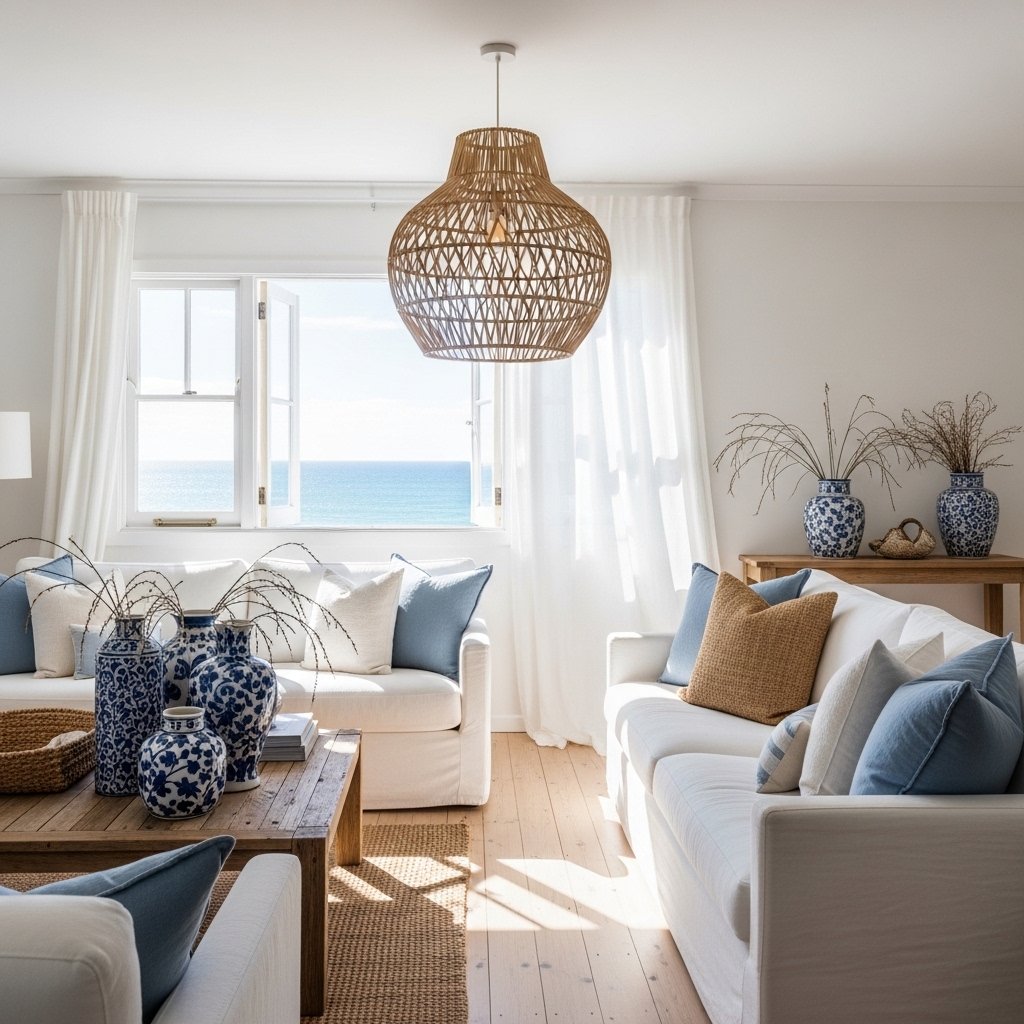
The coastal grandmother aesthetic has matured past its viral moment into something with genuine design substance.
In 2026 it has shed the kitsch and kept the essence: linen slipcovers, bleached timber, woven textures, blue and white ceramics, and an overall atmosphere of unhurried ease that feels like a house that has been loved for decades rather than decorated last month.
The elevation comes through material quality. Real linen rather than linen-look polyester. Actual rattan rather than rattan-printed surfaces. Genuine aged timber rather than distressed MDF. The bones of the aesthetic are the same. The execution is significantly more considered.
A living room pursuing this trend in 2026 has nothing in it that couldn’t plausibly have been there for thirty years. That temporal ambiguity is the point.
2. Terracotta and Warm Clay Tones Everywhere
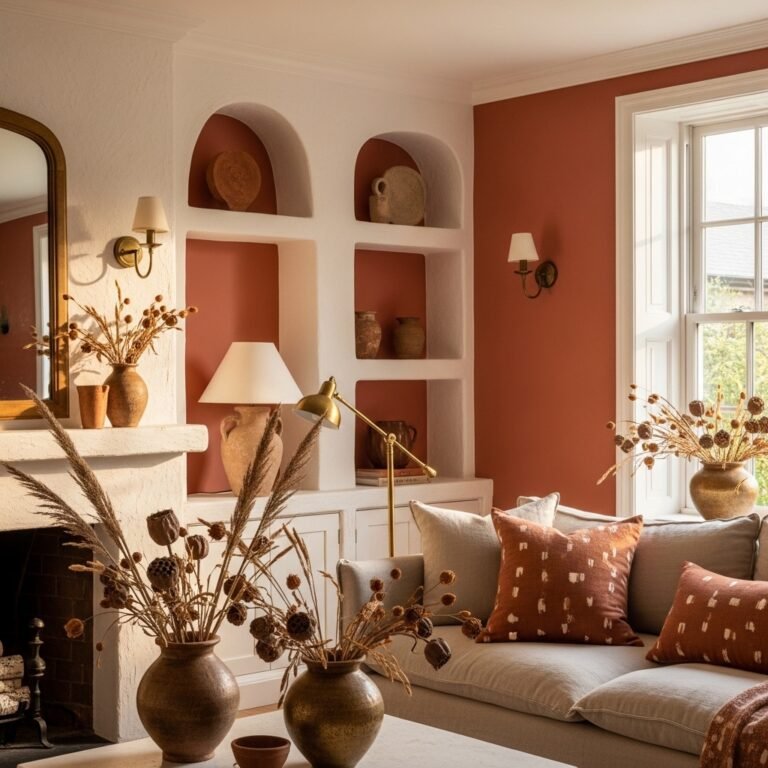
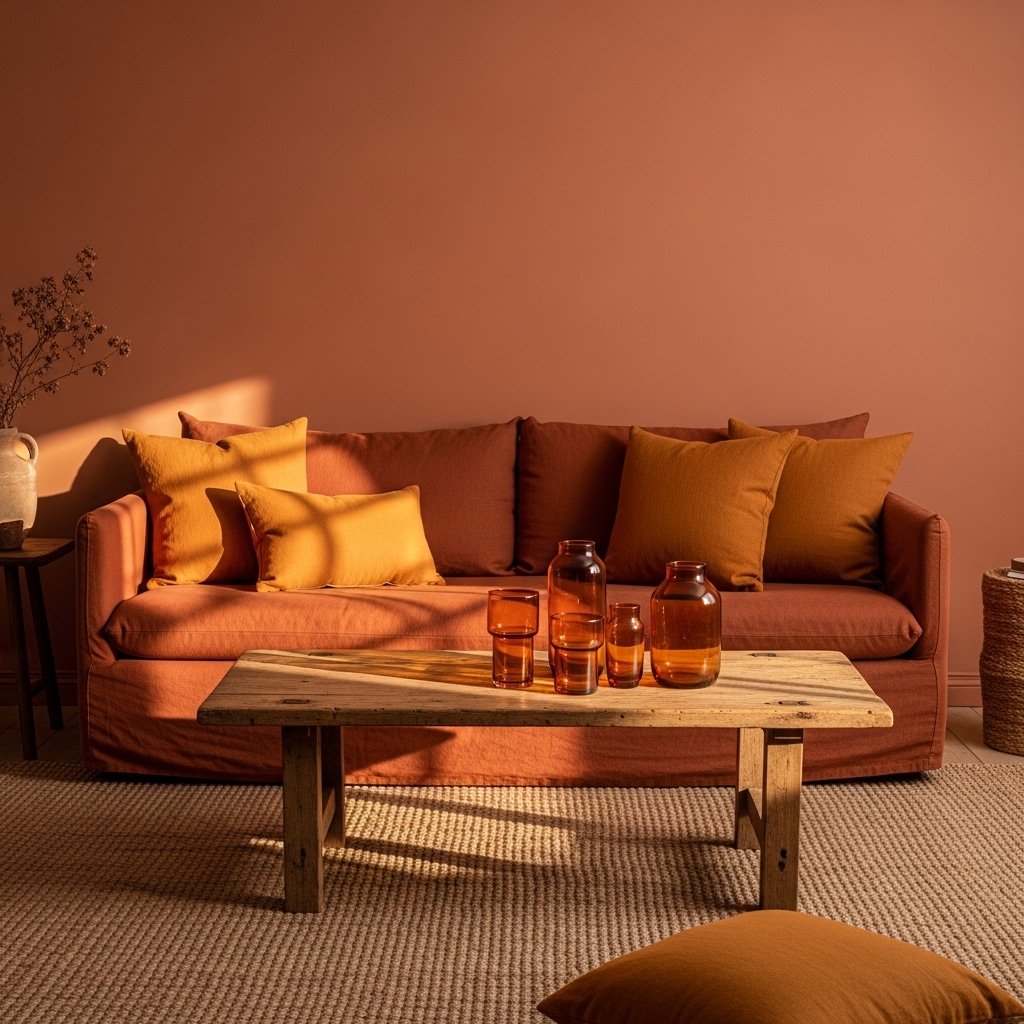
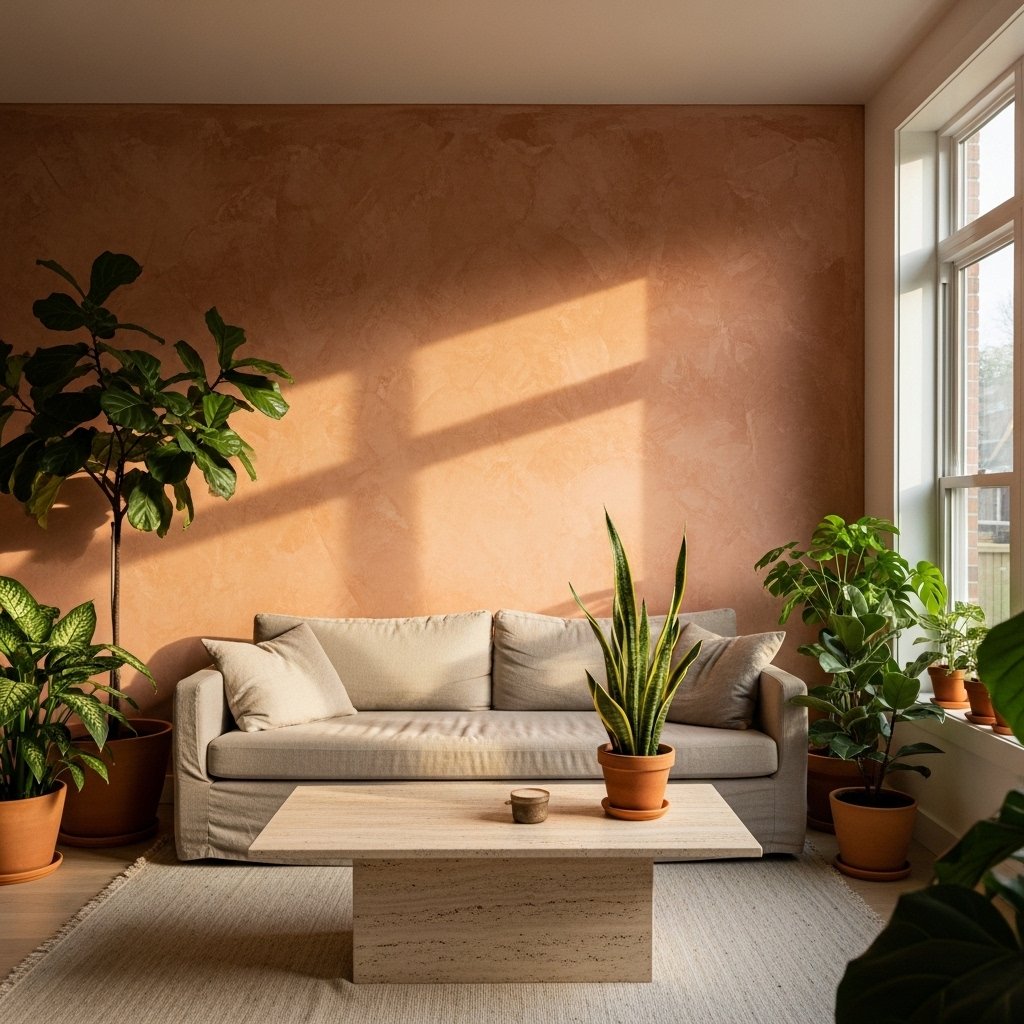
The warm clay and terracotta palette that began its rise several years ago has in summer 2026 reached full saturation across every surface category simultaneously.
Terracotta walls. Clay-toned linen. Burnt sienna cushions. Ochre throws. Warm amber glass vessels. The palette reads as a complete language rather than a single accent choice and the effect, when executed with full commitment, is one of the most warmth-generating color environments available in interior design.
Summer is when this palette performs best. The warm tones interact with natural light in a way that makes late afternoon sun feel like it was designed to illuminate that specific wall color.
Pair with natural materials exclusively. Terracotta against chrome or synthetic materials looks wrong. Terracotta against timber, stone, linen, and jute looks inevitable.
3. Outdoor Rooms Treated as Indoor Ones
The most significant shift in summer 2026 home design is the dissolution of the boundary between inside and outside as a design distinction.
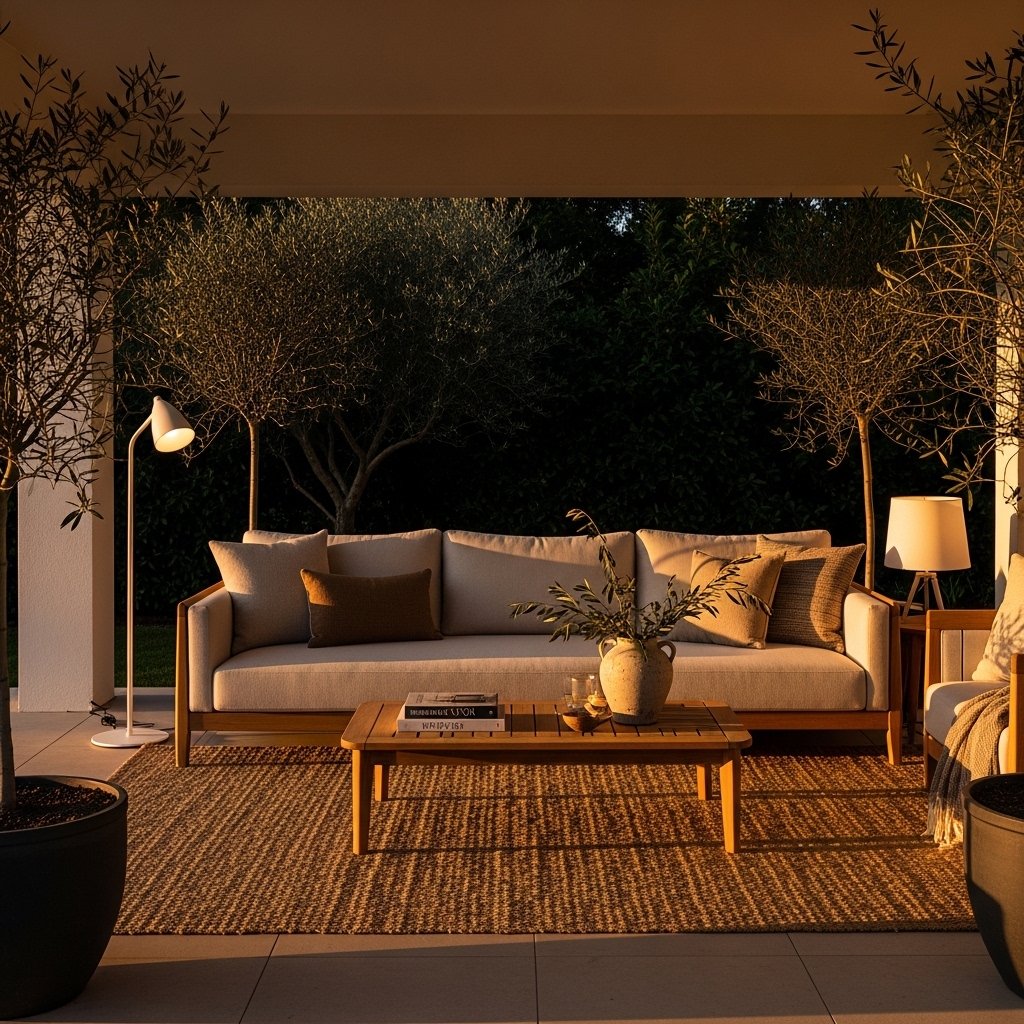
Outdoor spaces in 2026 are furnished, lit, scented, and designed with the same level of intention previously reserved for interior rooms. A covered terrace with a proper sofa, a coffee table, task lighting, a rug, and a side table is not an outdoor space. It is a room that happens to have open sides.
Performance fabrics that are visually indistinguishable from indoor upholstery have made this possible. A sofa that can be left outside in summer rain and brought back inside in autumn without damage eliminates the last functional barrier between outdoor and indoor furniture design.
The psychological effect of a properly designed outdoor room is significant. It expands the perceived size of the home by an entire room during the months it is usable.
4. Maximalist Botanical Interiors
The minimalist interior has dominated aspirational design for long enough that its opposite has become the more interesting space. The maximalist botanical interior in summer 2026 is not maximalism for its own sake. It is a specific, nature-led abundance.
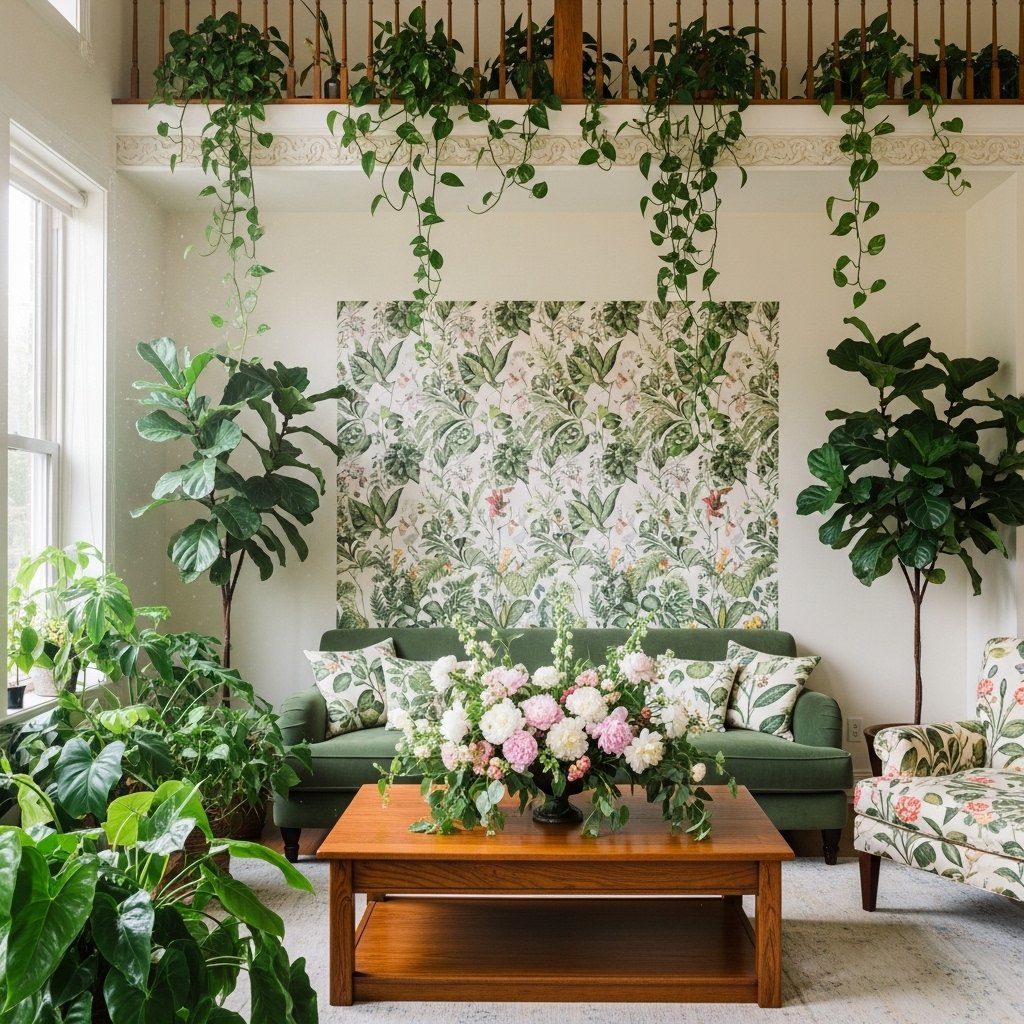
Plants everywhere. Trailing from shelves. Climbing trellises on walls. Grouped in corners in varied heights and pot materials. Botanical print wallpaper on one wall. Floral arrangements that are genuinely large rather than politely small. The interior as a garden brought inside.
The organizing principle that prevents this from becoming chaos is a consistent color palette. Green in all its variations, sage, forest, emerald, chartreuse, against a neutral base allows the abundance of botanical material to read as intentional rather than accumulated.
This is a summer trend because summer is the season when plants are at their most vital and when bringing the outside in feels most natural.
5. Linen Everything
Linen in summer 2026 is not a fabric choice. It is a complete design language.
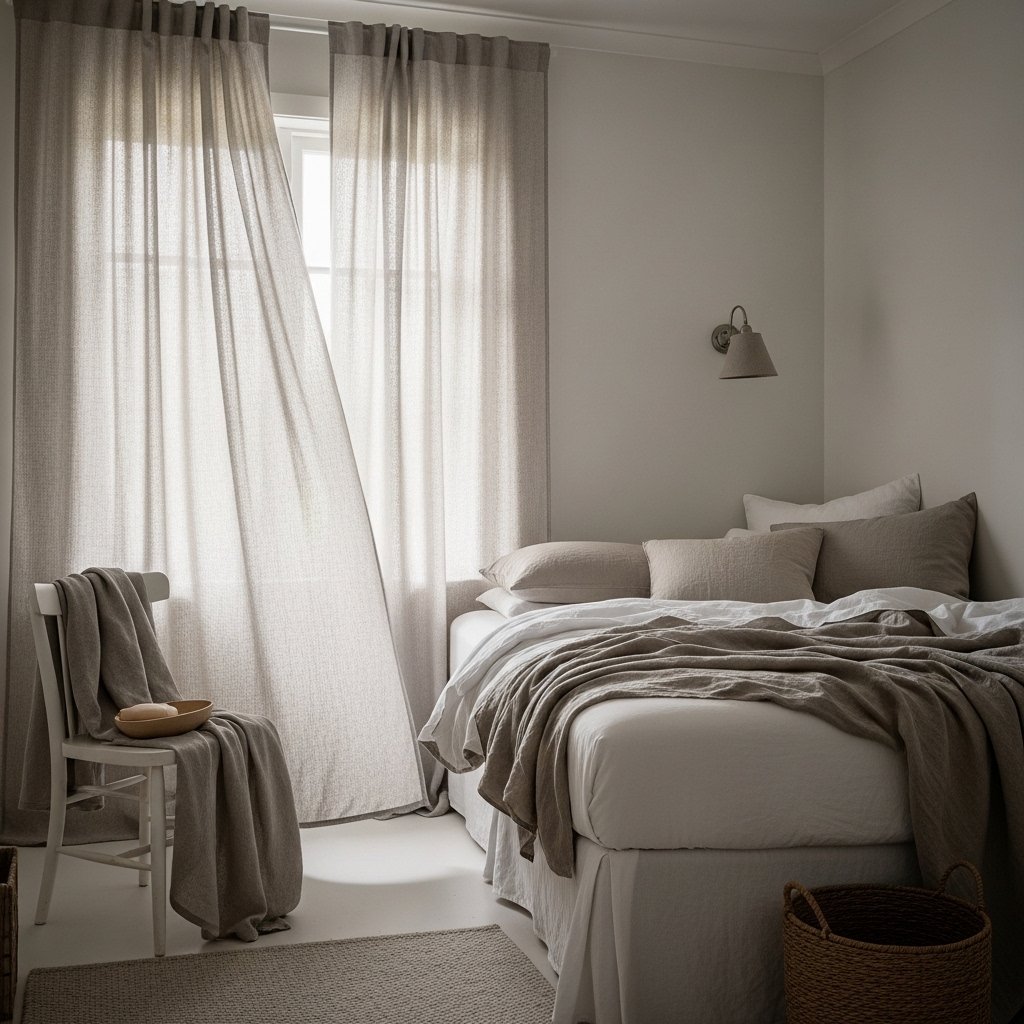
Linen curtains that have been pre-washed to develop their characteristic soft crumple. Linen sofa slipcovers that breathe in summer heat. Linen cushion covers in natural, undyed tones. Linen tablecloths and napkins that have been used enough to develop character. Linen throws that look better washed than new.
The specific quality of linen that makes it the definitive summer fabric is its relationship with imperfection. Linen wrinkles. It fades slightly in sunlight. It softens with every wash. These are not failures. They are the material developing its character. And that character reads as lived-in luxury.
A room furnished almost entirely in linen has a tactile and visual consistency that creates calm in a way that no other single fabric choice achieves.
6. Wabi-Sabi Applied to Summer Styling
Wabi-sabi, the Japanese philosophy of finding beauty in imperfection and impermanence, is the philosophical underpinning of the most sophisticated summer interiors in 2026.
A ceramic vase with an asymmetric form and a crackled glaze. A timber bowl showing its grain and natural irregularities. A linen cushion that does not sit perfectly plump. A collection of stones from a beach displayed without arrangement. These are not mistakes. They are deliberate choices made by someone who understands that perfection is less interesting than character.
Applied to summer styling specifically, wabi-sabi manifests in the acceptance of faded colors, weathered surfaces, and natural deterioration as aesthetic qualities rather than maintenance failures.
The home that pursues this in summer 2026 looks like it has been genuinely lived in by someone with excellent taste rather than staged for a photograph.
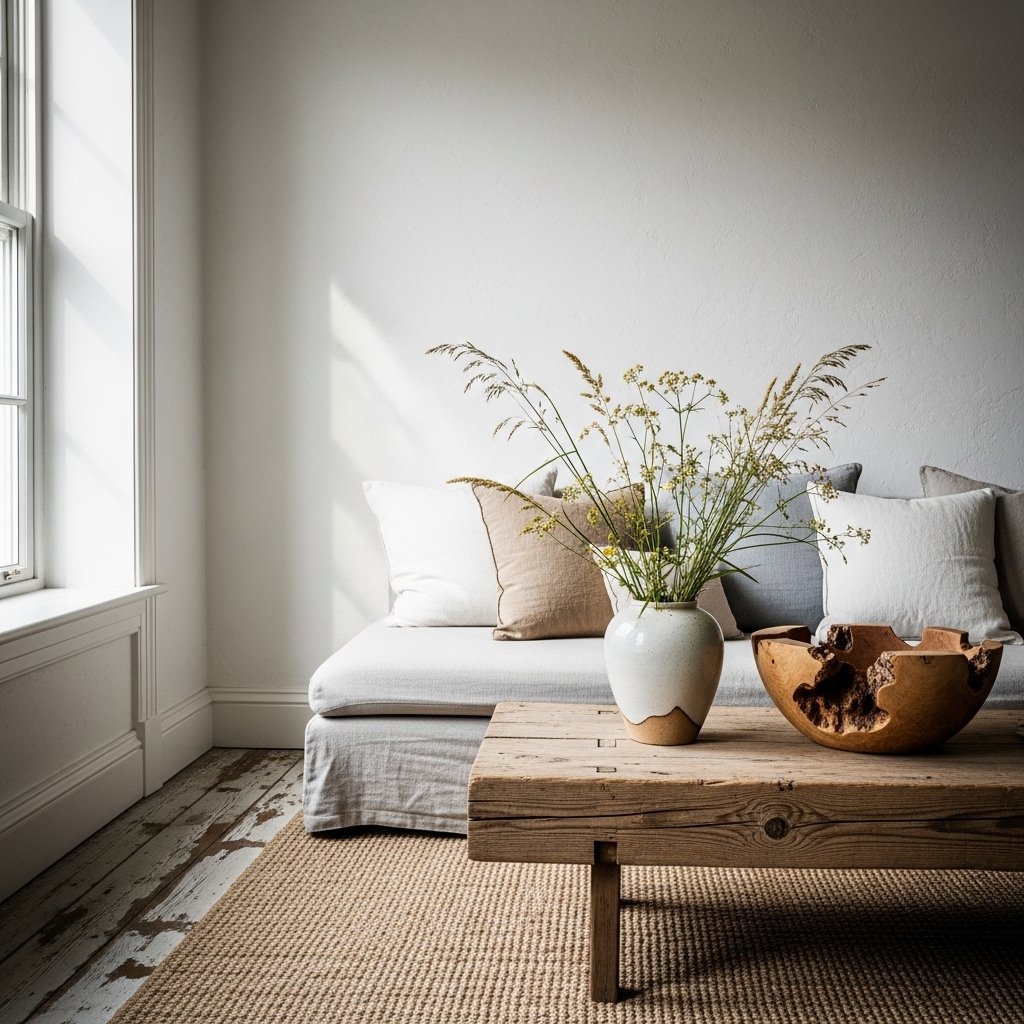
7. Rattan and Wicker in Every Room
Rattan has extended its territory significantly in summer 2026. No longer confined to occasional chairs and pendant lights, it appears now as bed frames, cabinet door fronts, mirror frames, side table bases, and decorative wall panels.
The universal appeal of rattan in summer is straightforward. It is visually light. It creates texture without adding visual weight. It references natural, warm climates. And it works against almost every wall color and with almost every other natural material.
The 2026 expansion of rattan into case furniture, storage pieces with rattan-fronted drawers and cabinet doors, adds a warmth and texture to functional furniture that painted or lacquered alternatives lack.
Rattan does not work against cold, grey, or industrial material palettes. It works perfectly against warm timber, stone, linen, and terracotta environments.
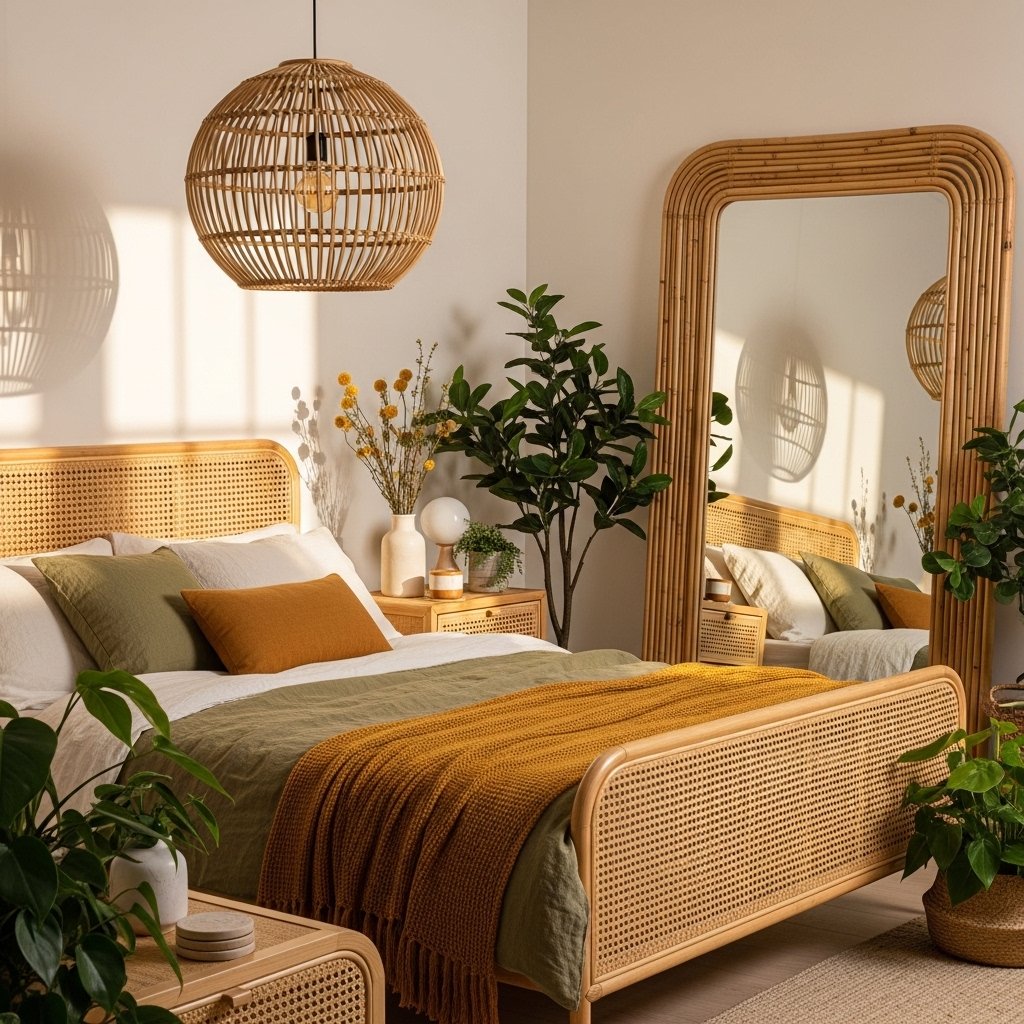
8. Scallop and Arch Details
Architectural decorative detail in 2026 has found its signature form in the scallop and the arch. Both appear across furniture, textiles, wall treatments, mirrors, and architectural elements simultaneously.
A scallop-edged shelf. An arch-shaped mirror. Arch-profile built-in cabinetry. A scalloped trim on a cushion cover. An arched window treatment. The repetition of a single geometric motif across multiple scales within a room creates a visual rhythm that reads as sophisticated and intentional.
The scallop specifically has moved from bathroom tile detail into mainstream furniture and textile design in summer 2026. A scallop-edged cushion on a linen sofa, a scallop-trim tablecloth on an outdoor dining table, or scallop detailing on a bedroom headboard each carry the same gentle, coastal, feminine energy that suits summer styling.
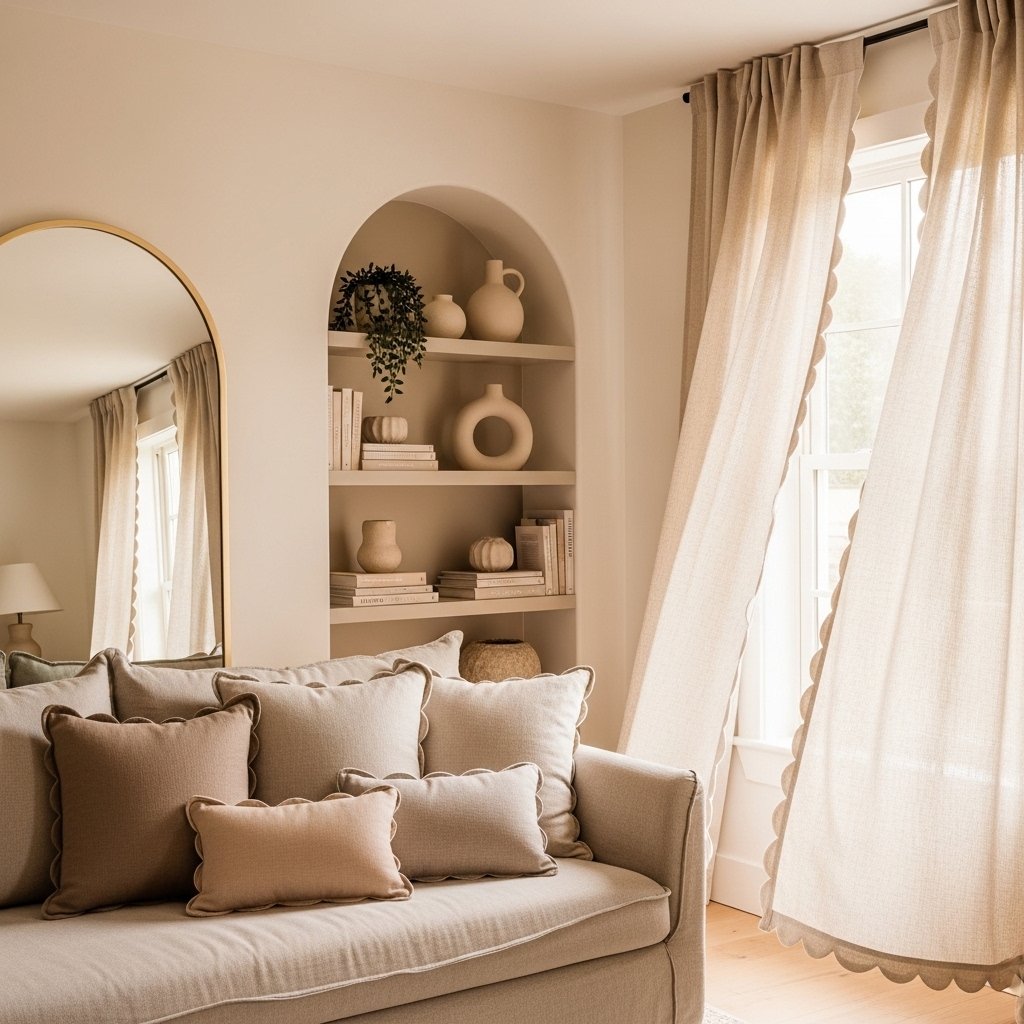
9. Organic and Irregular Ceramics as Decor
Mass-produced ceramics with perfect symmetry and uniform glazes are being replaced in 2026 summer styling by handmade, visibly imperfect ceramic objects where the maker’s hand is apparent in every piece.
An irregular rim vase where no two points of the edge are at the same height. A bowl with a glaze that pooled and moved in the kiln, creating a unique pattern on every piece. A set of cups where each one is recognizably from the same maker but no two are identical.
These objects bring human scale and human presence to a room in a way that manufactured objects cannot. They communicate that the person who lives in the room values handwork and individuality over uniformity.
Styled on a coffee table, a dining table, or a shelf in groups of three or five, handmade ceramics are the finishing detail that separates a summer room that has been styled from one that has been considered.
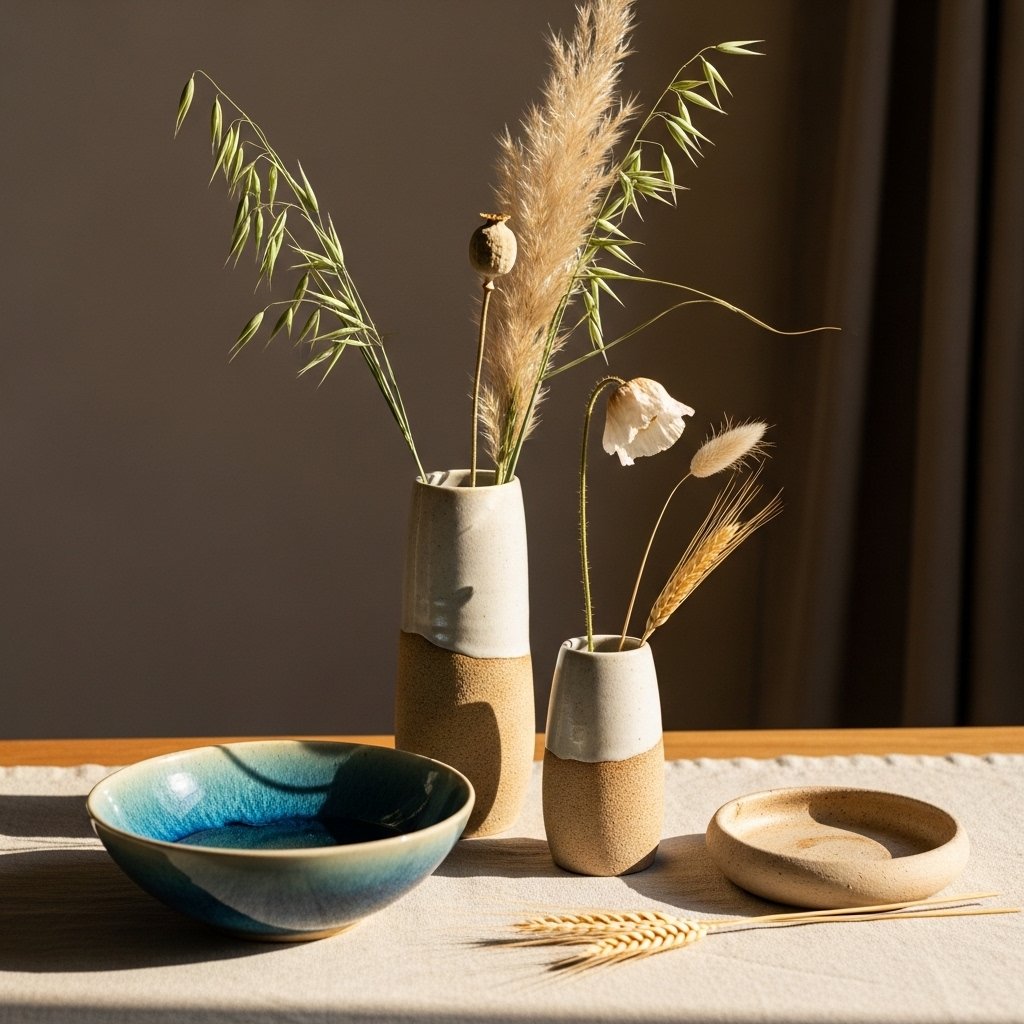
10. Limewash and Plaster Walls
The perfectly smooth, perfectly painted wall has given way in summer 2026 to surfaces with texture, depth, and the visible evidence of application.
Limewash paint, applied in multiple thin layers with natural brushes, creates a wall surface with depth and variation that flat paint cannot replicate. The color shifts between layers as light changes throughout the day. Areas of greater absorption sit beside areas of less, creating a surface that is never the same twice.
Venetian plaster applied by hand creates a polished, marble-like surface with natural variation that is both luxurious and organic simultaneously. The reflective quality of a well-applied Venetian plaster wall in summer light is something that has to be seen in a room to be fully understood from description.
Both techniques suit summer specifically because their matte, organic surfaces interact with natural light in ways that amplify rather than compete with it.
11. Sustainable and Natural Material Obsession
Summer 2026 design is defined by a growing refusal to use synthetic materials where natural alternatives exist at comparable quality and price points.
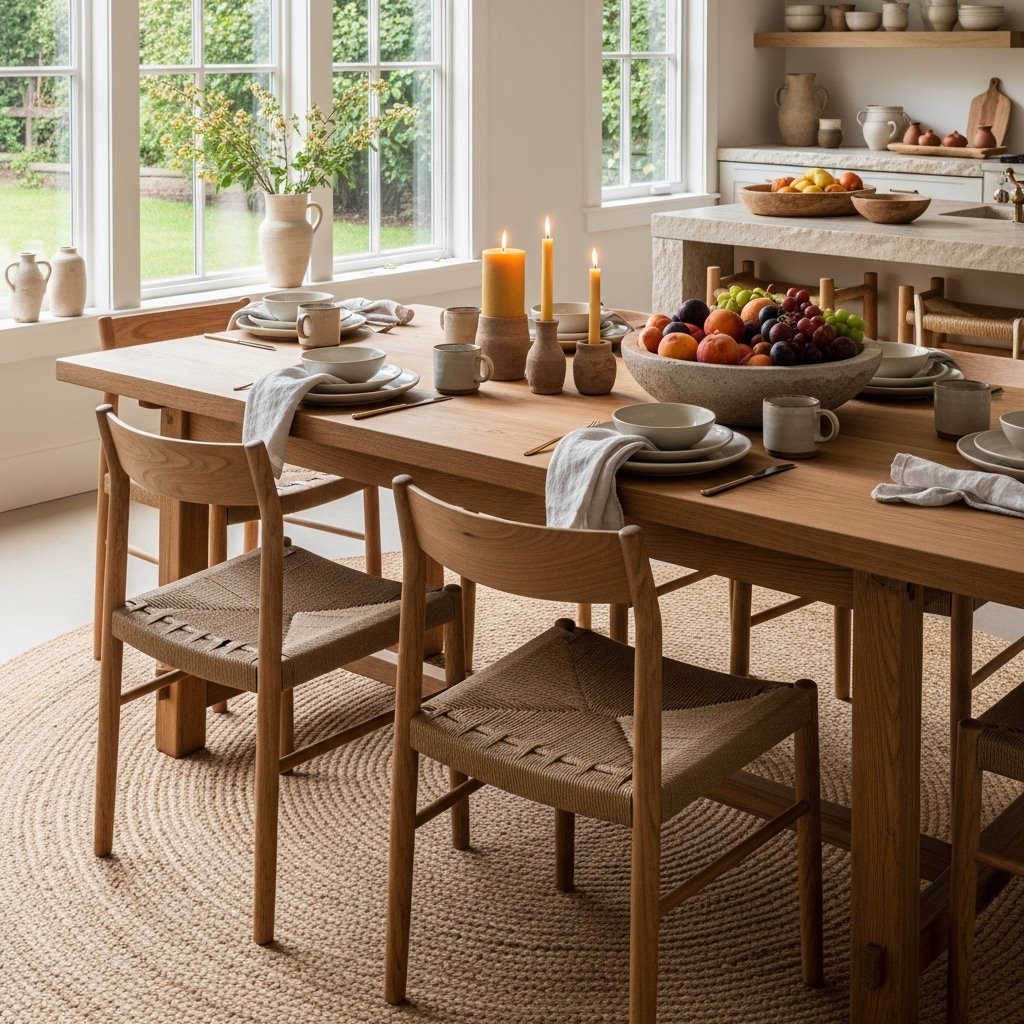
Jute rugs instead of synthetic alternatives. Real timber instead of wood-effect laminate. Cotton and linen instead of polyester blends. Beeswax candles instead of paraffin. Ceramic and glass instead of plastic storage. The cumulative effect of consistently choosing natural materials throughout a home is a space that feels and smells fundamentally different from one that doesn’t.
Natural materials age. They develop patina. They absorb light differently from synthetic alternatives. They produce a warmth that manufactured materials consistently fail to replicate regardless of how closely they approximate the appearance of the natural original.
The sustainable material choice in 2026 is rarely a compromise. In most categories the natural option is now both more beautiful and more durable than the synthetic one.
12. Statement Outdoor Dining
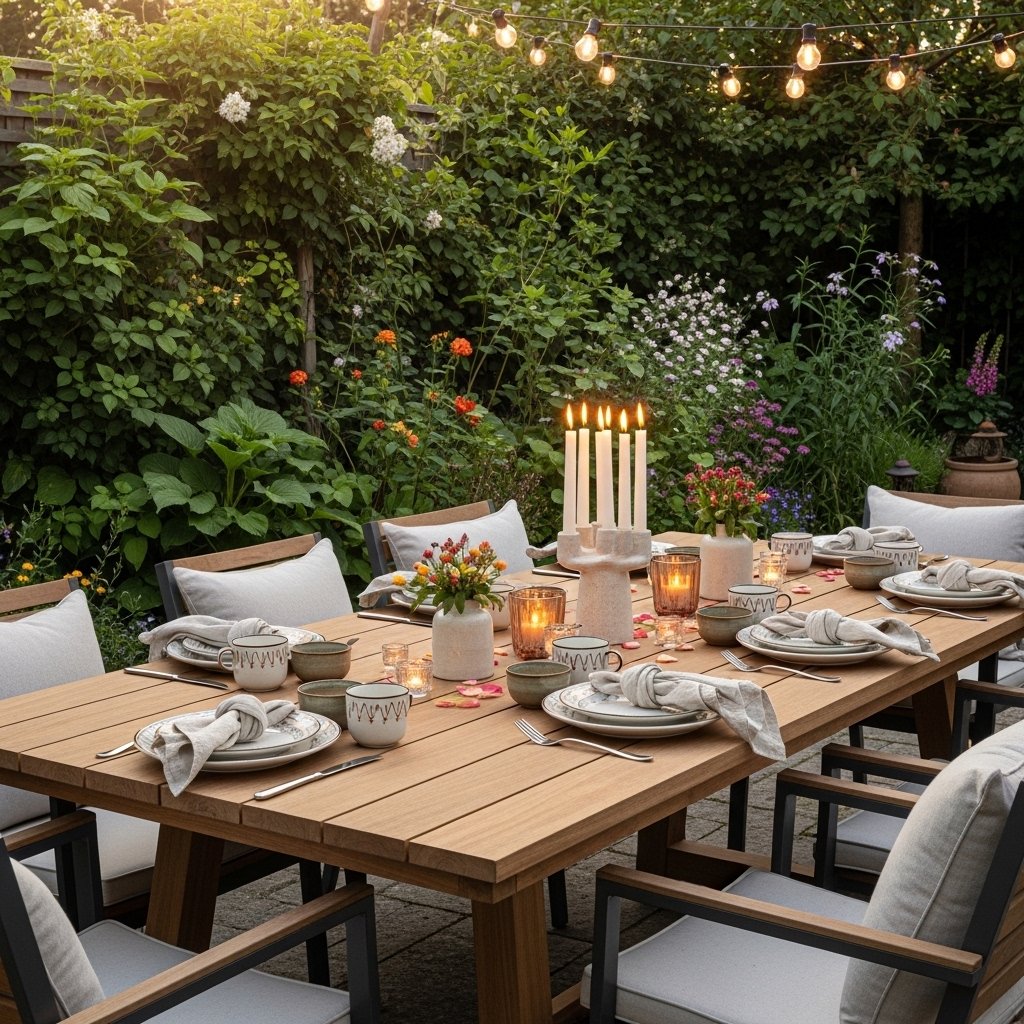
The outdoor dining setup in summer 2026 is not a folding table and four matching chairs from a garden center. It is a composed dining environment given the same design attention as an interior dining room.
A timber dining table with proper joinery and material weight. Chairs with quality frames and cushioned seats. Tableware that is genuinely beautiful and weather-appropriate. A pendant light or string light installation above the table for evening dining. A large umbrella or shade sail proportioned correctly to the table beneath it.
Outdoor dining in this configuration becomes an experience rather than an alternative to eating inside. The table is set the way an interior table is set. The light is designed the way interior lighting is designed. The result is a dining environment that is used every possible evening rather than reserved for formal occasions.
13. Blue and White as the Definitive Summer Color Story
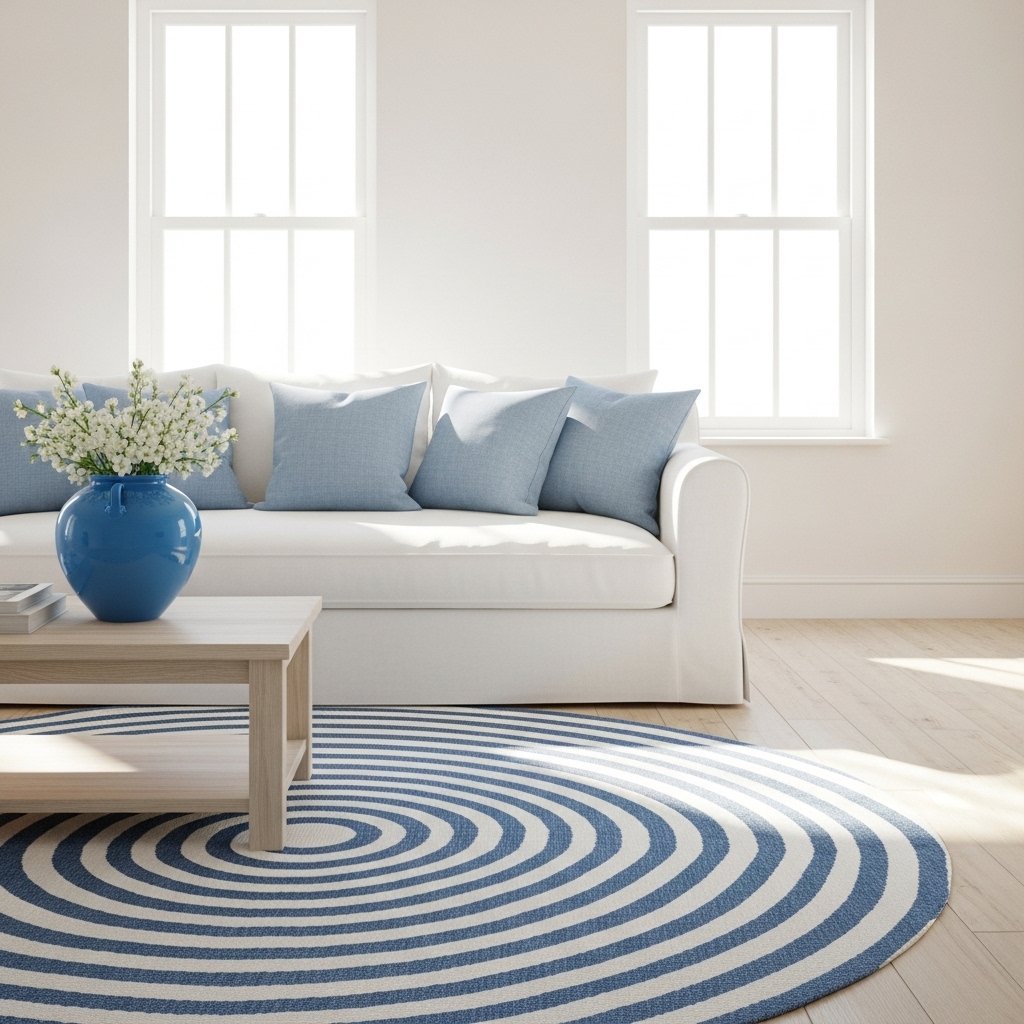
The blue and white color combination is arguably the most enduringly associated palette with summer in interior design history. In 2026 it has returned with a freshness that makes it feel completely current.
The specific blues dominating summer 2026 are softer and more complex than the saturated primary blues of previous cycles. Soft Aegean blue. Faded indigo. Dusty cornflower. Coastal sky blue that reads almost grey in certain lights. Paired with warm white rather than cool white, these blues create warmth rather than coldness.
Blue and white works in every room simultaneously in summer. Bedding in a faded indigo stripe. A kitchen with blue tile and white grout. A bathroom with a blue limewash wall and white fixtures. A living room with blue and white ceramic objects against linen upholstery.
The palette is infinitely scalable from a few accessories to a full room.
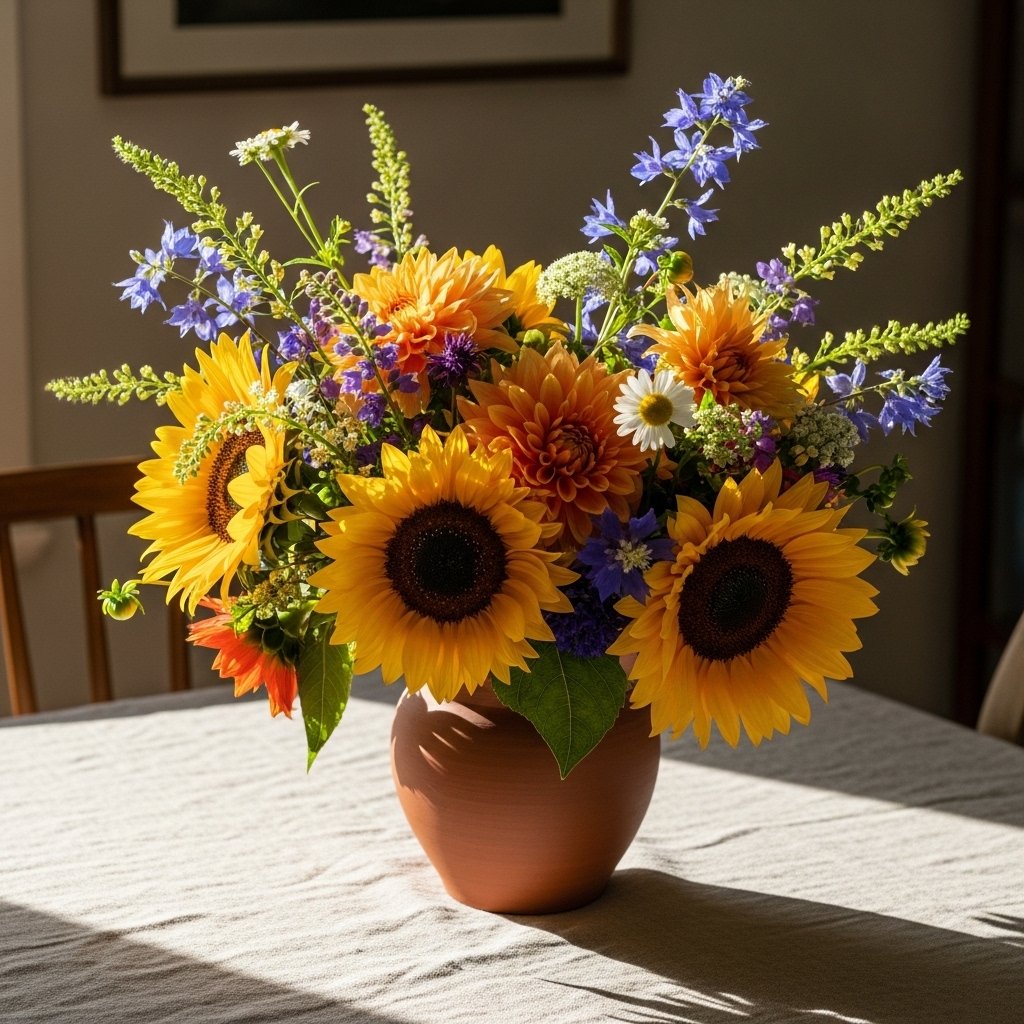
14. Fresh Flowers as a Weekly Non-Negotiable
Summer 2026 interiors treat fresh flowers not as an occasional luxury but as a weekly household necessity in the same category as groceries.
A large bunch of seasonal flowers in a simple glass or ceramic vase on a dining table, a smaller arrangement on a kitchen counter, and a single stem on a bedside table costs less per week than a takeaway coffee habit and contributes more to the daily experience of being in the home than almost any other recurring expenditure.
The key word is seasonal. Flowers that are in season locally cost a fraction of out-of-season alternatives, last longer because they have not traveled as far, and connect the home’s interior to the specific time of year in a way that makes the season feel genuinely present inside.
A home with fresh flowers in summer is a home being lived in intentionally.
15. Sheer Curtains That Move
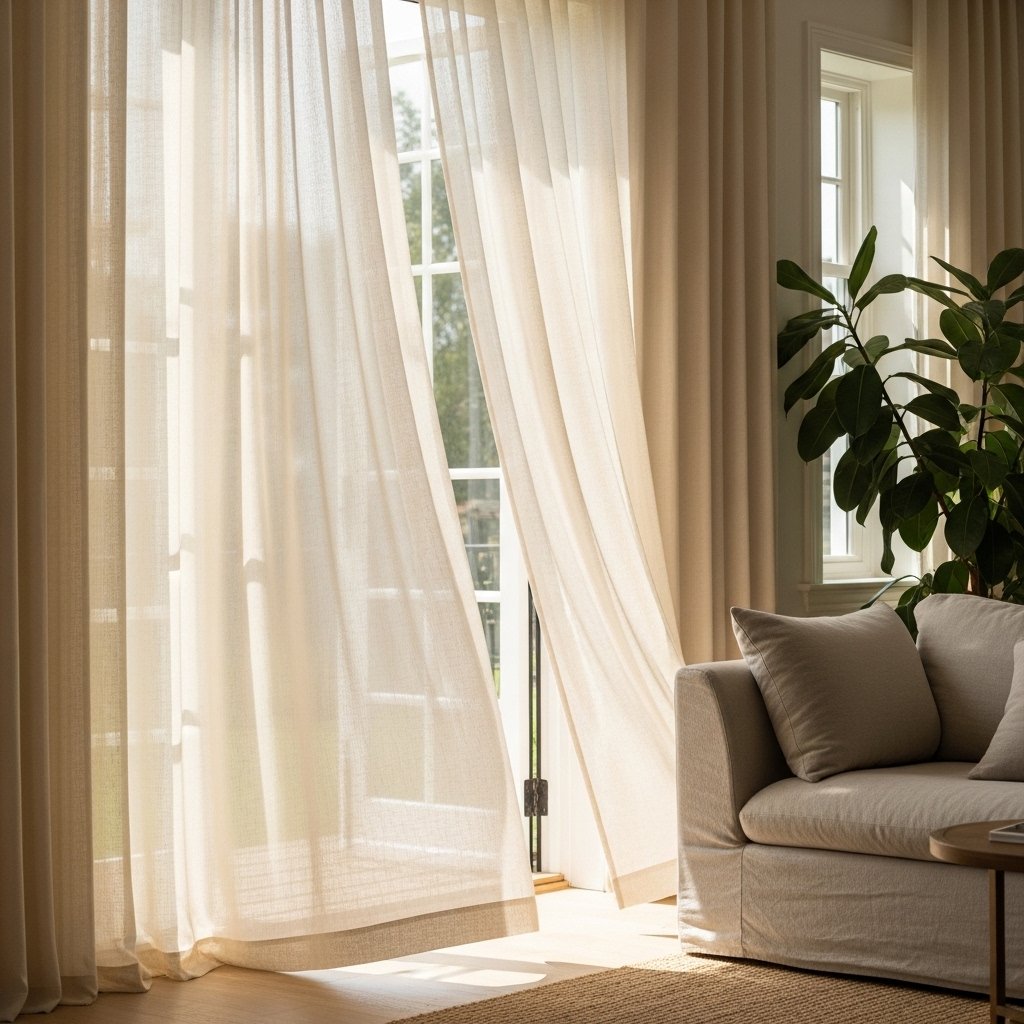
The summer curtain in 2026 is not a heavy linen panel that falls straight and still. It is a sheer or semi-sheer fabric that moves with any movement of air and filters light rather than blocking it.
A floor-to-ceiling sheer linen or voile curtain that billows slightly in a summer breeze is one of the most atmospherically evocative elements available in seasonal interior styling. The movement and light quality it creates cannot be replicated by any static element.
Hang sheers at ceiling height on an extended rod for maximum drama. Layer them with a heavier curtain panel for light control when needed. The sheer layer is the summer layer. The heavy panel returns in autumn.
White, ivory, and soft natural linen tones work best. A sheer curtain in any saturated color competes with the light it is meant to filter.
16. The Collected, Traveled Home
The most interesting summer interiors in 2026 tell a story of accumulated experience rather than a single shopping trip.
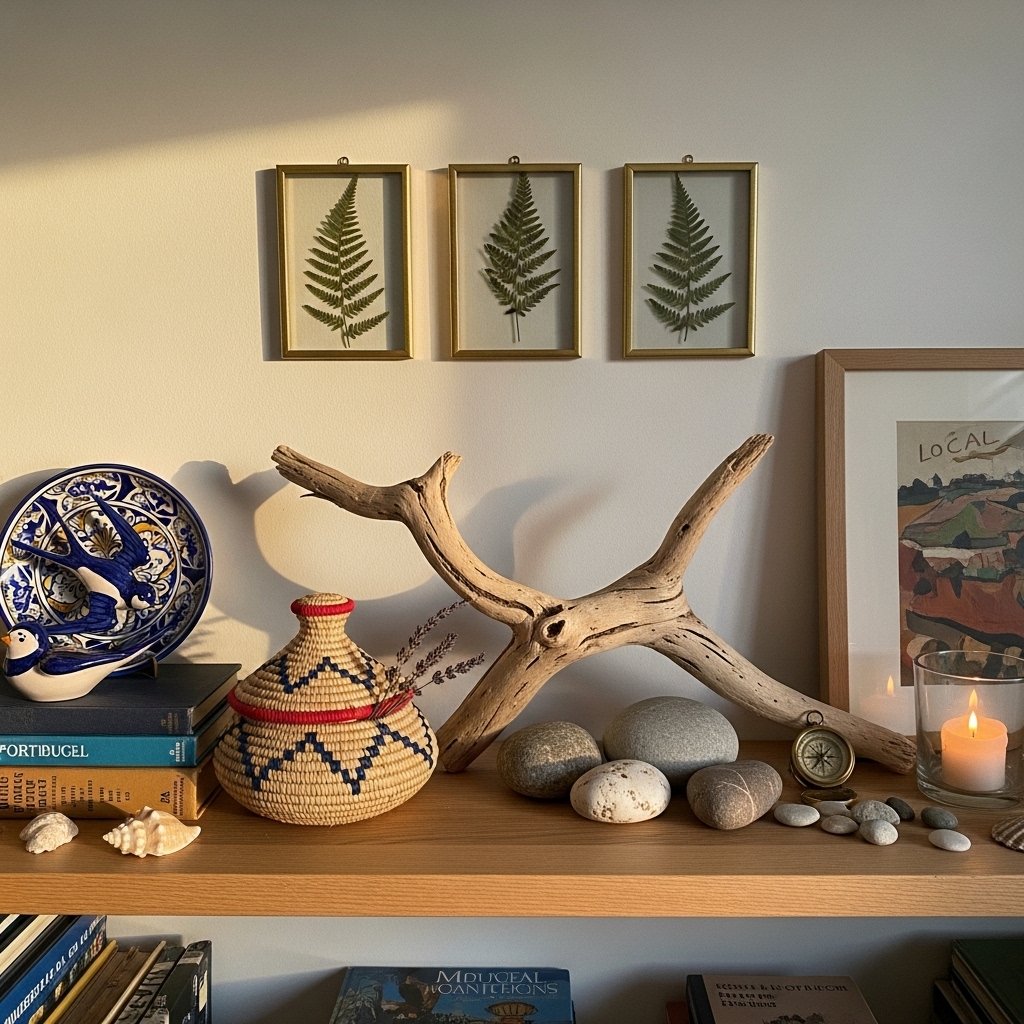
Objects gathered from different places and different times coexist without a unified aesthetic framework. A ceramic from a market in Portugal beside a textile from a trip to Morocco beside a print bought at a local gallery beside a piece of driftwood from a beach walk. None of these were purchased to go together. All of them go together because they were chosen by the same person.
The collected home aesthetic resists both minimalism and maximalism as organizing philosophies. It organizes around personal history instead. The things on display mean something to the person who put them there. That meaning is visible in the way the room feels even when the stories behind specific objects are unknown to a visitor.
Styling a collected home for summer means bringing the outdoor collected objects inside: shells, stones, pressed botanicals, feathers, branches. The season crosses the threshold.
17. Outdoor Shower and Bath Features
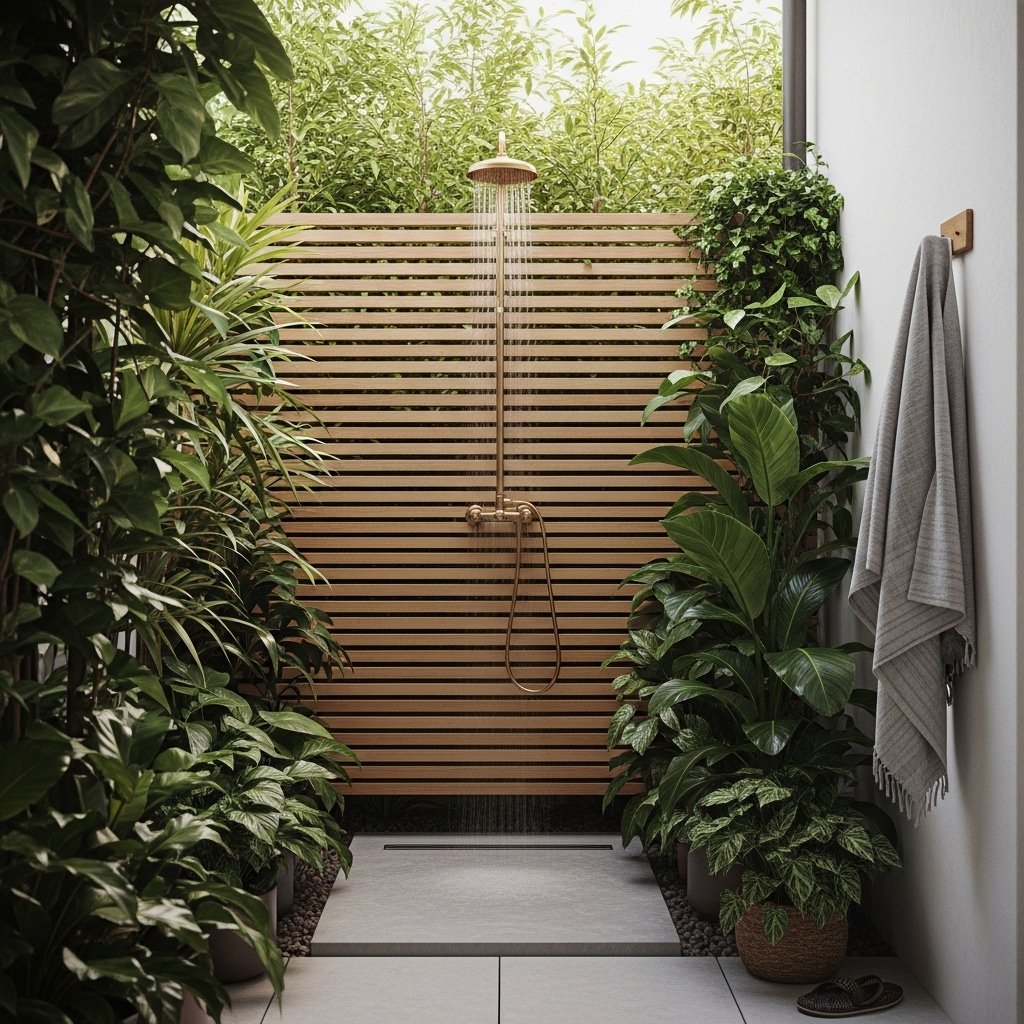
The outdoor shower has moved from a functional beach house utility to a genuine design feature in summer 2026 homes with outdoor space.
A properly designed outdoor shower with a quality shower head, a timber or stone surround, natural privacy screening from plants or a timber slatted enclosure, and warm stone or timber underfoot is an experience that no indoor shower provides. The combination of warm water, fresh air, and sky overhead changes the nature of the activity entirely.
For homes with larger outdoor space, an outdoor soaking tub, a stone trough, or a deep timber barrel tub positioned in a garden setting takes the spa bathroom concept completely outside. Surrounded by plants, heated by solar or standard supply, and used in summer evenings under open sky.
These features are investments that transform how the home and garden are used across an entire season.