13 Living Room Color Ideas That Change the Room’s Entire Atmosphere
Color in a living room is the decision most influenced by fear and least governed by genuine knowledge. People default to off-white because they have been told it is safe. They add one accent color because they have been told contrast is good. They end up with a room that is neither here nor there: not bold enough to be interesting, not restrained enough to be calm.
These 13 color ideas approach the living room with the conviction that makes the difference between a room that is pleasant and a room that is genuinely great.
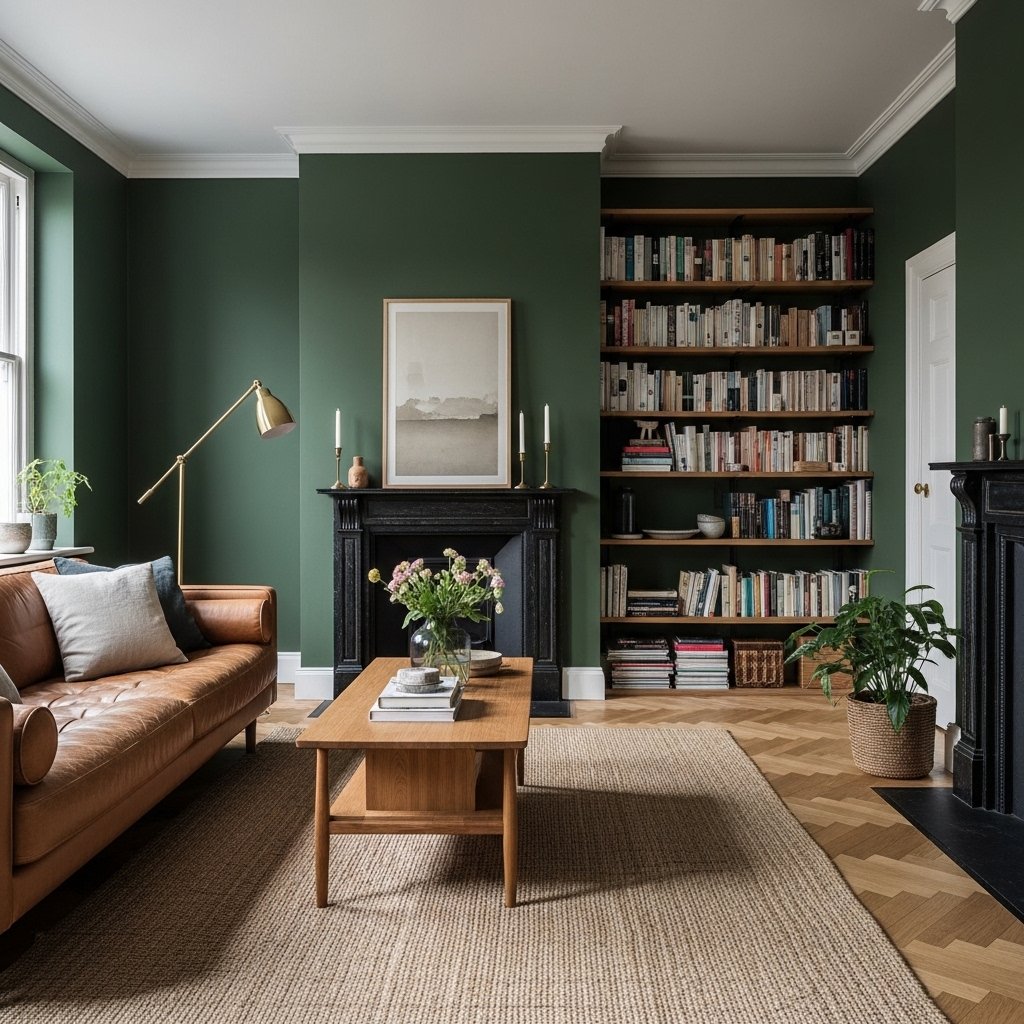
1. Deep Forest Green: The Room That Feels Like a Library
Forest green on all four walls of a living room creates a specific atmosphere that no other color creates: the feeling of being inside a room that has always existed, that has accumulated the warmth of books, fires, and sustained human presence over time.
The specific tone matters enormously. The forest green that works is deep, slightly warm, and matte. A cool blue-green reads as a bathroom choice. A yellow-green reads as botanical rather than architectural. The right forest green has brown or grey in it, the color of moss on stone or lichen on bark.
Against forest green walls, warm timber, aged leather, and natural linen perform at their absolute best. The green wall makes every warm material in front of it appear warmer, richer, and more considered.
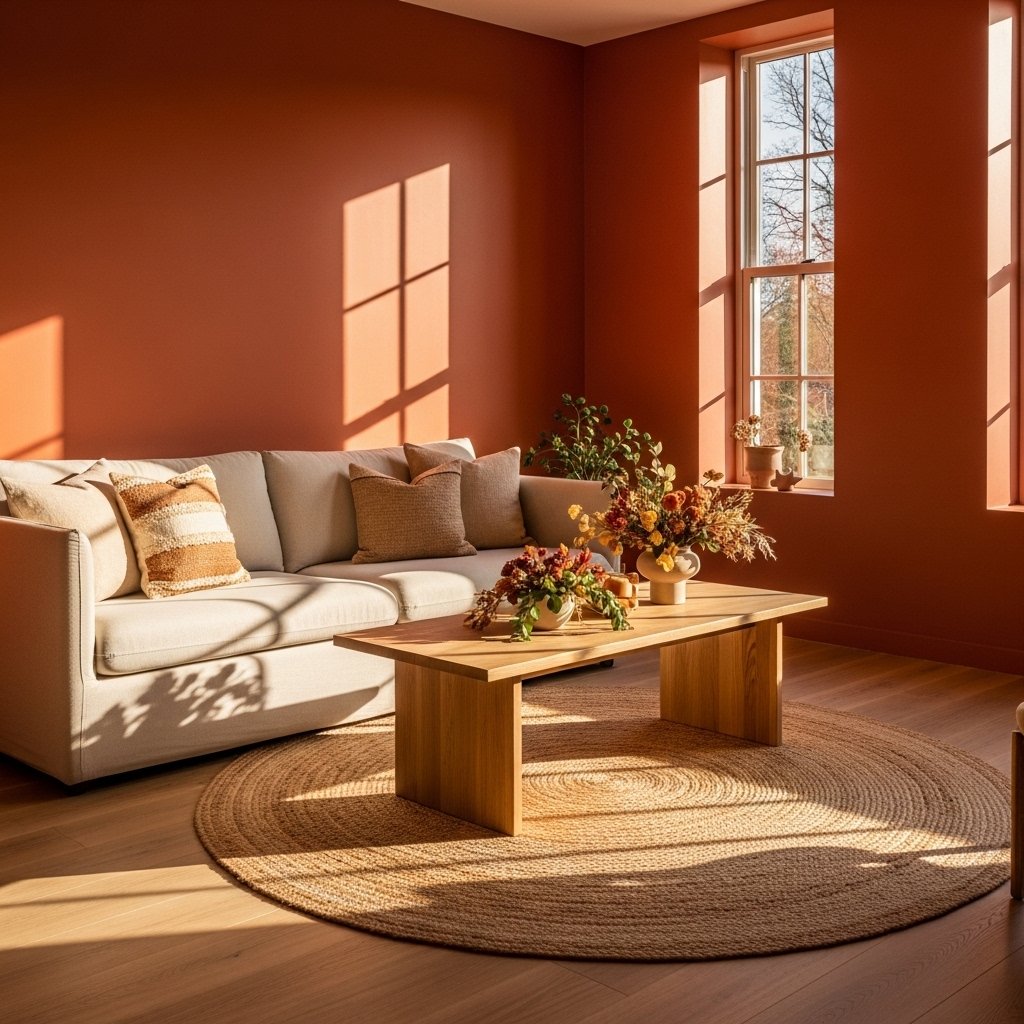
2. Warm Terracotta: The Room That Holds Afternoon Light
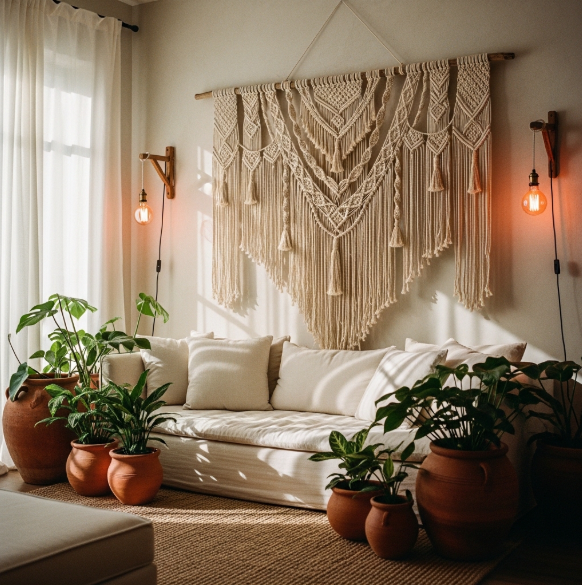
Terracotta walls in a living room perform best with west-facing windows where afternoon light enters at the angle and warmth that makes the color appear to generate its own illumination.
The wall color must be warm terracotta rather than orange. The difference: terracotta has brown and grey content that gives it depth and maturity. Orange is flat and aggressive. A terracotta that reads as sophisticated has at least 20% grey in its composition.
Pair with cream, ivory, and natural white on furniture and textiles. The terracotta wall and the cream furnishings create a color relationship borrowed from Italian fresco interiors. Every color exists in nature together.
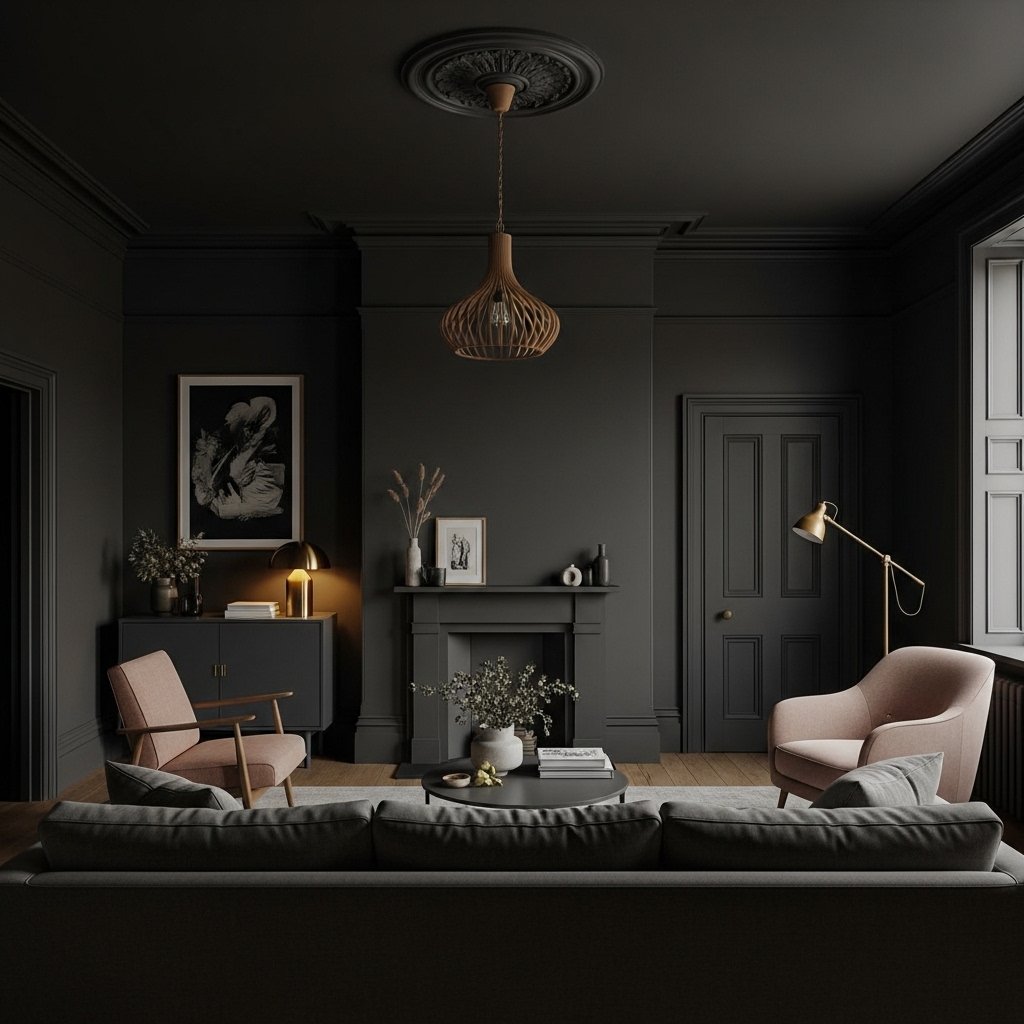
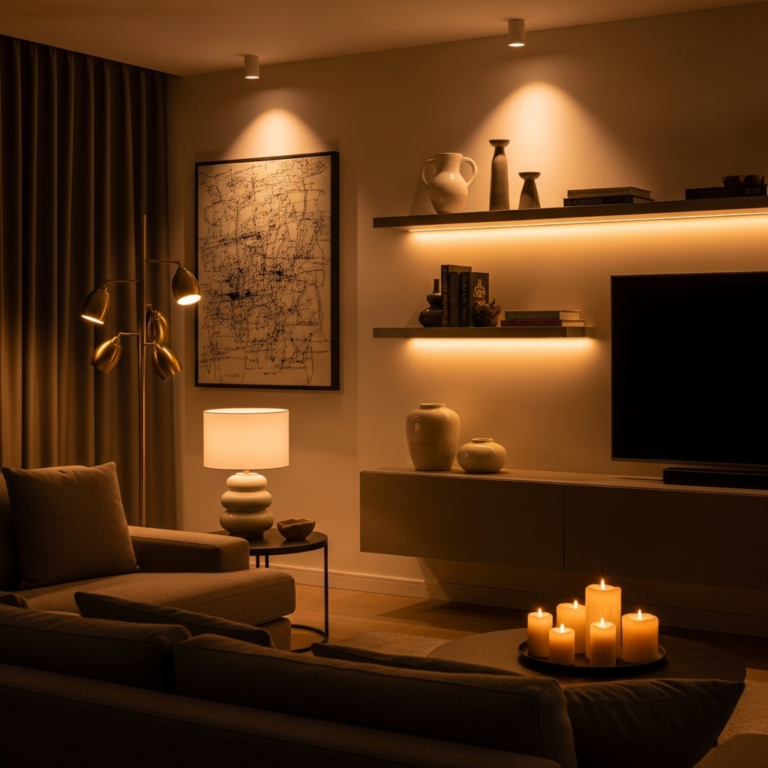
3. Warm Charcoal: The Room That Makes Everything Look Better
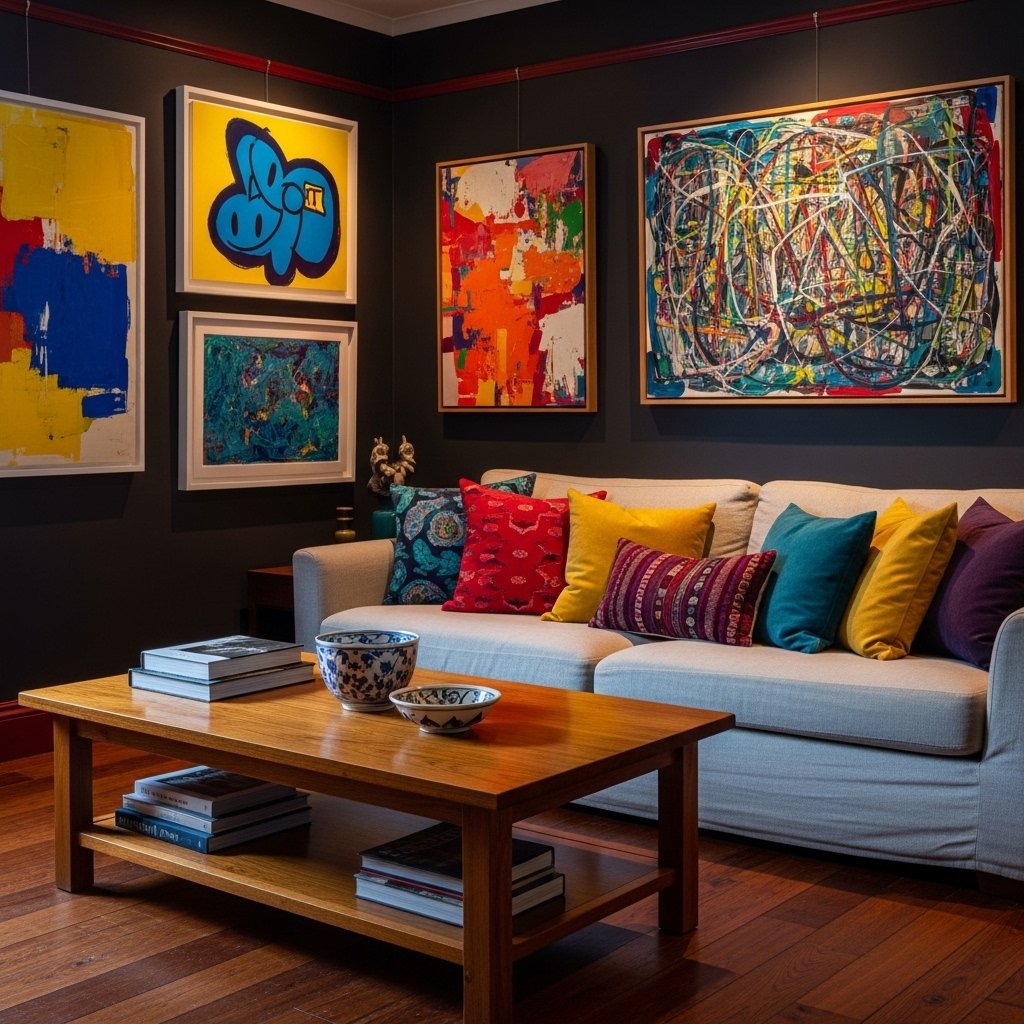
Warm charcoal, a dark tone with brown and red undertones rather than the cool blue-grey of standard charcoal, is the color that makes every other element in the room perform better than it would against any other background.
Art appears more vivid against warm charcoal than against any other wall color. Cushions in any color appear more saturated. Timber appears richer. Ceramic objects appear more sculptural. The dark wall advances everything placed against it toward the viewer.
The warmth of the undertone is what distinguishes this from a cold dark paint. A warm charcoal with sufficient red-brown content reads as enveloping rather than cold. The room is dark but not oppressive because the warmth prevents the coldness that blue-grey charcoal creates.
4. Dusty Sage Green: The Room That Breathes
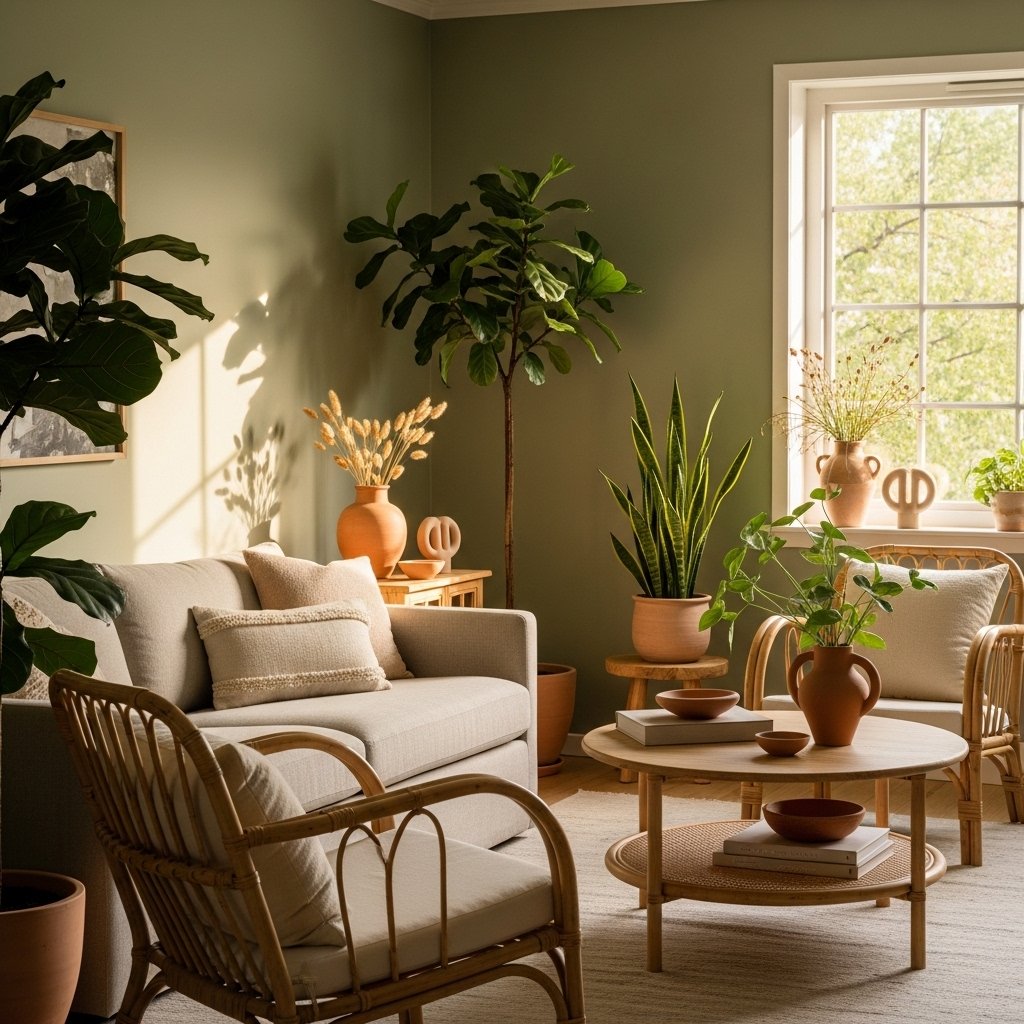
Dusty sage green, the color of olive leaves in afternoon sun, on living room walls creates an environment with the specific quality of calm that green-toned spaces have delivered in every era of interior design.
The dusty version of sage, with grey and white content that prevents it reading as a primary green, creates a wall color that is simultaneously muted and warm. It reads as a neutral in certain light and as a saturated color in others. This ambiguity is the source of its enduring appeal.
Against dusty sage walls, warm natural materials, timber, linen, terracotta, and jute, create a room that references nature without reproducing it. The room feels like being inside a garden shed that has been made extraordinarily beautiful.
5. Inky Navy: The Room That Commands the Night
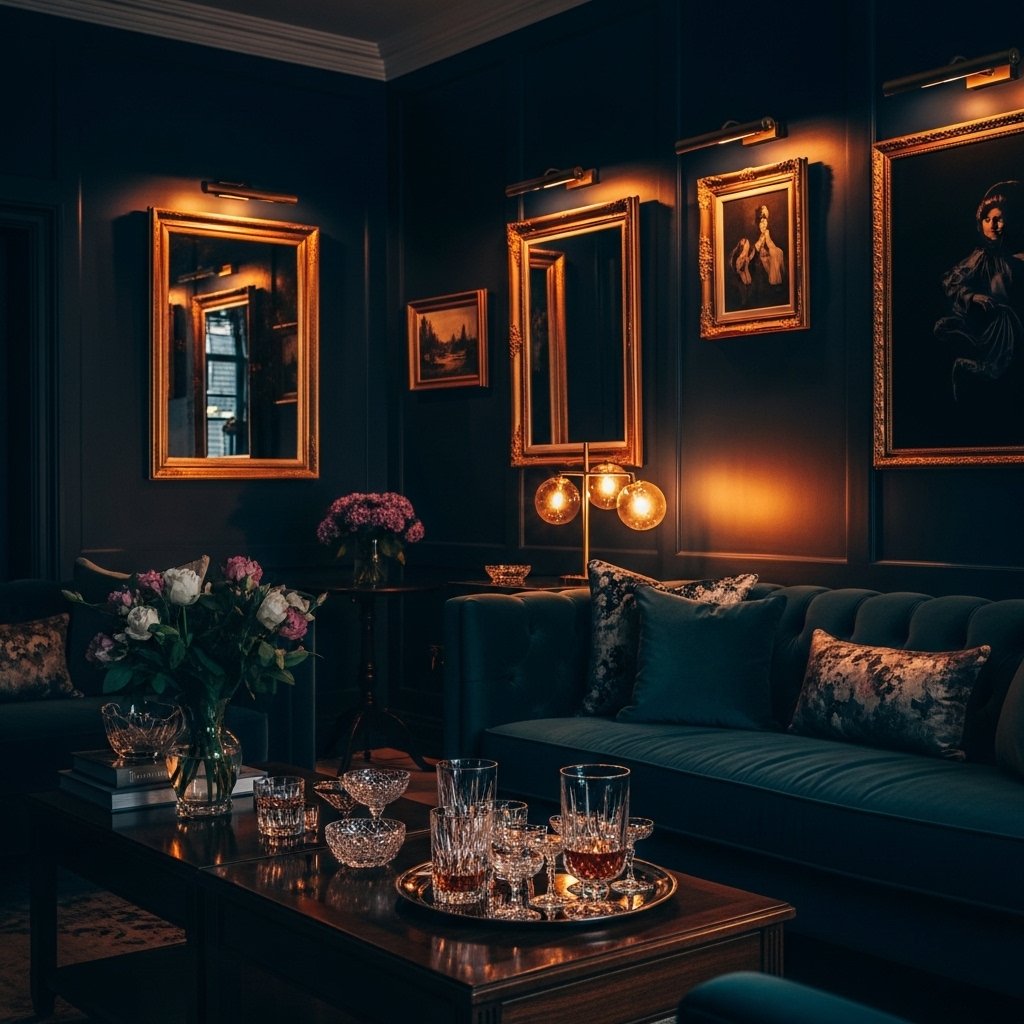
Deep inky navy on living room walls is the choice that makes the room perform best between 6pm and midnight. The specific quality of a navy room in the evening, lit by warm lamps and candles, is one that daylight photography cannot fully capture.
The blue deepens as the ambient light outside decreases. By 9pm in a well-lit room with navy walls, the quality of light in the room is extraordinary. The warm lamp light against the deep blue creates an atmosphere with a specific quality of intelligent comfort.
Navy is the most versatile of the deep blue tones. It works with warm brass, with cool silver, with warm timber, and with cool stone. It has fewer material incompatibilities than any other dark wall color.
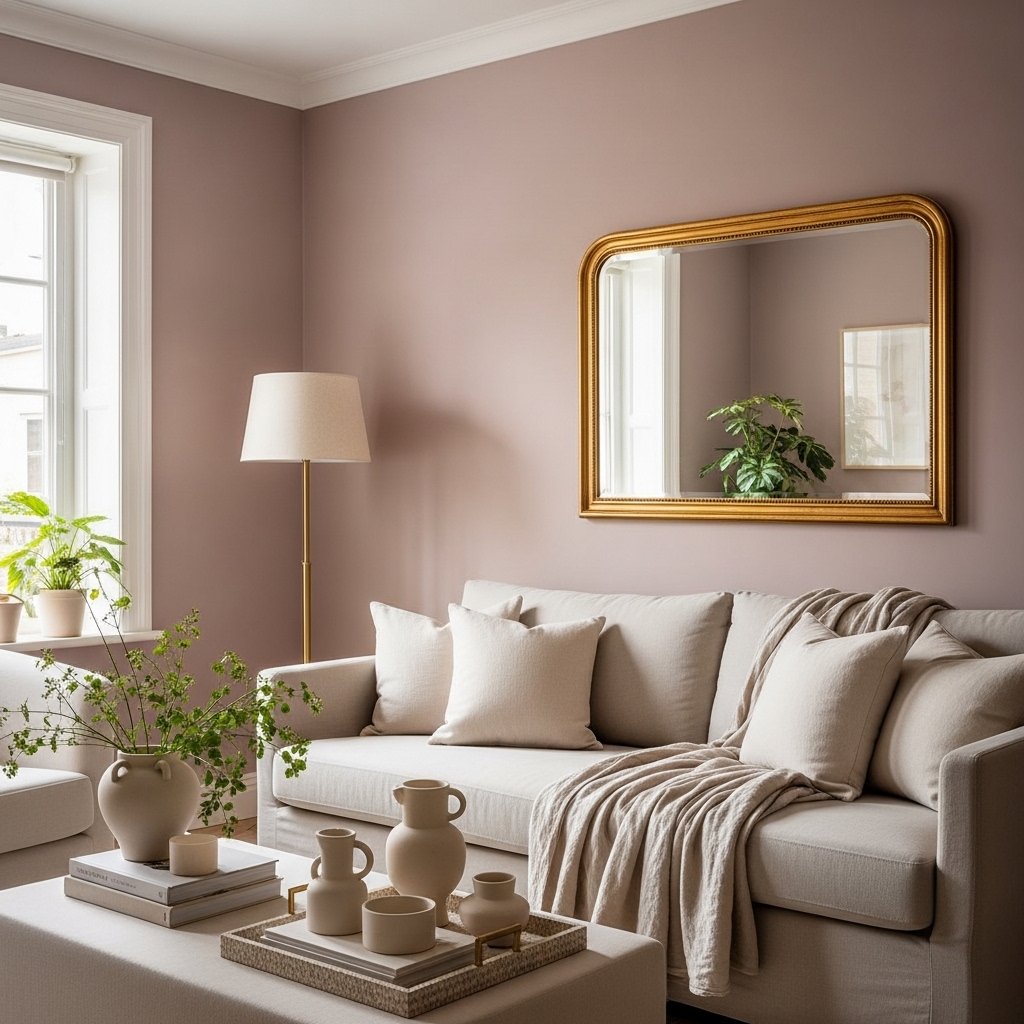
6. Warm Blush Pink: The Room That Flatters
Blush pink on living room walls in the correct tone, with sufficient grey and ochre content to prevent it reading as sweet, creates a room with the most flattering ambient light quality available in interior design.
The warm reflected light from blush pink walls is flattering to skin tones in a way that neutral walls are not. This matters in a social room used for entertaining. A room where people look their best is a room where they feel comfortable. The color is working at a psychological level that the people in the room may not consciously identify.
The sophisticated blush is never sweet. It is the color of aged rose petals, of natural gypsum, of faded fresco. It has history and complexity in its tone.
7. Deep Burgundy: The Room That Demands Presence
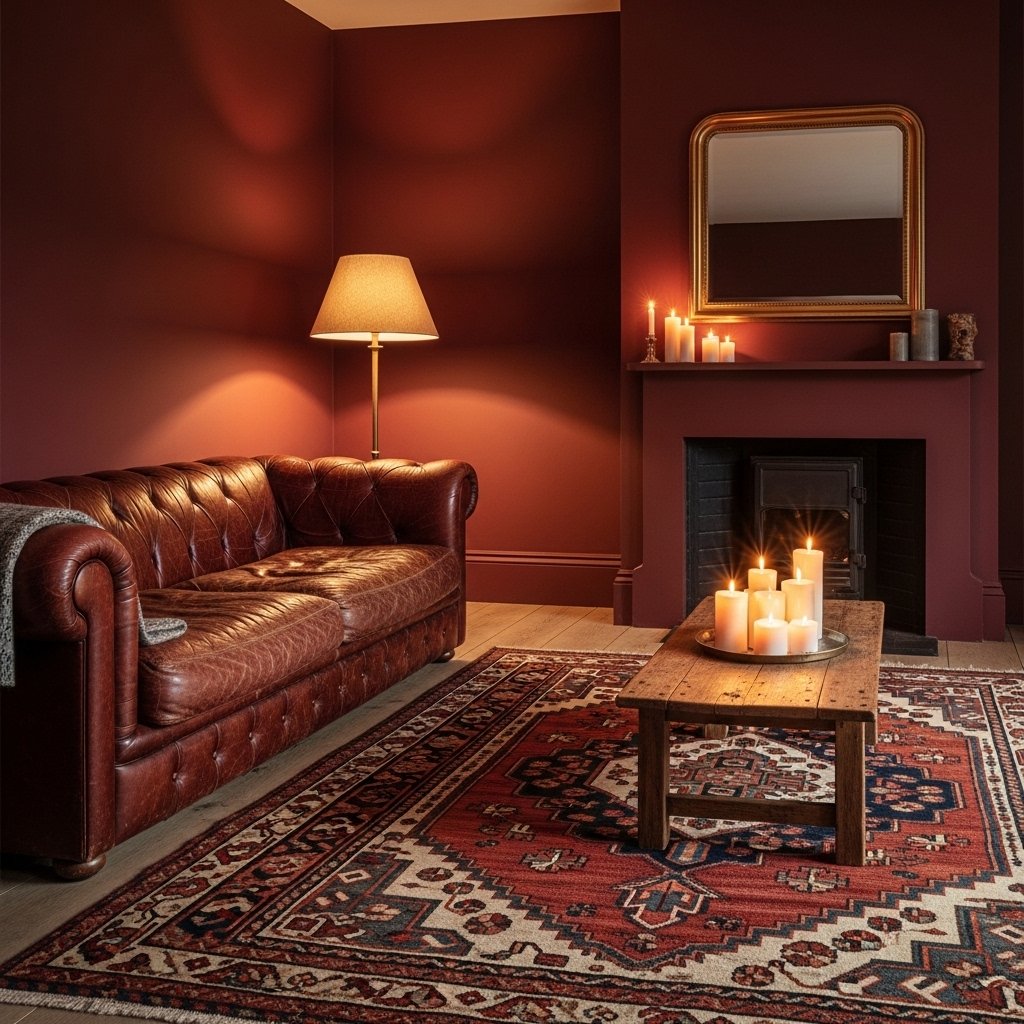
Deep burgundy, a red so dark it approaches brown in some lights and plum in others, is the living room color for people who understand that a room can have a personality as strong as a person’s.
A burgundy living room is not a room that fades into the background. It is a room that sets the terms of the experience. It is warm, saturated, and unapologetic about both qualities.
The specific burgundy that works is warm rather than cool. A cool burgundy approaches purple and creates a room with a different, more melancholic character. A warm burgundy with orange and brown content creates the deep warmth of wine, of old leather, of good conversation held for a long time.
8. Warm White With Maximum Texture
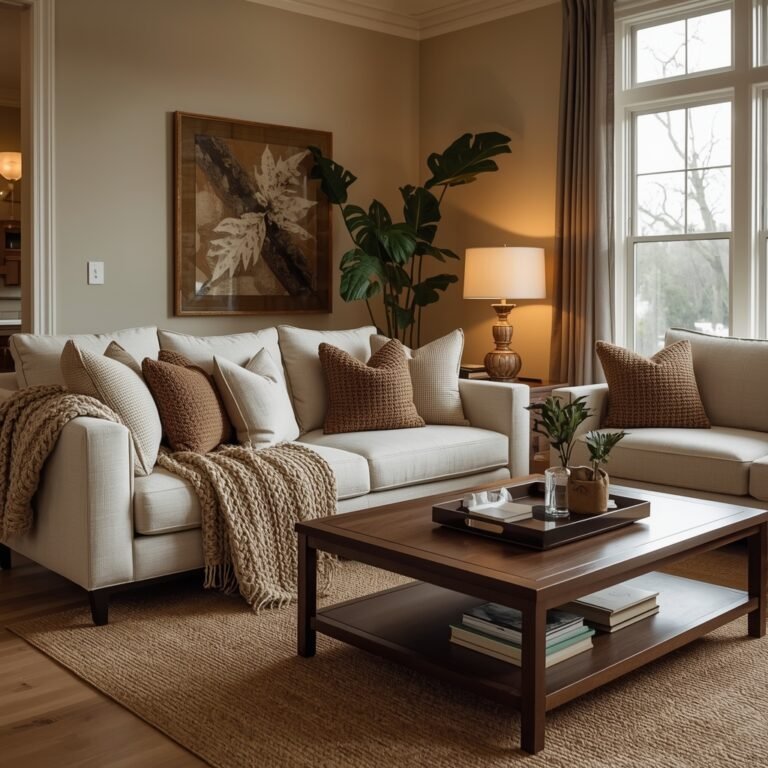
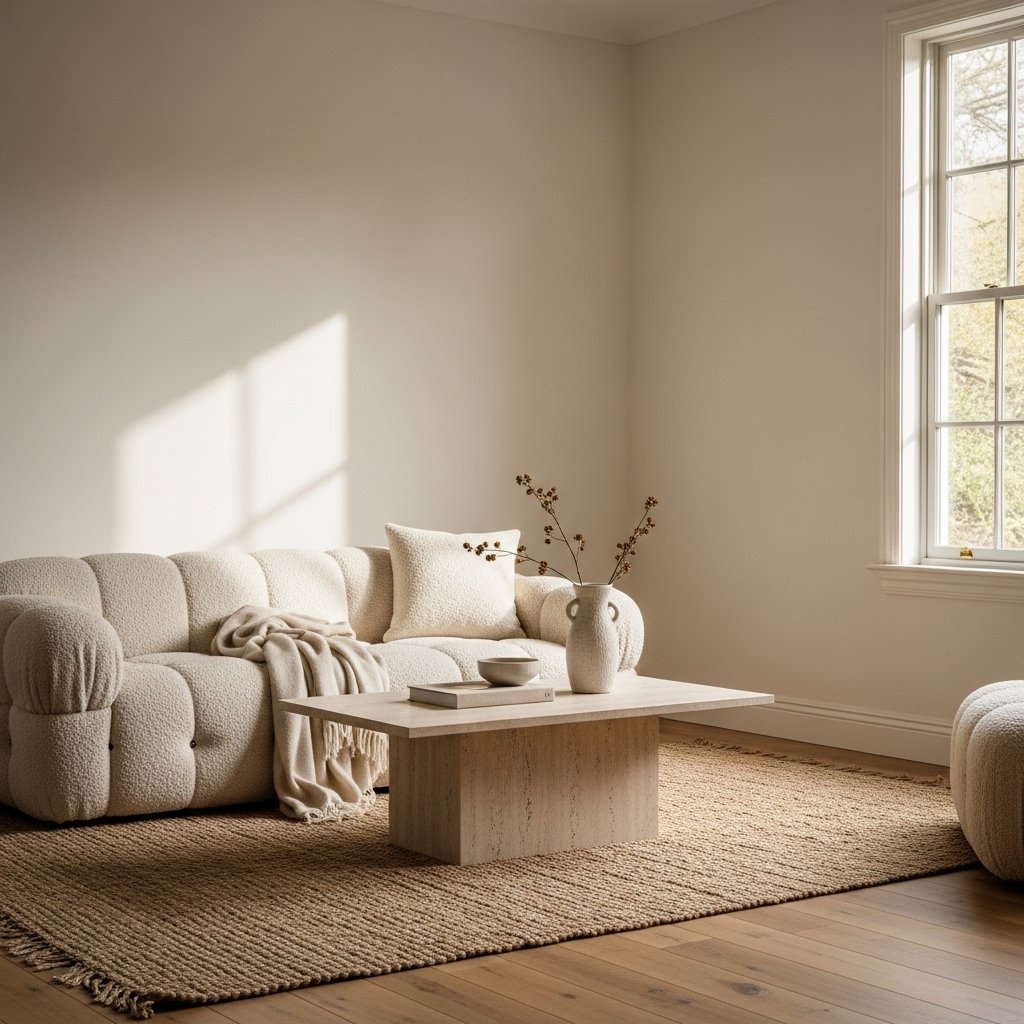
Warm white as a living room wall color is not the safe default when it is chosen with genuine understanding of what warm white is and what it does.
Warm white is not white. It is a white with sufficient yellow, pink, or grey undertone that it creates warmth rather than neutrality. In summer light it reads as white. In warm lamp light at evening it reads as ivory or cream. This shift is the quality that makes warm white work when cool white does not.
The room built around warm white walls places all of its visual interest in texture and material variation. Rough jute rug. Smooth stone coffee table. Soft linen sofa. Warm timber floor. The warm white wall makes every texture and every material quality more visible because there is no color competition.
9. Two-Tone: Dark Below, Light Above
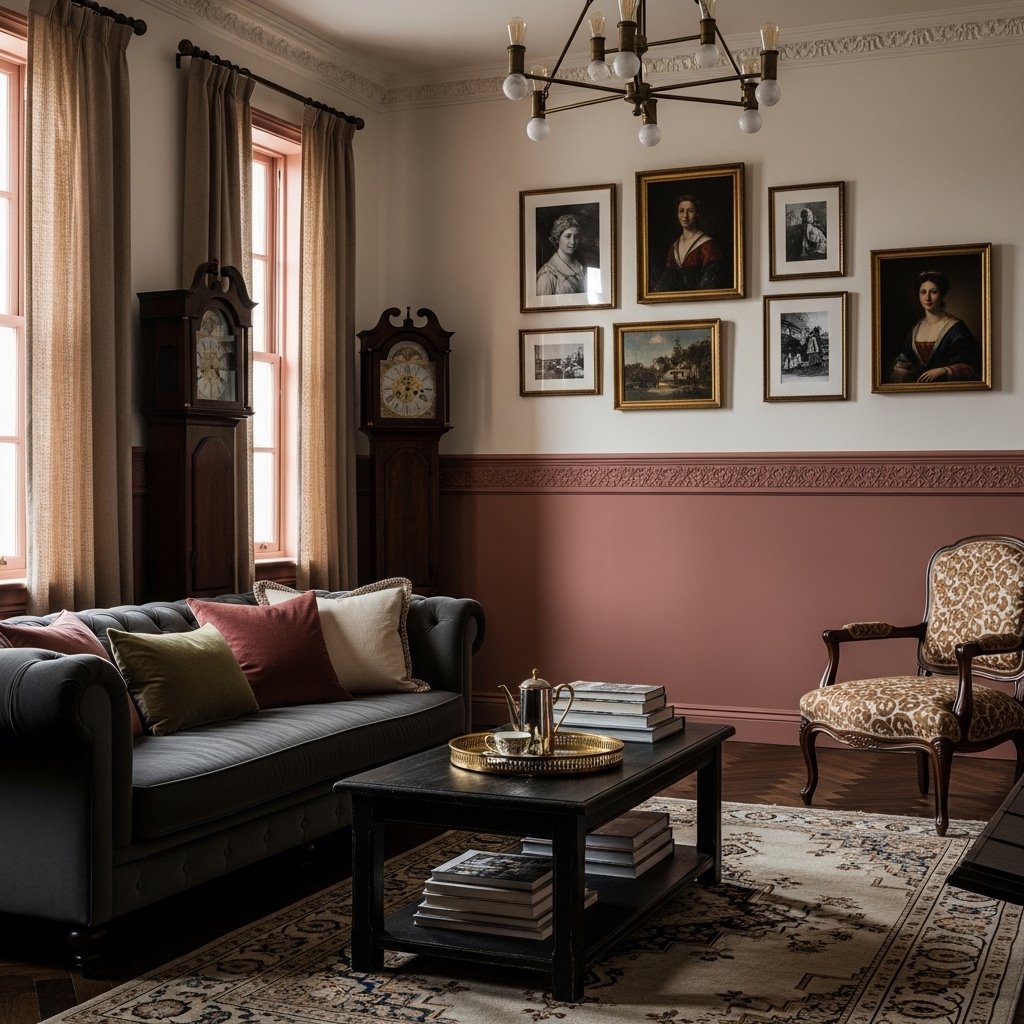
A living room with a deep dark tone on the lower two-thirds of the walls and a light or white tone on the upper third and ceiling creates a color scheme with architectural sophistication that single-tone rooms rarely achieve.
The dark lower zone creates a visual ground for all the furniture and objects in the room. The light upper zone and ceiling lift the room’s overhead plane and prevent the dark from becoming heavy.
The transition between the two tones can be made at a picture rail, a chair rail, or a simple painted line. A picture rail at the correct height creates a classical architectural reference that grounds the treatment in tradition.
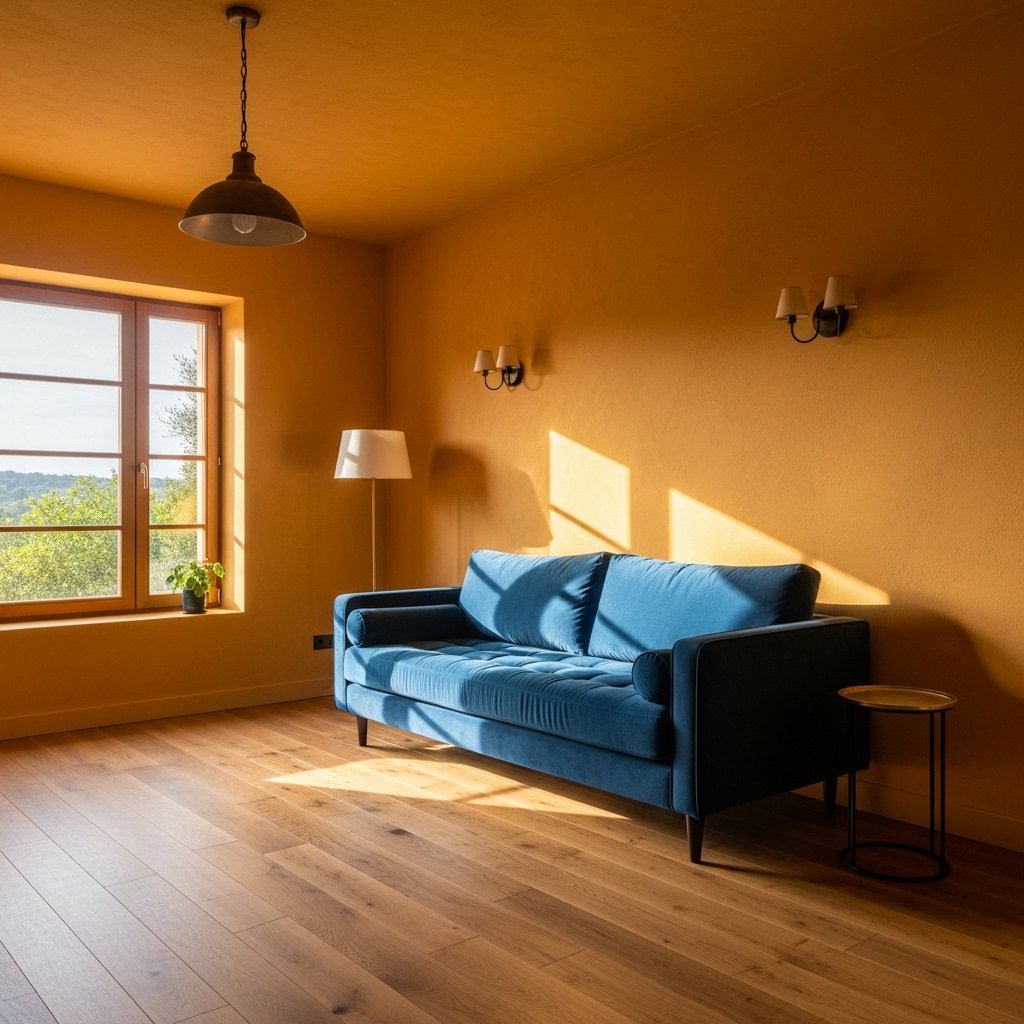
10. Warm Ochre Yellow: The Room That Captures Sunlight
Warm ochre yellow on living room walls creates a room that appears sun-filled regardless of the actual orientation or the time of day. The yellow reflects warmth that mimics sunlight in a room that may receive very little of it directly.
The correct ochre is complex: not bright yellow, not mustard, but the warm, slightly earthy tone of dried wheat or aged fresco pigment. It has brown and orange content that prevents the brightness of yellow from becoming energetic or aggressive.
In a north-facing room that receives cool, flat light, warm ochre walls create an entirely different atmosphere from the flat grey light that the room would otherwise have. The warmth the color contributes is not cosmetic. It changes the quality of being in the room.
11. Limewash Plaster: Color and Texture Simultaneously
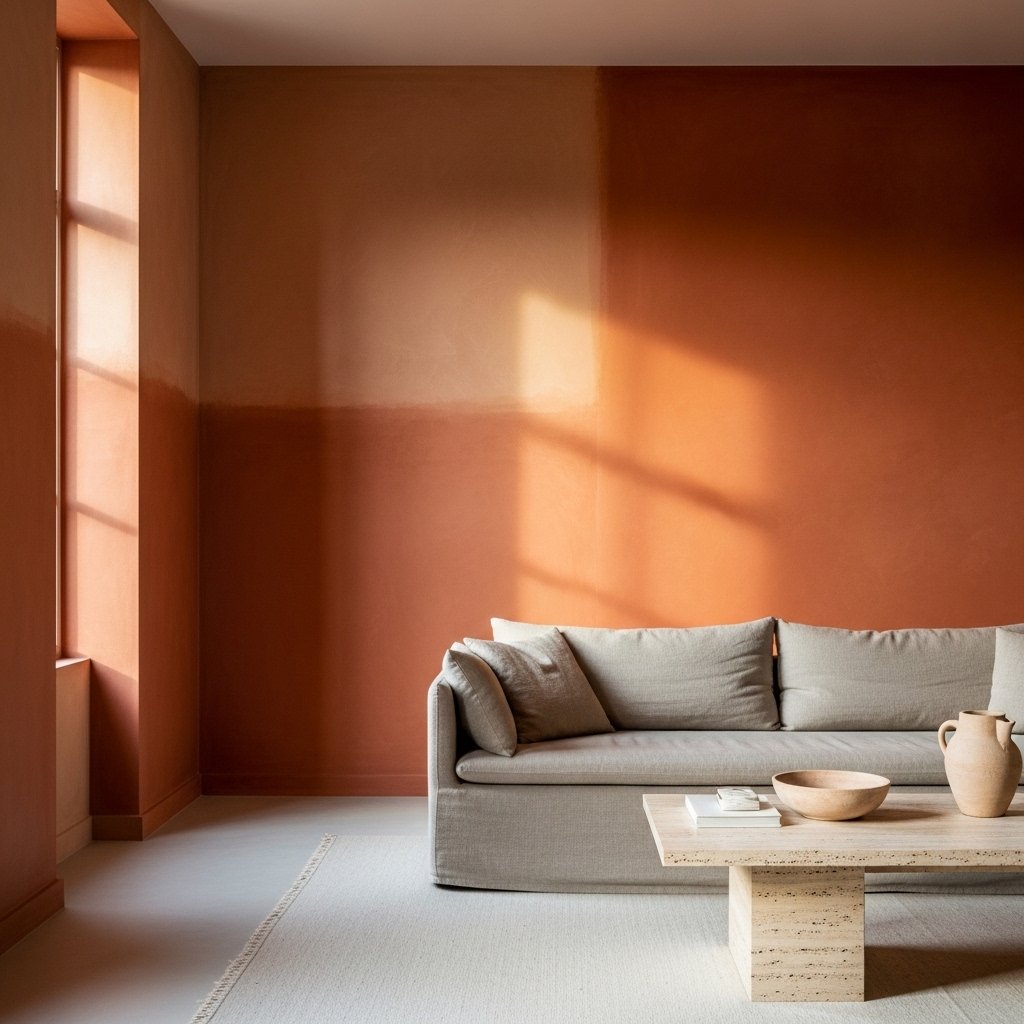
Limewash paint applied to living room walls creates a surface that provides both color and texture simultaneously. It is not a painted wall that happens to have texture. It is a material treatment that creates a surface with the depth and variation of genuine mineral application.
The color quality of limewash is its specific superiority over standard paint: it appears different at different times of day, in different light, and from different angles. A room with limewash walls in terracotta appears to change color across the day as the light source angle changes. The room is never the same twice.
This living quality of the wall surface creates an interior that rewards sustained attention in a way that flat painted walls never do.
12. Monochromatic Color in Every Tone
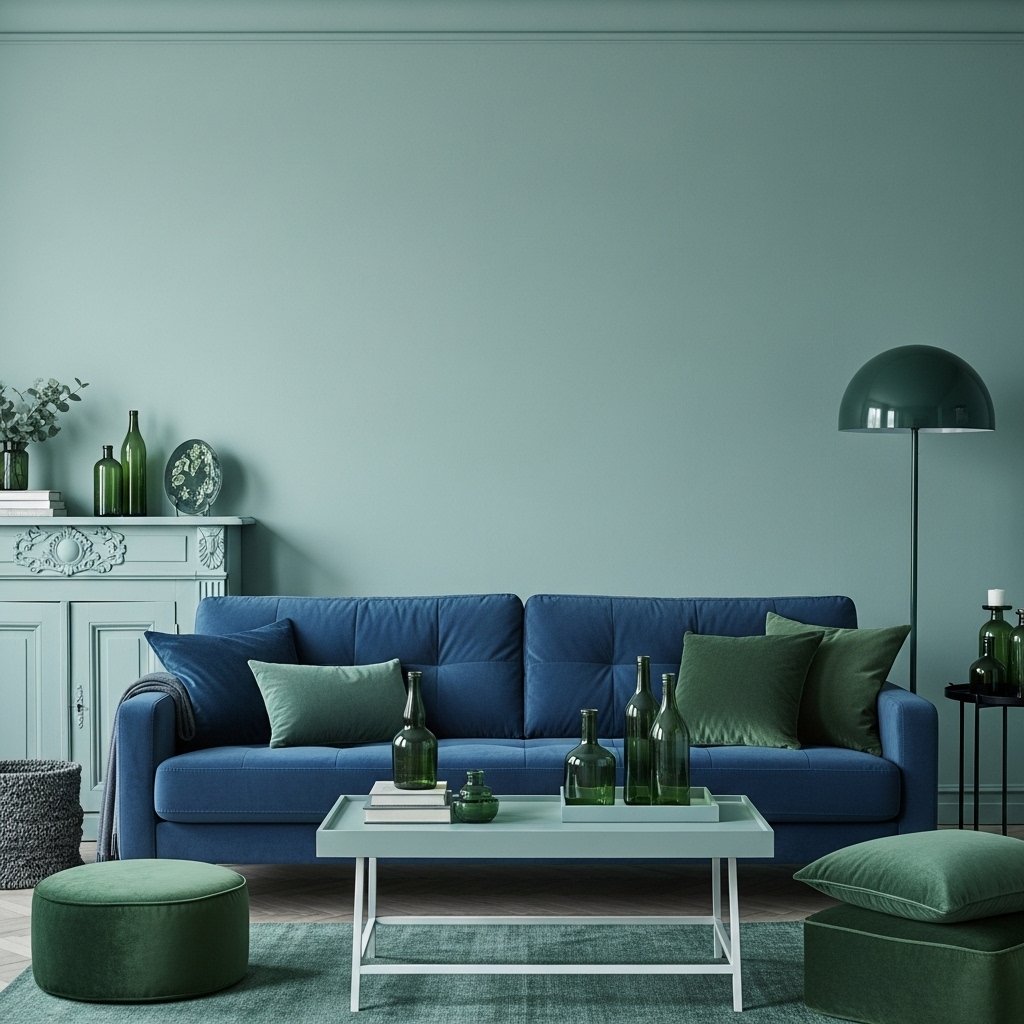
A monochromatic living room built from every tone of a single color, from its palest near-white version through its mid-tone version to its deepest version, creates visual richness within a single color family that no multi-color scheme achieves.
All green: pale sage on the ceiling, mid sage on the walls, deep forest green on the sofa, emerald on cushions, bottle green on accessories. The room is entirely green and the effect is not monotonous because the tonal range provides as much variation as multiple colors would while maintaining the cohesion that only a single color family can produce.
The monochromatic room requires discipline: every element chosen must belong to the same color family. One warm neutral intruded as a supposed grounding element breaks the composition.
13. Color Drenching: Walls, Ceiling, Trim, and Furniture
Color drenching, the technique of applying a single color to walls, ceiling, trim, skirting boards, door frames, and all architectural elements simultaneously, creates the most immersive single-color experience available in interior design.
The specific quality of color drenching is the dissolution of the room’s architectural elements into a single color field. The cornice disappears into the ceiling at the same color. The skirting board disappears into the floor at the same color. The room becomes a colored volume rather than a space defined by distinct architectural elements.
In a warm charcoal, deep forest green, or rich dusty rose, a color-drenched living room is one of the most sophisticated and most committed design decisions available. It requires no art, no pattern, and no material contrast to be complete. The color and the space are sufficient.