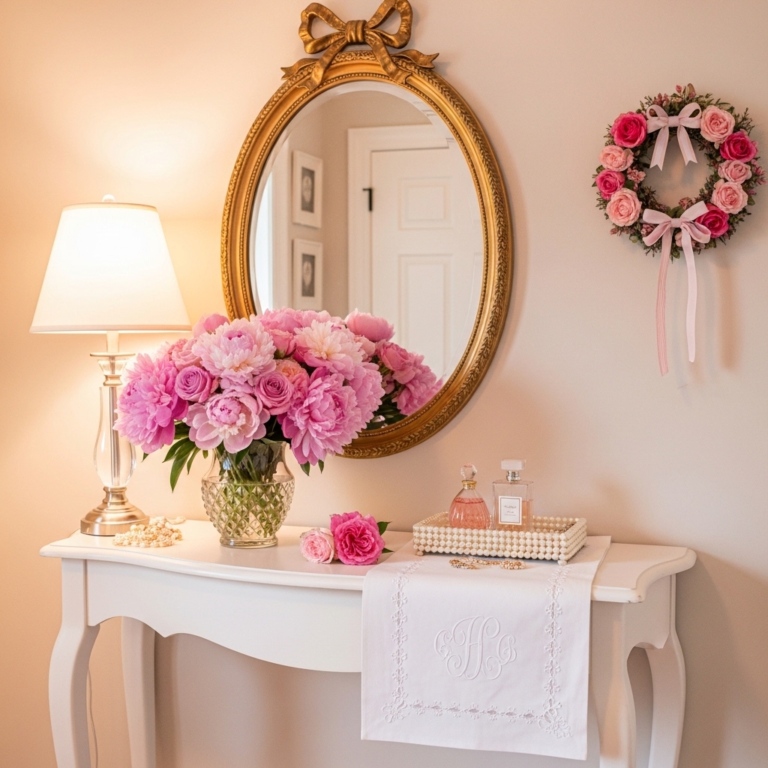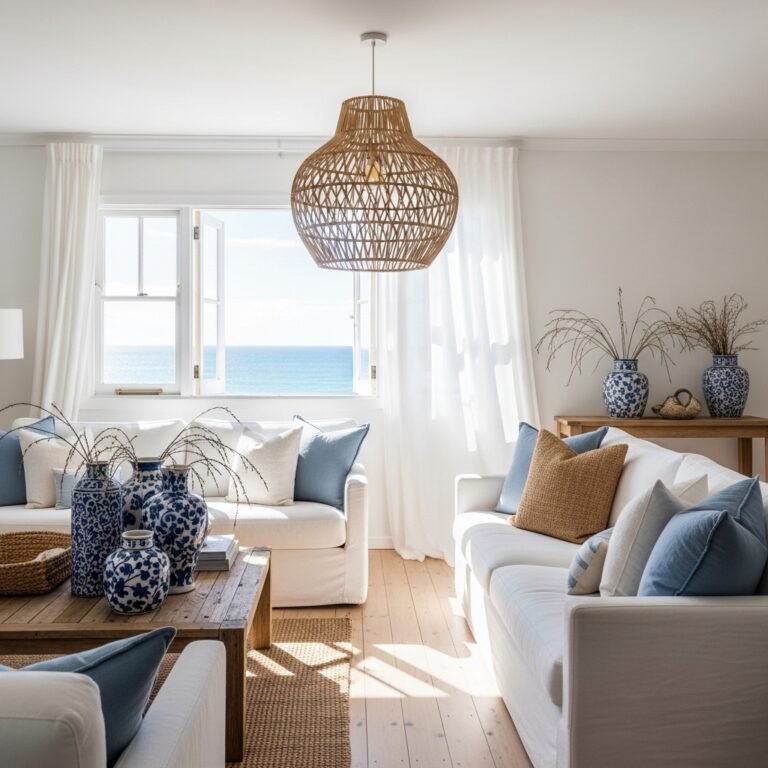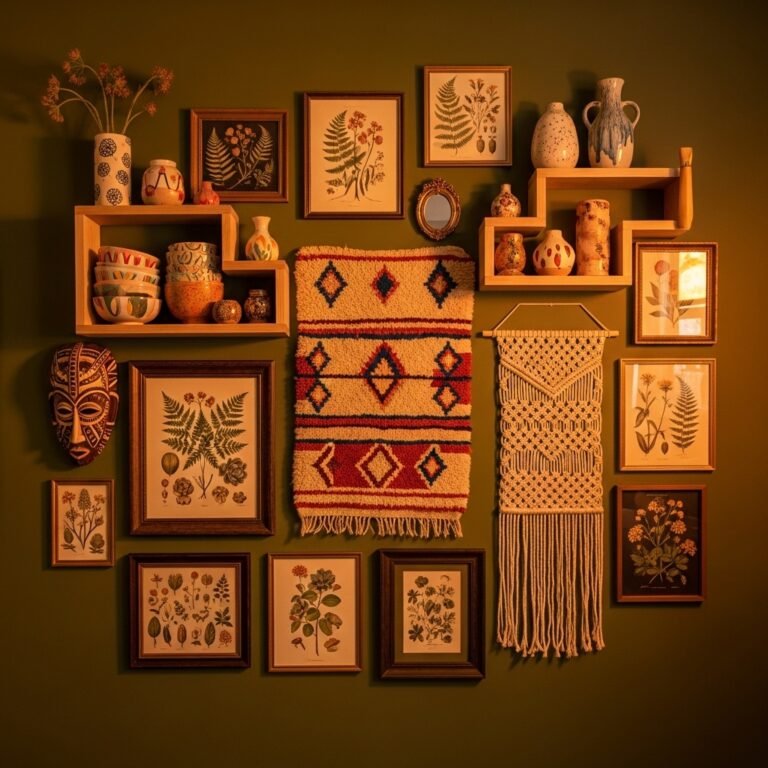
15 Small Entryway Ideas That Make a Powerful First Impression in Almost No Space
The entryway is the first thing you see when you come home and the last thing guests encounter before they decide what they think of your space.
And most small entryways are getting that moment completely wrong.
Not because of the size — small entryways can be beautifully done. But because most people treat them as a dumping ground. Shoes piled by the door. Coats on a random hook. Keys somewhere on a surface that also holds mail, dog leashes, and whatever got dropped on the way in.
The result is a space that feels chaotic before you’ve even stepped fully inside.
A well-designed small entryway does three things at once: it organizes the daily chaos, it sets the visual tone for the rest of the home, and it makes coming home feel genuinely good. All of that is achievable regardless of how narrow, dark, or small the space actually is.
These 15 ideas prove it.
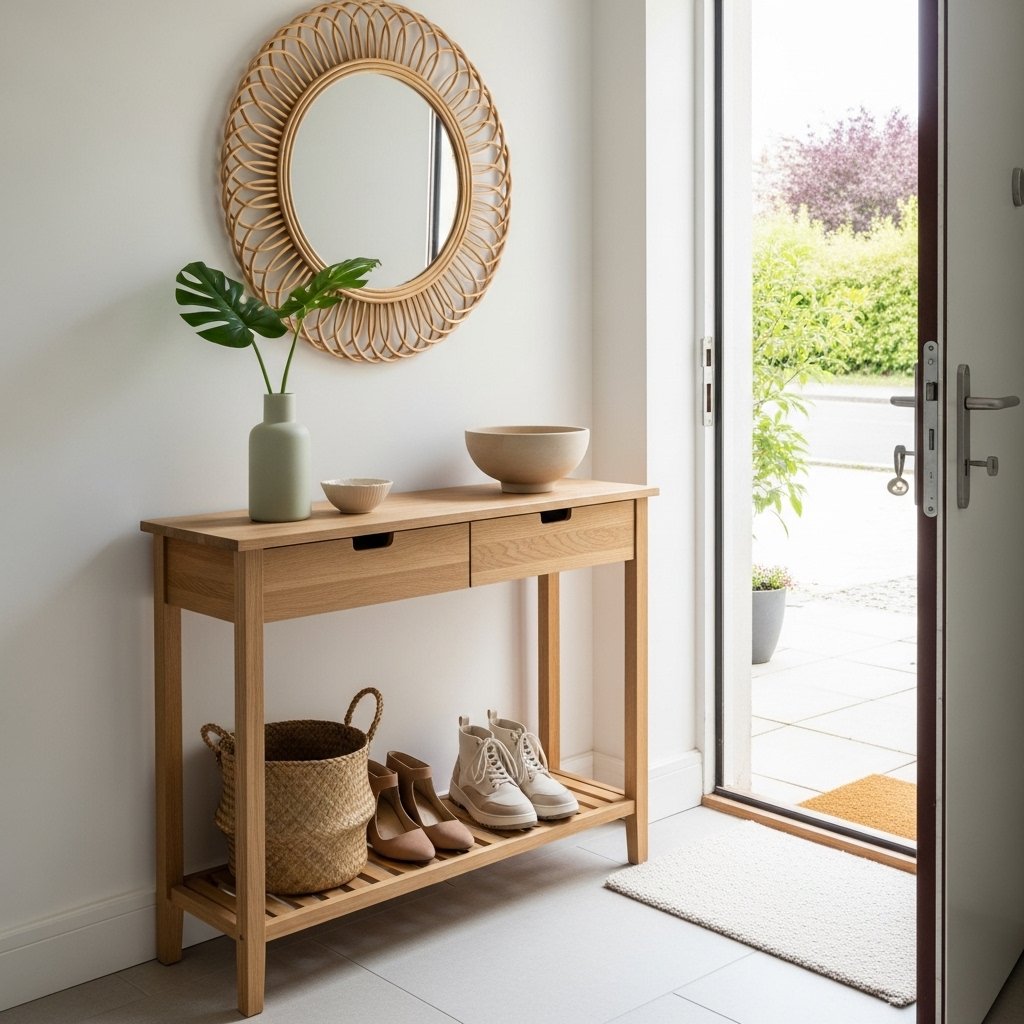
1. A Slim Console Table With Storage
A console table is the foundational piece of a properly functioning entryway, and in small spaces, slim is the operative word.
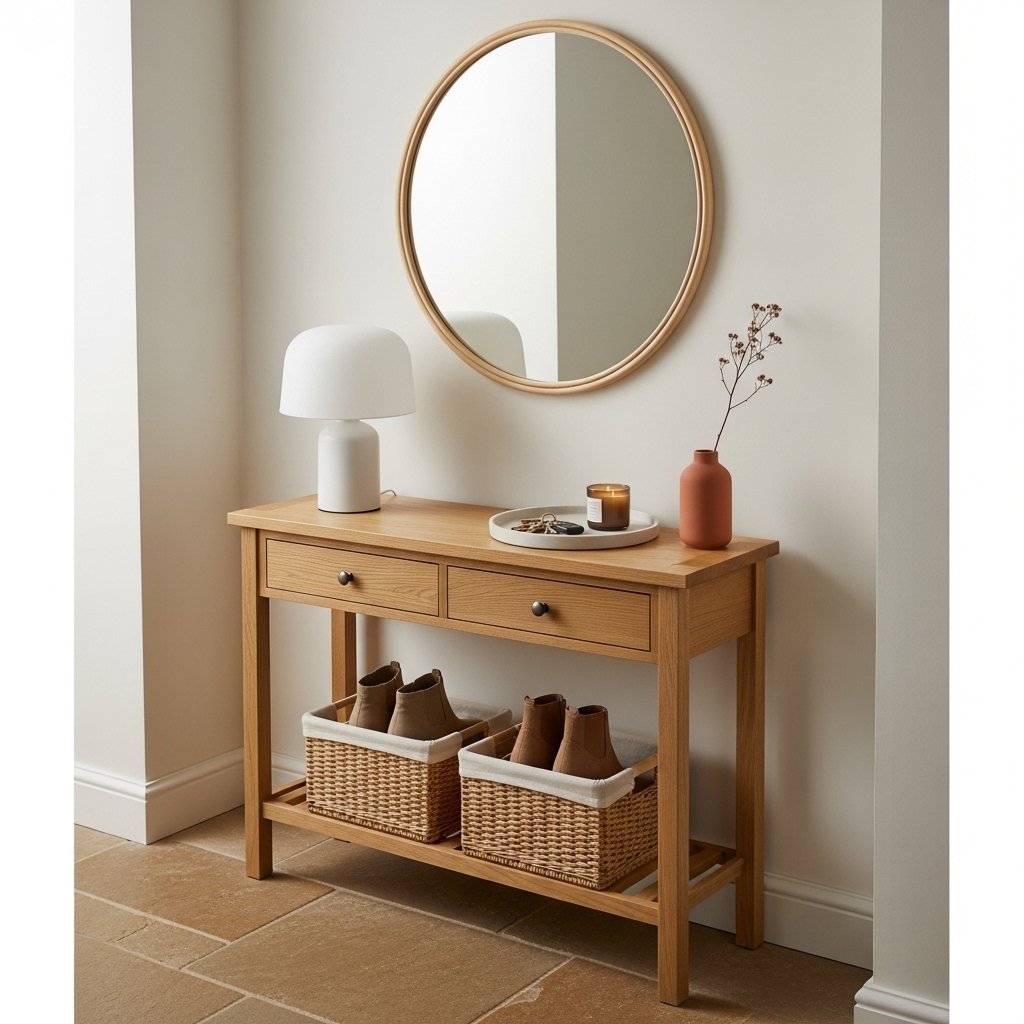
A console depth of 10 to 14 inches sits comfortably against a wall without eating into walking space. Choose one with a shelf beneath for baskets or shoe storage, and style the surface with a small lamp, a tray for keys, and one simple decorative object.
It immediately organizes the space and creates a defined moment at the entry.
Why This Works A console table gives the entryway a clear purpose and prevents the surface chaos that makes small entries feel overwhelming.
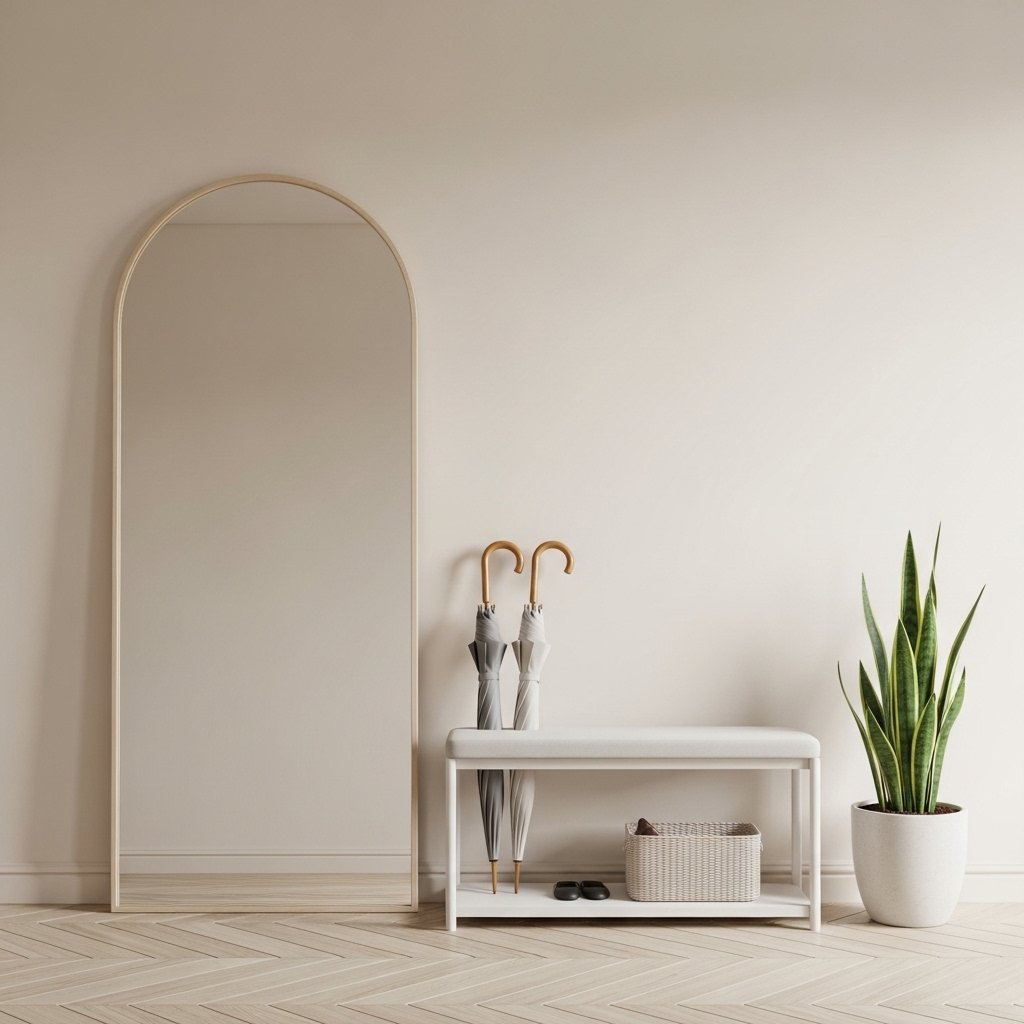
2. A Large Mirror to Open Up the Space
A large mirror in a small entryway is one of those design moves that is almost impossible to do wrong.
It amplifies whatever light the space has, creates the illusion of depth and width, and is genuinely functional for a last-look before leaving the house. In a narrow entry especially, a mirror that spans most of the wall makes the space feel at least twice its actual width.
Lean it against the wall for a casual, editorial look or mount it flush for something more architectural.
Designer Tip A mirror placed directly opposite a window — even a distant one — will reflect outdoor light throughout the day.
3. Hooks That Double as Wall Decor
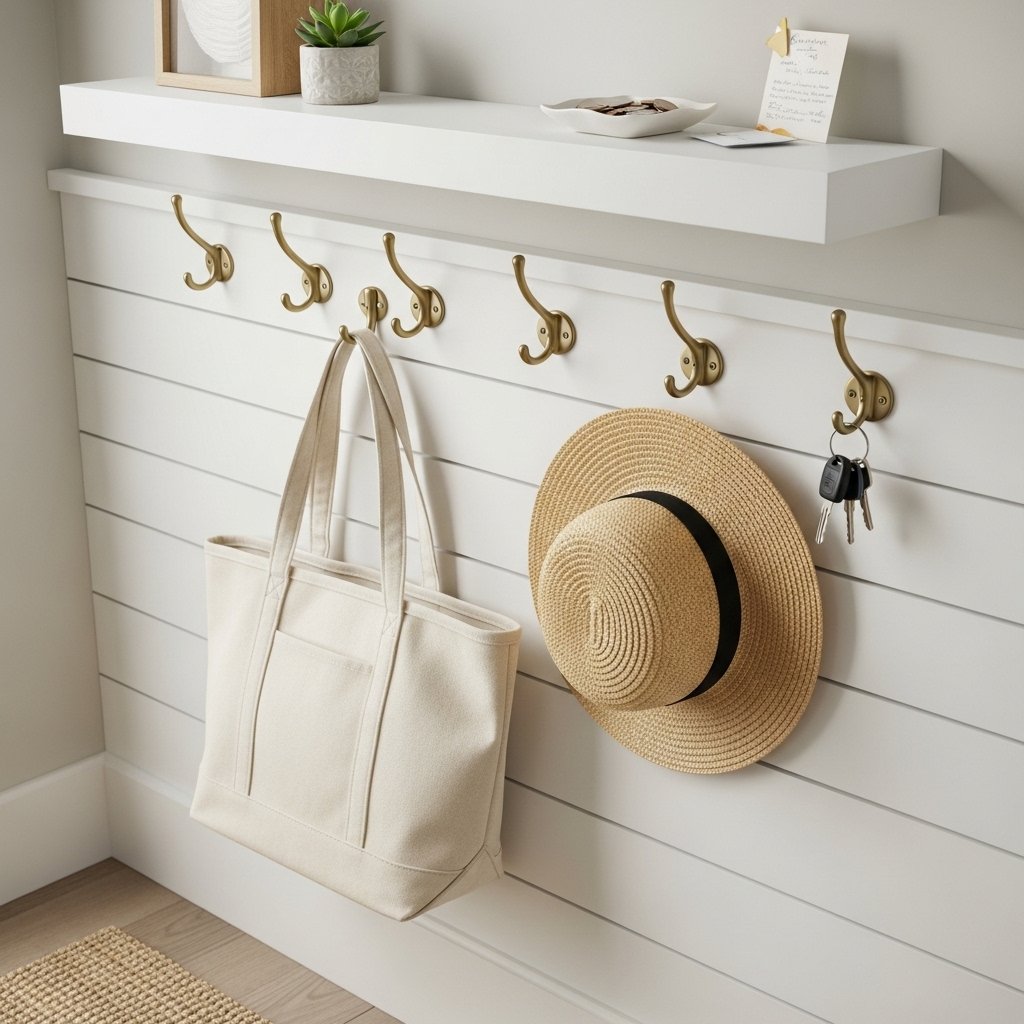
A row of hooks is a small entryway non-negotiable — but there’s no reason they have to look purely utilitarian.
Decorative hooks in brushed brass, matte black, or hand-cast ceramic look intentional and beautiful when mounted at even spacing on a painted wall or a small section of shiplap. Add a narrow ledge above for keys and mail, and the whole assembly becomes a considered design moment rather than an afterthought.
Choose hooks with enough projection from the wall to hold bags as well as coats.
Why This Works Hooks that look beautiful make you want to use them properly, which is the entire point of good entryway organization.
4. A Bench With Hidden Storage Beneath
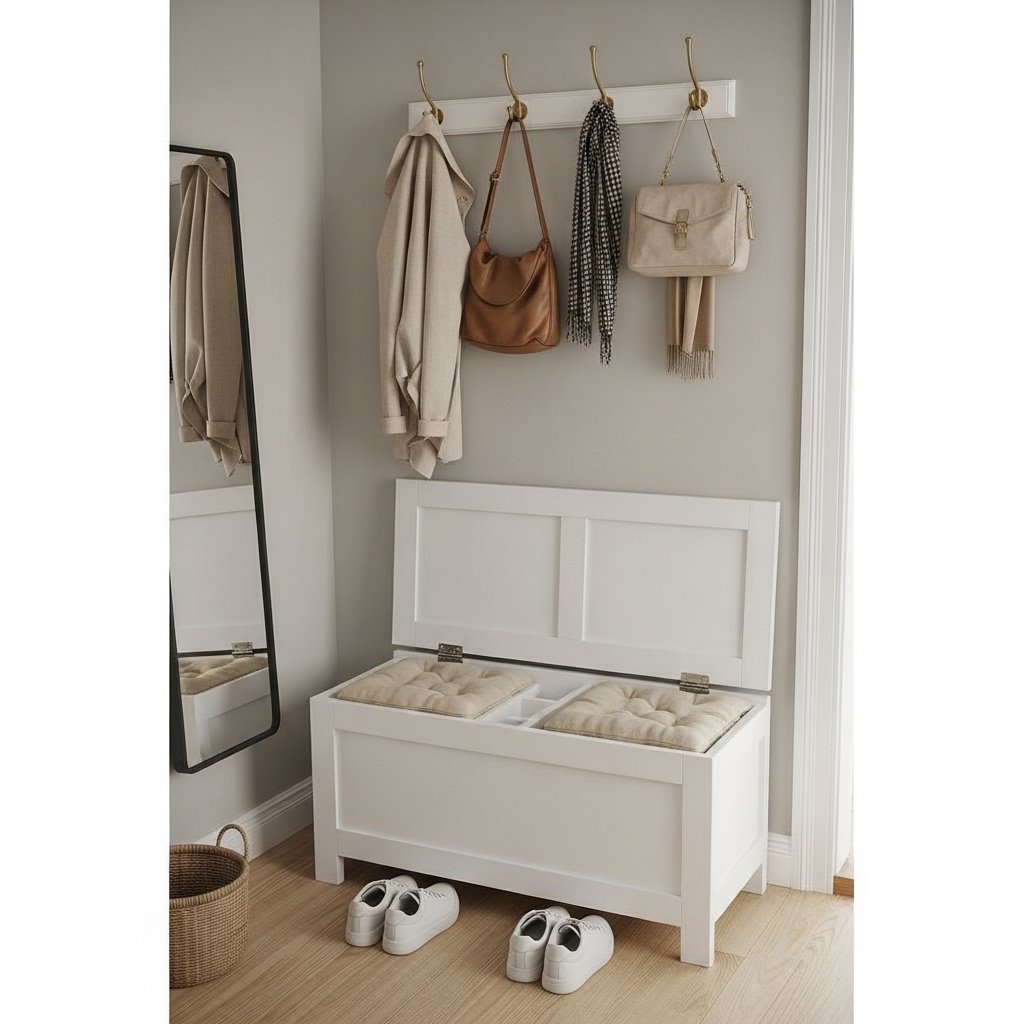
A small bench at the entry serves multiple purposes simultaneously — somewhere to sit while removing shoes, a surface for bags, and if chosen well, concealed storage beneath.
Benches with lift-up seats or built-in cubbies below hold an enormous amount without adding visual weight to the space. Upholster the seat in a durable fabric — leather, faux leather, or a tightly woven cotton — that handles daily use without showing wear.
Even in the narrowest entry, a 24-inch bench makes the space dramatically more functional.
Cozy Factor A bench that invites you to sit down for a moment transforms the entryway from a pass-through into a genuine room.
5. A Statement Wallpaper on the Entry Wall
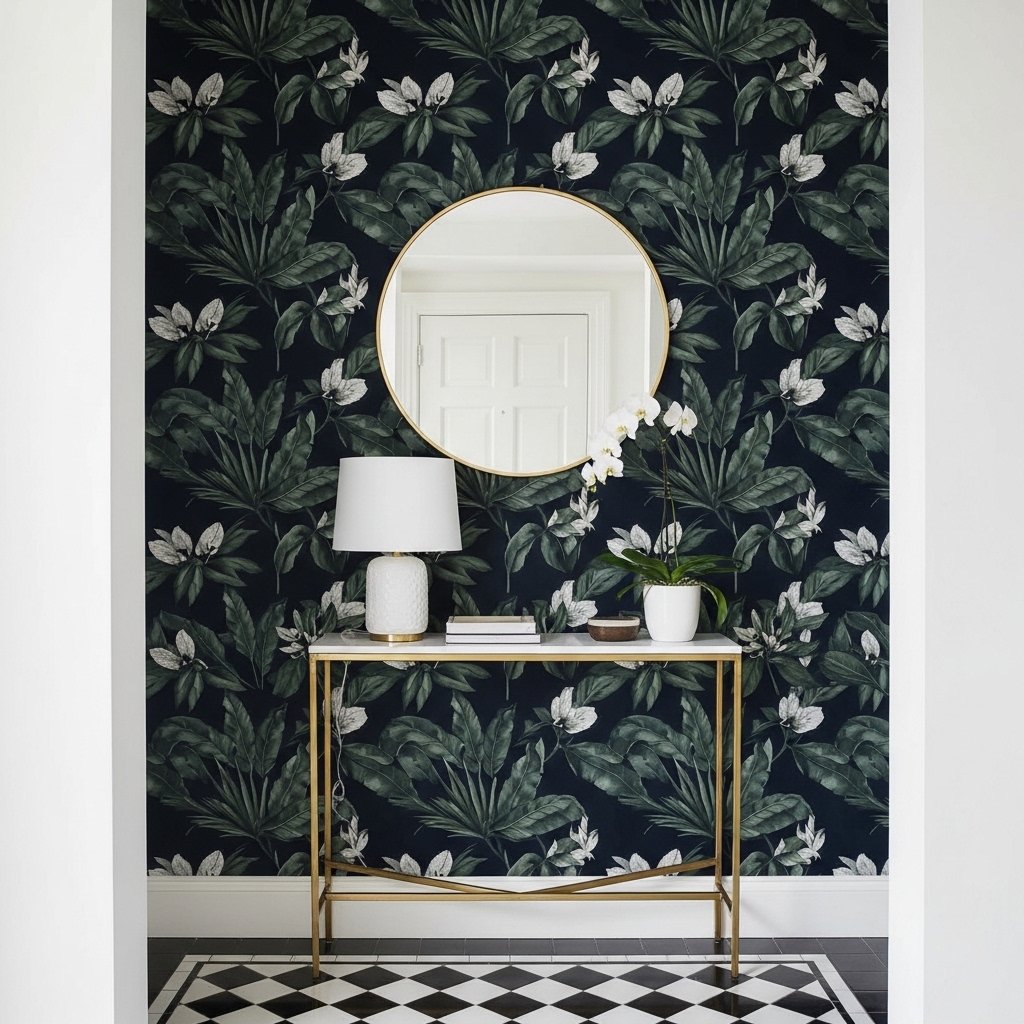
A small entryway is actually the perfect place for a bold wallpaper precisely because it’s small.
The limited square footage means a daring pattern isn’t overwhelming — it’s thrilling. A rich floral, a graphic geometric, a classic stripe, or an abstract design creates immediate visual personality and sets the tone for everything beyond. Guests get a first impression of a home with a genuine point of view.
It’s one of those low-commitment ways to try something genuinely bold since it’s just one small wall.
Watch Out For Choose wallpapers that work in lower light conditions since entryways often lack natural light.
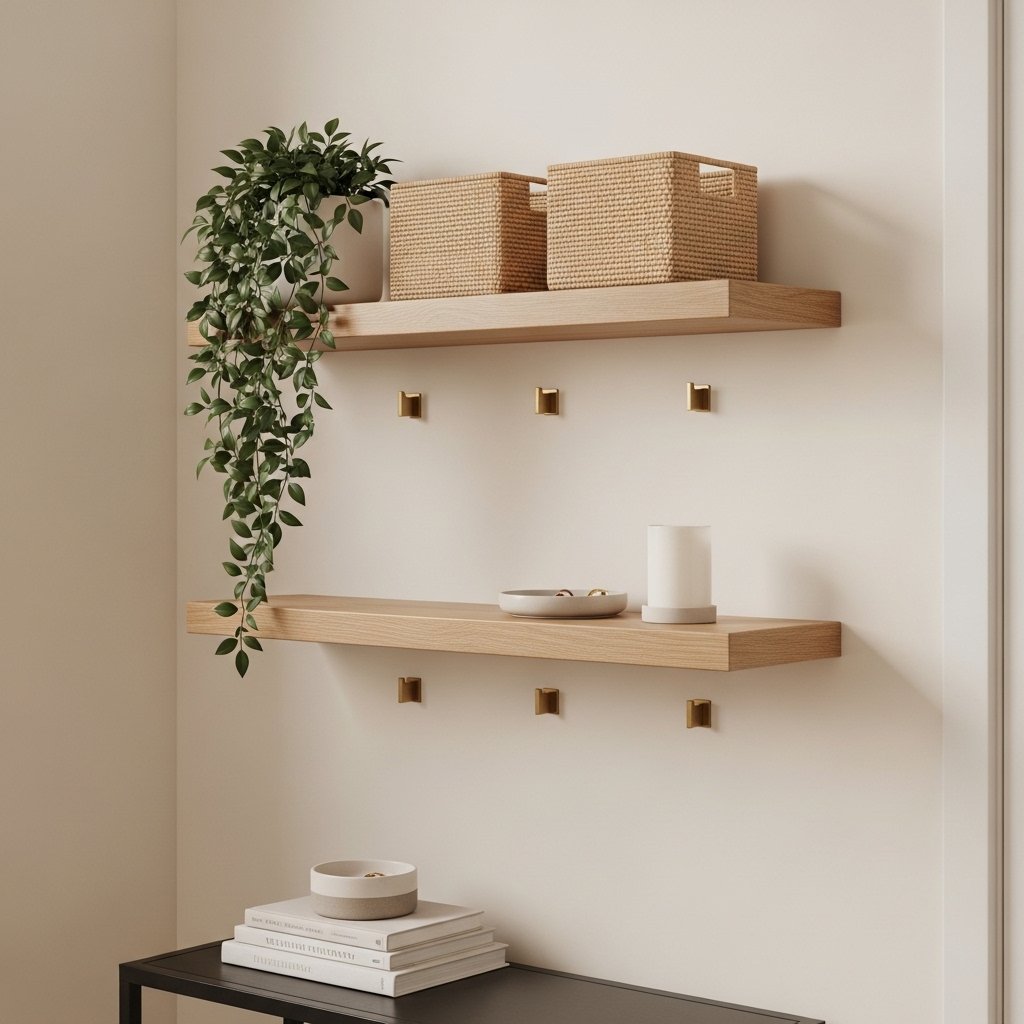
6. Floating Shelves for Vertical Storage
When floor space is minimal, the walls become the storage opportunity.
A pair of floating shelves mounted at varying heights above a console or bench give you additional storage and display space without using any floor area. Use them for baskets, small plants, framed photos, and daily-use items like sunscreen and hand sanitizer.
Mount them in a simple staggered pattern — two close together, one offset — for a more dynamic look.
Designer Tip Consistent basket sizes on floating shelves create visual order that makes even densely packed shelving look intentional.
7. A Small Rug That Sets the Tone
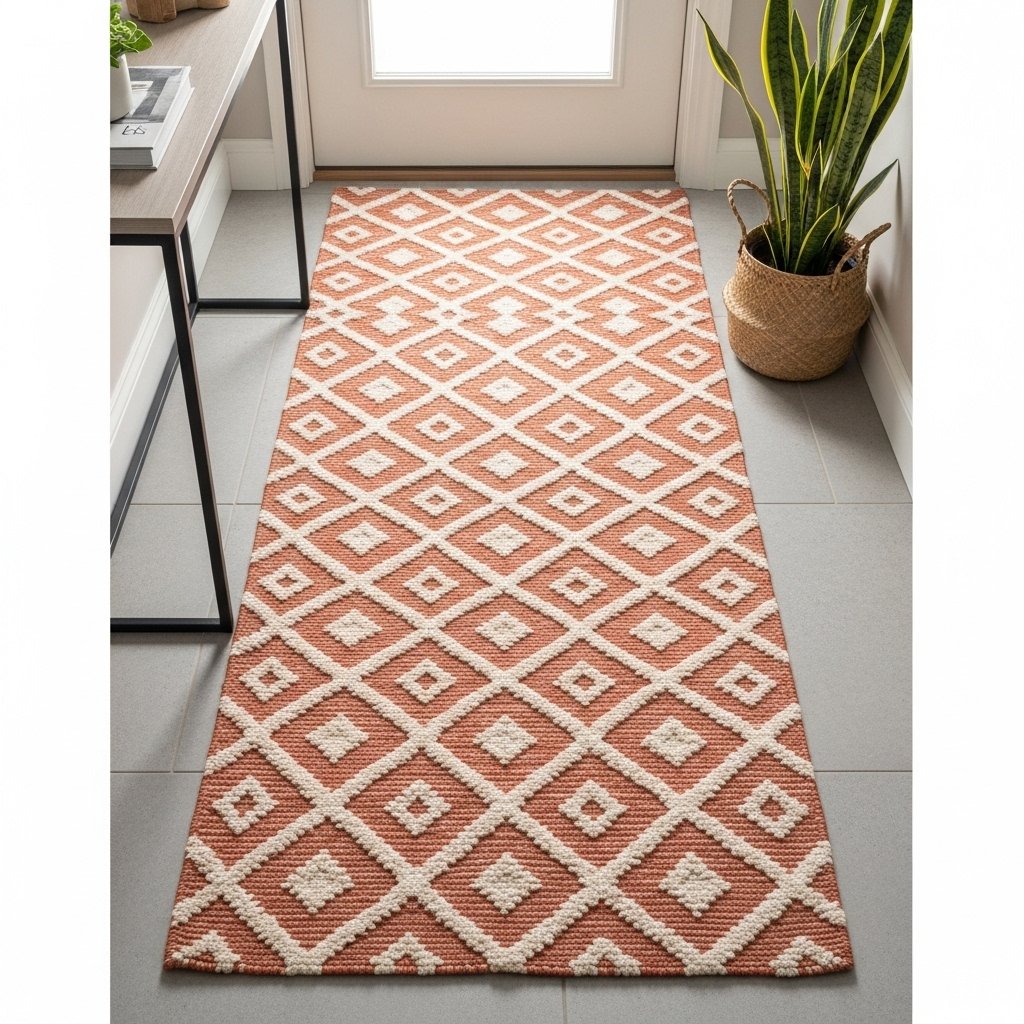
An entry rug is one of the most underestimated styling elements in a small entryway.
It defines the space visually, adds warmth and texture underfoot, and sets the aesthetic tone for the rest of the home before a single other piece of decor is noticed. Choose a rug with enough personality to make a statement — a vintage-style pattern, a bold stripe, or a textured natural fiber.
Size up rather than down. A too-small rug in an entryway looks like it was placed by accident.
Why This Works A rug grounds the entry as a defined space rather than a shapeless pass-through zone.
8. Sconce Lighting Instead of Overhead Only
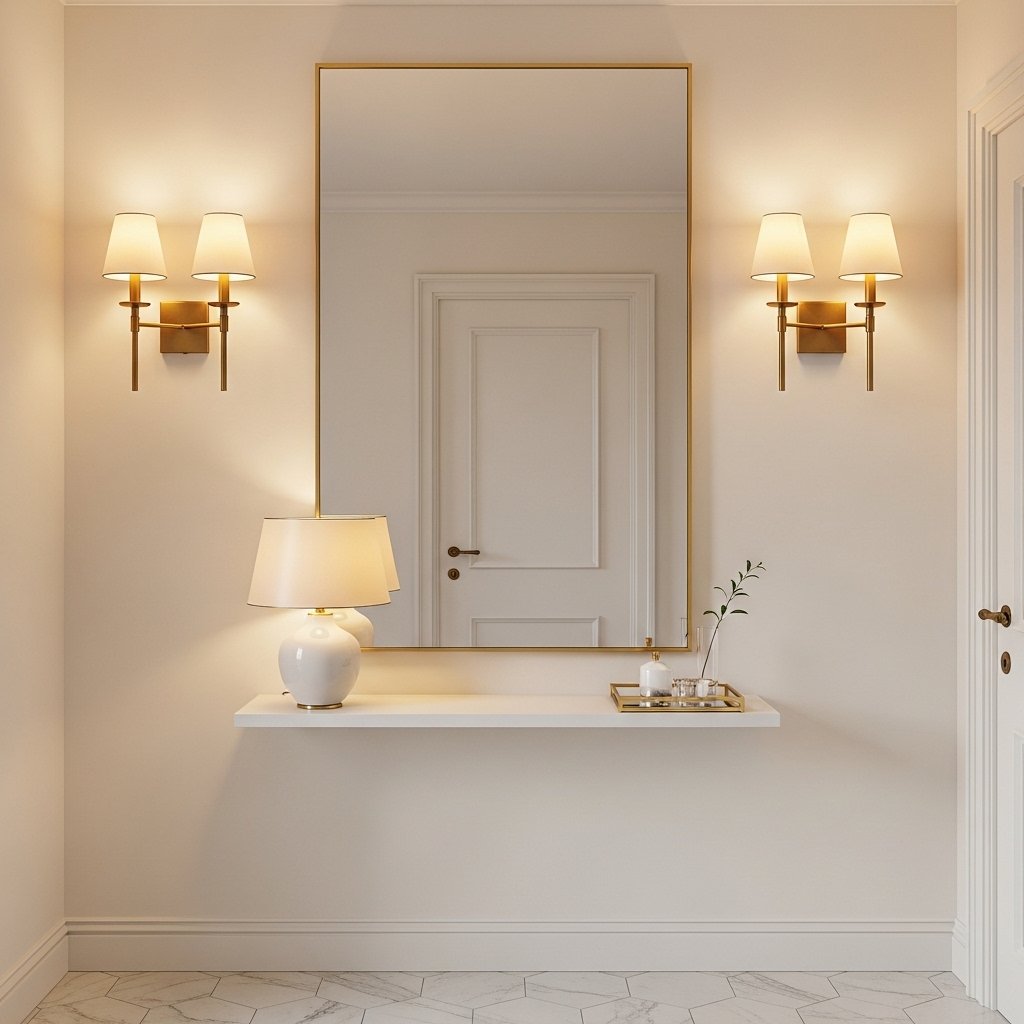
Most small entryways have exactly one overhead light — and it’s usually not enough, not in the right place, and not flattering.
Adding a wall sconce — or a pair flanking a mirror — on either side creates a much warmer and more welcoming quality of light. It’s also visually layered in a way that a single overhead can never be. Plug-in sconces with exposed cord in a brushed finish are a renter-friendly option that still looks genuinely designed.
Warm-toned bulbs in sconces make every entryway feel more welcoming at every hour.
Why This Works Layered lighting creates warmth and dimension that a single overhead fixture simply cannot deliver.
9. A Tray for Keys, Mail, and the Daily Drop Zone
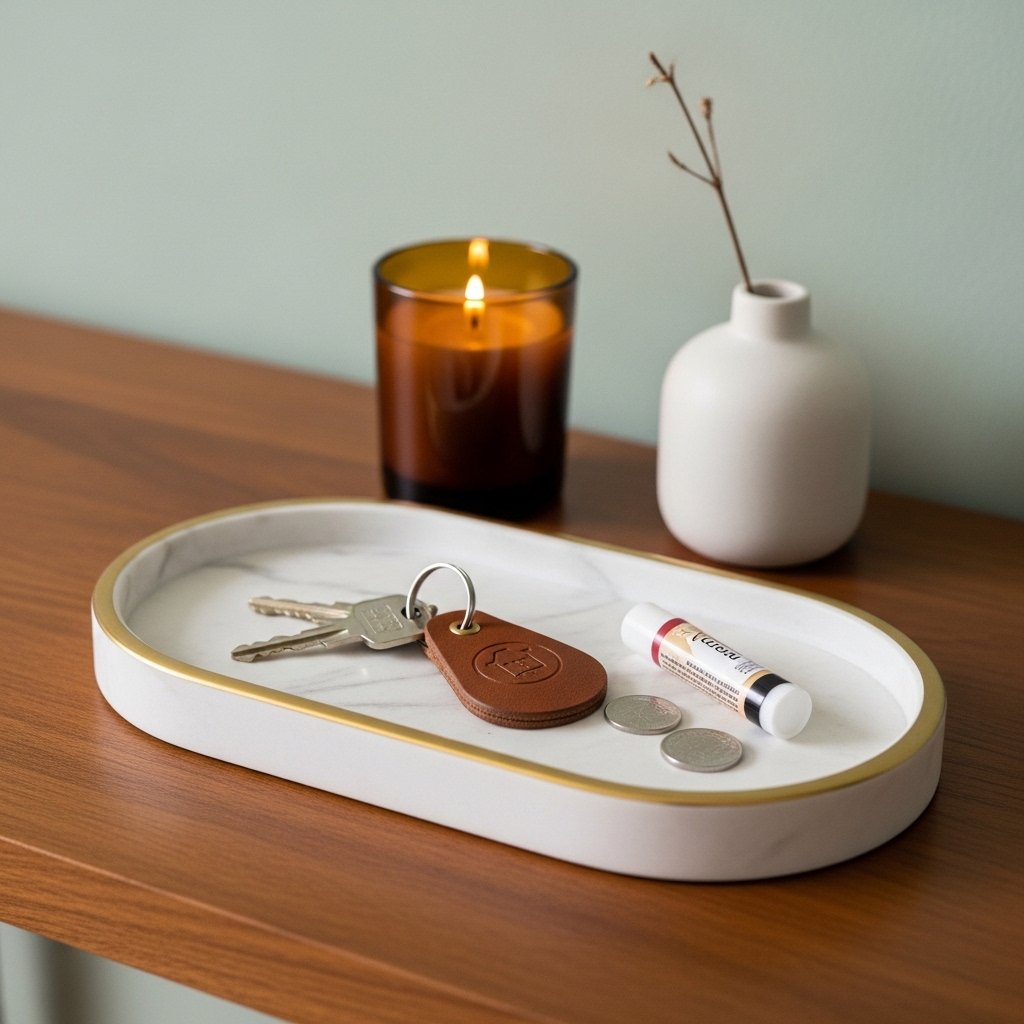
The most consistently beautiful entryways have one thing in common: a designated place for everything.
A small decorative tray — ceramic, marble, leather, or woven — on the console or bench surface creates an immediate home for keys, cards, change, and small daily items. When everything has a landing spot, the surface stays clear and styled rather than slowly accumulating chaos.
Choose a tray with some visual weight — it should feel like a considered object, not just a container.
Luxury Look for Less A beautiful tray costs almost nothing and does more organizational work than any other single entryway purchase.
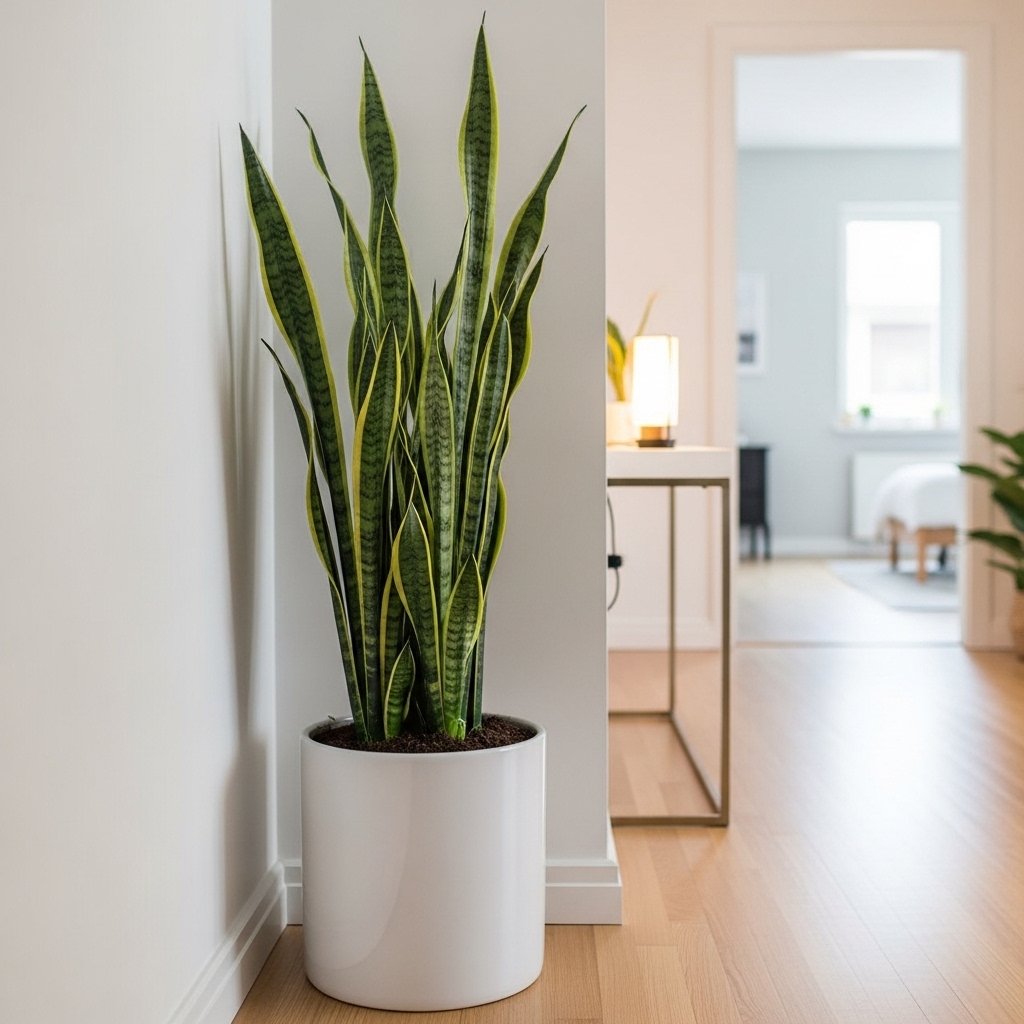
10. A Tall Thin Plant for Vertical Interest
A slim vertical plant in an entryway does something that no other decor element can — it introduces living height without taking up floor space.
A tall snake plant, a pencil cactus, a slender olive stem, or a trained ficus column all work beautifully in narrow entryways because they draw the eye upward and make the ceiling feel higher. Place it in a simple ceramic or rattan pot that complements the entry’s palette.
It also makes every person who walks through the door feel like they’ve entered somewhere that’s genuinely cared for.
Why This Works Vertical plant forms create height, life, and warmth in even the most spatially challenged entryways.
11. Painted Trim or Molding for Architectural Character
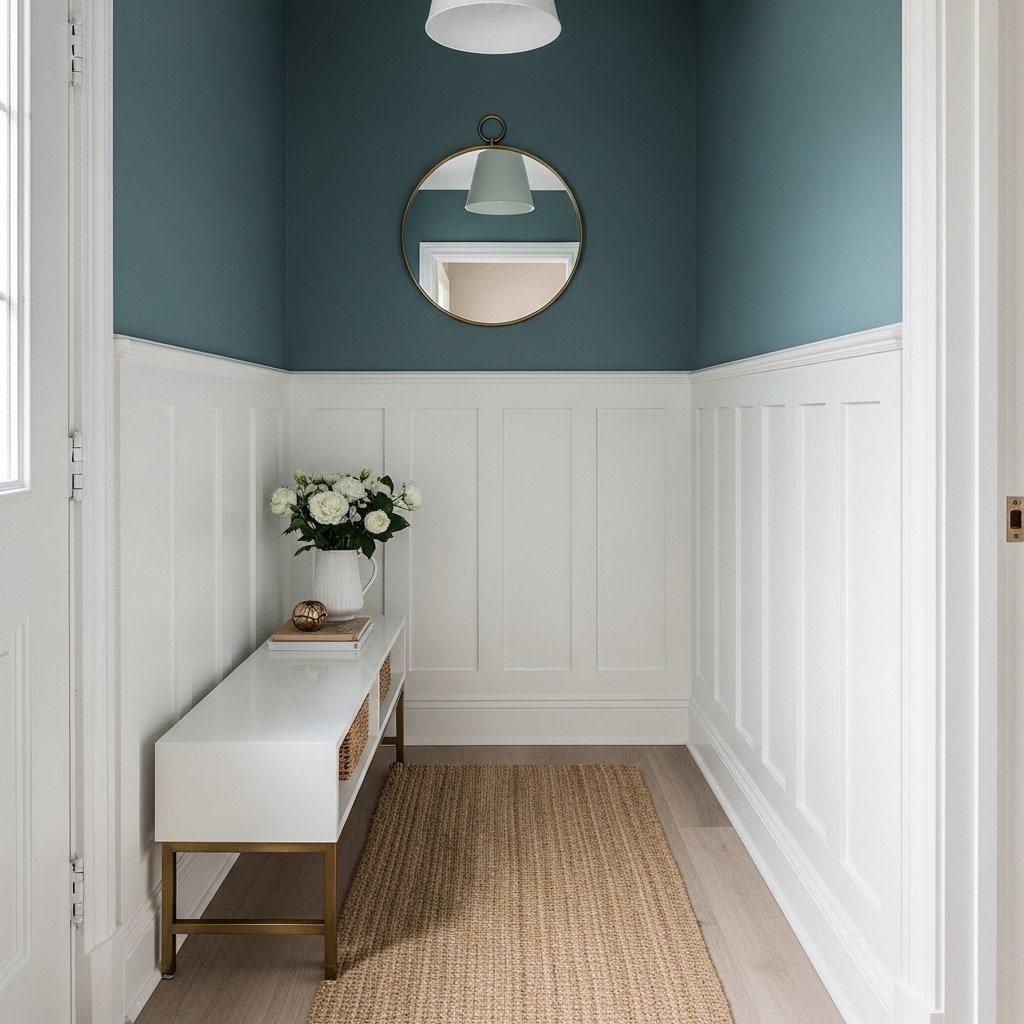
If you want to make a small entryway feel designed rather than just furnished, add architectural detail to the walls.
Painted trim, picture rail molding, a board and batten treatment, or even a simple painted panel effect created with painter’s tape transforms a plain box into a room with genuine character. It’s a paint and time investment rather than a financial one, and the results are immediate and lasting.
Use a contrasting tone for the trim against the wall, or go tone-on-tone for a more subtle, sophisticated effect.
Designer Tip A darker paint color below a picture rail and lighter above creates a sense of architectural solidity and height simultaneously.
12. Under-Bench Shoe Storage With Baskets
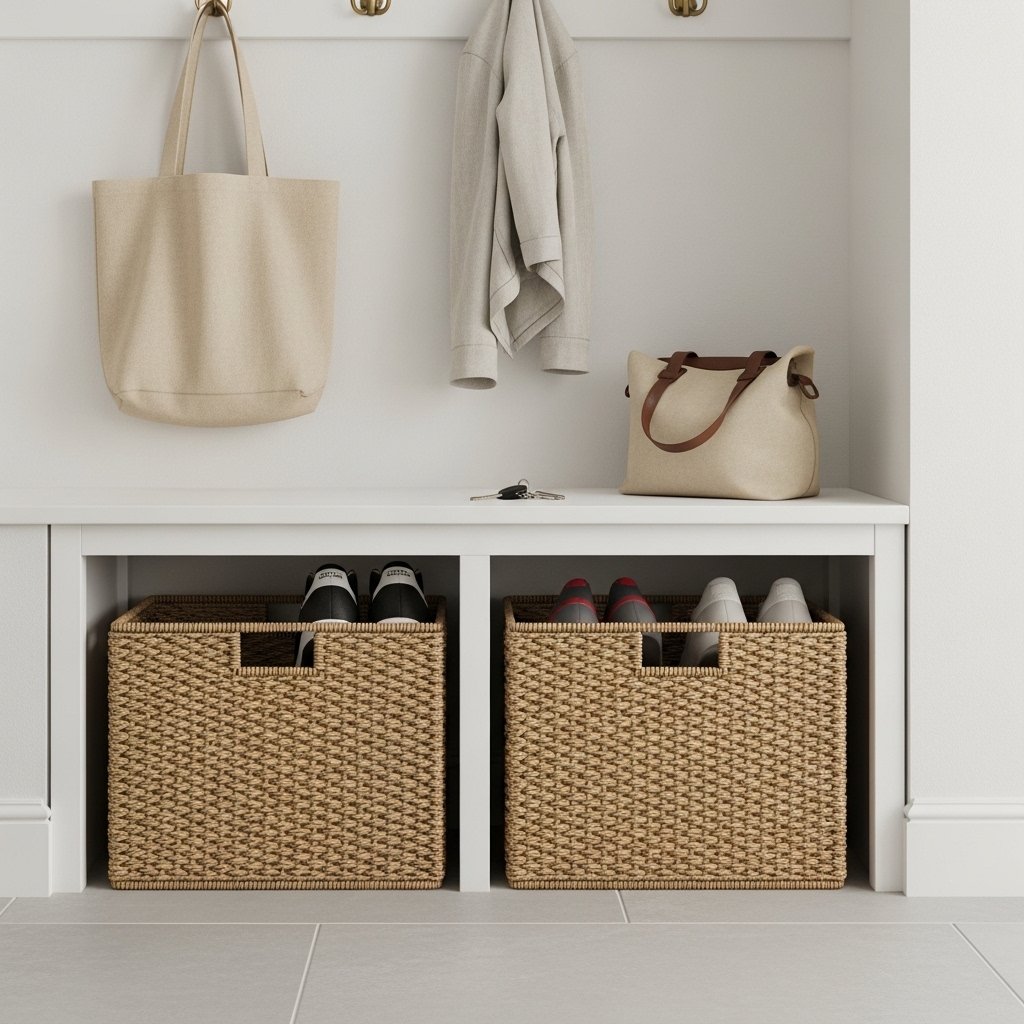
Shoes on the floor of an entryway are the fastest way to make a small space feel chaotic. Baskets under a bench are the fastest way to fix it.
A pair of matching woven baskets, low storage bins, or simple canvas totes slide under even a slim bench and hold multiple pairs of shoes completely out of sight. Choose matching options in neutral tones — white, natural rattan, or warm sand — so they look deliberate even when visible.
It solves the most common small entryway problem with an extremely inexpensive fix.
Watch Out For Keep only everyday shoes in the entryway — seasonal or occasional pairs belong in a proper closet.
13. A Chalkboard or Framed Memo Board
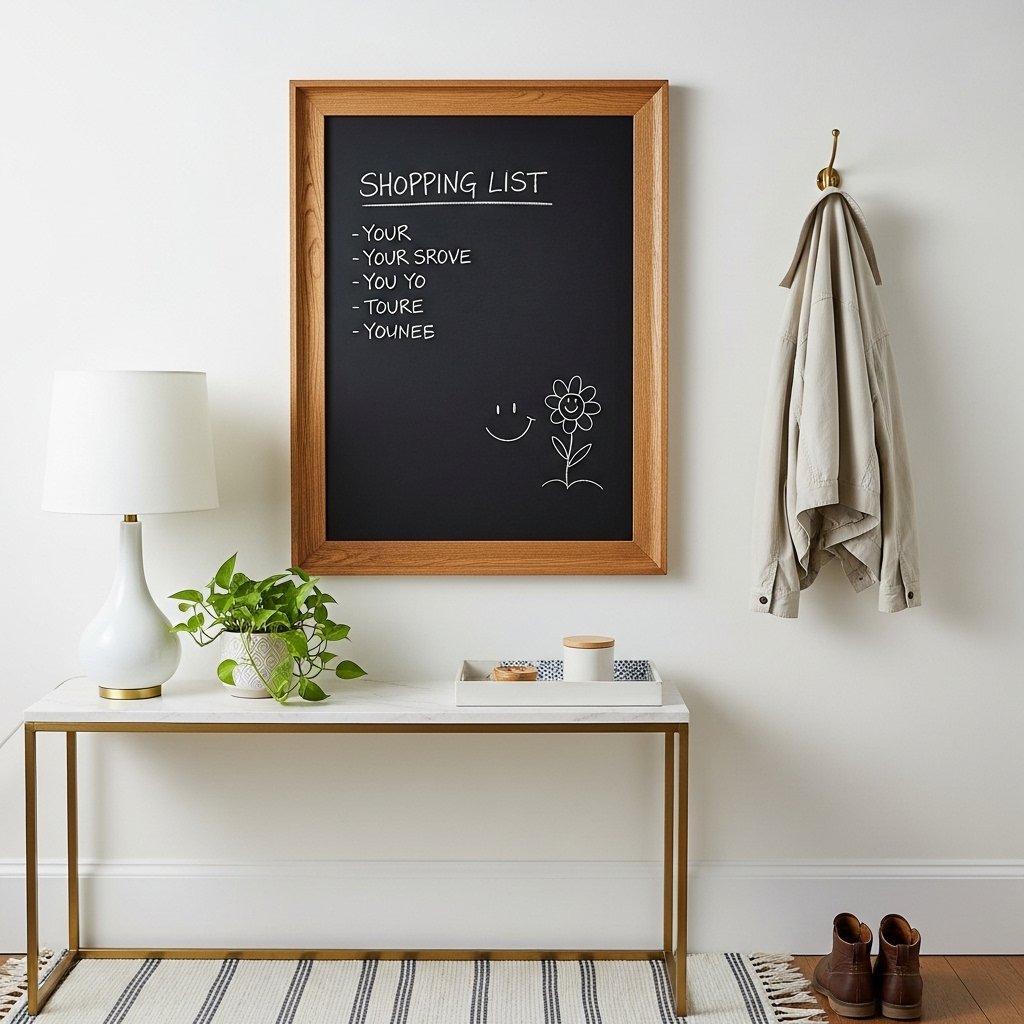
In a household that functions — and most do — the entryway is where information needs to live.
A small chalkboard, a corkboard in a beautiful frame, or a framed whiteboard mounted near the door holds notes, reminders, and grocery lists in a way that feels organized and even charming. Choose a frame that complements the entry’s palette and style.
It transforms something genuinely utilitarian into a design feature.
Cozy Factor A memo board with handwritten notes and little sketches gives an entryway a personal, lived-in warmth that styled objects alone can’t create.
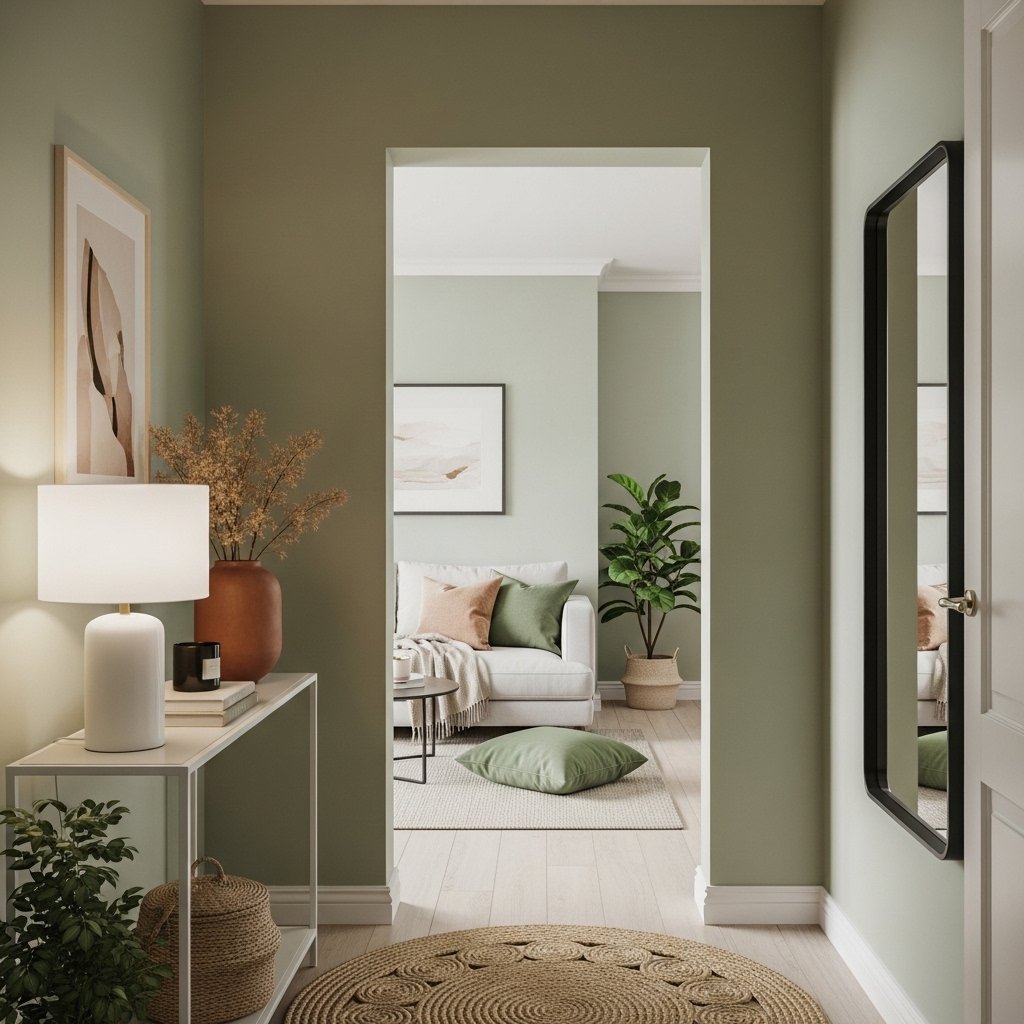
14. Cohesive Color That Connects to the Rest of the Home
The most overlooked entryway design principle is connection — making sure the entry feels like an introduction to the home rather than a separate, unrelated space.
Choose a paint color or material for the entryway that references or complements the palette of the main living area visible from the entry. If your living room is warm white with sage accents, bring in a sage wall, sage cushion, or sage plant pot in the entry. The visual continuity creates a sense of flow.
It makes the whole home feel more deliberately designed.
Why This Works Visual continuity between entry and adjacent spaces creates a sense of considered, whole-home design.
15. Seasonal Refresh With One Swap
The simplest and most effective thing you can do for a small entryway long term is commit to a seasonal refresh of one element.
Whether it’s swapping the door mat, changing the bud vase stem, rotating the art print, or switching the tray object — one seasonal change keeps the entry feeling current and alive without requiring a full restyling every few months.
It sounds almost too easy. But the entries that always look good are usually the ones where someone is paying just a little bit of ongoing attention.
Personal Take A small entryway that gets refreshed seasonally feels more alive than a large elaborate one that never changes.