18 Summer Dining Room Decor Ideas That Make Every Meal Feel Like a Celebration
The dining room in summer deserves more than the same setup it wore through winter with the heavy textiles removed. Summer calls for a genuine seasonal transformation: lighter materials, living color, the specific warmth of long evening light, and a table that invites people to linger rather than eat and leave.
These 18 ideas build a summer dining room that earns the season.
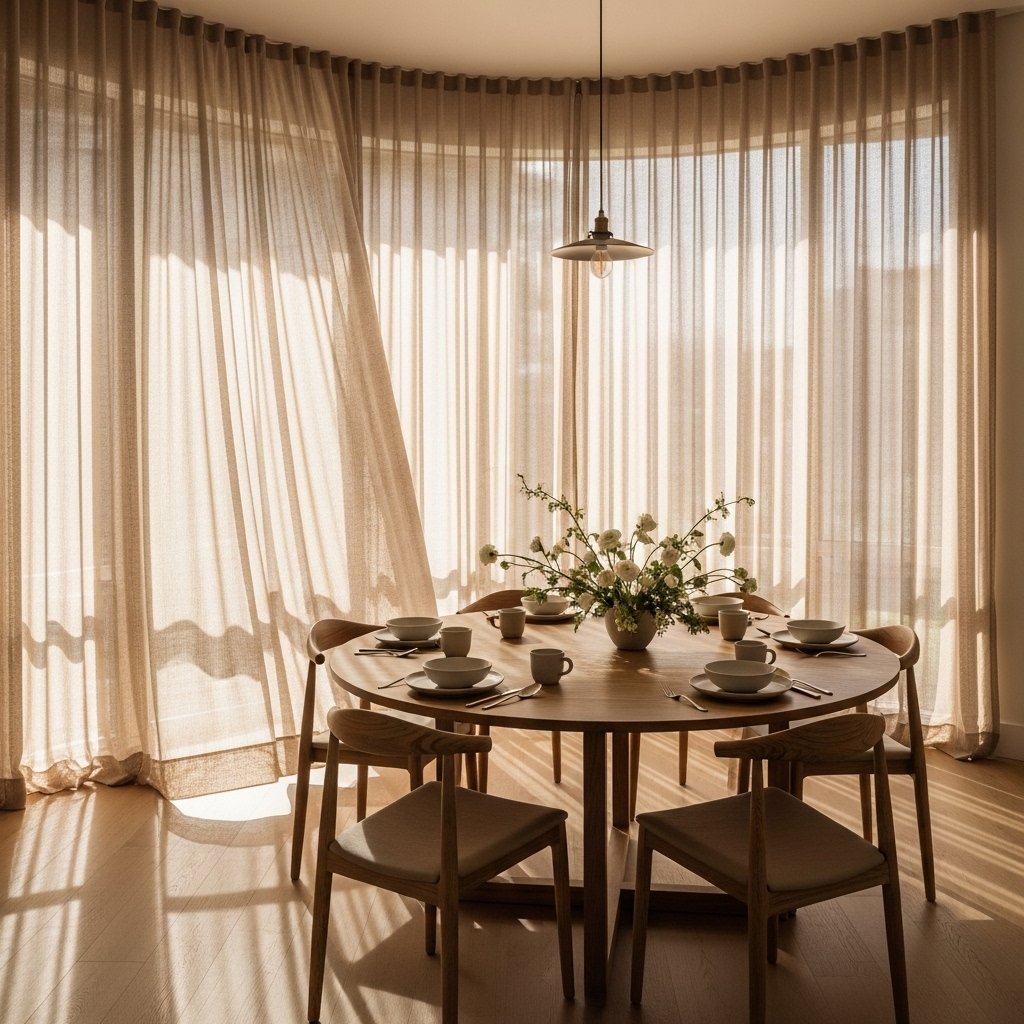
1. Swap Heavy Curtains for Sheer Linen Panels
The single fastest transformation available to a summer dining room costs almost nothing and changes everything.
Heavy winter curtains pulled down and replaced with floor-to-ceiling sheer linen panels in natural undyed tones converts the dining room’s light quality completely. Where the winter curtains managed and restricted light, the sheer linen diffuses it, softens it, and allows the specific warmth of summer light to enter the room in a quality that bare windows cannot replicate.
The sheer linen panel at a summer dining room window moves with any air movement. The slight billowing of fabric creates a quality of atmosphere in the room that static curtains entirely lack.
Pre-wash the linen before hanging. Pre-washed linen develops the soft, slightly crumpled texture that reads as genuinely luxurious rather than newly purchased. The gentle irregular fall of washed linen suits summer dining rooms specifically.
2. A Seasonal Centerpiece of Fresh and Dried Botanicals
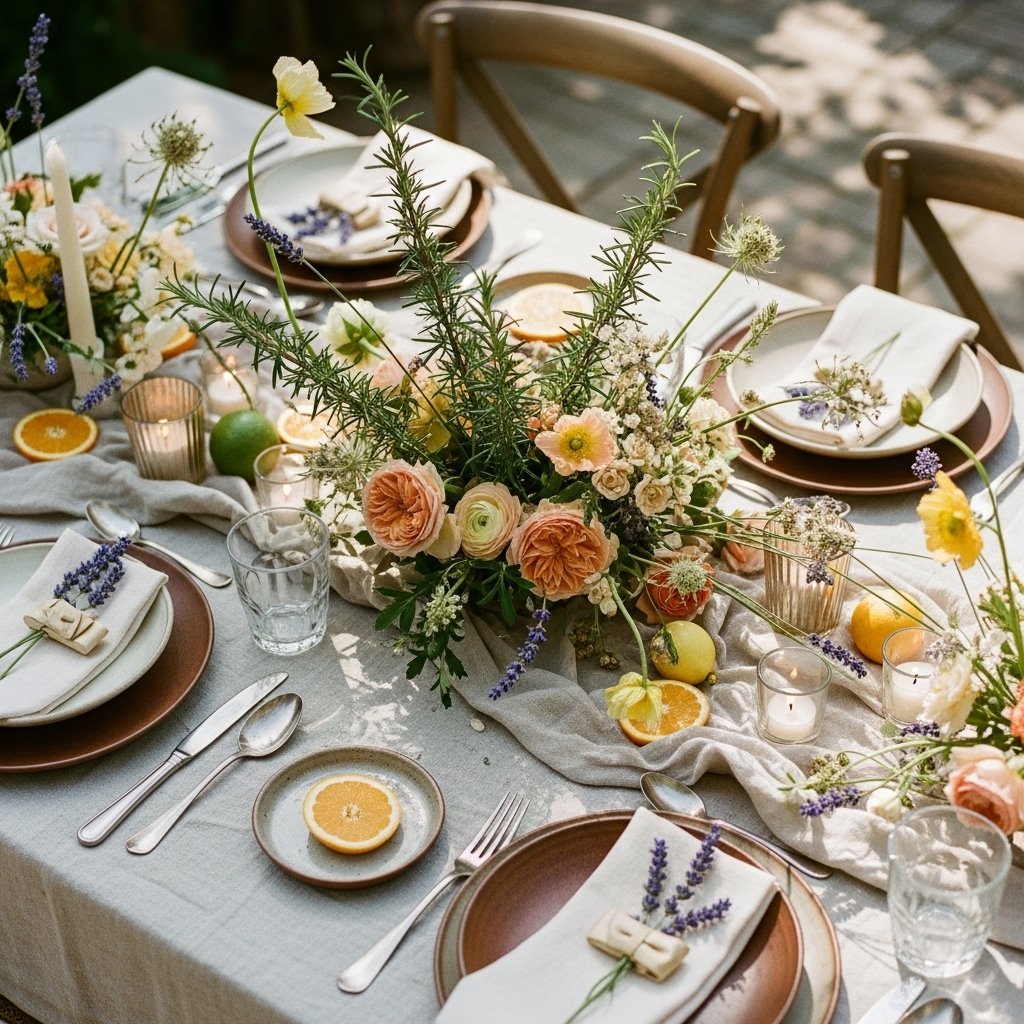
The dining table centerpiece in summer is not a formal arrangement in a vase. It is a loose, generous composition of seasonal material laid directly along the table’s center.
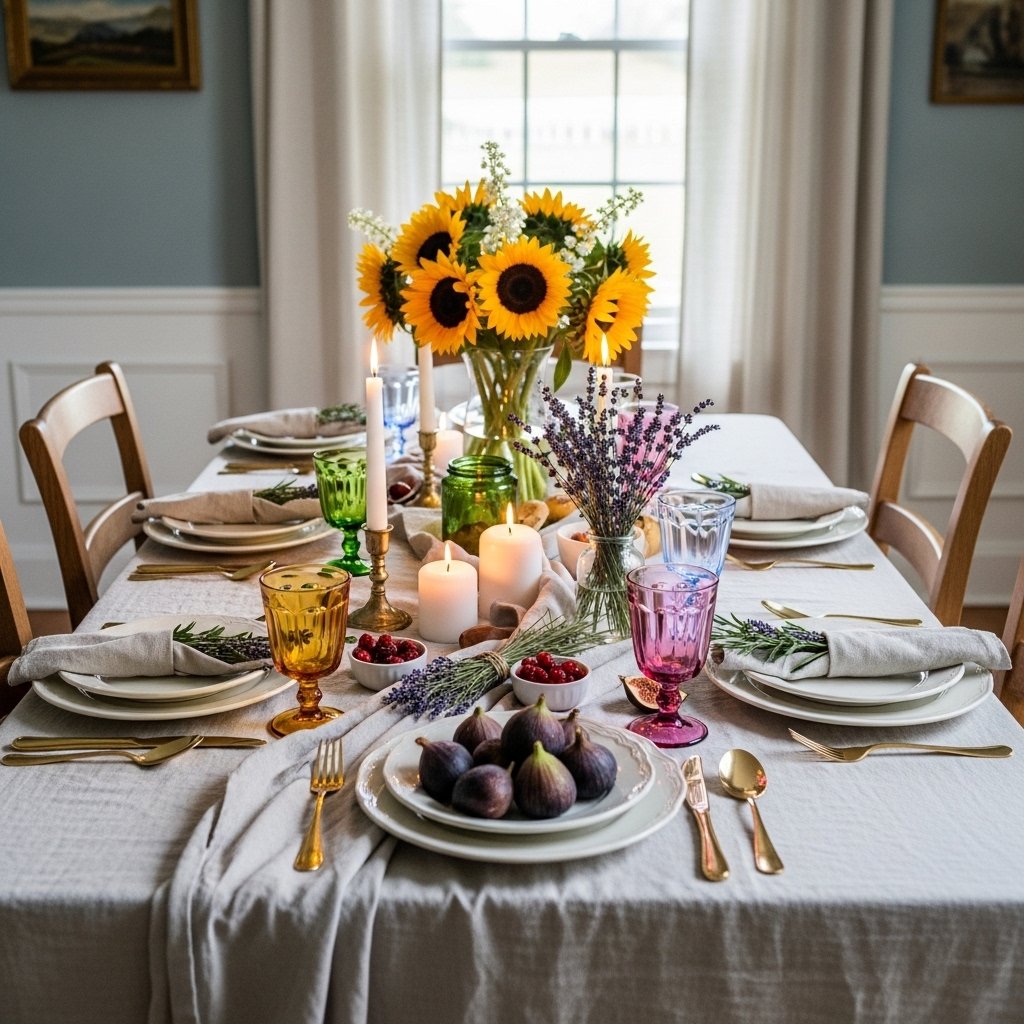
Fresh garden herbs, rosemary, lavender, mint, and thyme, combined with seasonal flowers in warm tones, dried seed heads, small branches of fruit still attached, and candles nestled within the arrangement create a table centerpiece with genuine seasonal specificity.
The arrangement should look gathered from the garden on the way to the table rather than designed by a florist. The difference between these two qualities is entirely in the looseness of the composition. A tight, symmetrical floral arrangement reads as formal. A loose scatter of gathered material reads as generously abundant.
Replace components as they wilt or dry. The arrangement improves as the fresher elements dry slightly and the color deepens.
3. Rattan Placemats and Natural Fiber Table Accessories
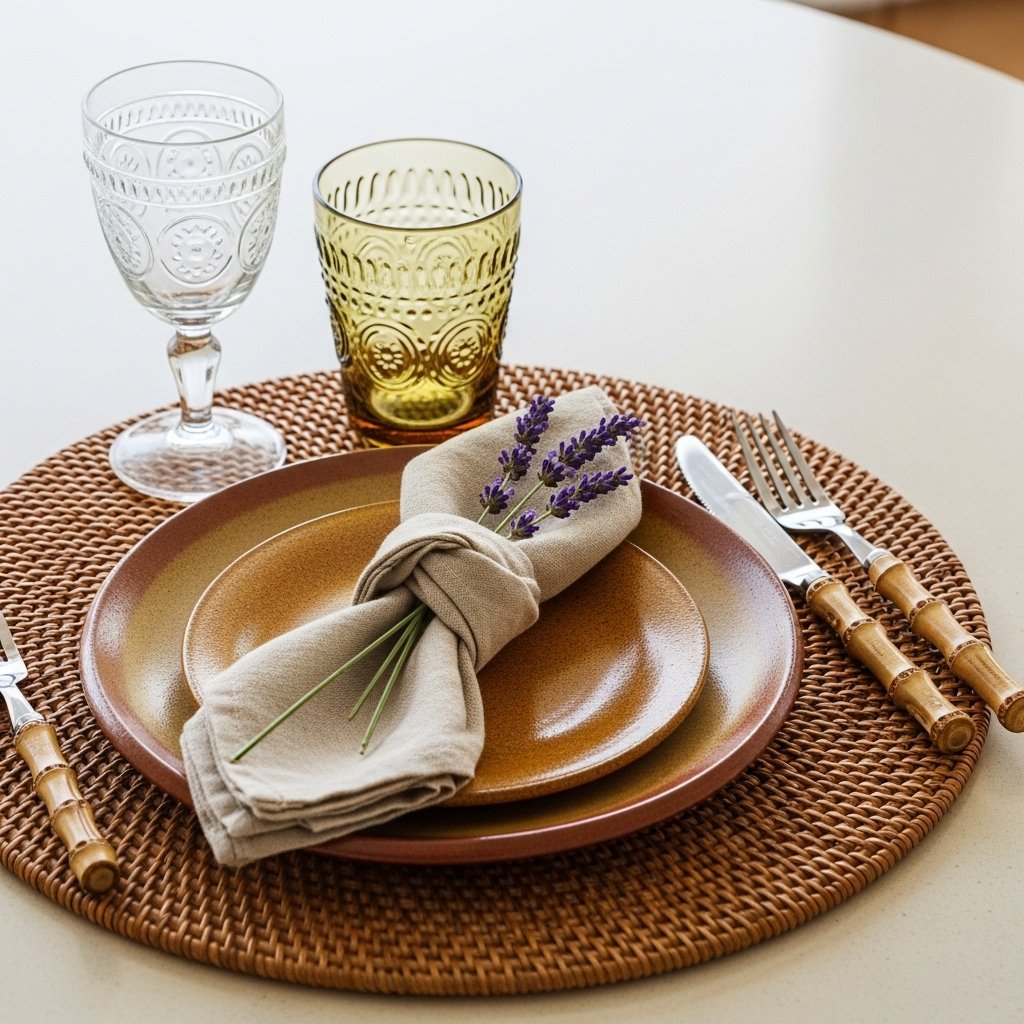
The table surface accessories in a summer dining room communicate the season as directly as any other element. Natural fiber placemats, woven rattan trivets, linen napkins, and wooden serving accessories replace the heavier, more formal table accessories of other seasons.
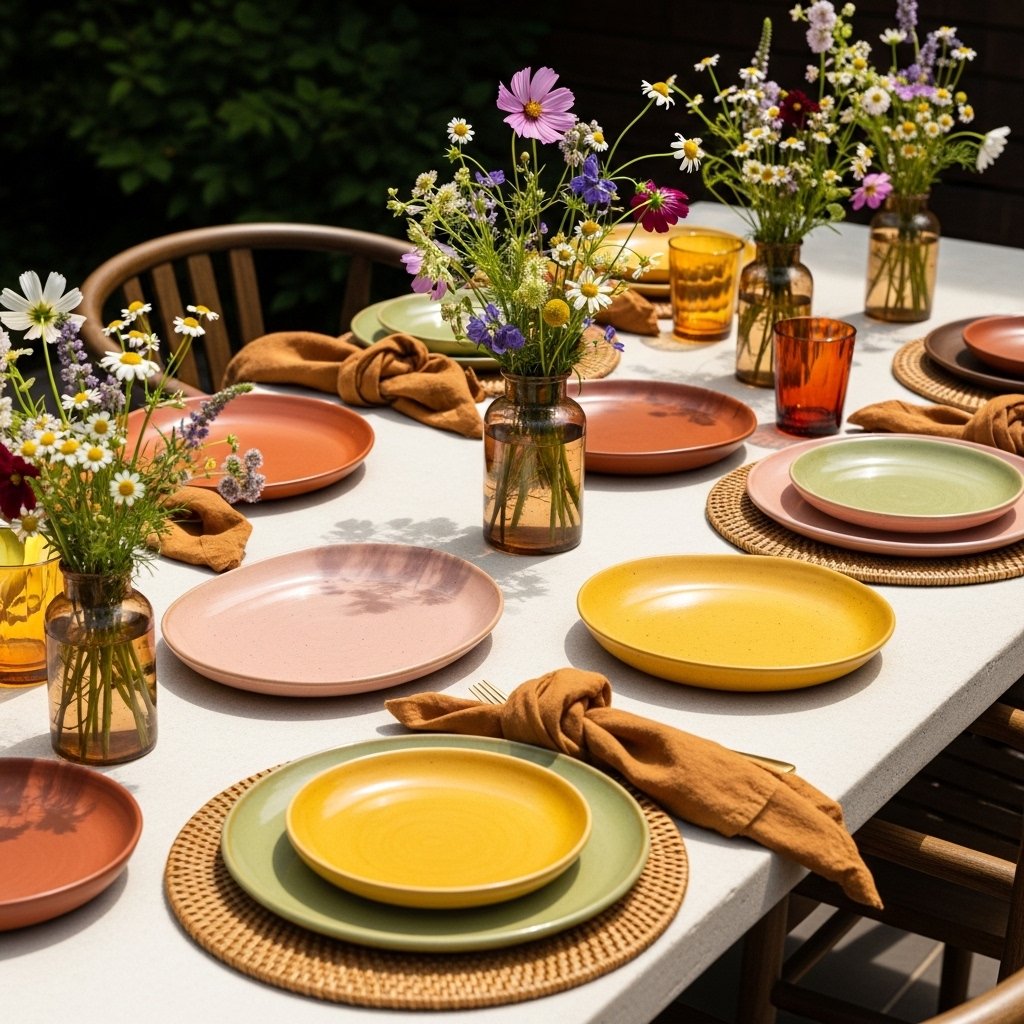
Rattan placemats under ceramic plates create a layered material composition at each place setting that is warm, tactile, and visually rich without being formal. The natural fiber material is appropriate to the season in the same way that linen clothing is appropriate in summer.
Linen napkins in natural undyed tones or in the soft colors of the seasonal palette replace the starched white alternatives of more formal settings. Linen napkins tied with a sprig of fresh herb at each place setting create a personalized detail that communicates genuine hospitality.
4. Bring the Dining Table Outdoors If Possible
The best summer dining room move is the one that removes the dining room from the interior entirely.
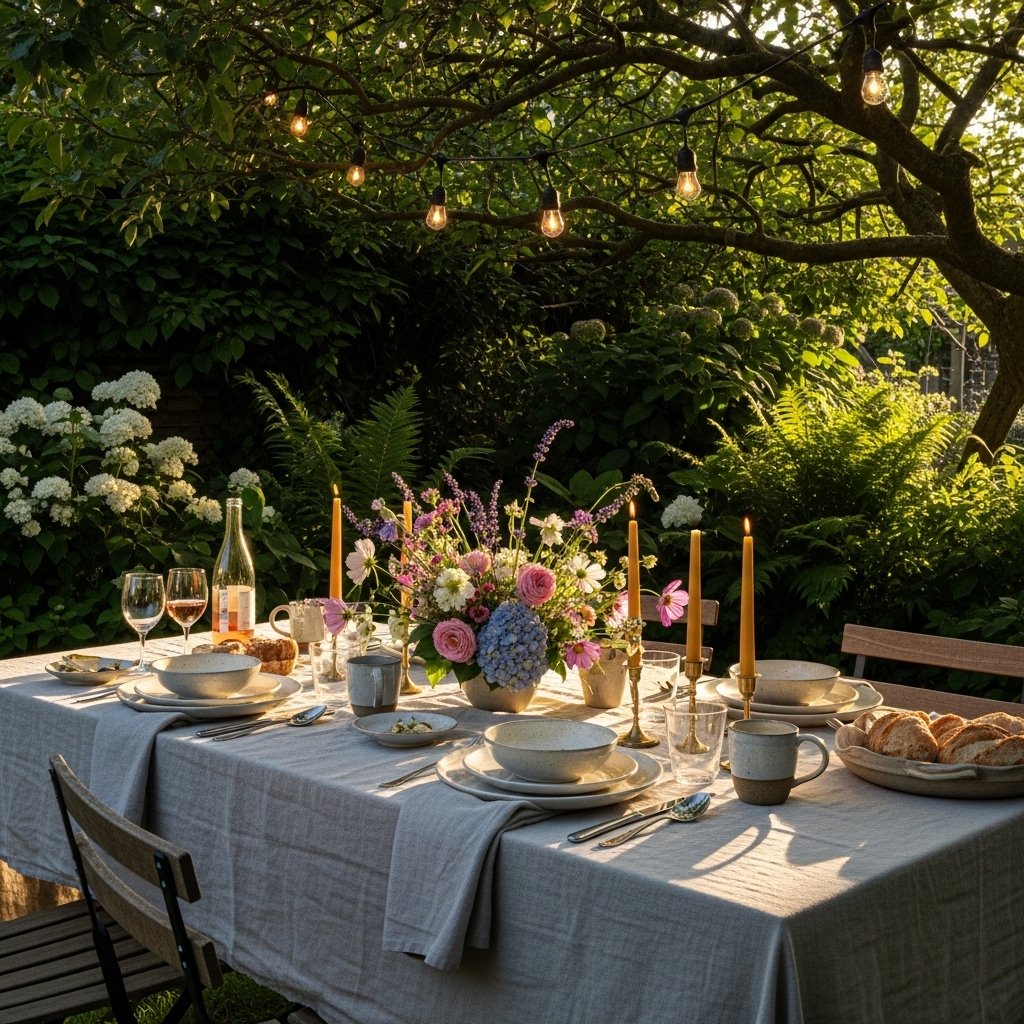
A dining table moved to a covered patio, a garden terrace, or a shaded outdoor space for the summer months converts every meal into an outdoor experience. The quality of dining outside in summer, the air, the light, the garden sounds and smells, cannot be replicated indoors regardless of how the interior dining room is decorated.
If a full move is not possible, positioning the dining table as close to open French doors or open garden doors as the room allows creates a threshold experience. The table is technically inside but the open doors bring the outdoor air, light, and sound directly to the dining space.
Summer meals happen at the table that is most connected to the outdoor world. Design toward that connection.
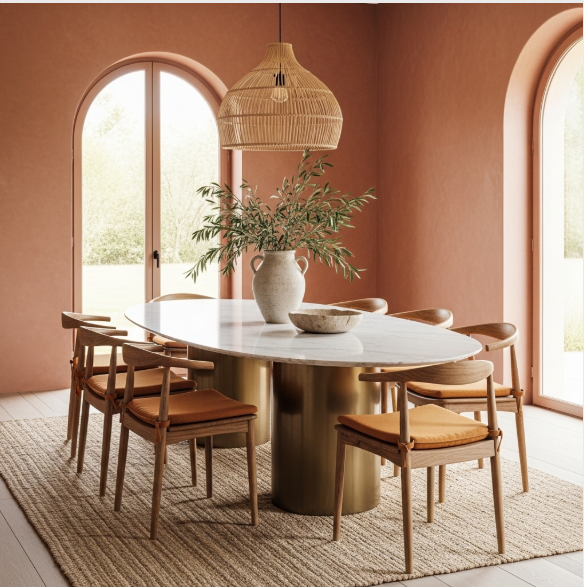
5. Painted or Limewash Walls in a Fresh Summer Tone
A dining room wall color that was correct for winter may need a seasonal adjustment for summer. The deep charcoal or rich burgundy that created winter enclosure can be summer-refreshed without a complete repaint.
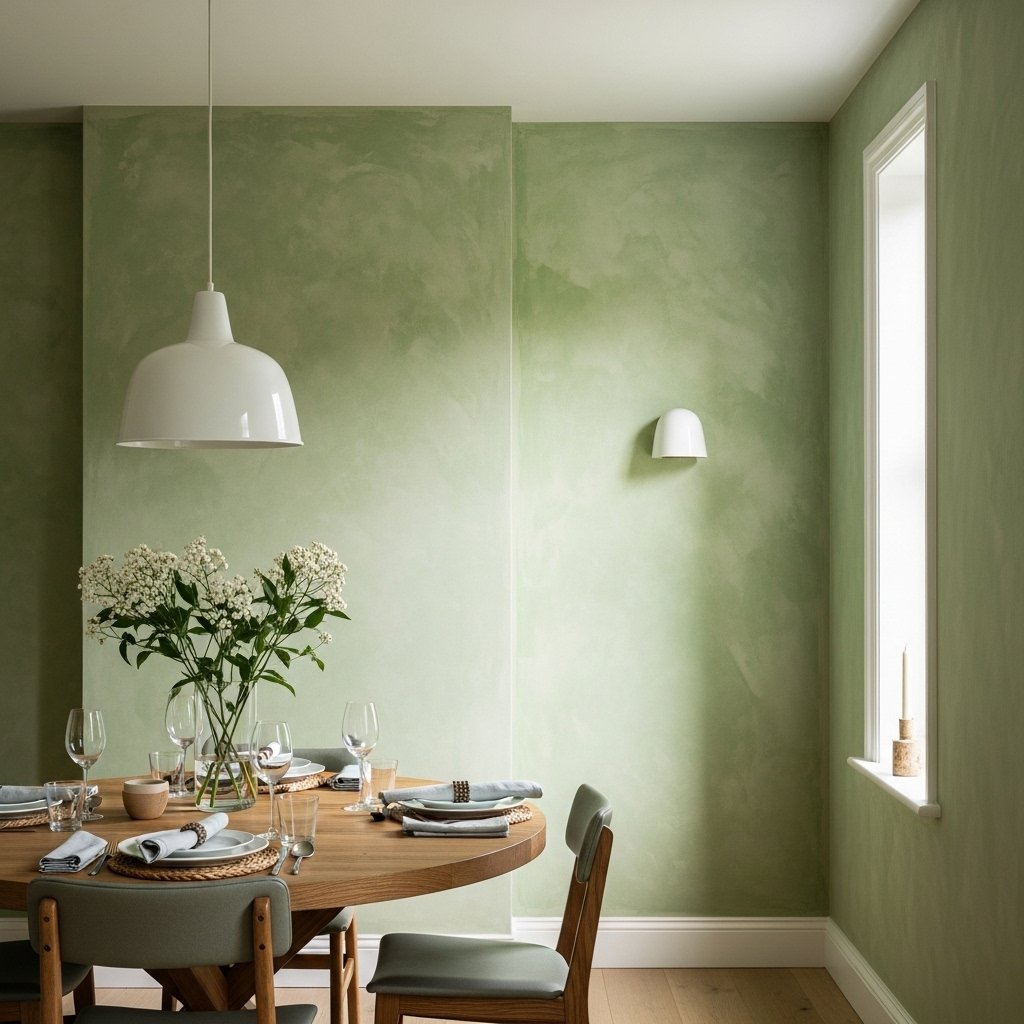
Limewash paint in a warm sage green, a dusty clay, or a soft terracotta applied over an existing wall color creates a new surface with genuine depth and warmth that suits summer dining’s specific atmosphere.
If repainting is not an option, a large-scale wallpaper panel on the primary dining wall creates the seasonal color change in a removable format. Peel-and-stick wallpaper in a botanical or textured design applied to one wall creates an immediate summer transformation.
The summer dining room wall color should feel fresher and lighter than its winter equivalent while maintaining the warmth that makes dining rooms feel hospitable.
6. Mismatched Summer-Toned Ceramic Tableware
Summer tableware is the opportunity to move beyond the matched dinner set into something more expressive, more seasonal, and more generous in spirit.
A collection of ceramic plates in warm summer tones, terracotta, blush, warm yellow, sage, and warm white, in slightly different shapes and glaze finishes creates a table that looks as though it has been assembled from travels and markets rather than purchased as a set.
Each plate different but belonging to the same palette family. The family coherence comes from consistent tonal warmth rather than matching shape or pattern. Handmade ceramics with visible maker’s marks, irregular rims, and glaze variation communicate the season’s easy warmth.
Store the winter matched set and bring out the summer mismatched collection. The act of changing tableware seasonally communicates that the dining experience is taken seriously at every level.
7. Fresh Citrus and Fruit as Decoration
The most honest summer dining table decoration is edible.
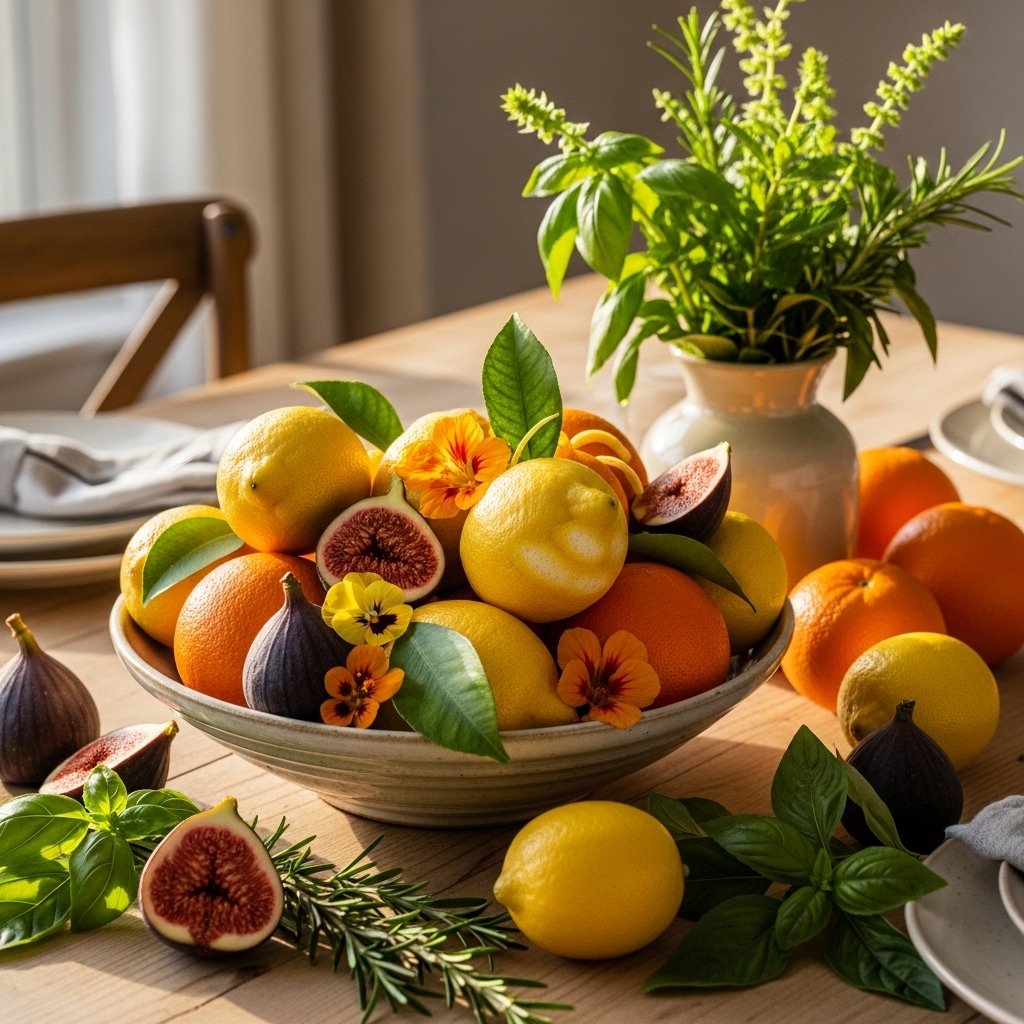
A large bowl of fresh lemons, oranges, limes, and figs on the dining table serves as both centerpiece and pantry. The color of fresh citrus in warm afternoon light, the specific yellow of a lemon, the deep purple-black of a ripe fig, the orange of a clementine, creates a table arrangement with natural vibrancy that no manufactured decoration approaches.
A ceramic bowl or a wide timber bowl large enough to hold the fruit generously, not two lemons in a bowl sized for twelve, but a genuinely abundant seasonal collection, creates a centerpiece with the casual opulence of a Mediterranean market.
Supplement with fresh herbs in a small ceramic vase beside the fruit bowl. The combination of the fruit’s color and the herb’s fragrance engages two senses simultaneously from the same table composition.
8. Bamboo, Cane, and Wicker Dining Chairs for the Season
Dining chairs can be seasonal. The heavy upholstered chairs of winter dining can be stored for summer and replaced with bamboo, cane, or wicker alternatives that communicate summer’s specific lightness.
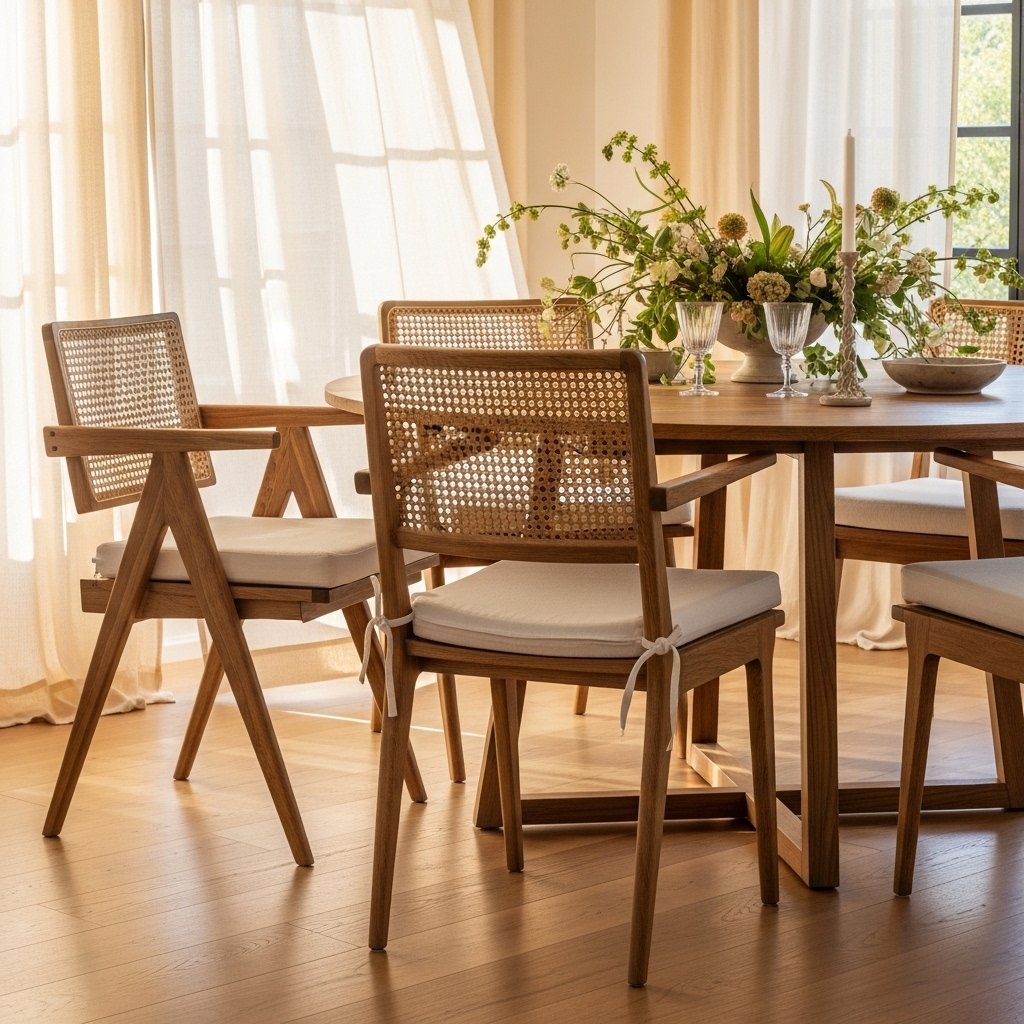
Cane-seated dining chairs with a painted or natural timber frame bring the visual and tactile quality of natural materials to the dining room in a format that is both lighter to look at and cooler to sit in during warm weather.
Mismatching the chair styles while maintaining a consistent material, all natural cane seats with different frame profiles, creates the gathered summer quality of a room assembled from pieces found over time. Four matching chairs communicate permanence. Four slightly different chairs communicate summer hospitality.
Cushion pads on cane seats in seasonal fabric, linen in a summer palette, make the chairs comfortable for long summer dinners.
9. A Statement Pendant Light in Rattan or Wicker
Changing the pendant light above the dining table for summer is the most dramatic single decorative gesture available to the room.
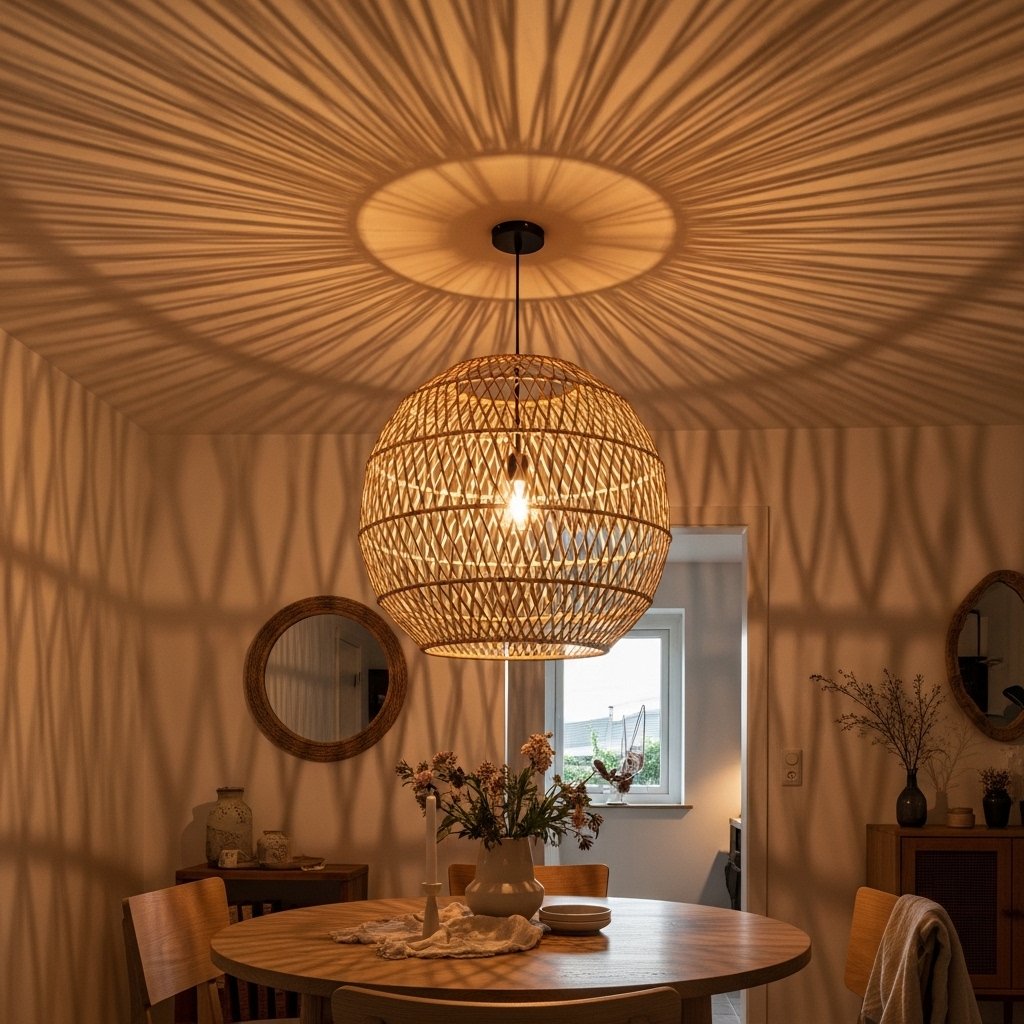
A large rattan, wicker, or seagrass pendant light replacing a winter chandelier changes the room’s entire overhead atmosphere. The natural fiber material is visually lighter than glass or metal. The woven texture creates beautiful shadow patterns on the ceiling and walls when lit from within.
Rattan pendants in oversized formats, 60–80cm diameter above a round table, create a visual canopy over the dining area that defines the zone while remaining airy and light. The scale communicates generosity. A small rattan pendant above a large dining table looks provisional. A large one looks designed.
The warm light emanating through the woven gaps of a rattan pendant creates a specific amber patterning on surrounding surfaces that warm white light from a conventional fitting never produces.
10. A Gallery of Botanical and Nature Prints
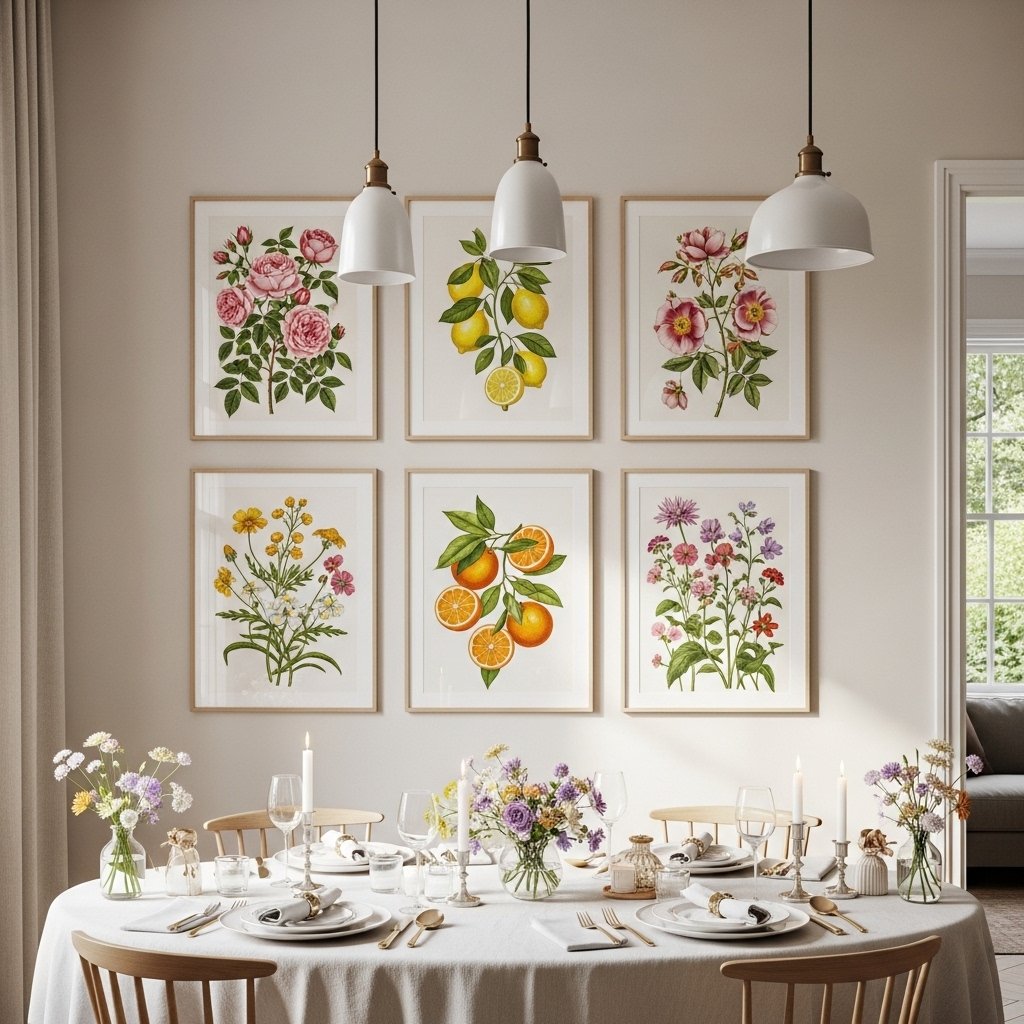
The dining room walls in summer benefit from art that references the natural world directly: botanical illustrations, landscape photography, watercolor studies of flowers and fruit, and nature prints that connect the interior dining experience to the exterior world.
A gallery arrangement of four to six framed botanical prints in consistent warm timber or thin black frames creates a dining room wall that reads as naturally appropriate to the season. The botanicals reference the garden, the flowers on the table, and the summer world outside.
Choose prints that are specific rather than generic. A hand-illustrated study of a specific variety of rose. A detailed watercolor of a particular fruit. The specificity of well-chosen botanical illustration communicates genuine engagement with the natural world rather than decorative approximation.
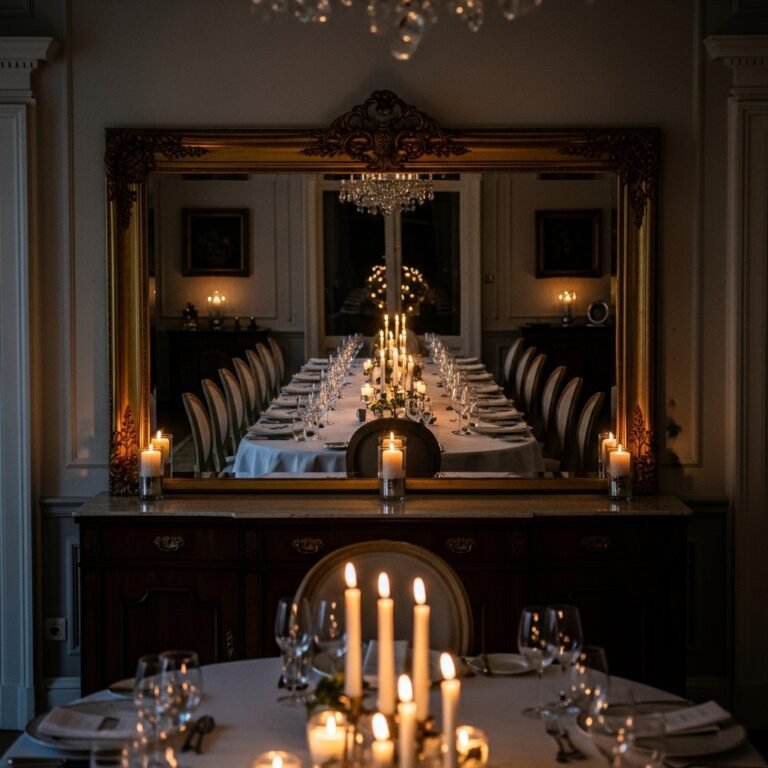
11. Candles in Every Format for Evening Dining
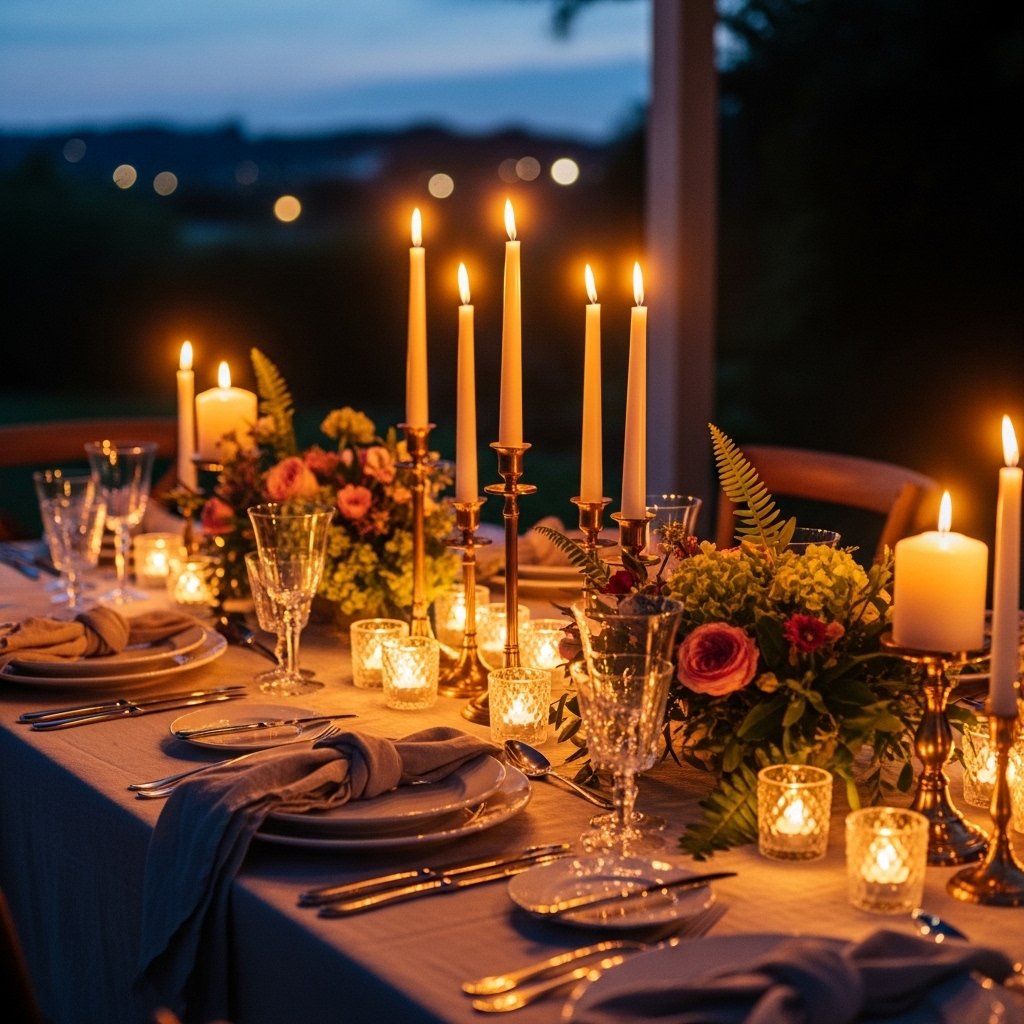
Summer evening dining deserves the most atmospheric lighting available and that lighting is always candlelight.
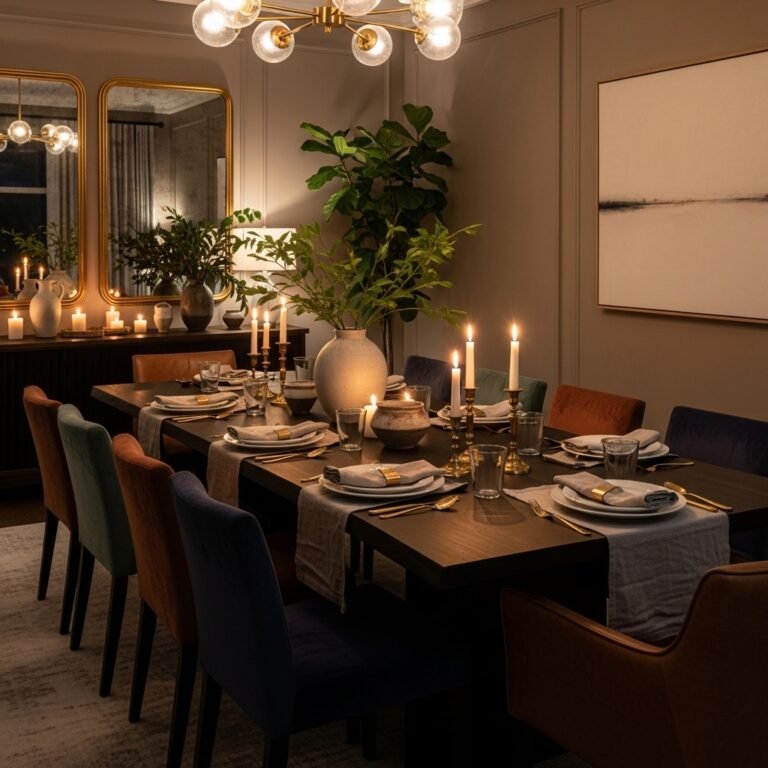
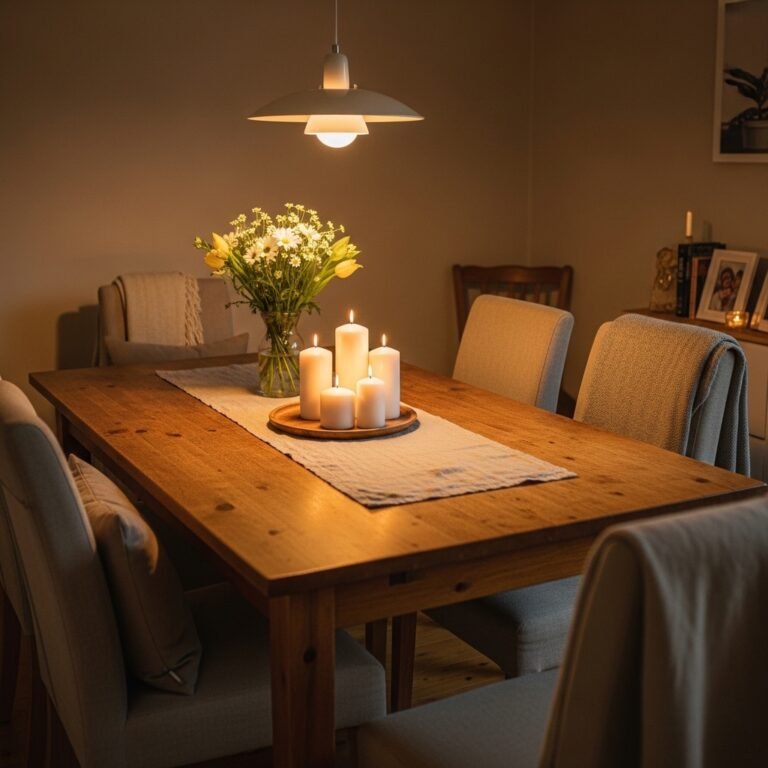
Taper candles in brass or ceramic candlesticks at varying heights along the center of the table. Tea lights in small glass votives distributed between the centerpiece elements. A larger pillar candle or two at the ends of the arrangement. The combination of multiple small warm flames creates a light quality that no electric fitting produces.
The specific warmth of candlelight in summer, when the windows are open and the evening air is warm, creates a dining atmosphere of extraordinary quality. The candle flames move with the air. The light on faces is warm and flattering. The transition from sunlit to candlelit during a summer dinner is one of the most beautiful natural light experiences available in domestic design.
Source quality candles. Cheap paraffin candles in summer heat drip, collapse, and smell of burning wax. Quality beeswax or plant-based wax candles burn cleanly and slowly and hold their form in warm temperatures.
12. A Linen Tablecloth That Gets Better With Every Wash
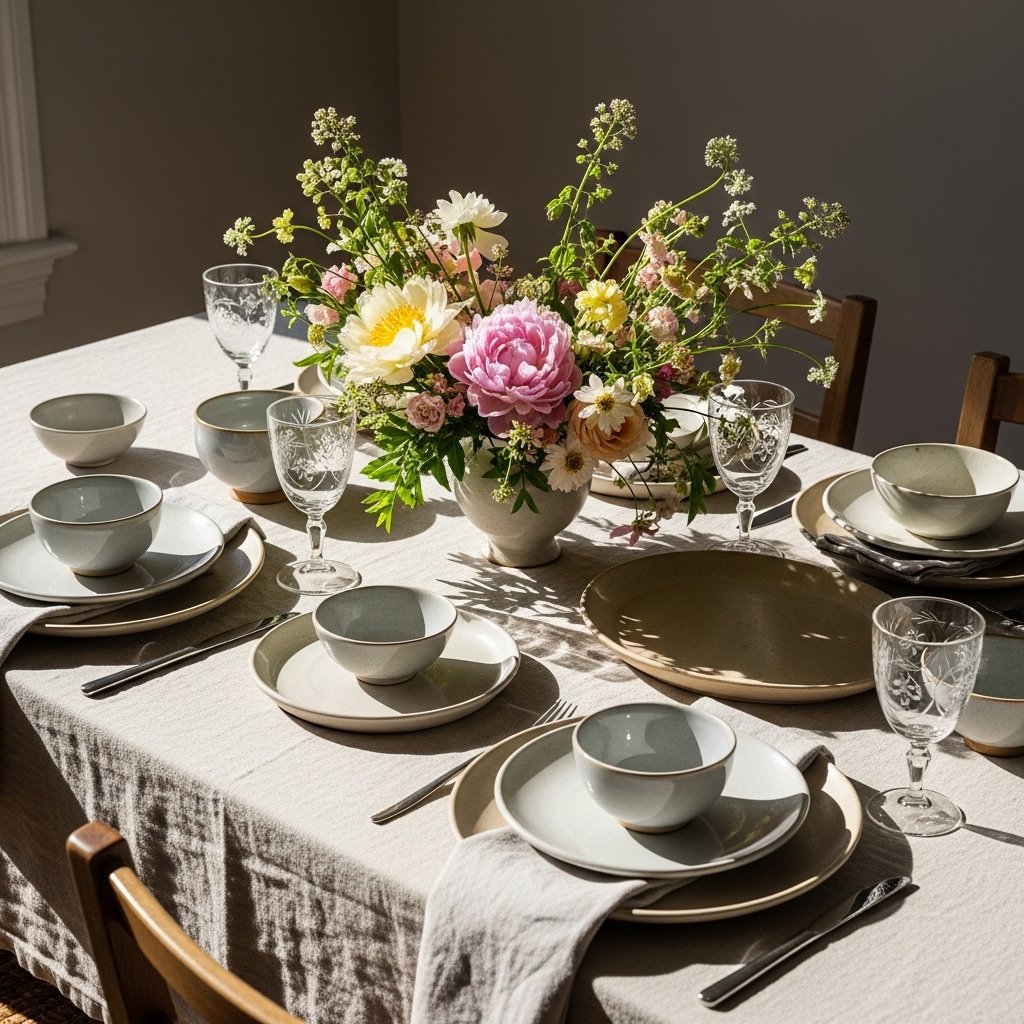
The summer dining tablecloth is natural linen in the undyed or barely-toned version that looks better with every wash and every use.
Pre-washed linen tablecloths develop a texture and a softness over time that no new tablecloth has. The slight creases at the fold lines, the gentle softening of the fabric, and the warm irregular surface of used linen create a table with the quality of a cloth that has been at the table for many seasons.
A linen tablecloth in this quality does not need to be pressed perfectly flat. The natural crumple of washed linen is part of its beauty. The table that looks as though it was laid by someone who cares about the experience rather than the performance of laying communicates genuine hospitality.
13. Summer-Specific Glassware: Colored and Vintage
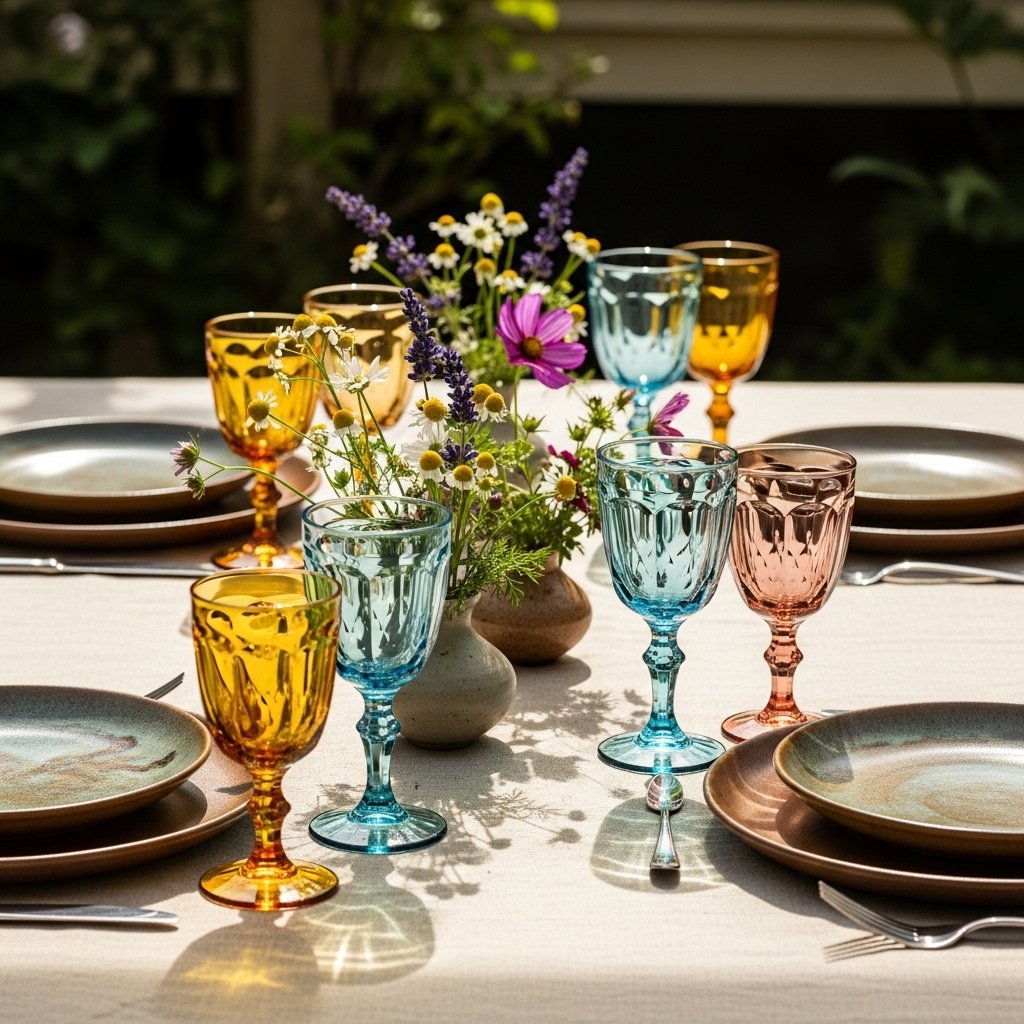
Summer dining glassware can be more playful, more colorful, and more gathered in quality than the clear crystal of formal winter dining.
Colored glass in amber, pale blue, pale green, or dusty rose, gathered from antique markets and vintage dealers, creates a table of glassware that catches summer light in ways that clear glass cannot. Each glass a different color from the same summer-toned palette creates a collected, generous table.
The light that passes through colored vintage glass onto a white tablecloth or a pale ceramic plate creates specific pools of warm color that animated the table surface in a way that clear glass leaves static.
Source vintage colored glassware rather than new colored glass reproductions. Genuine vintage colored glass has a translucency and color depth that new glass rarely matches and it tells the specific story of provenance and chance that the summer table’s gathered quality requires.
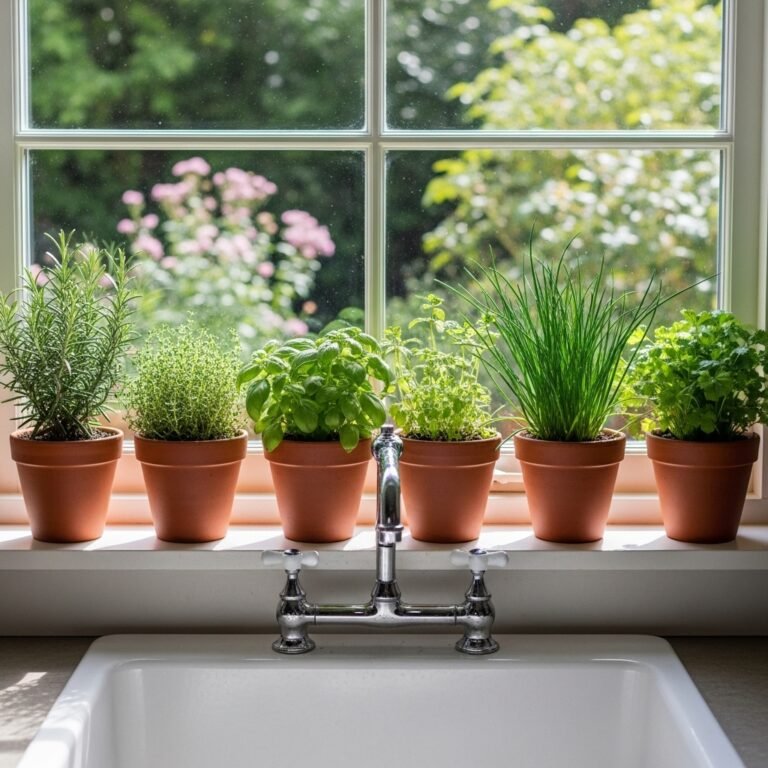
14. Fresh Herbs in Small Pots at Each Place Setting
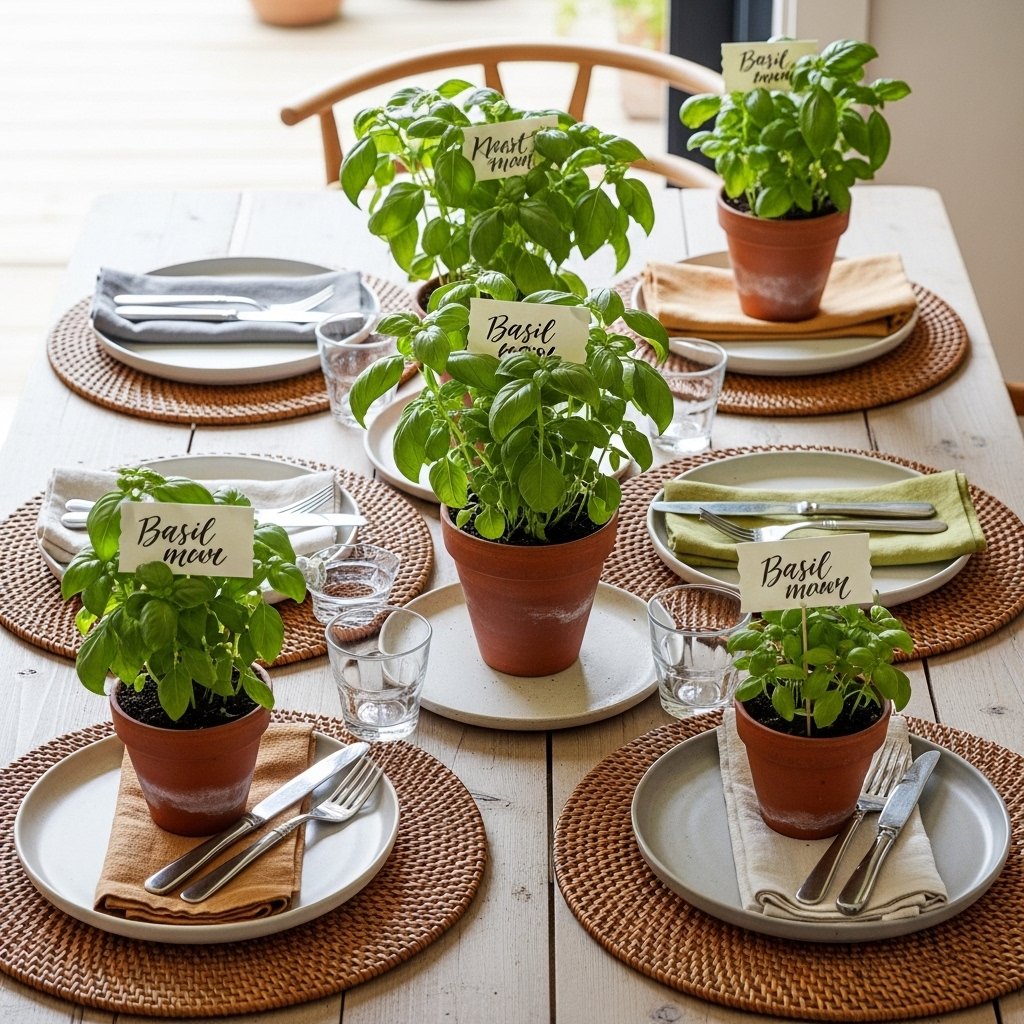
Fresh herb pots at each place setting at a summer dinner table serve three simultaneous purposes: they are decorations, they are conversation pieces, and they are ingredients.
Small terracotta pots of fresh basil, mint, or thyme at each place setting, with a small card identifying the herb and suggesting its use with the evening’s meal, create a table detail of genuine thoughtfulness.
Guests take the pots home. The decoration becomes a gift. The farewell to a summer dinner includes a living plant that will grow in the recipient’s kitchen.
The uniform terracotta pots create visual consistency across the table surface while the variety of herbs creates individual differences at each setting. The guests discover what herb they have been given as part of the table experience.
15. An Outdoor-Indoor Table Extension for Large Gatherings
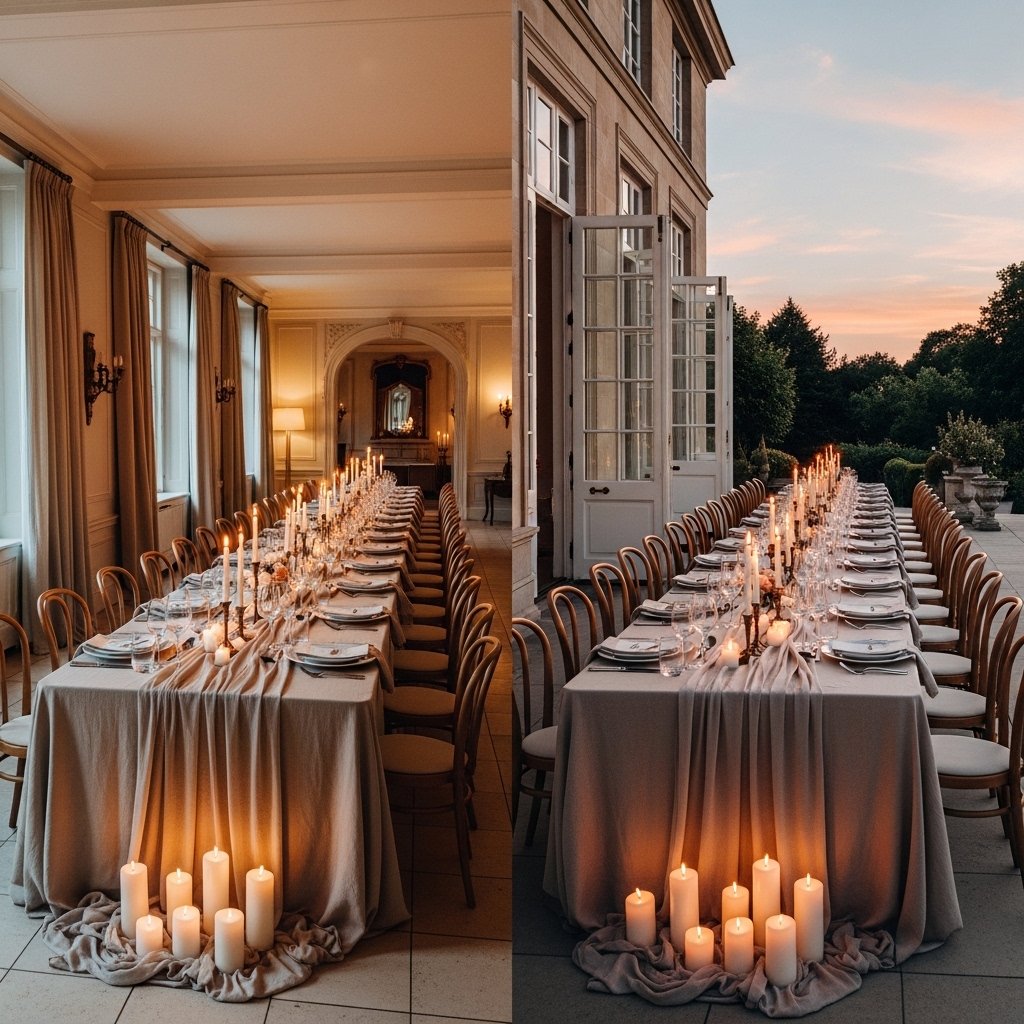
The summer dining room that extends through open doors onto a terrace, with the indoor dining table and an outdoor table aligned to create one continuous long table, creates the most generously scaled summer dining experience available in a domestic setting.
A trestle table on the terrace positioned to align with the indoor dining table, both covered in the same continuous linen cloth, creates a table that accommodates double the usual guest count while connecting the indoor and outdoor spaces through the act of dining.
This extended table setup for summer gatherings is the design move that guests remember years later. The memory of a specific long summer dinner at a table that ran from inside to outside, lit by indoor light at one end and garden light at the other, is the kind of sensory memory that stays permanently.
16. A Drinks Trolley in the Dining Room for Summer
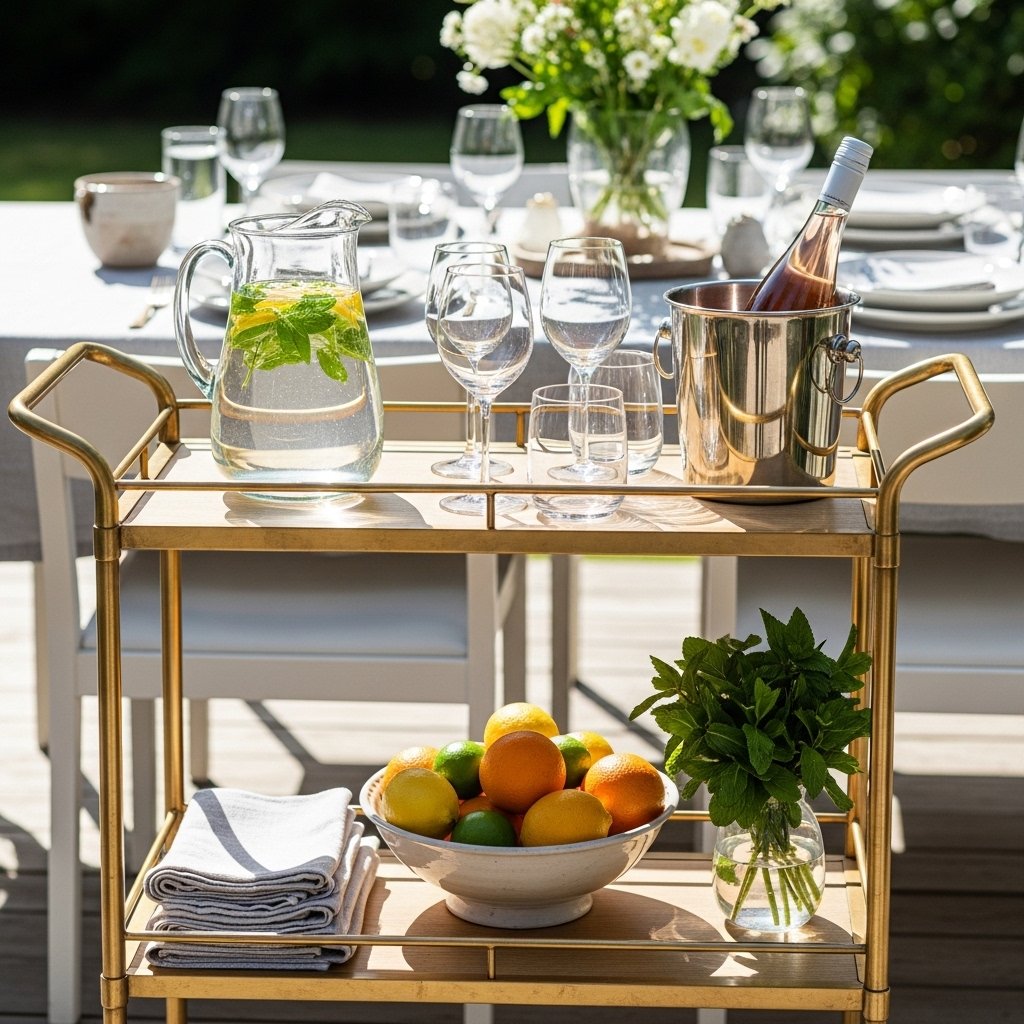
A styled drinks trolley positioned near the dining table in summer transforms the room’s relationship to the meal. The trolley announces that the evening is specifically about pleasure and specifically about this season.
A two-tier trolley in brass, gold, or natural timber carrying a curated selection of summer drinks, a pitcher of iced water with fresh herbs, a chilled white wine or sparkling water in a small ice bucket, and summer-specific cocktail ingredients, creates a dedicated drinks zone that encourages pre-dinner gathering and post-dinner lingering.
The trolley’s styling follows the summer palette: linen napkins on the lower tier, fresh mint in a small vase, citrus slices on a ceramic dish, quality glassware on display. The same visual attention given to the dining table extended to the drinks service.
17. Seasonal Fruit Compote and Preserves as Table Decoration
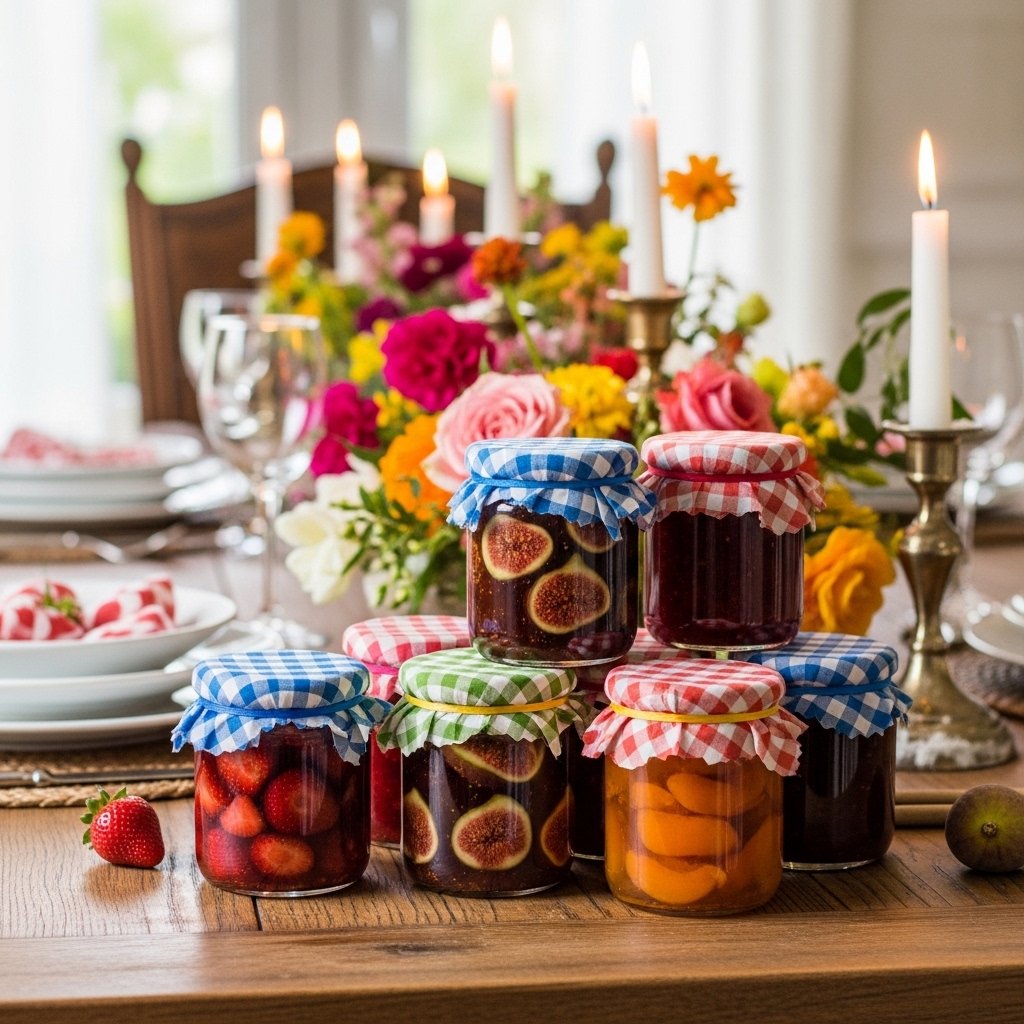
A collection of seasonal fruit preserves, jams, and compotes in beautiful glass jars displayed on the dining table serves as both decoration and condiment simultaneously.
Small glass jars with wax-sealed tops or fabric-tied lids holding strawberry jam, fig preserve, apricot compote, and lemon curd arranged in a cluster on the table between the place settings create a display with the warm color of summer fruit and the domestic quality of home preservation.
The jars are beautiful objects: the jewel-like colors of summer fruit visible through clear glass, the warm amber of apricot compote, the deep red of strawberry jam, the pale yellow of lemon curd. Their arrangement as a table feature rather than a pantry item communicates that the pleasures of the summer kitchen extend to the table’s visual environment.
18. A Dedicated Summer Tablescape That Changes Weekly
The most committed summer dining room decision is the one that treats the table setting as a living design that is refreshed weekly rather than set once and maintained.
Each week a different seasonal centerpiece: one week citrus and herbs, the following week wildflowers and dried grasses, the following week fruit and candles, the following week a single variety of bloom in abundance. The table is perpetually fresh because it responds to what is available each week.
This practice requires no significant budget. Seasonal flowers from a market, herbs from the garden, fruit from the kitchen, and candles renewed regularly produce the weekly refresh that keeps the summer dining room visually alive across the entire season.
The discipline is not in the execution. It is in the commitment to treat the weekly table setting as a creative act rather than a maintenance task.