14 Coffee Bar Station Ideas at Home That Elevate the Morning Ritual
The coffee bar station at home is not a trend response. It is the acknowledgment of a simple truth: coffee is the first ritual of the day and the ritual deserves a proper setting.
Most people make coffee in whatever corner of the kitchen is least inconvenient and consume it standing at the counter checking their phone. A dedicated coffee station converts this functional act into a moment of deliberate pleasure. The quality of the first ten minutes of a morning, spent with a properly prepared coffee in a designed space, changes the quality of everything that follows.
These 14 ideas build the coffee station that earns that first moment of the day.
1. The Floating Shelf Coffee Station
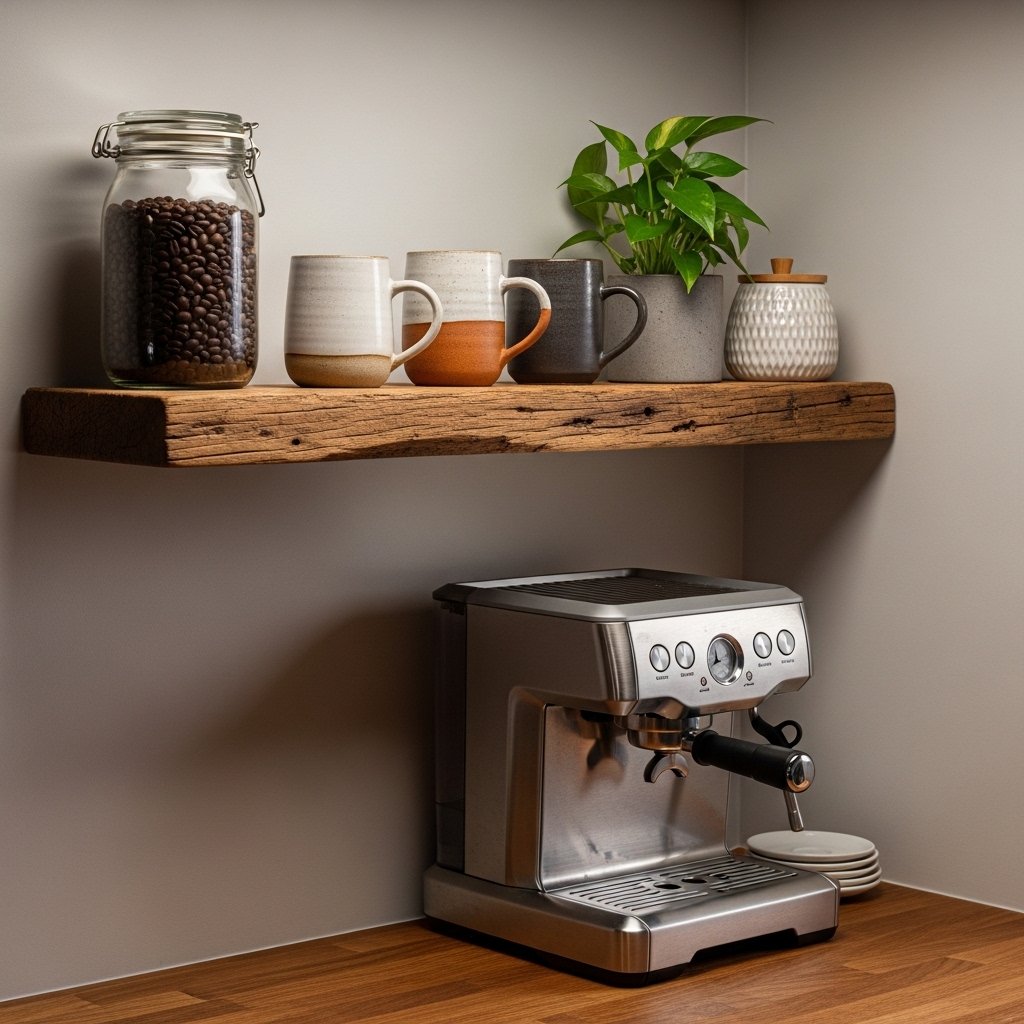
A floating shelf dedicated entirely to coffee, positioned above the coffee maker at the correct height for daily operation, creates a coffee station in the smallest possible footprint without requiring dedicated cabinetry or counter space.
The shelf holds the essentials at arm’s reach: the grinder, a container of beans within reach, a small collection of cups displayed as objects, and one or two styled accessories. The coffee maker sits on the counter below the shelf. The entire setup occupies 60–80cm of counter width and the vertical space above it.
The shelf material should match or complement the kitchen’s existing material language. A reclaimed timber shelf in a modern kitchen creates a warm, handcrafted contrast. A marble shelf in a traditional kitchen extends the material language of the countertop upward.
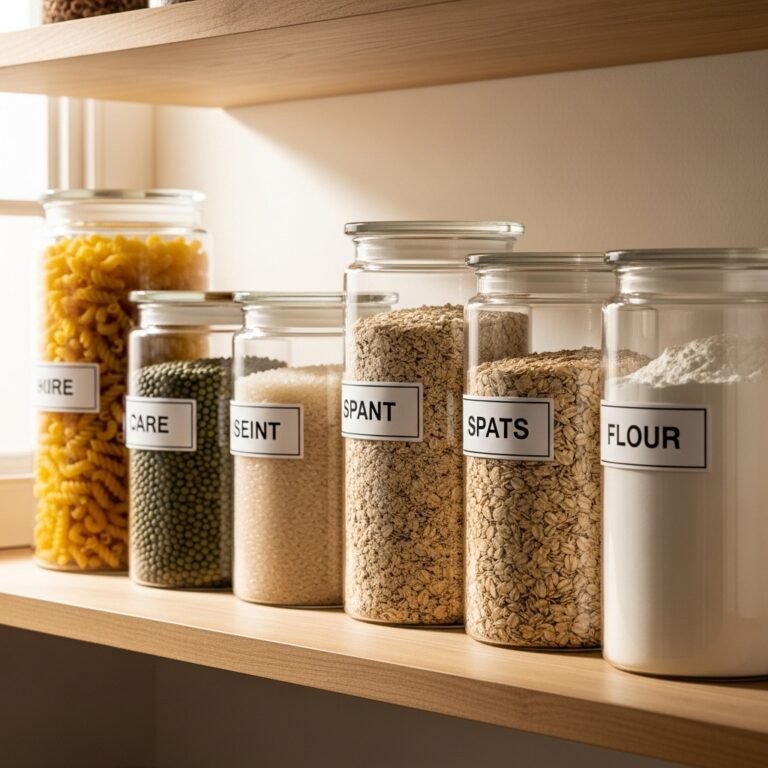
Label the coffee bean container if more than one variety is used. Small ceramic labels or simple kraft paper tags on storage jars create the retail-quality organization that transforms a kitchen shelf into a coffee station.
2. The Dedicated Counter Zone With Custom Signage
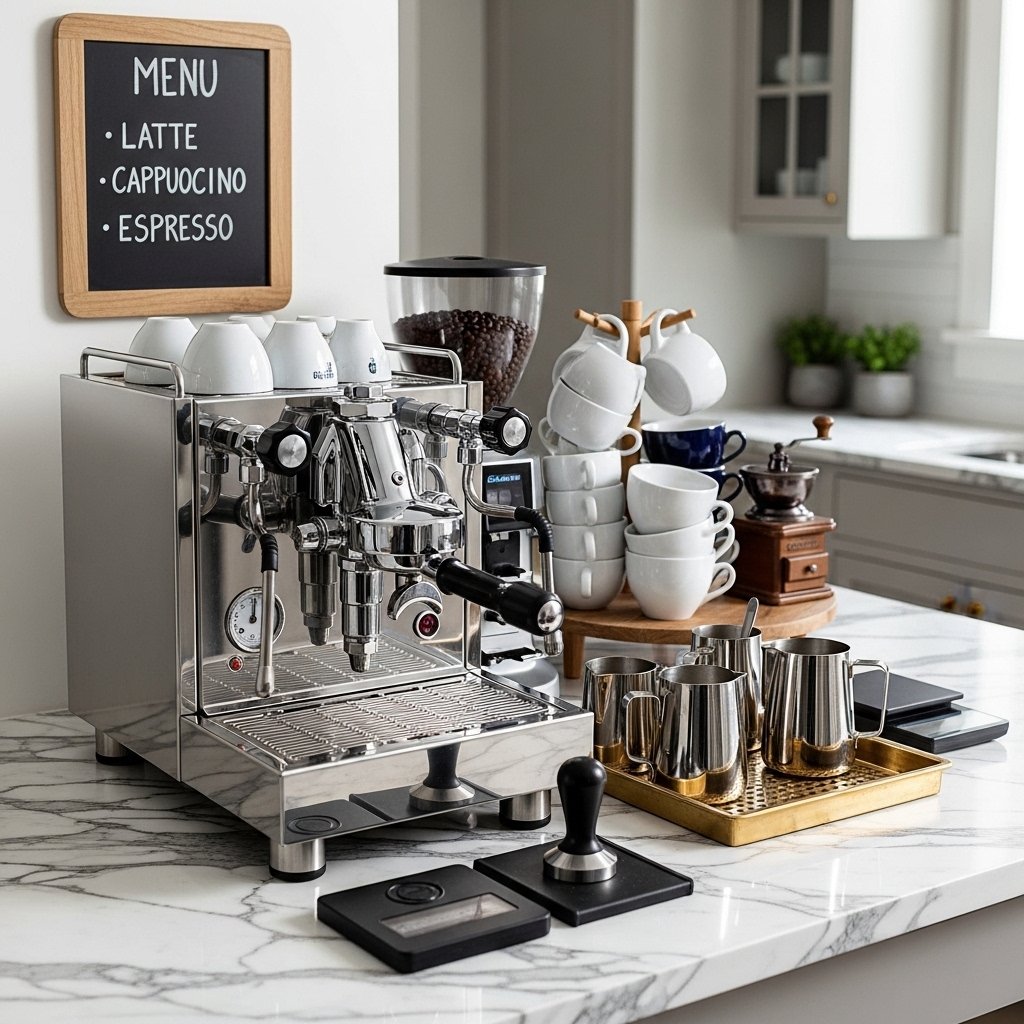
A dedicated section of kitchen counter, clearly delineated from the food preparation areas by a different surface material, a small section of tile backsplash, or simply by the organized arrangement of coffee equipment, creates a coffee station with visual identity within the kitchen.
Custom signage, a small framed print or a chalkboard with the station’s name, menu, or a simple coffee-related quote, gives the zone a specific character that makes the space feel considered rather than functional.
The surface of the coffee station counter benefits from being easy to wipe clean. Coffee drips and grounds require a surface that tolerates frequent cleaning without damage. Sealed marble, porcelain tile, or a waterproof timber treatment are appropriate.
A small tray on the counter surface corrals the daily coffee tools, tamper, spoon, scale, and portafilter, into a contained zone within the station zone. The tray creates order within the organized space.
3. The Built-In Cabinet Coffee Station
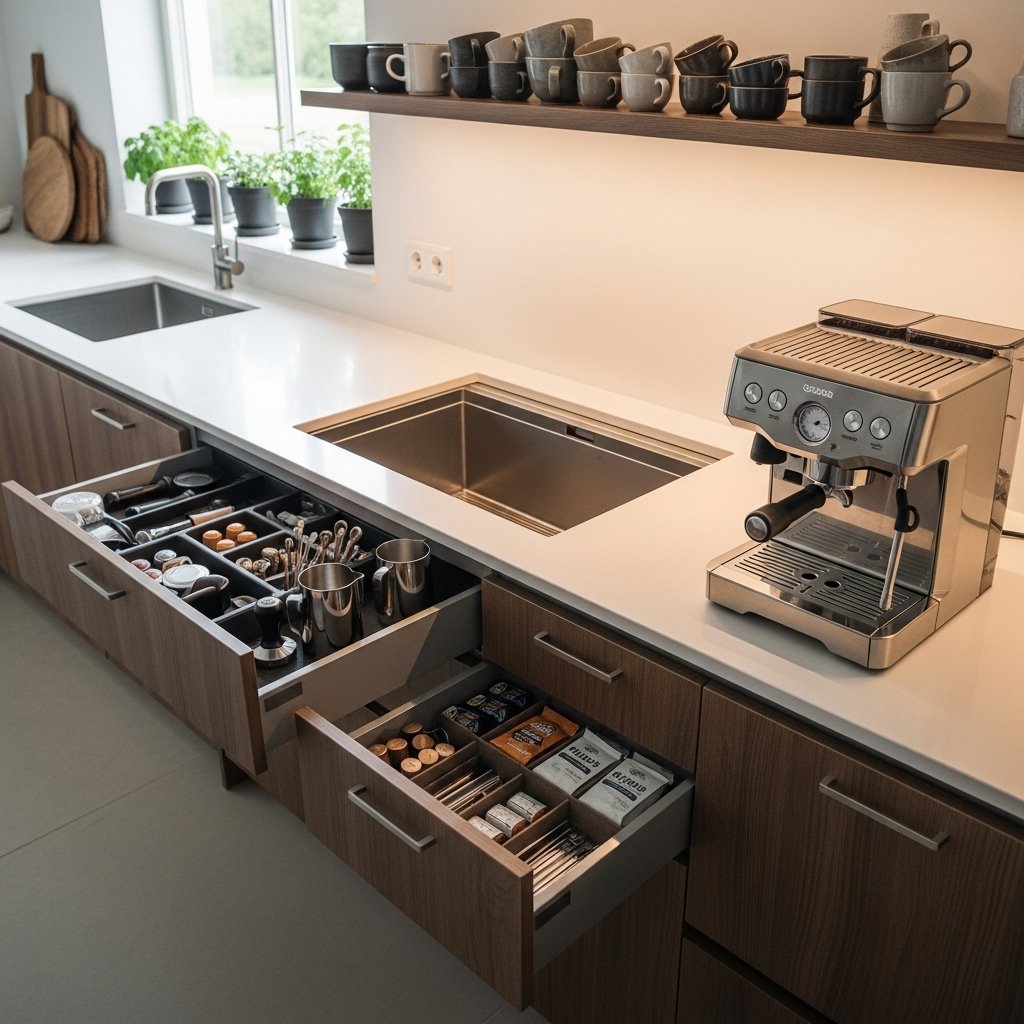
A section of kitchen cabinetry dedicated entirely to coffee, with the coffee maker recessed into a cabinet at the correct height, power supplied internally, and all coffee accessories stored in adjacent drawers and shelves, creates the most resolved and architecturally complete coffee station available.
The recessed coffee maker, positioned at counter height rather than sitting on the counter surface, eliminates the visual clutter of a large appliance occupying counter space. The machine is accessed by opening the cabinet doors. When not in use, the cabinet closes and the machine disappears.
Drawers below the recessed machine hold pods, beans, ground coffee, and accessories in organized compartments. A pull-out tray in front of the machine provides a working surface for cup placement and preparation.
This setup represents the highest investment in coffee station design and the highest return in terms of kitchen visual quality and daily functional experience.
4. The Bar Cart Coffee Station
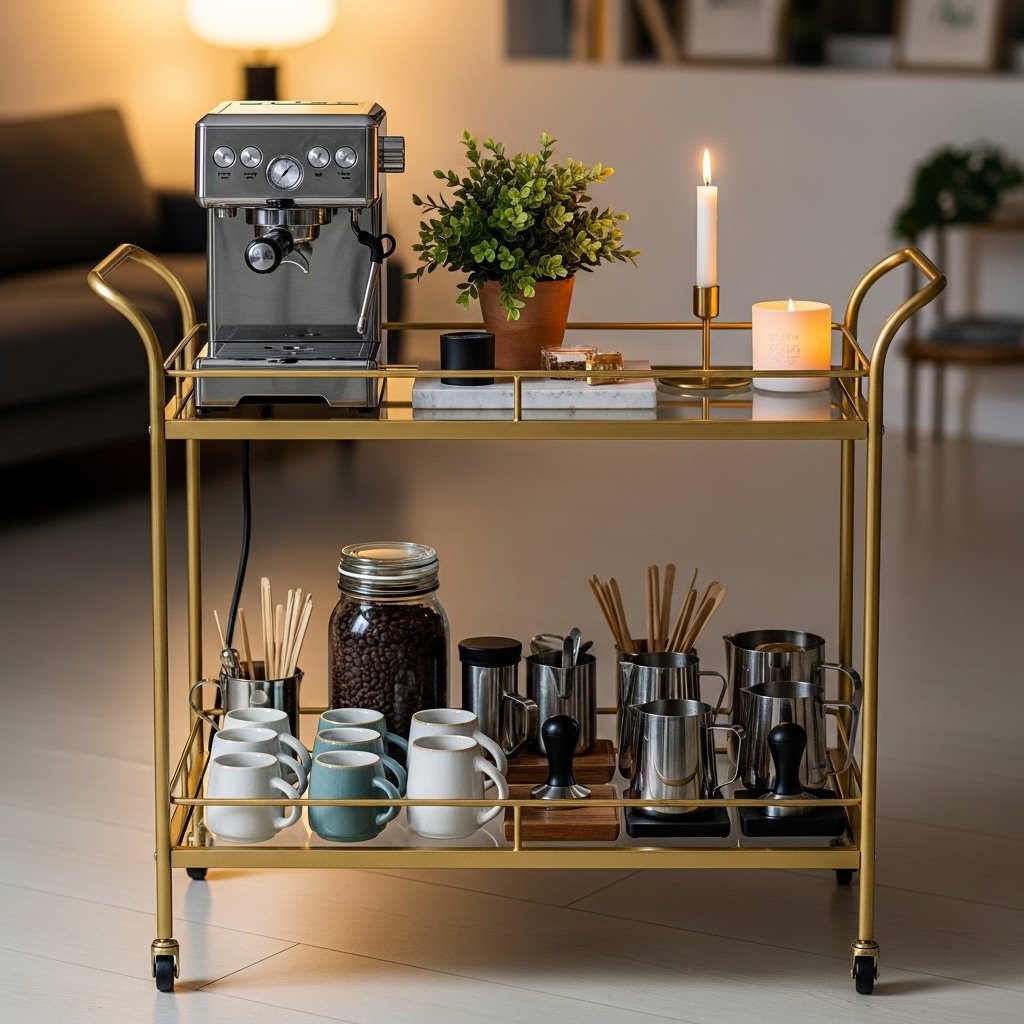
A bar cart repurposed as a mobile coffee station creates a coffee setup that is freestanding, movable, and visually distinctive without requiring any installation or counter dedication.
A two-tier bar cart in gold, black, or natural timber carries the coffee maker on the top tier and storage, cups, beans, and accessories on the lower tier. The mobility allows the coffee station to be positioned where it is needed: in the kitchen for weekday mornings, moved to the dining room for weekend brunches.
The styling of a bar cart coffee station follows the same principles as a styled bar cart: a few beautiful objects alongside the functional equipment. A small plant or vase of flowers. A quality candle. A stack of ceramic saucers.
The cart’s wheels mean it moves entirely. For a rental apartment where permanent installations are not permitted, a bar cart coffee station achieves the visual quality of a dedicated station with complete flexibility.
5. The Vintage Sideboard Coffee Station
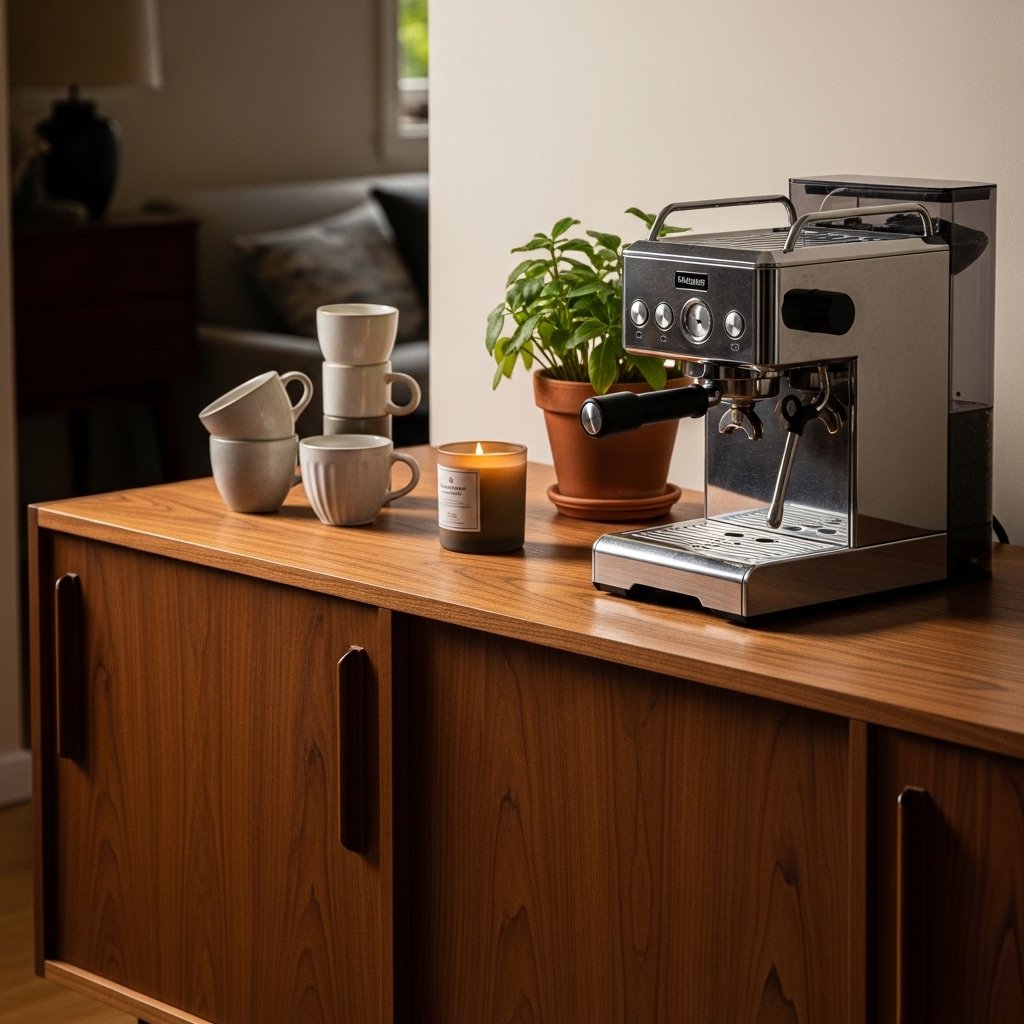
A vintage sideboard or credenza repurposed as a coffee station creates the most materially rich and most visually substantial home coffee setup available. The piece of furniture is the station and the station is the piece of furniture.
A mid-century timber sideboard with sliding doors or drawers provides ample storage for everything coffee-related: multiple bean varieties, filters, a grinder, cups, saucers, sugar, and seasonal accessories. The top surface holds the coffee maker and styled display.
The vintage provenance of the sideboard communicates that the coffee station was created from genuine care rather than from a shopping list. A sideboard that was found at an estate sale and given this purpose has a quality of intentional repurposing that no purpose-built coffee furniture replicates.
Style the top surface with the same discipline applied to any significant display surface: the coffee maker, a small plant, a quality candle, and one or two beautiful objects. No more.
6. The Neon Sign Coffee Corner
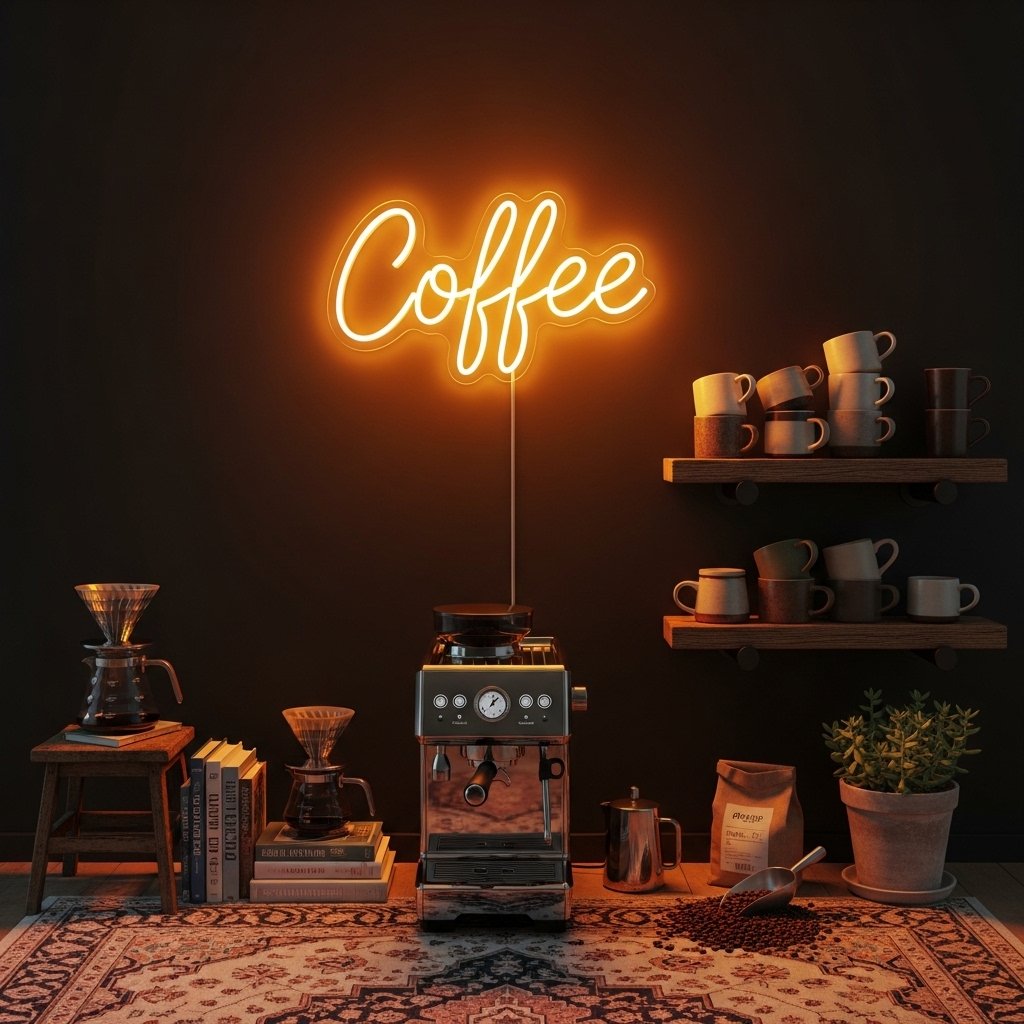
A coffee station anchored by a neon sign creates a social media moment within the home while serving a genuine lighting and styling purpose.
A warm white or amber neon sign in a coffee-specific phrase, a simple “coffee” in script, a coffee cup outline, or an original phrase that belongs to the household, mounted on the wall above the coffee station creates a permanent visual focal point for the corner.
The neon’s warm glow at morning, when the kitchen is often in transitional light between night and day, supplements the ambient lighting specifically at the coffee station and creates the warm, inviting atmosphere that makes the morning ritual feel like a destination.
The sign should be simple. One word or one simple form in a clean neon or LED tube. The complexity is in the coffee station itself, not in the sign.
7. The Scandinavian Minimal Coffee Station
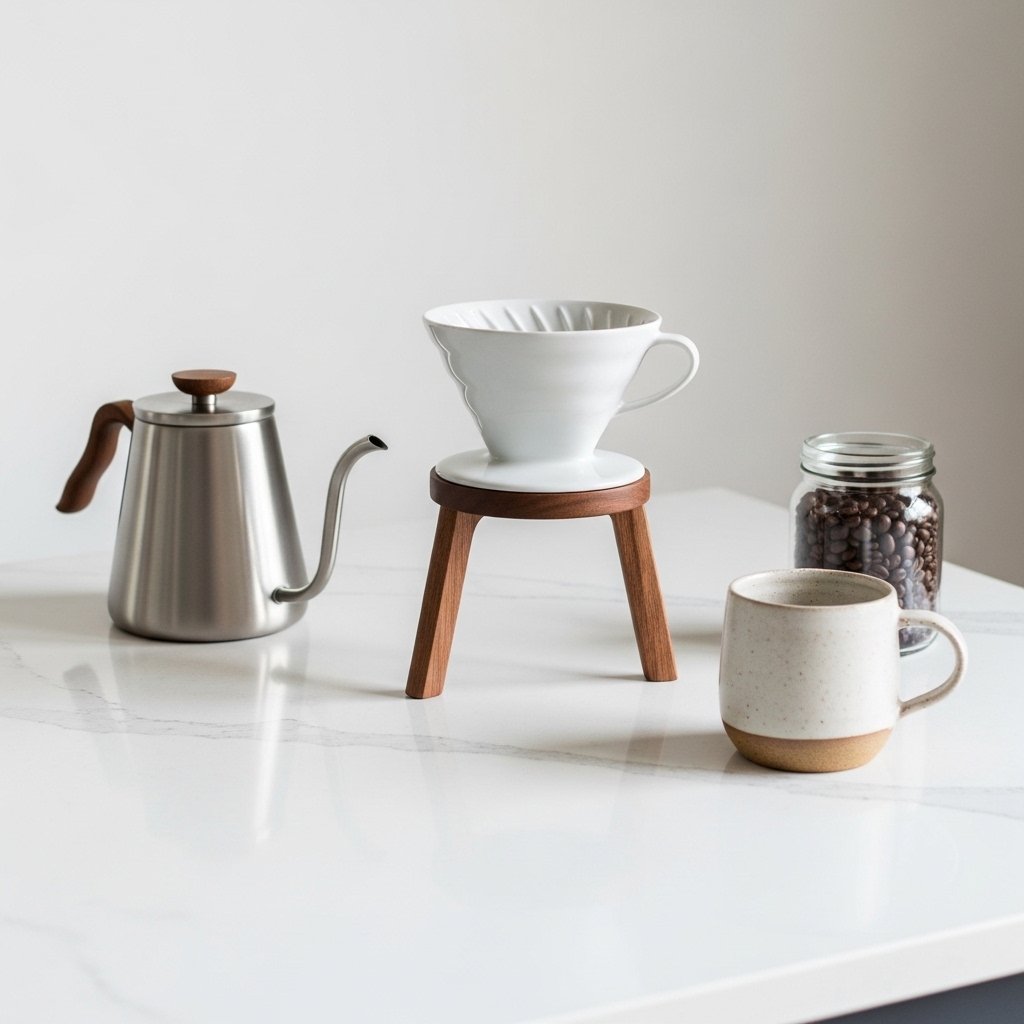
The Scandinavian approach to coffee station design reduces the setup to the absolute minimum without losing the quality that the minimum exists to serve.
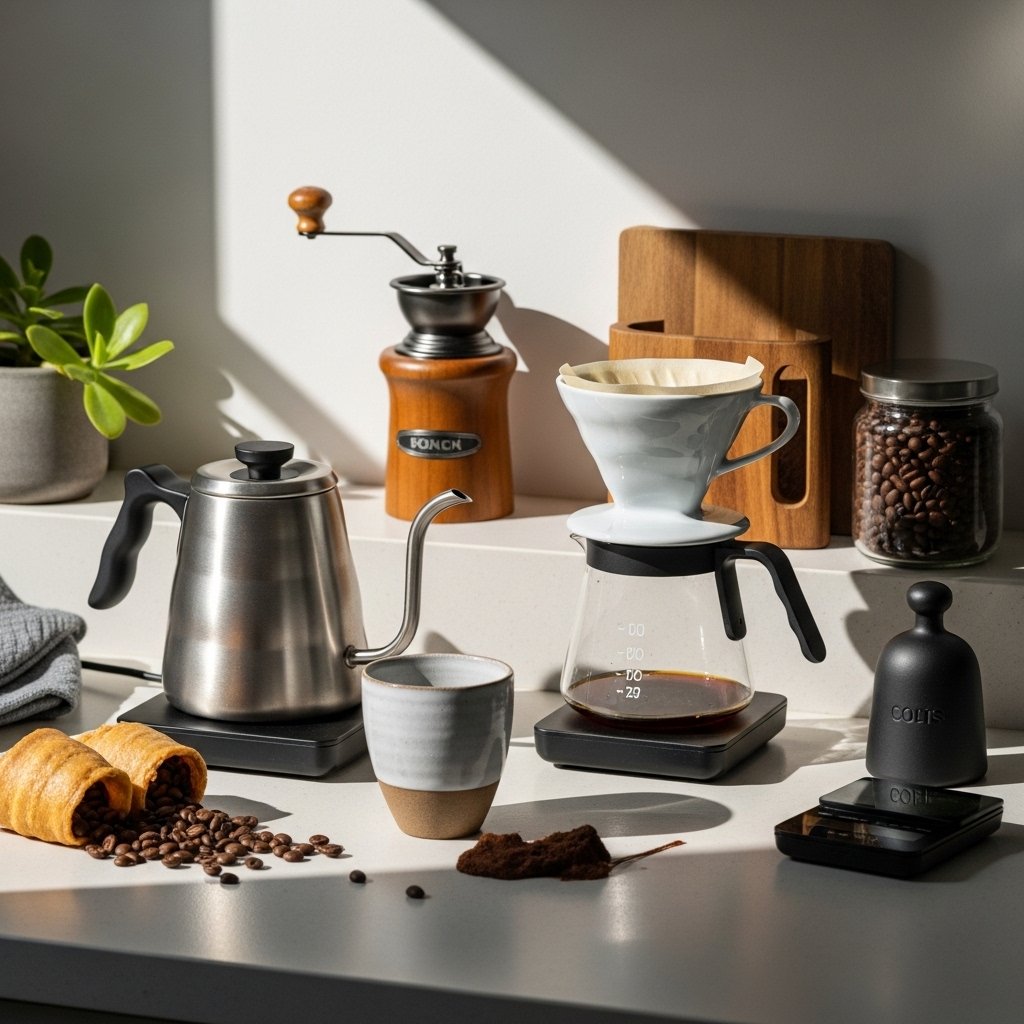
A single quality pour-over dripper on a timber stand. A kettle with a precise temperature control and a beautiful form. One ceramic cup in a simple glaze. A small jar of single-origin coffee. These four objects on a clear counter surface constitute the Scandinavian minimal coffee station.
Nothing beyond what serves the coffee preparation. No accessories that exist to be seen rather than used. No signage, no labels, no decorative objects that are not functional. The quality of the coffee is the decoration.
The timber of the dripper stand, the ceramic of the cup, and the stainless steel of the kettle are chosen for their inherent material beauty rather than for any applied decoration. The objects are beautiful because they are well made.
8. The Wall-Mounted Pegboard Coffee Station
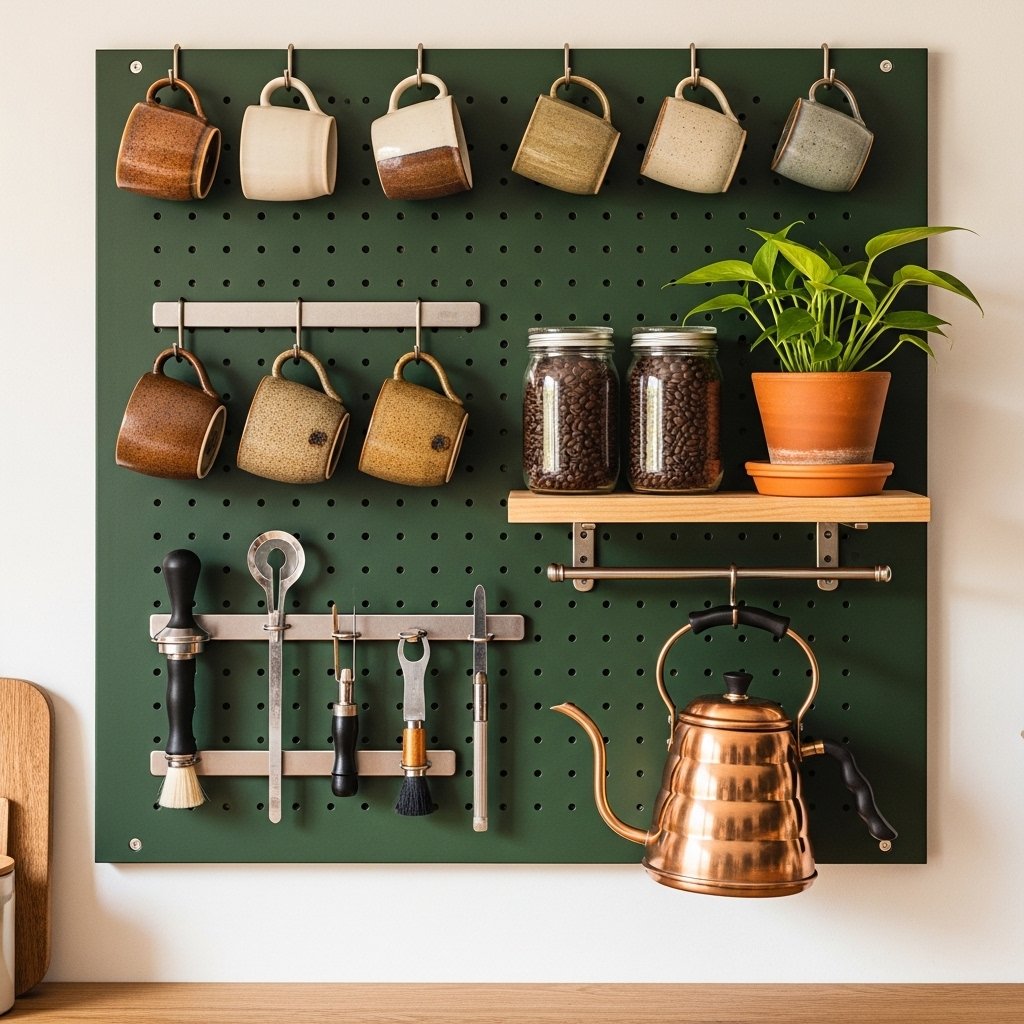
A pegboard panel mounted on the kitchen wall, painted to match or contrast with the wall, with hooks, small shelves, and magnetic strips holding every coffee tool and accessory, creates a vertical coffee station that takes zero counter space and provides maximum accessibility.
Hooks hold mugs by their handles in a row. A small shelf holds the bean jar and sugar container. A magnetic strip holds a timer, a thermometer, and small metal implements. S-hooks hold the kettle by its handle when not in use on the counter below.
The pegboard system is infinitely reconfigurable. As the coffee setup evolves, the organization responds to it without requiring new furniture or installations. Add a hook here. Reposition a shelf there. The system adapts.
Paint the pegboard a deep color, forest green, charcoal, or navy, for a coffee station that reads as a designed feature wall rather than a utility board.
9. The Marble and Brass Luxury Coffee Station
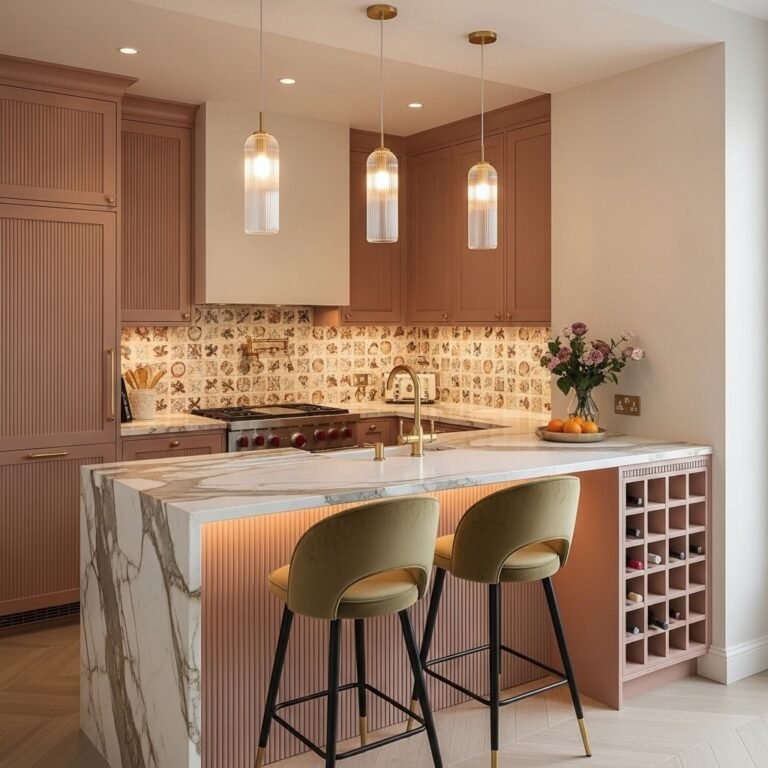
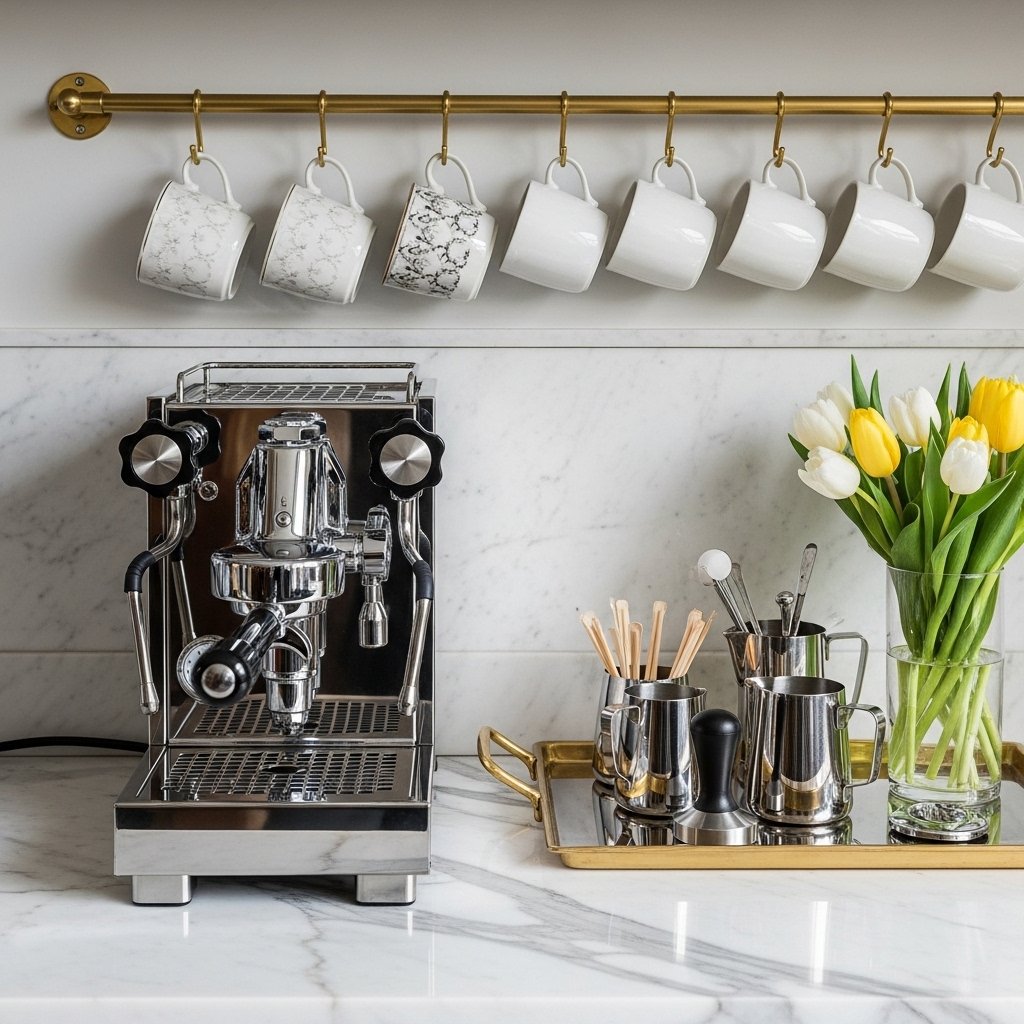
A coffee station built entirely from luxury materials, a marble surface or marble-tiled section, brass accessories and hardware, quality ceramic cups displayed on a brass rail, and a professional-grade coffee machine, creates the most visually aspirational home coffee setup available.
The marble section can be a dedicated counter zone with marble tile laid specifically for the coffee station, a marble slab positioned on an existing counter, or a marble-topped trolley. The material communicates that the morning ritual is taken seriously enough to invest in the environment around it.
Brass accessories: a brass tray holding the daily preparation tools, brass S-hooks on a wall rail holding cups, a brass label holder on the bean jar, and brass hardware on any adjacent cabinetry create a material language of warmth and quality that suits the marble backdrop.
10. The Cottage Core Coffee Nook
The cottage core coffee nook translates the warmth and handmade quality of the cottage aesthetic into a coffee station with the specific character of a space that has evolved organically rather than been designed deliberately.
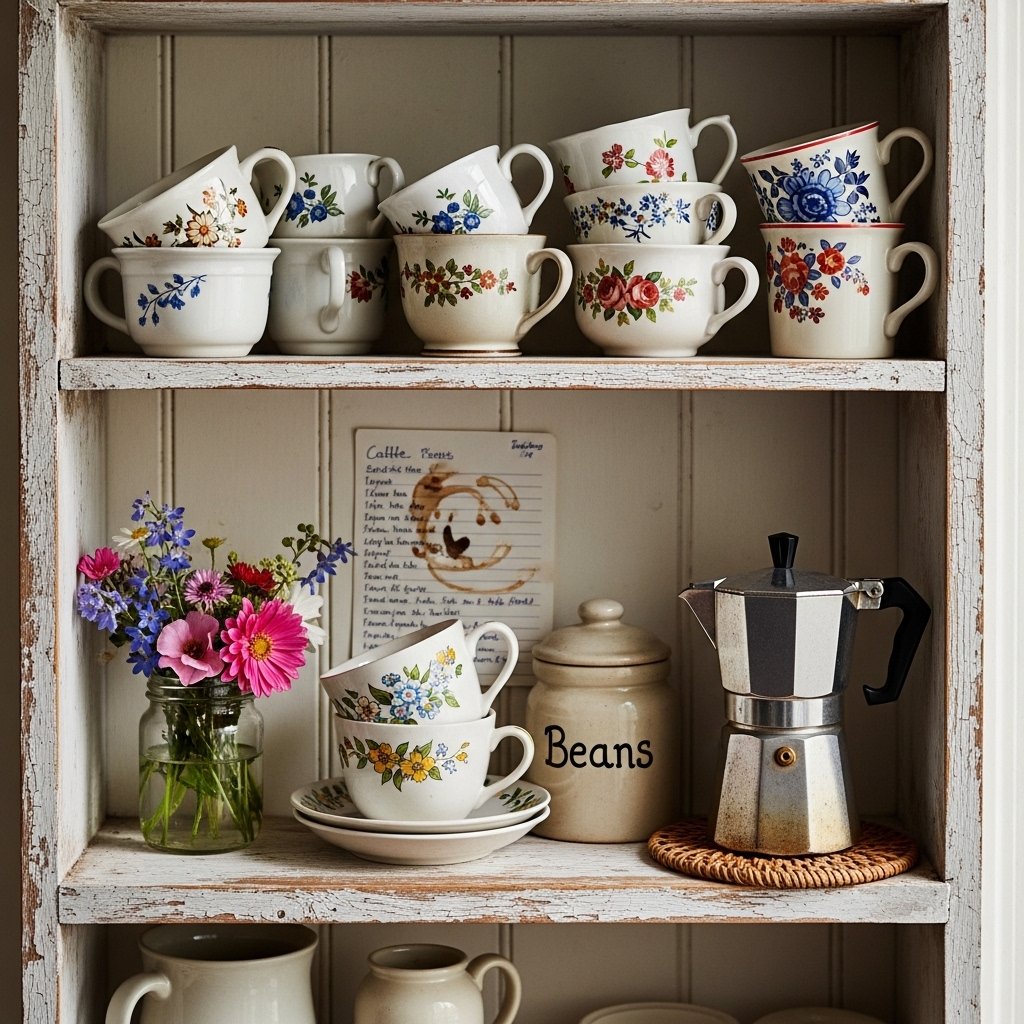
Vintage or mismatched ceramic cups in various sizes displayed on open shelving. A handmade pottery canister for beans. A wildflower arrangement in a small jug. A handwritten recipe card for the morning blend. A well-used wooden spoon for measuring. The small, humble, genuinely used objects that define the cottage kitchen applied to the coffee ritual.
The coffee maker in this context should be simple: a stovetop moka pot, a ceramic pour-over, or a vintage-style percolator rather than a modern espresso machine. The aesthetic and the equipment belong to the same design tradition.
11. The Dark and Moody Coffee Bar
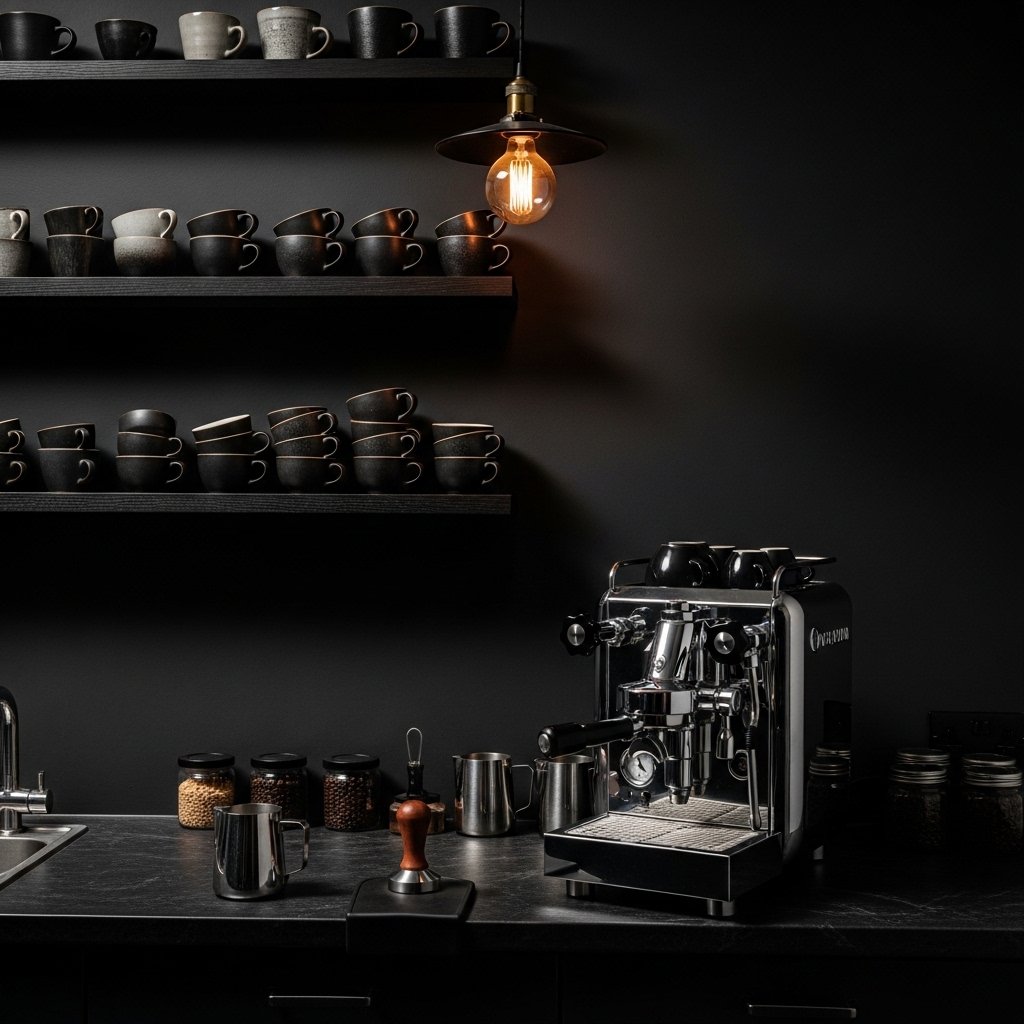
A coffee bar designed in the dark aesthetic of a specialty coffee shop, matte black surfaces, dark timber, dim warm lighting, and the specific atmosphere of a space taken seriously, creates a home coffee environment with professional character.
Matte black painted walls or backsplash behind the coffee station. Black or dark timber shelves holding quality cups and accessories. A quality espresso machine in chrome or matte black. Warm Edison bulb pendant lighting directly above the station. Dark stone or concrete counter surface.
The dark coffee bar is the home equivalent of the serious, independent specialty coffee shop that has stripped away everything superfluous and focused entirely on the coffee and the environment that makes the coffee mean something.
An espresso machine in chrome against matte black surfaces creates the visual tension between reflective and absorptive that makes the station’s materials interesting at close range.
12. The Outdoor Coffee Station
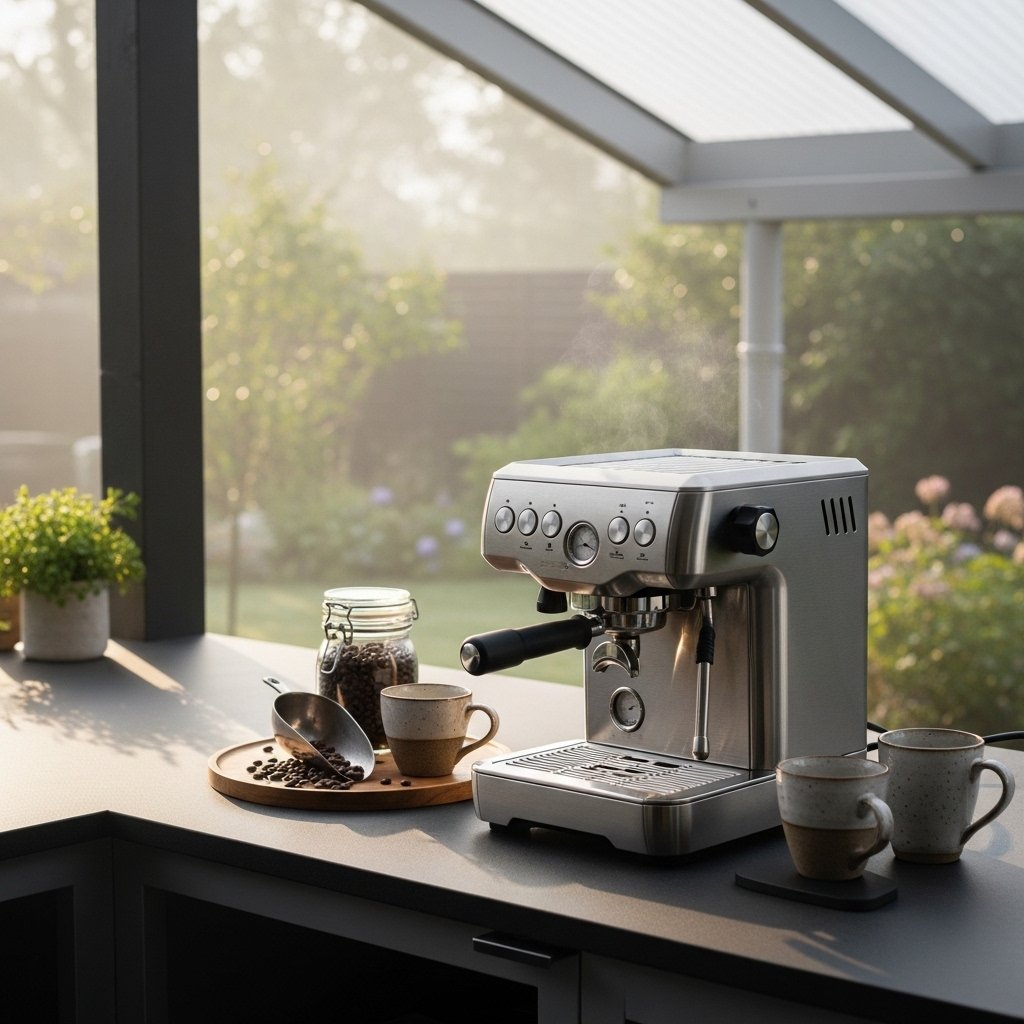
A coffee station positioned outside, on a covered patio, a sheltered balcony, or in an outdoor kitchen, creates the most pleasurable morning ritual available to the home: coffee made and consumed in fresh air, in the garden, in the specific quality of morning light that no interior can replicate.
A weatherproof counter section on a covered patio, a small outdoor kitchen area with a power supply for the coffee maker, and outdoor cups and accessories stored in a weatherproof cabinet creates a fully functional outdoor coffee station.
The specific pleasure of making and drinking the first coffee of the day outside, in summer morning air, surrounded by the garden’s sounds and smells, is the home coffee experience with the highest return on any investment made to create it.
Electrical safety for outdoor power supplies is mandatory. All exterior electrical installations must meet the relevant safety standards for outdoor and wet environments. The pleasure is not worth the risk if the installation is not safe.
13. The Coffee and Reading Corner Combined
A coffee station positioned within or immediately adjacent to a reading corner creates the most domestically complete and most pleasurable morning ritual available: coffee and reading in a designed space that serves both simultaneously.
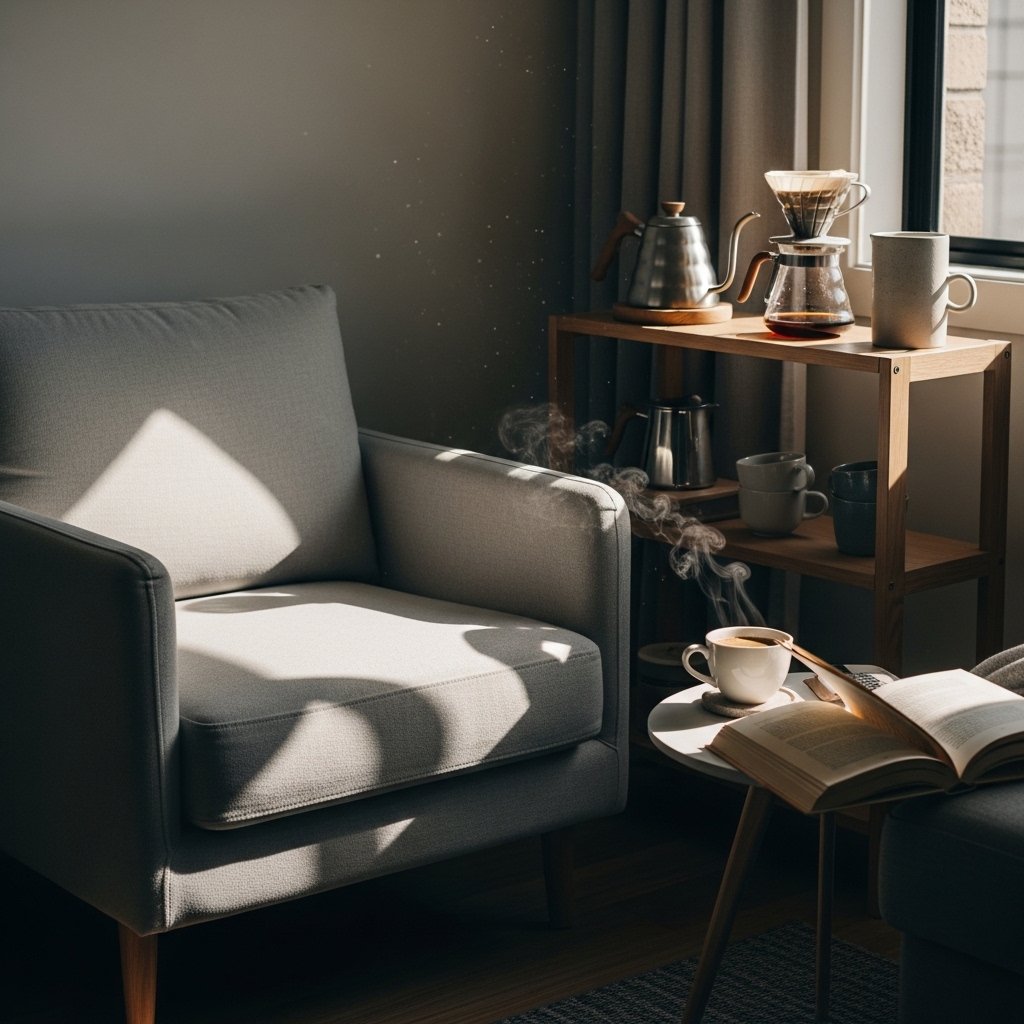
An armchair with a side table positioned beside the coffee station creates a single zone that accommodates the full morning ritual from preparation through consumption through the quiet reading time that the best mornings contain.
The side table height should accommodate a cup comfortably without requiring the reader to lean or stretch. A small shelf below the table holds the current book, a spare candle, and a small plant. The coffee station is within arm’s reach without requiring the reader to stand.
The corner should receive morning light. The combination of a good cup, a good book, morning light, and a designed space that clearly prioritizes the quality of this ritual is the domestic experience of the highest order.
14. The Scent and Ritual Coffee Station
The most considered coffee station acknowledges that coffee preparation is a multi-sensory ritual and designs for all the senses the ritual engages simultaneously.
The scent of freshly ground beans. The sound of water at the correct temperature. The weight of a quality cup in the hand. The visual quality of a beautiful pour. The taste of well-prepared coffee. Each sense engaged deliberately by the specific quality of the objects and materials chosen for the station.
A quality hand grinder with a satisfying mechanical action. A gooseneck kettle with a thermometer and a pleasing pour quality. Ceramic cups with a weight and warmth in the hand that communicate quality. A scale that provides precise measurement without digital distraction.
These are the objects of a coffee ritual designed to be complete in itself. Not a means to caffeine. A morning ceremony that happens to produce caffeine.