13 Summer Color Palette Ideas for Home That Feel Alive
Color is the most immediate design decision and the one most people get wrong in summer. They either change nothing as the season shifts or they make surface swaps that feel timid rather than transformative.
A genuine summer color palette is not a pale version of the room’s winter colors. It is a considered shift in warmth, saturation, and the relationship between color and light that summer’s specific quality of illumination demands.
These 13 palette ideas respond to summer light with genuine intelligence.
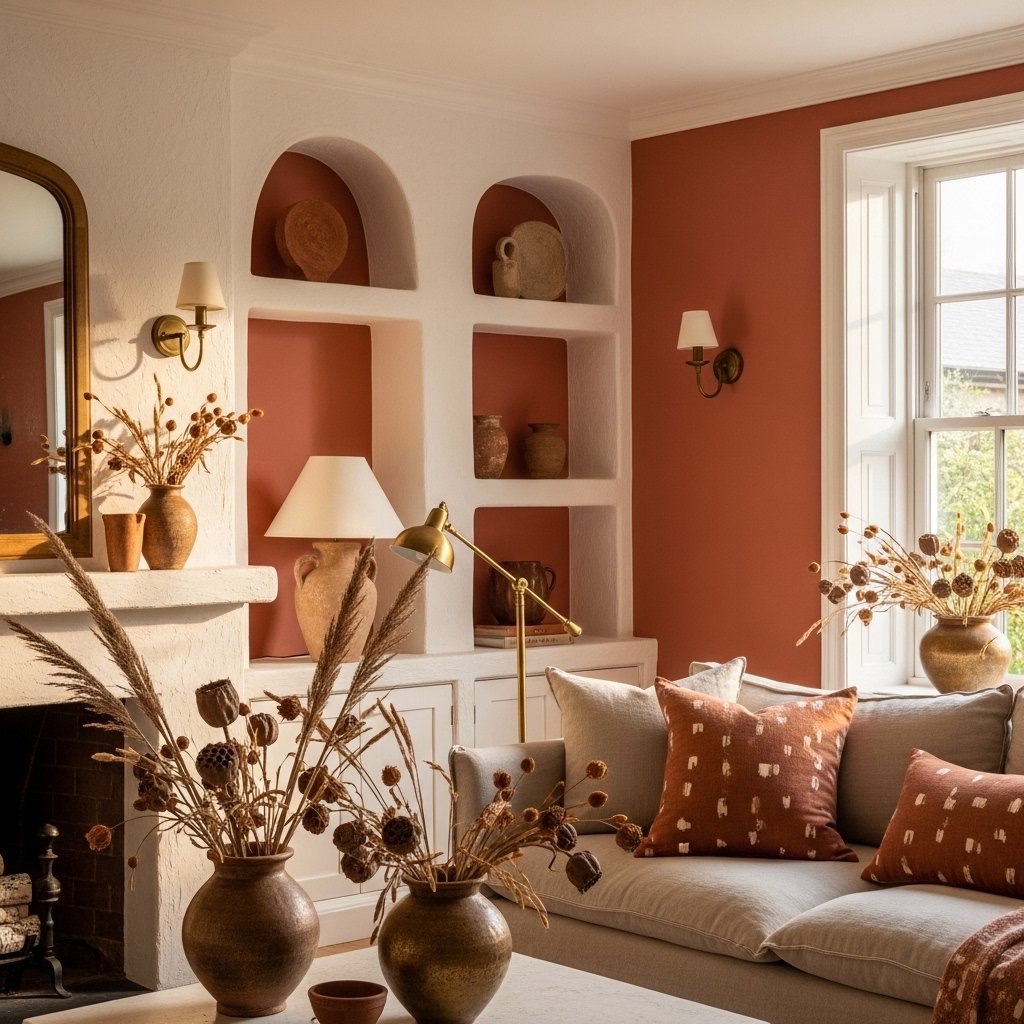
1. Terracotta, Warm White, and Aged Brass
The palette of sun-baked Mediterranean architecture translated into a living interior.
Terracotta on walls, warm white on architectural surfaces, and aged brass on every metal element creates a room that absorbs summer light and gives it back as warmth. The three elements are not in contrast. They are in conversation, each amplifying the others.
This palette performs most beautifully in rooms with west-facing windows where afternoon and evening light enters at an angle that makes terracotta walls appear to glow from within.
Accent with natural linen in undyed cream and dried botanical arrangements in warm brown and ochre tones. Avoid any blue or cool-toned accessory. This palette is entirely warm and the introduction of cool tones breaks the cohesion immediately.
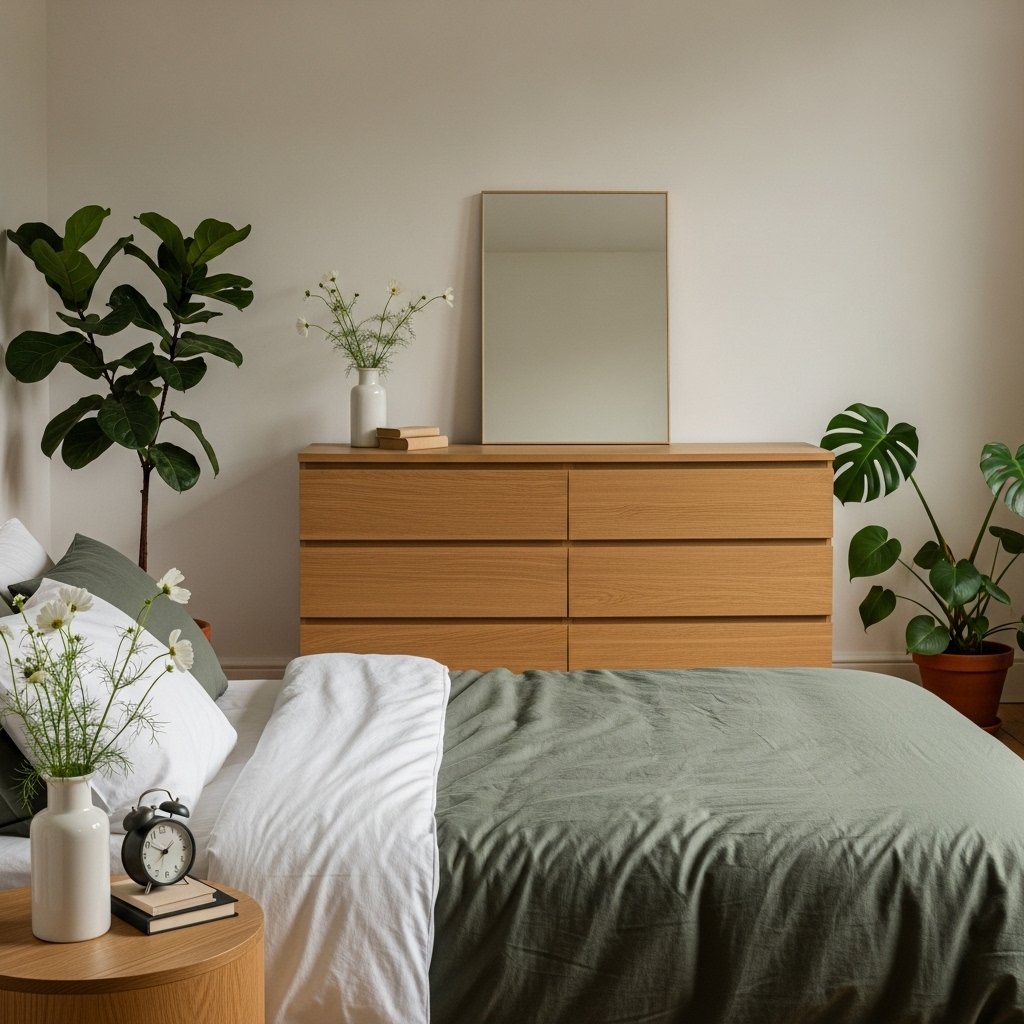
2. Soft Sage, Warm Linen, and Natural Timber
The palette of a summer garden brought indoors.
Soft sage green, the color of olive leaves in bright sun rather than the blue-green sage of cooler palettes, paired with warm linen neutrals and the honey tones of natural oak or pine creates a room that reads as simultaneously fresh and warm.
This palette works in rooms with east or north-facing windows where cooler morning light benefits from the warmth that the linen and timber introduce. The sage provides freshness without coldness. The linen and timber prevent the palette from reading as cold.
Add large leafy plants in dark green tones to deepen the botanical reference. White flowers in a simple ceramic vase as the seasonal accent. The palette improves with every plant added and every piece of white introduced.
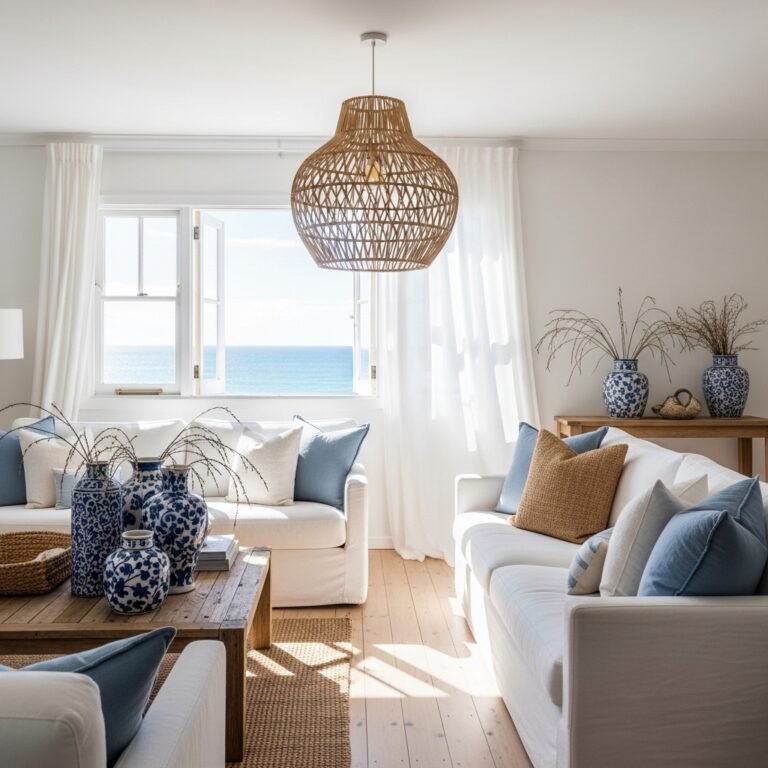
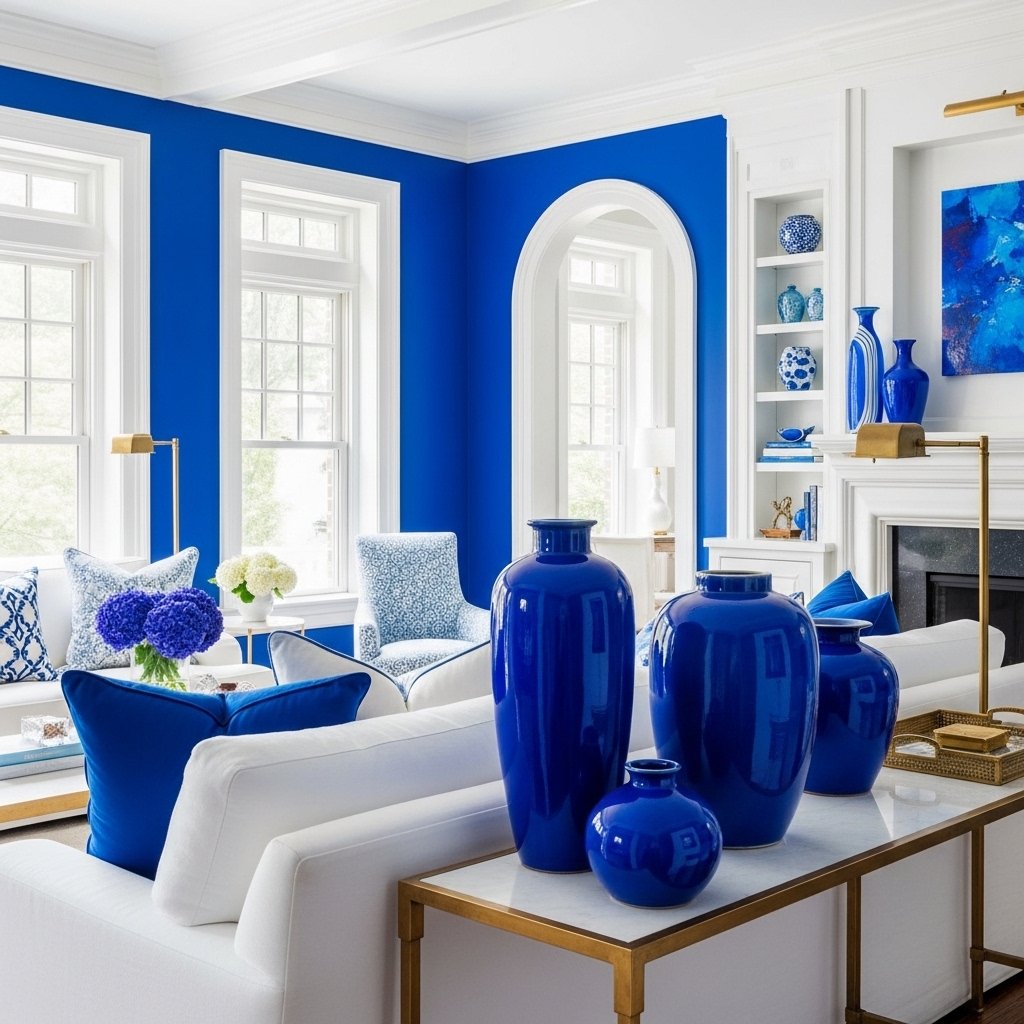
3. Cobalt Blue and Brilliant White
The most iconic summer palette in the history of interior design. Greek island architecture photographed from a thousand different angles for a century. Still completely correct in 2026.
The cobalt must be genuine cobalt, saturated and deeply blue, not a washed-out or greyed version. The white must be brilliant, clean, and without warm undertone. The contrast between these two is the palette’s entire power.
Used in summer specifically because the brightness of summer light is strong enough to make both colors perform at their fullest intensity. The same palette in winter light reads as cold rather than fresh.
Accessories in warm brass, aged terracotta, and natural timber prevent the palette from becoming purely coastal-themed and anchor it in a more broadly Mediterranean tradition.
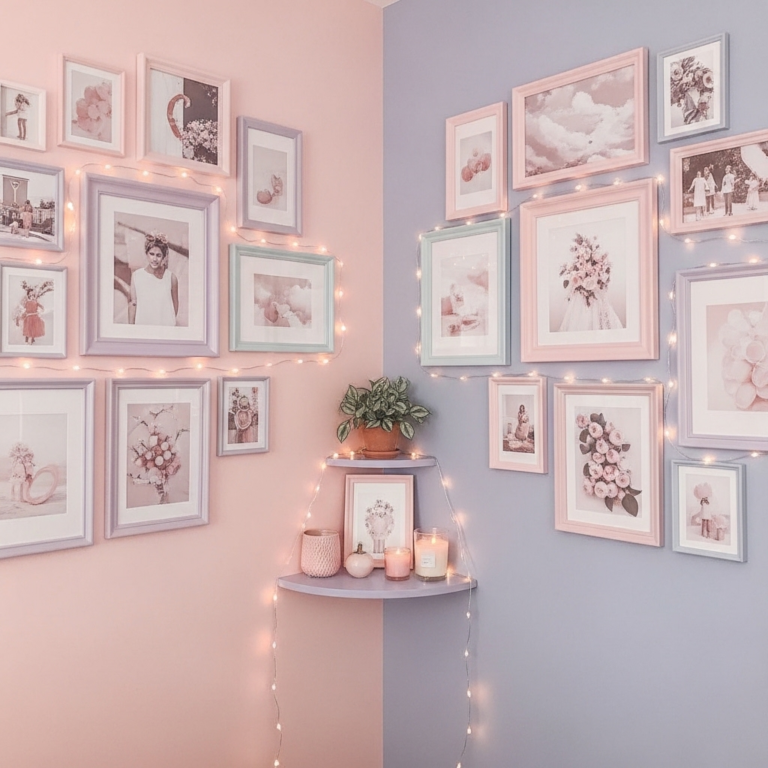
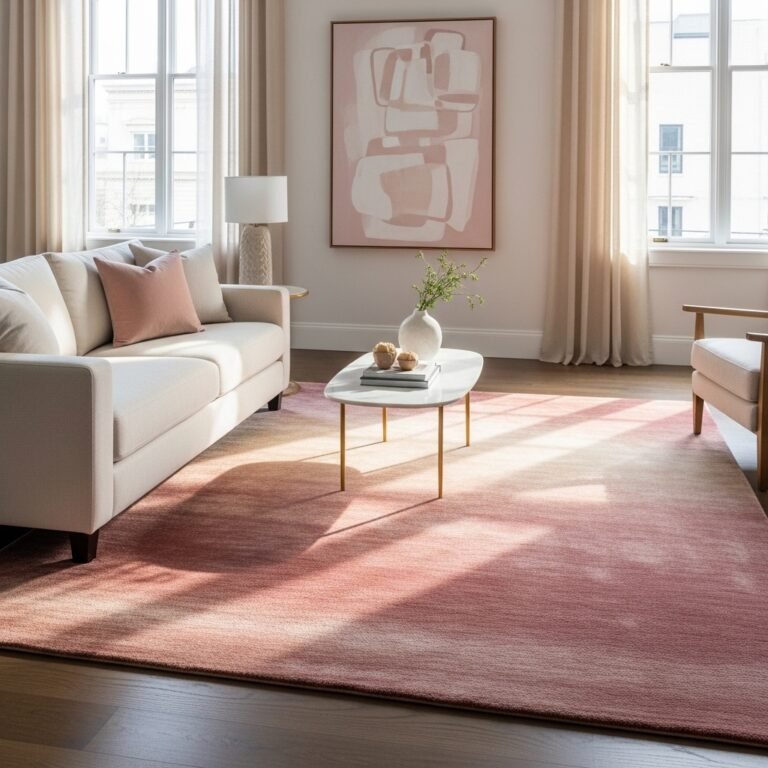
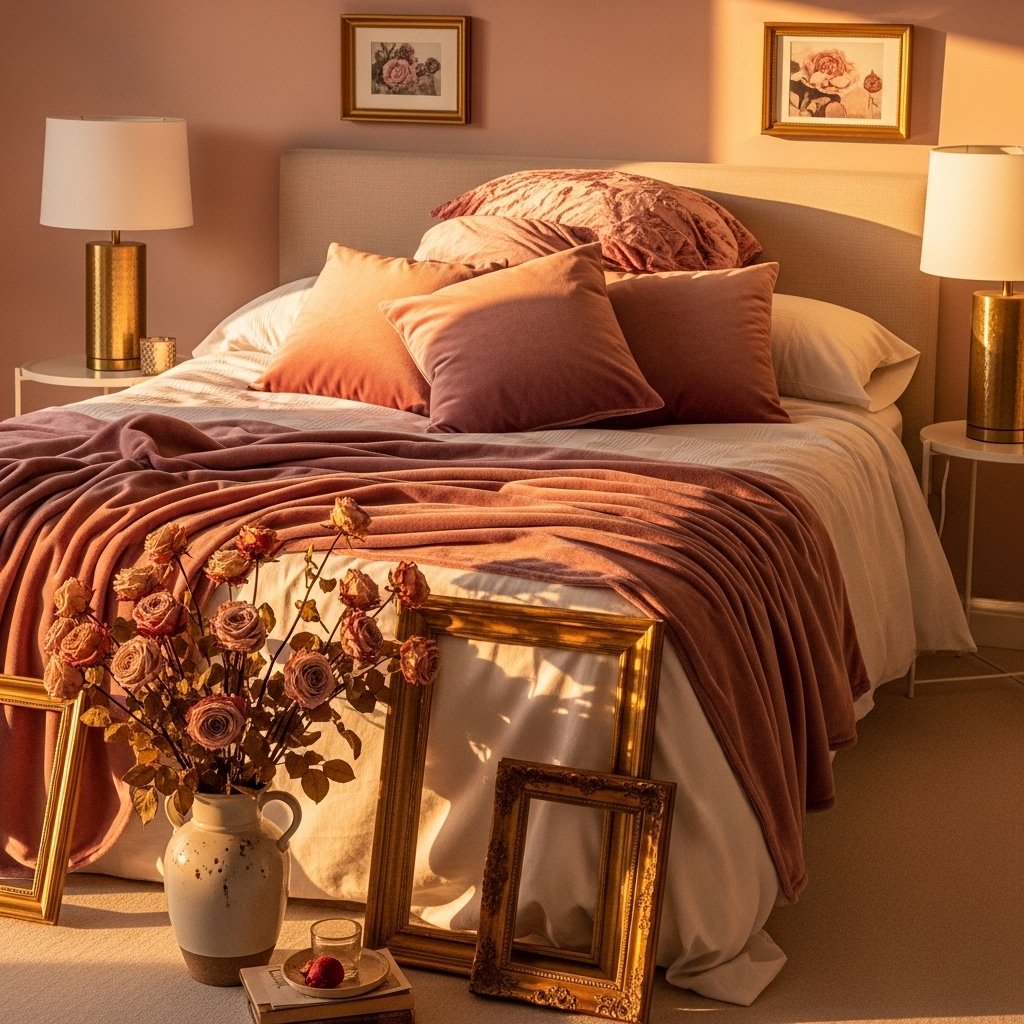
4. Dusty Rose, Cream, and Warm Gold
A summer palette that is specifically feminine without being girlish and warm without being heavy.
Dusty rose, a pink with significant grey and mauve content rather than a sweet pink, paired with cream and warm gold creates a room with the quality of a late summer afternoon: warm, slightly faded, deeply beautiful.
This palette suits bedrooms and sitting rooms specifically. It is too intimate for public rooms but exactly right for rooms where the quality of quiet time is the design priority.
Velvet in dusty rose for cushions and throws. Cream linen for the primary upholstery. Warm gold in lamp bases, picture frames, and hardware. Natural dried flowers in amber and blush tones as the seasonal arrangement.
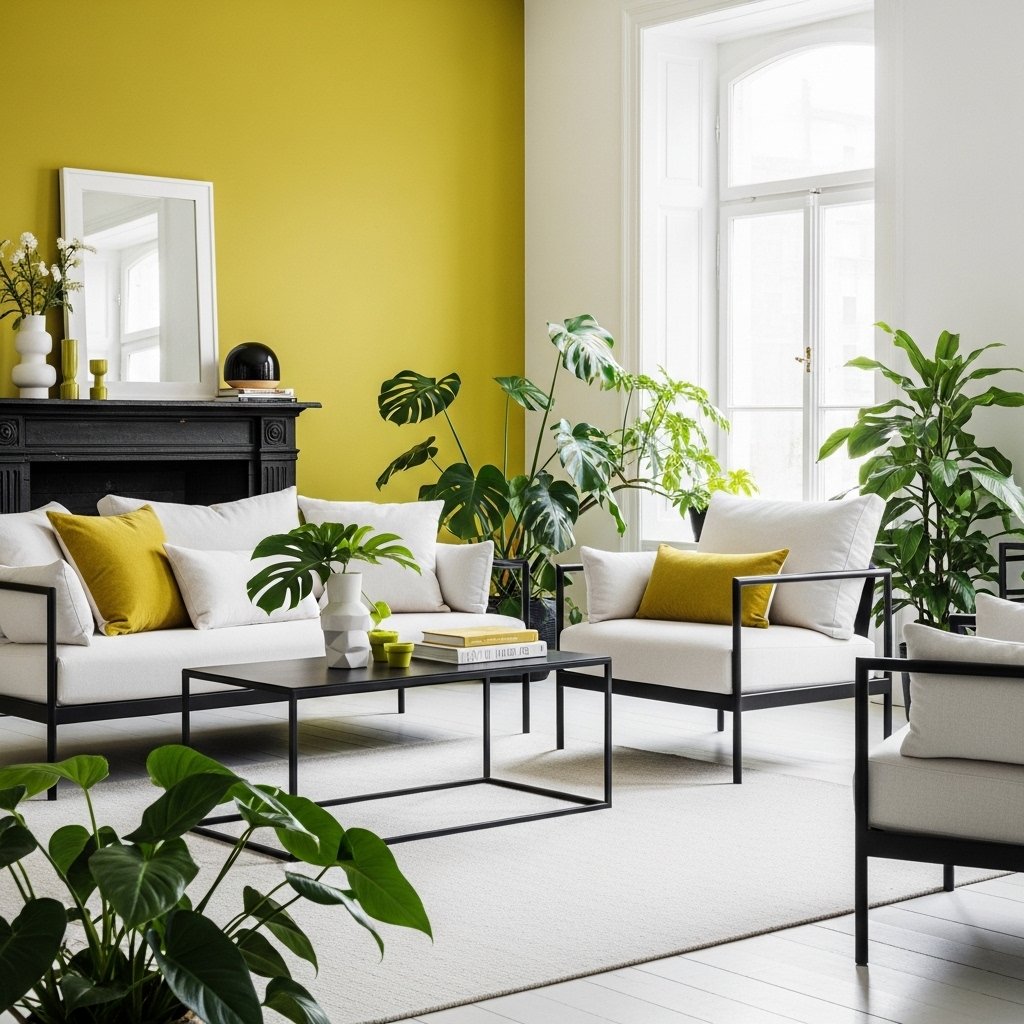
5. Warm Chartreuse, Natural White, and Black
The most energetic and unexpected summer palette direction in 2026.
Warm chartreuse, a yellow-green with genuine saturation and warmth rather than the acidic cool chartreuse that reads as aggressive, paired with natural white and matte black creates a room with vitality, graphic clarity, and a contemporary freshness that more expected palettes lack.
This palette requires confidence in the chartreuse. A subdued or uncertain version of it produces a palette that reads as neither green nor yellow and pleases nobody. The commitment to the full warmth and saturation of the color is what makes it work.
Black as the third element provides grounding and contrast that prevents the chartreuse from overwhelming the room. Natural white provides breathing room between the two bolder choices.
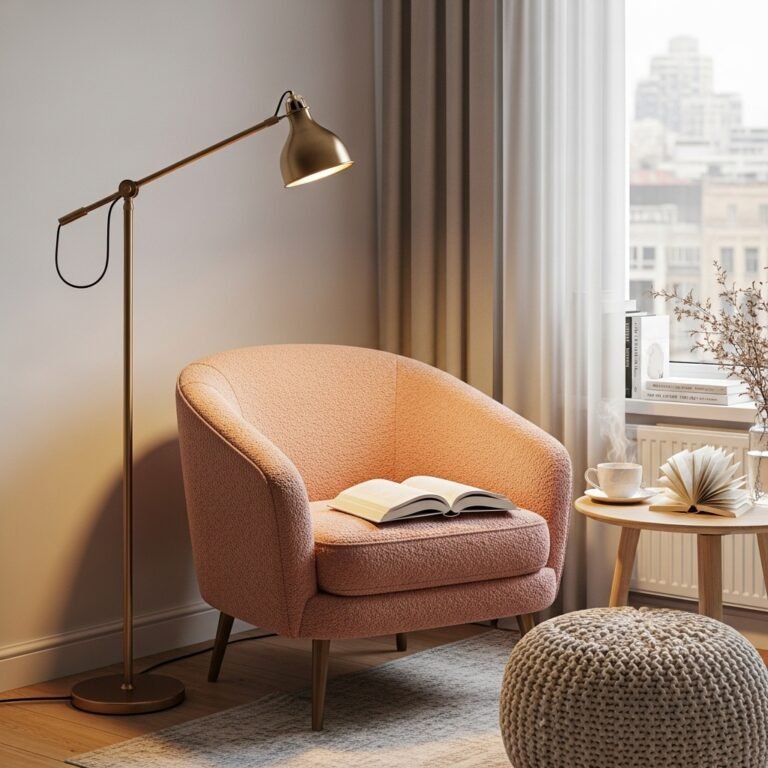
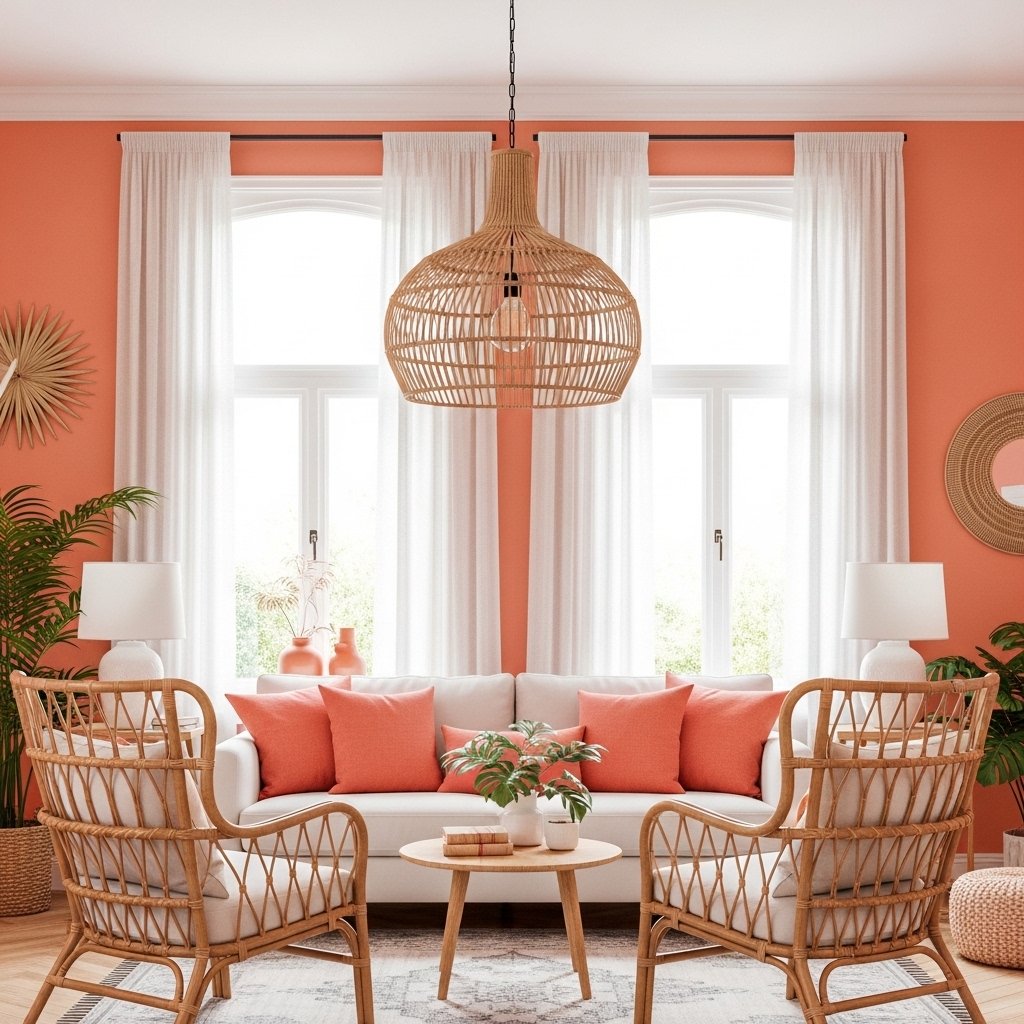
6. Warm Coral, Warm White, and Rattan Natural
The coastal summer palette updated from the cool aqua-and-white cliché toward something warmer, more textural, and more original.
Warm coral, a red-orange-pink that reads as sunburned rather than sweet, paired with warm white and the natural honey tones of rattan creates a palette that references warm-weather tropical living without the overly themed quality of the typical beach house palette.
Coral works as a wall color, a cushion color, or a throw color depending on the room’s scale and the intensity of the commitment desired. As a full wall color in a small sitting room it creates an enveloping warmth. As a cushion and textile accent in a larger room it adds energy without dominating.
The rattan element, chairs, pendant lights, mirrors, and decorative objects in natural woven material, provides the material complement to the coral that timber alone cannot.
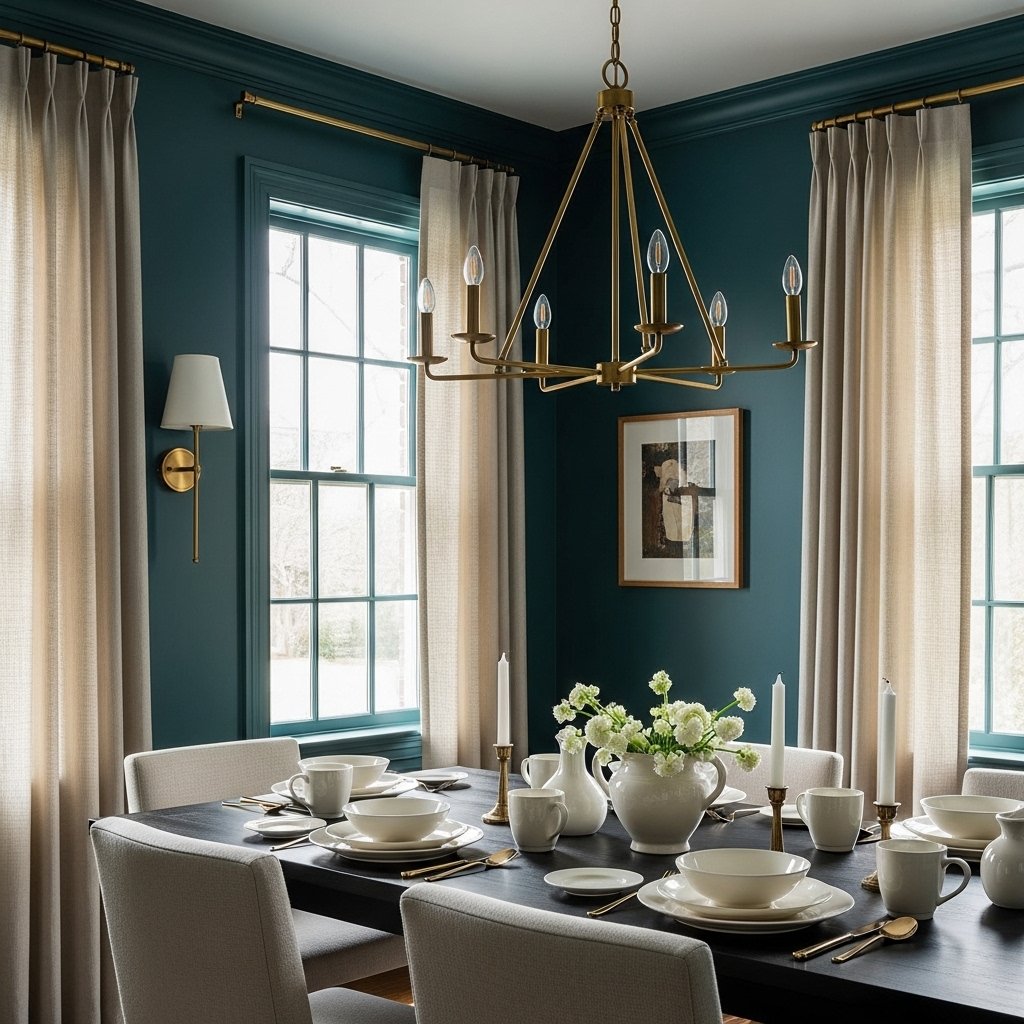
7. Deep Teal, Warm Brass, and Ivory
A summer palette that reads as sophisticated and global rather than purely coastal or Mediterranean.
Deep teal, a blue-green with enough depth to remain rich in strong summer light, paired with warm brass and warm ivory creates a room that is simultaneously cool and warm, saturated and restrained.
The teal wall absorbs summer light rather than reflecting it, creating a room with a specific quality of calm depth that lighter palettes cannot achieve. Against the deep teal wall, warm brass accessories glow with particular intensity and ivory textiles appear almost luminous.
This palette suits dining rooms and studies specifically. It creates an atmosphere of considered, slightly formal pleasure that suits rooms designed for sustained adult occupation.
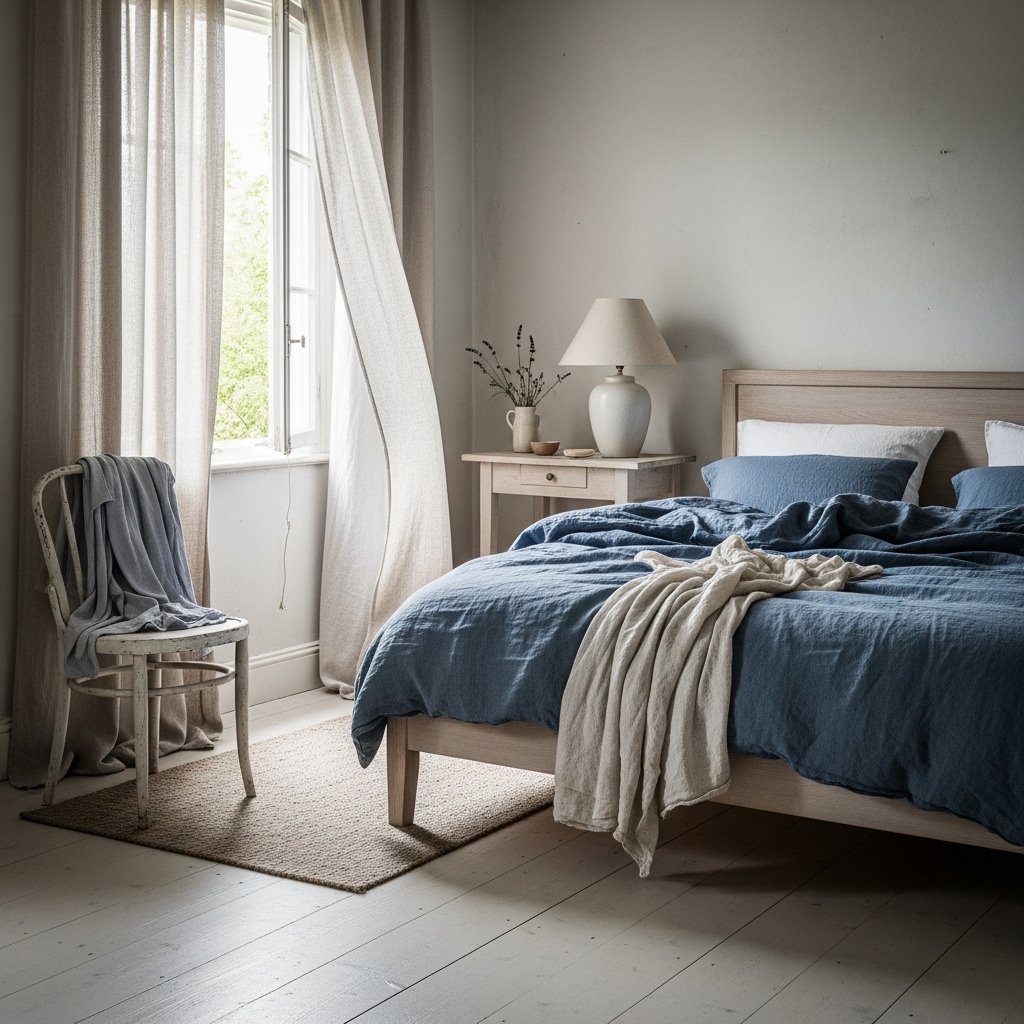
8. Faded Indigo, Natural Linen, and Bleached Wood
The palette of fabric that has been washed in sunlight until it becomes something more beautiful than it started as.
Faded indigo, not fresh denim blue but the softer, slightly greyed blue of fabric aged by sun and washing, paired with natural linen and the pale, silver-blonde tones of bleached or lime-washed wood creates a room with the quality of a beloved summer house: worn, comfortable, completely at ease.
This palette is achieved through material quality rather than paint choice. True faded indigo textiles, vintage or naturally dyed with genuine fade rather than artificial distressing. Actual bleached or lime-washed timber rather than pale-painted surfaces. The authenticity of material process rather than the approximation of it.
The palette improves with age. Things can be bought new and allowed to fade to the correct quality over time with use.
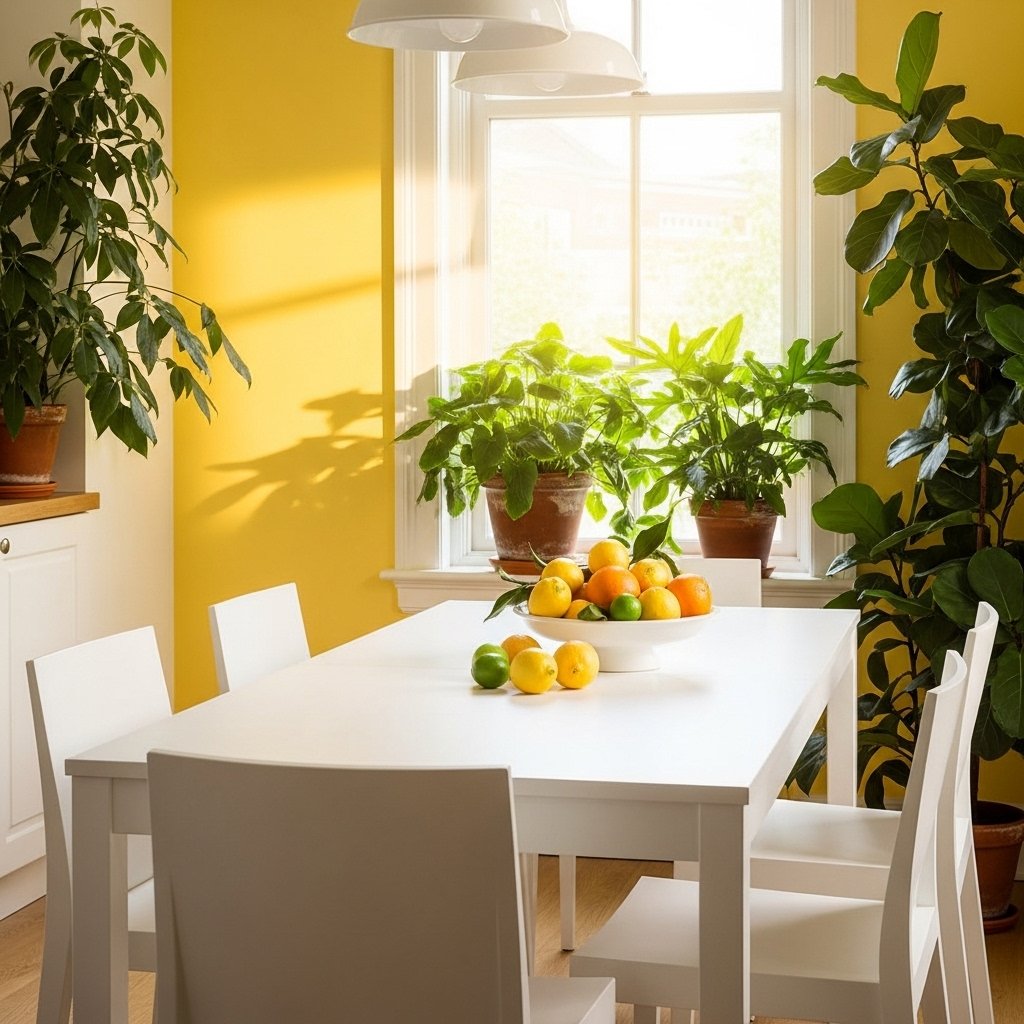
9. Bright Lemon Yellow, Clean White, and Natural Green
The most optimistic summer palette available. Unabashedly cheerful, specifically solar, and extremely difficult to be unhappy in.
Lemon yellow used with commitment, as a full wall color, as the primary cushion tone, or as the main accent color throughout, paired with clean white and the mid-green of living plants creates a room that captures the specific quality of high summer light.
The discipline with yellow: the tone must be warm. A cool, greenish lemon turns sour in warm light. A warm, golden-toned lemon becomes more beautiful as summer light intensifies throughout the day.
Large healthy plants in mid-green tones provide the natural third element. The yellow, white, and green palette is literally the palette of sunlit grass and wildflowers. The room achieves its summer quality by replicating nature’s specific summer color story.
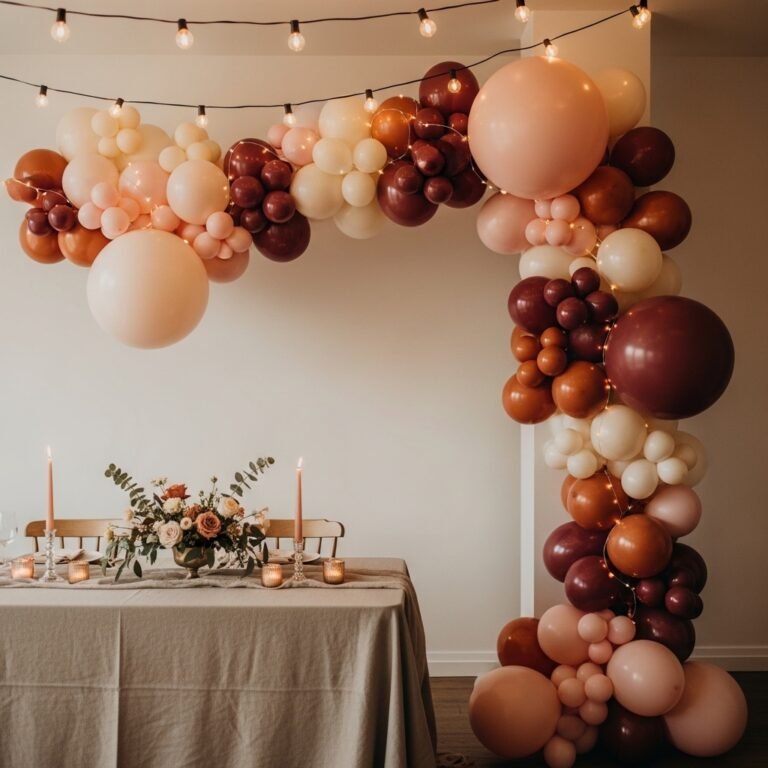
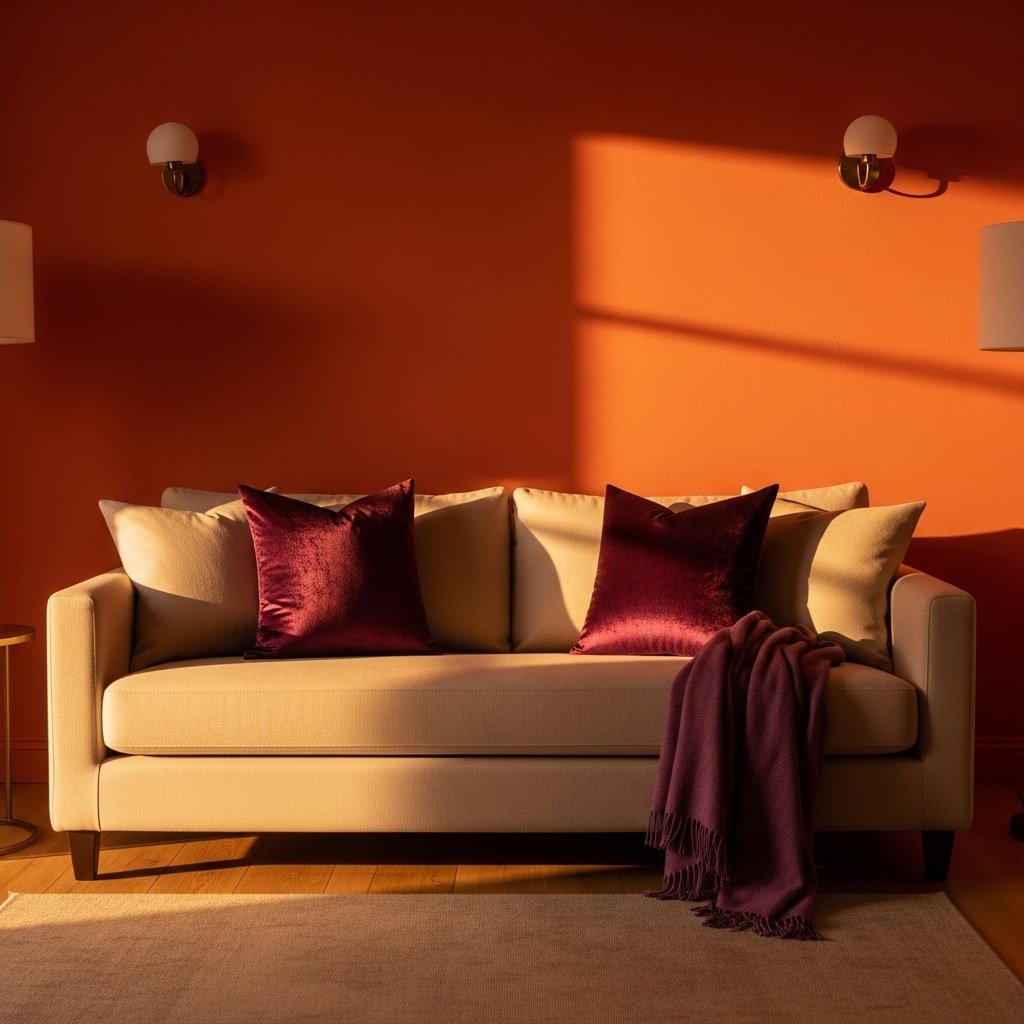
10. Burnt Orange, Cream, and Warm Plum
The palette of a summer that is turning toward autumn without arriving there yet. Late August light in color form.
Burnt orange, a red-toned orange with warmth and depth rather than a flat safety-cone orange, paired with cream and unexpected warm plum creates a palette with complexity and sophistication that the conventional warm summer palettes lack.
The plum is the unexpected element. Used sparingly, as cushion accents or as the color of a single throw, it deepens the warm palette and prevents it from reading as uniformly energetic. The plum brings shadow into a palette otherwise made of light.
This palette works in rooms that receive evening light specifically. The burnt orange wall in the low light of a summer evening creates a room that appears to be lit from within.
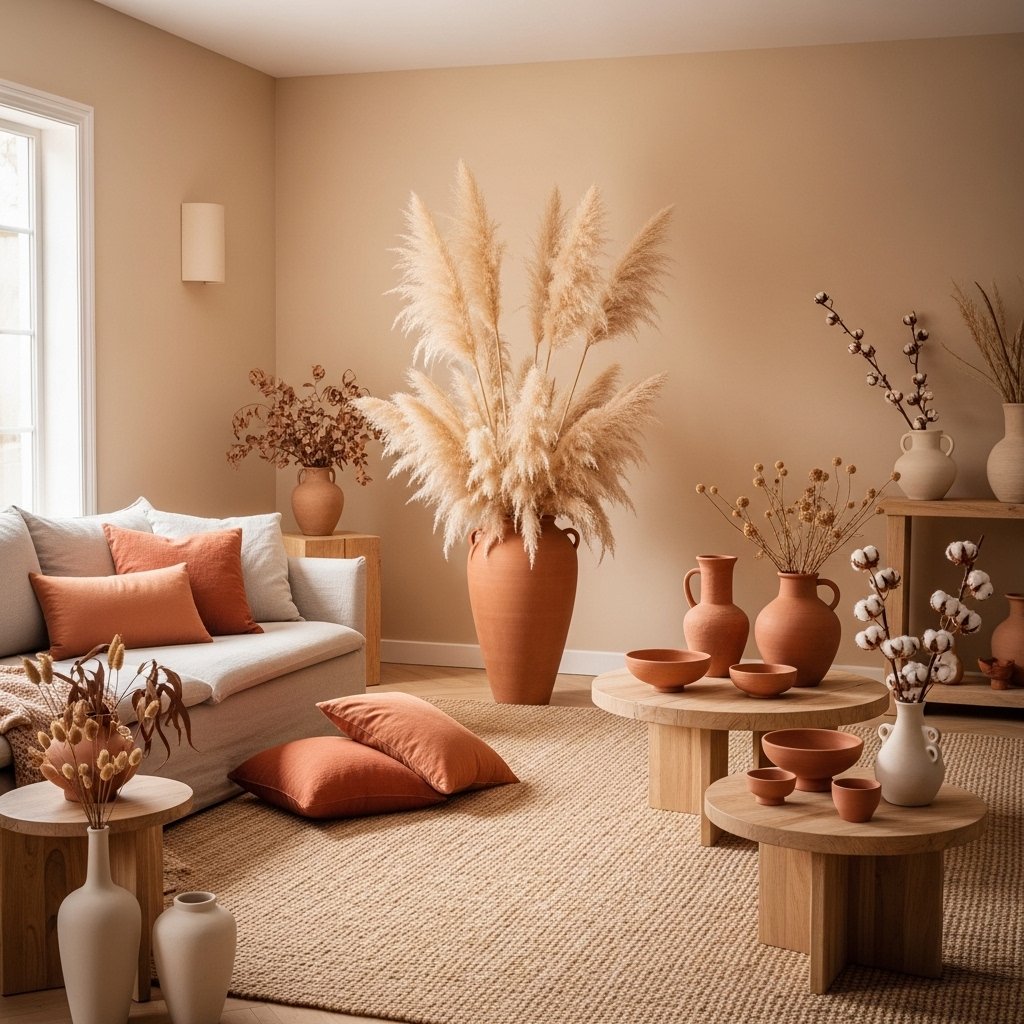
11. Warm Beige, Soft Terracotta, and Pampas Cream
The quietest summer palette. The one that does not announce itself but rewards sustained attention.
Warm beige as the primary tone on walls and large furniture. Soft terracotta as the accent on cushions, throws, and ceramic objects. Pampas cream, the warm off-white of dried grass and natural fiber, as the transitional tone between the two.
This palette is built from the colors of a dry summer landscape: warm stone, dried grass, terracotta earth. It creates a room with the quiet beauty of a landscape that is resting rather than displaying.
The material choices are as important as the colors: linen, jute, natural cotton, dried botanical arrangements, unglazed terracotta, and aged timber all carry the palette correctly. Synthetic materials in these tones lack the organic depth that makes the palette work.
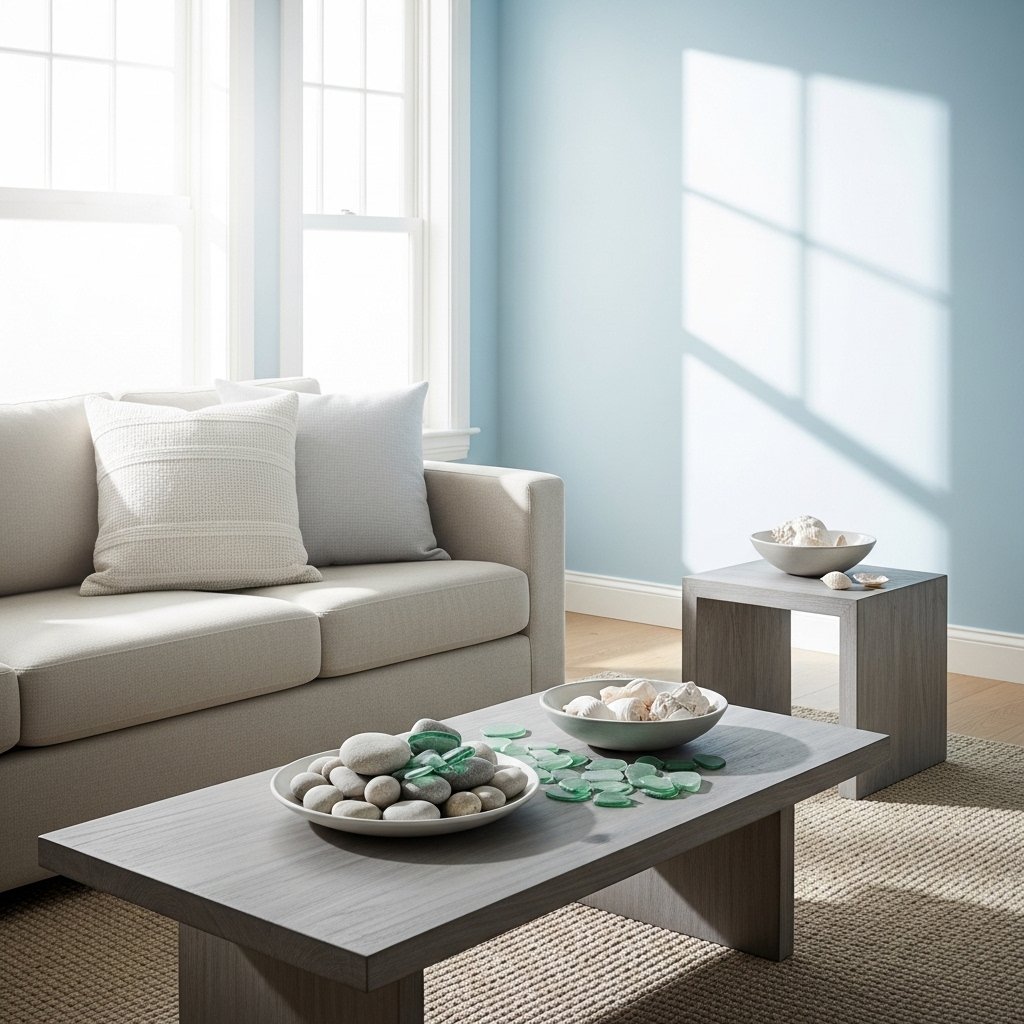
12. Sky Blue, Warm Sand, and Driftwood Grey
The beach palette interpreted for an interior with genuine sophistication rather than coastal theme-park energy.
Sky blue as a wall color in the specific tone of a clear summer sky, not cerulean or cobalt but the lighter, slightly golden blue of a warm-weather sky at mid-morning, paired with warm sand tones and the bleached silver-grey of driftwood creates a room with coastal lightness without coastal cliché.
The driftwood grey element is the palette’s sophistication. It prevents the blue and sand from reading as purely sunny and simple by introducing a weathered, slightly melancholic tone that belongs to coastal landscapes as much as the brighter colors.
Natural materials throughout: sea glass in a bowl, smooth stones, shells displayed without irony, linen in sand and cream tones. The materials confirm the reference without making it a theme.
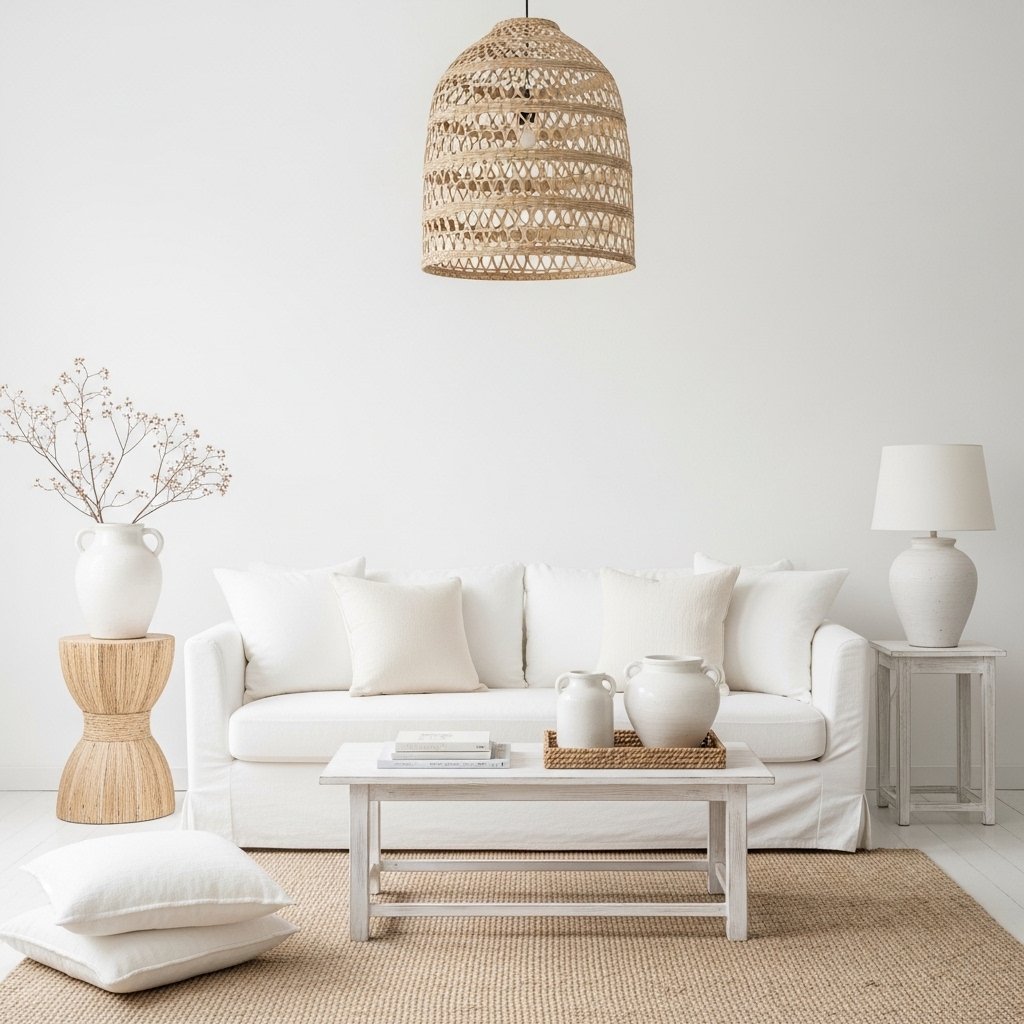
13. All White With Warm Texture Layers
The summer palette that appears to have no color and contains more than any other.
Warm white on walls, ceiling, floor, and large furniture, with all color and interest coming entirely from texture variation between surfaces: the rough texture of a jute rug, the soft pile of a cotton cushion, the slight crumple of pre-washed linen, the smooth surface of a ceramic vessel, the grain of natural timber.
The all-white summer room works because summer light has the intensity to make texture visible in a way that the lower angle winter light does not. The raking angle of summer afternoon light across a textured linen cushion creates shadows that reveal the weave in exquisite detail. The same cushion in winter light reads as flat white.
This palette requires absolute commitment. A single high-contrast dark object breaks the composition entirely. The all-white room with one dark accent is a different palette entirely. This palette is all-white without exception.