17 Minimalist Living Room Ideas That Prove Less Is More
Minimalism is not about having nothing. It is about having exactly what is needed and nothing beyond that. The distinction matters because a room with nothing in it is not minimal. It is empty. And emptiness is not the same thing as calm.
The minimalist living rooms worth aspiring to in 2026 are warm, livable, and deeply considered. Every object in them earned its place. Every surface was chosen for what it contributes rather than what it costs.
These 17 ideas build a minimalist living room that feels like a deliberate choice rather than a failure of decoration.
1. Start With the Floor and Get It Right
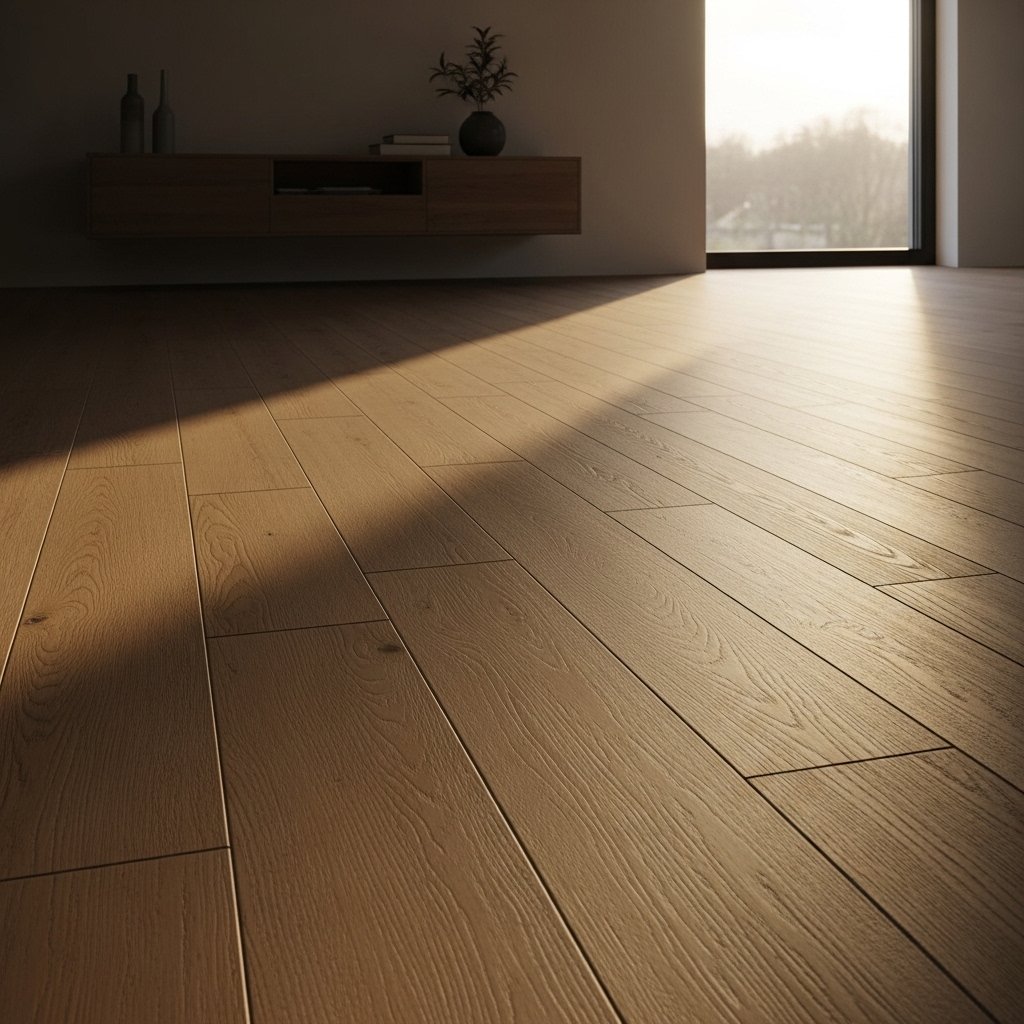
Minimalism places enormous pressure on every surface because there is nothing to distract from surfaces that are wrong. The floor, as the room’s largest surface, must be right before anything else is decided.
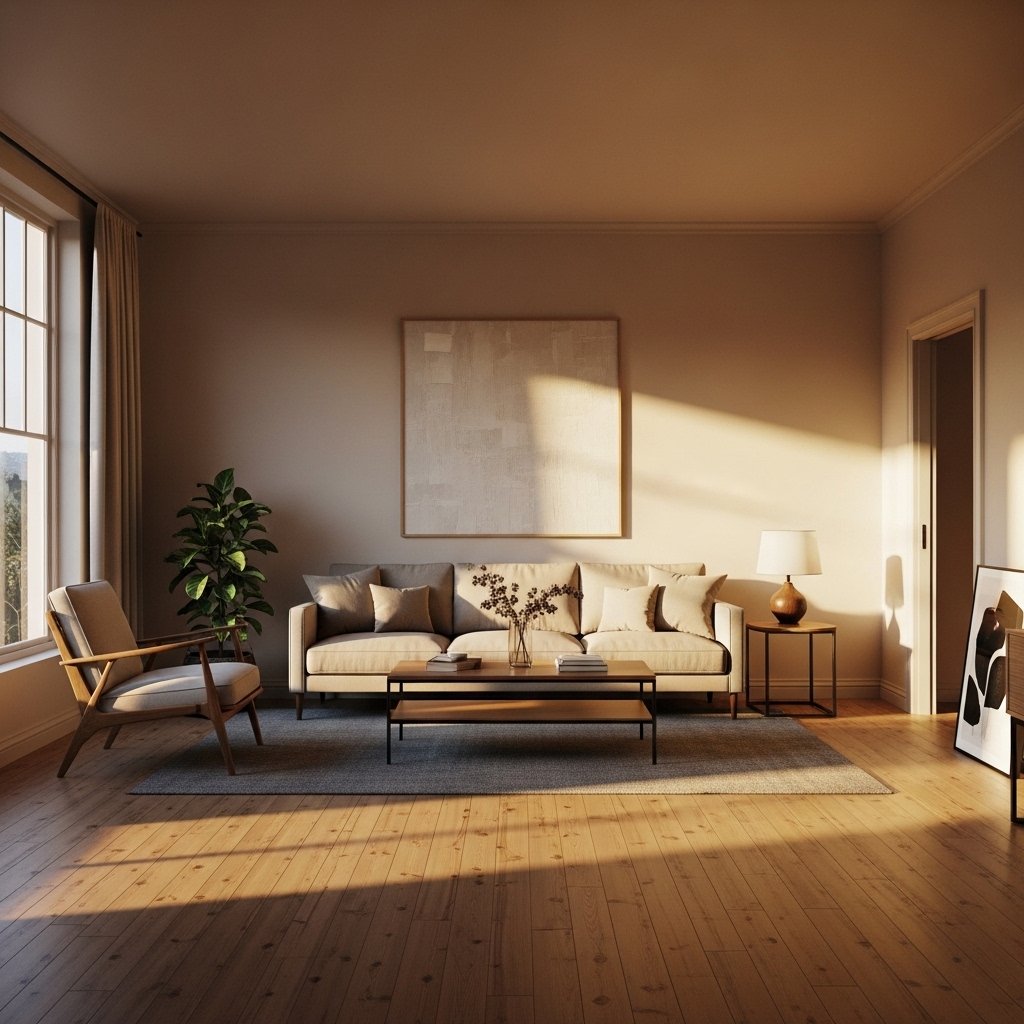
Wide plank hardwood in natural oil finish, large format stone tile in a warm natural stone, or polished concrete in a warm grey are the floor materials that carry minimalist living rooms at the highest level.
The natural oil finish on hardwood is specifically important in a minimal room because it allows the wood’s natural grain and character to be fully visible. A lacquered finish creates a plastic-like barrier between the room and the material. A natural oil finish means the room is in direct contact with the wood.
Choose the floor last in terms of consideration but implement it first. Everything else responds to it.
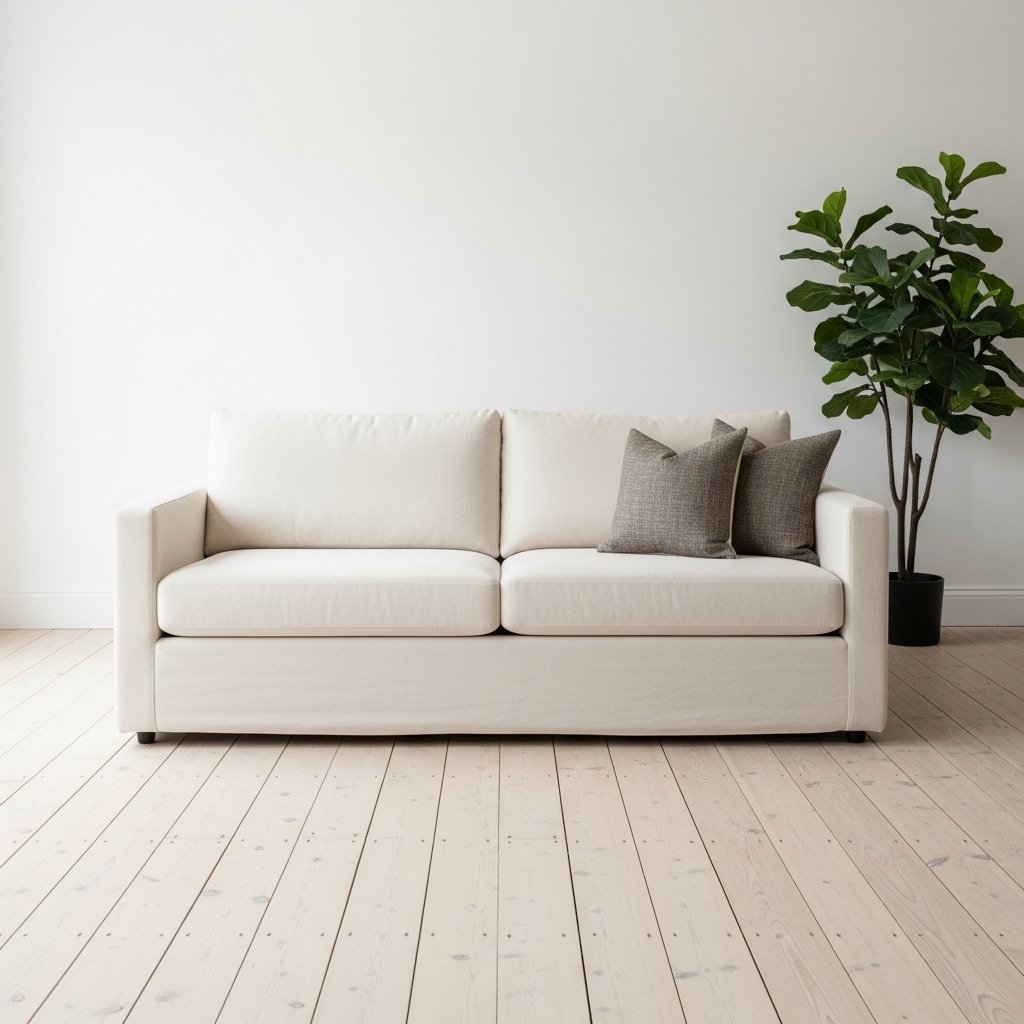
2. One Sofa. The Right Sofa.
A minimalist living room does not need multiple seating pieces. It needs one sofa chosen with extraordinary care.
The right sofa for a minimalist room has a profile that holds its silhouette beautifully when unoccupied. It looks as considered empty as it does with people in it. Tight seat cushions rather than loose ones. A back that maintains its form rather than slumping. Arms with a defined profile rather than a shapeless roll.
Natural fabric in a tone that belongs to the room’s palette rather than competing with it. The sofa is not the accent. The sofa is the room’s furniture and the palette should feel like it was built around the room’s architecture rather than introduced to it.
No throw pillows beyond one or two at most. In a minimalist room every cushion is a decision and every unnecessary decision is a visual cost.
3. Negative Space Is the Design Element
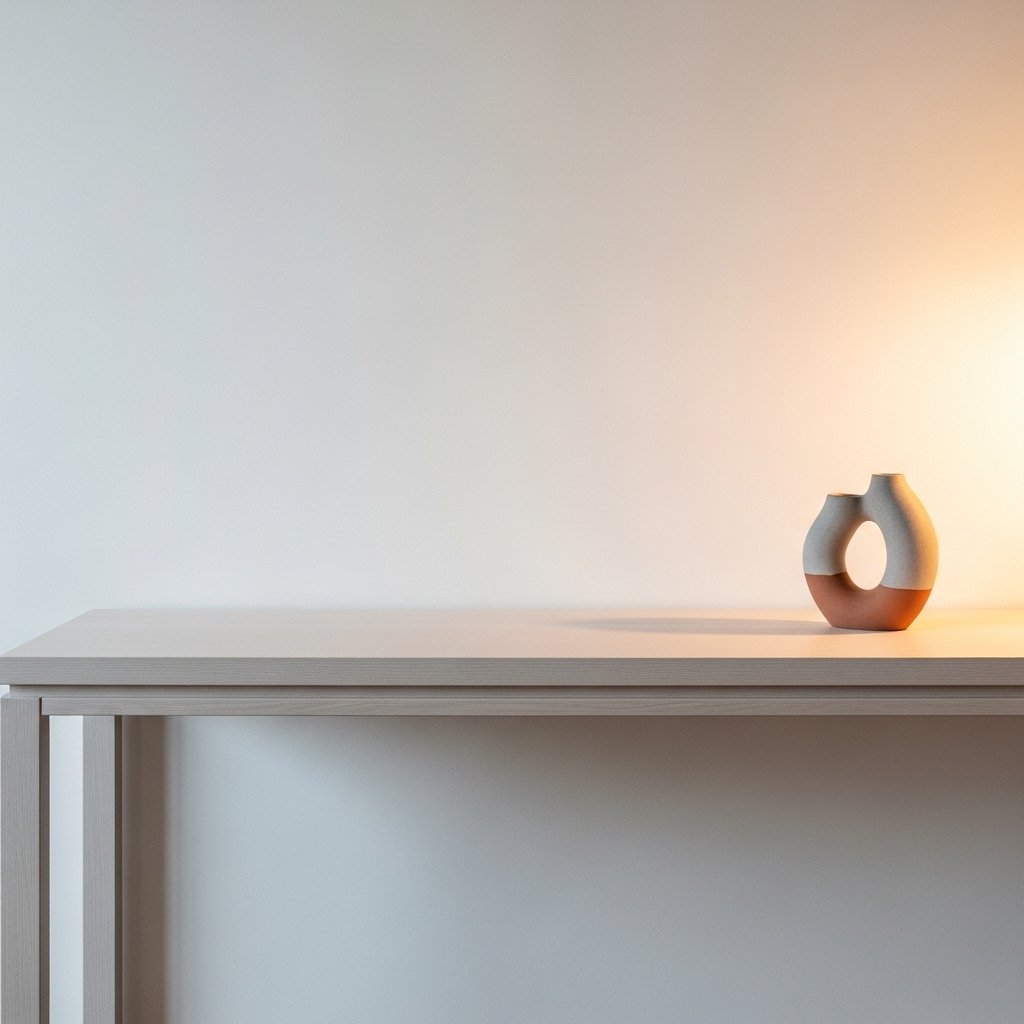
The most experienced minimalist designers understand that the empty space between objects is as designed as the objects themselves. The space is not a gap waiting to be filled. It is a breathing room that gives the objects within it meaning.
A single sculptural object on a wide console table, surrounded by a large area of empty surface, is more powerful than the same object crowded among five others. The negative space around it focuses attention and communicates that the object was chosen with intention.
Apply this principle to every surface. The gap between a sofa and a side table. The wall space between two pieces of art. The floor space between the sofa and the coffee table. All of it is designed. All of it contributes.
4. A Single Statement Art Piece
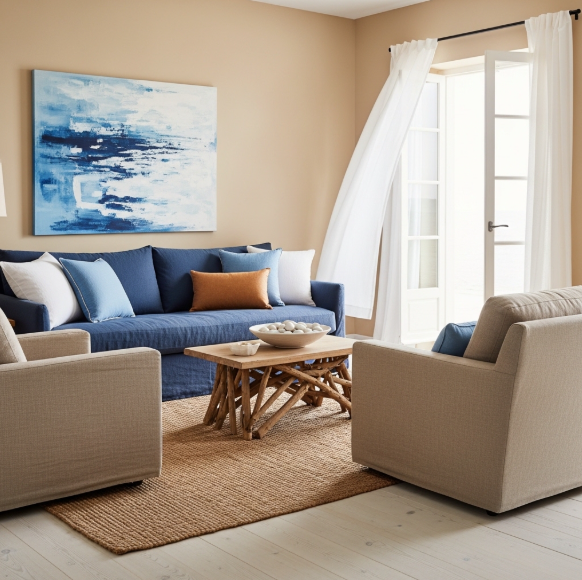
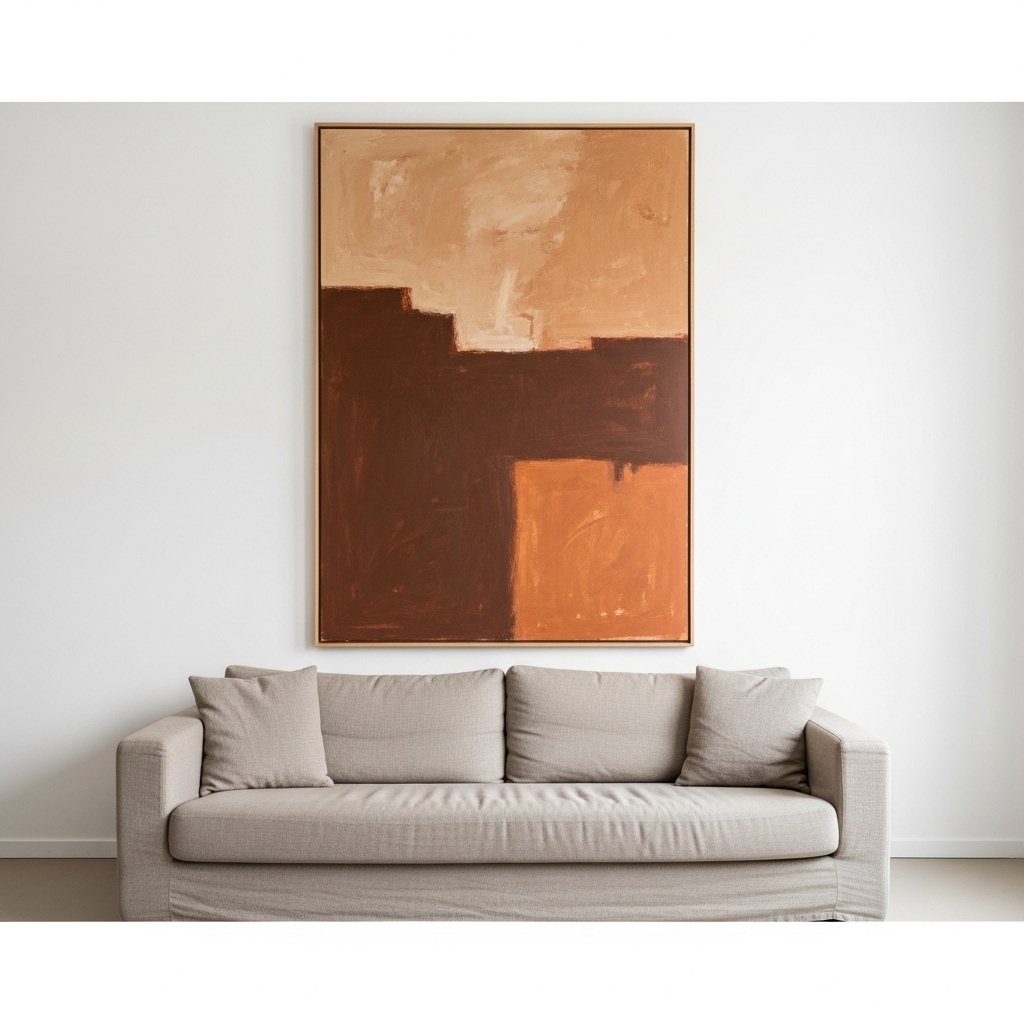
A minimalist living room does not have a gallery wall. It has one piece of art, chosen with great care, hung in the most important position in the room, and given enough wall space to breathe.
The art can be large or small. Scale is less important than presence. A small drawing with genuine force placed at the correct height on a large white wall can command the room as effectively as a large canvas in the wrong position.
The mounting height matters in a minimal room more than in any other because there is nothing else on the wall to create visual context. Art at the correct height, roughly at seated eye level for pieces positioned above furniture, reads as intentionally placed. Art at the wrong height reads as arbitrarily placed. In a minimal room, arbitrary reads as careless.
5. Concealed Storage for Everything
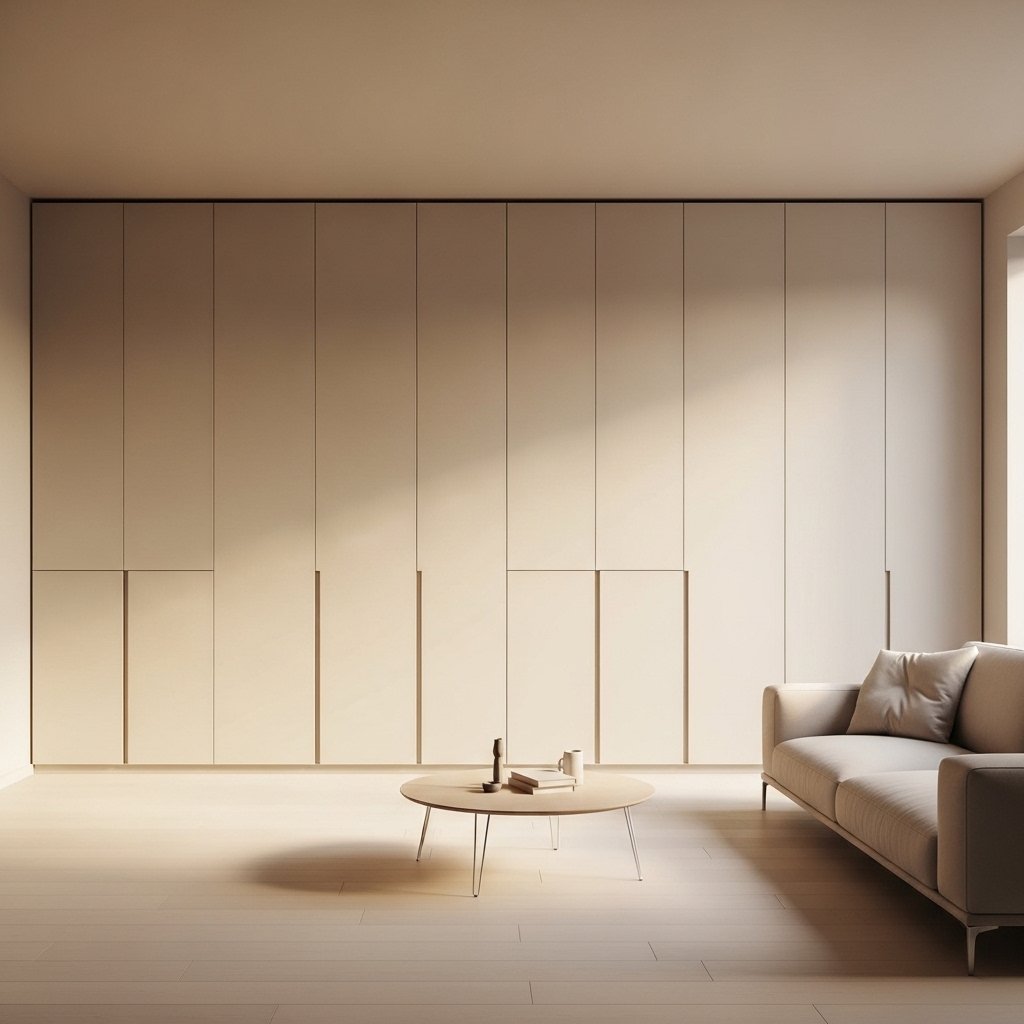
The primary practical challenge of minimalism is that life produces objects. Papers, books, remotes, cables, candles, and the accumulated small material of daily life cannot simply be removed. They must be stored.
Concealed storage, built-in cabinetry that reads as architectural panelling rather than as storage furniture, floor-to-ceiling joinery with flat-front doors and no visible hardware, or a media unit with fully concealed compartments, makes the storage itself invisible.
The visual effect of a living room where all functional storage is fully concealed is transformative. The room appears to require no effort to maintain because the evidence of maintenance is hidden. The calm is not achieved by having less. It is achieved by concealing what is necessary.
6. One Material Used Throughout
The most coherent minimalist rooms use one primary material applied across multiple surfaces and elements rather than a variety of different materials competing for attention.
A room built around natural oak: oak floors, oak coffee table, oak shelving, oak window frames. Or a room built around white plaster: white plaster walls, white plaster lamp base, white plaster vase. Or a room built around travertine: travertine floor, travertine coffee table, travertine shelf trim.
The repetition of one material across multiple elements creates a visual language so consistent that the room reads as a single designed object rather than a collection of individual choices. The effect is quieter and more sophisticated than any multi-material approach.
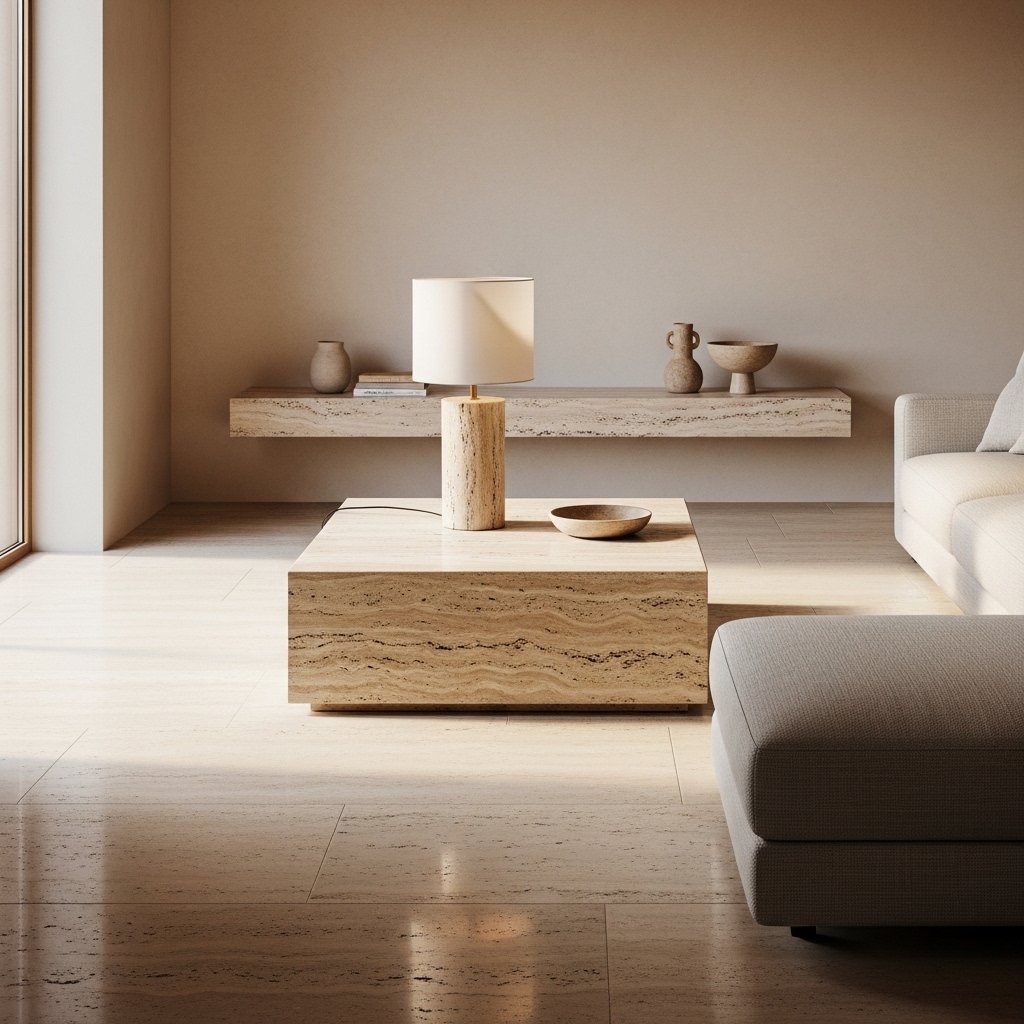
7. Warm White Over Cold White
The most common mistake in minimalist interiors is the use of cold, blue-toned white on walls. Cold white is clinical. It reads as institutional rather than considered. It produces a room that feels efficient rather than calm.
Warm white, an off-white with a yellow, pink, or grey undertone depending on the room’s light quality, creates a wall tone that reads as neutral in context while contributing warmth to every surface and object in the room.
The correct warm white for a specific room depends on the floor material, the natural light direction and quality, and the other materials present. A warm white that reads perfectly against oak floors may read too yellow against concrete. Test paint samples in the actual room in actual light before committing.
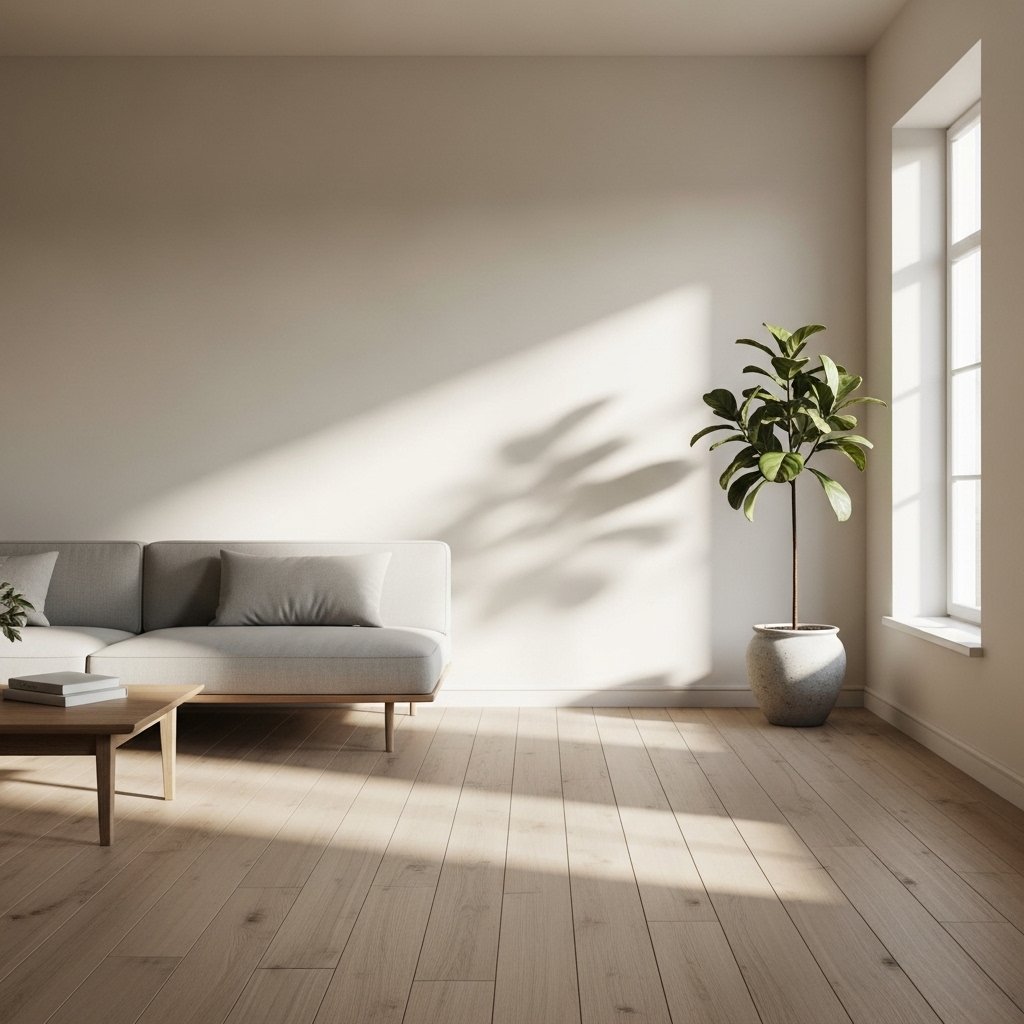
8. One Large Plant as the Room’s Living Element
A minimalist room needs one element that is alive. Not several competing plants distributed around the room. One large, beautiful plant in the correct location with the correct vessel.
A fiddle leaf fig in a matte ceramic pot. A large monstera in a simple terracotta. A tall snake plant in a low concrete vessel. The plant provides organic color, vertical presence, and genuine life in a room that might otherwise feel too controlled.
The pot must be right. In a minimal room the pot is as important as the plant. A beautiful plant in a cheap nursery pot undermines everything around it. A quality ceramic in a tone that belongs to the room’s palette elevates both the plant and the surface it sits on.
One plant. Large. In the right vessel. In the best light position available.
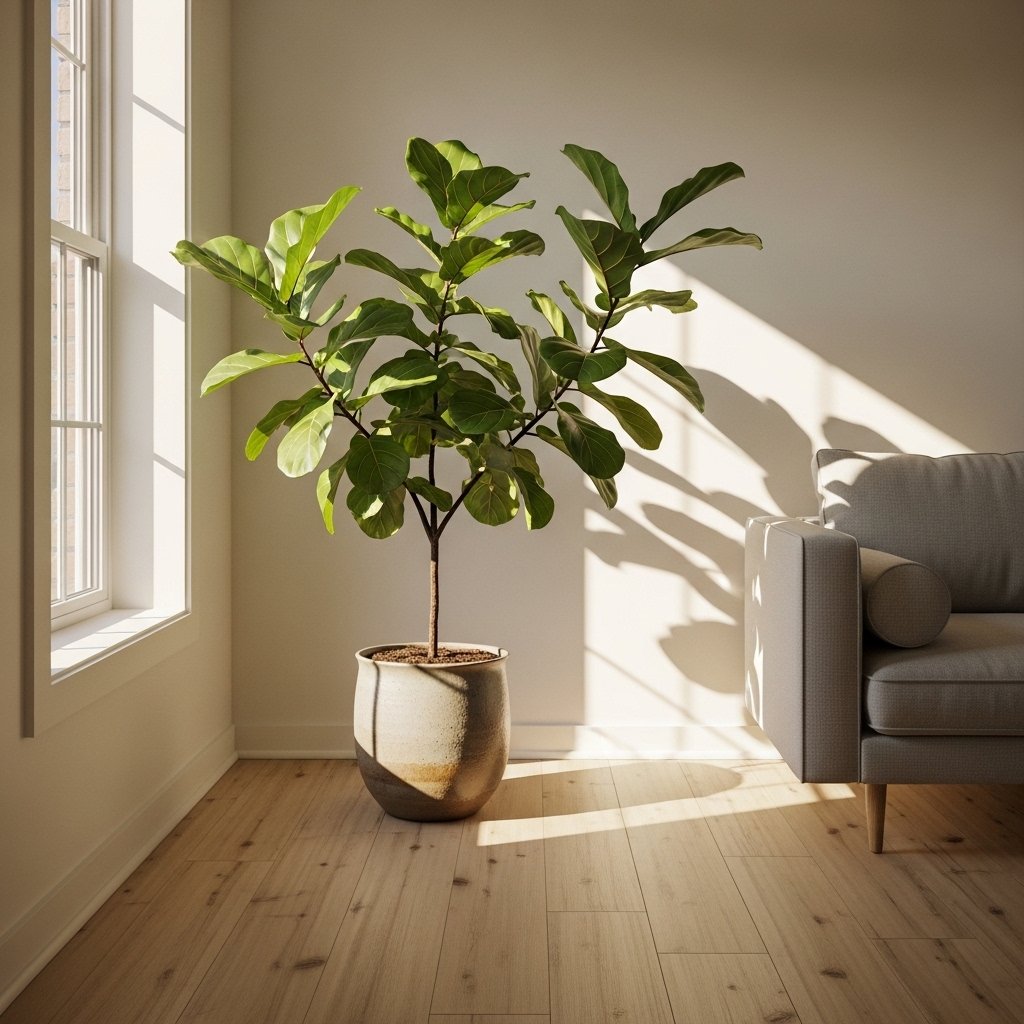
9. Floor-to-Ceiling Curtains in One Uninterrupted Drop
Curtains in a minimal living room are not window coverings. They are wall-scale textile elements that happen to be functional.
Floor-to-ceiling curtains that run the full width of the window wall, mounted at ceiling height and extending to the floor in one uninterrupted drop, transform a window into an architectural feature. When drawn they make the wall read as a continuous soft surface. When open they frame the view and the natural light in a way that a shorter curtain never achieves.
Natural linen in an undyed or barely-toned color is the correct fabric. Pre-washed to develop the characteristic soft crumple that makes linen look genuinely luxurious rather than merely pressed. The fabric should move with any air movement in the room.
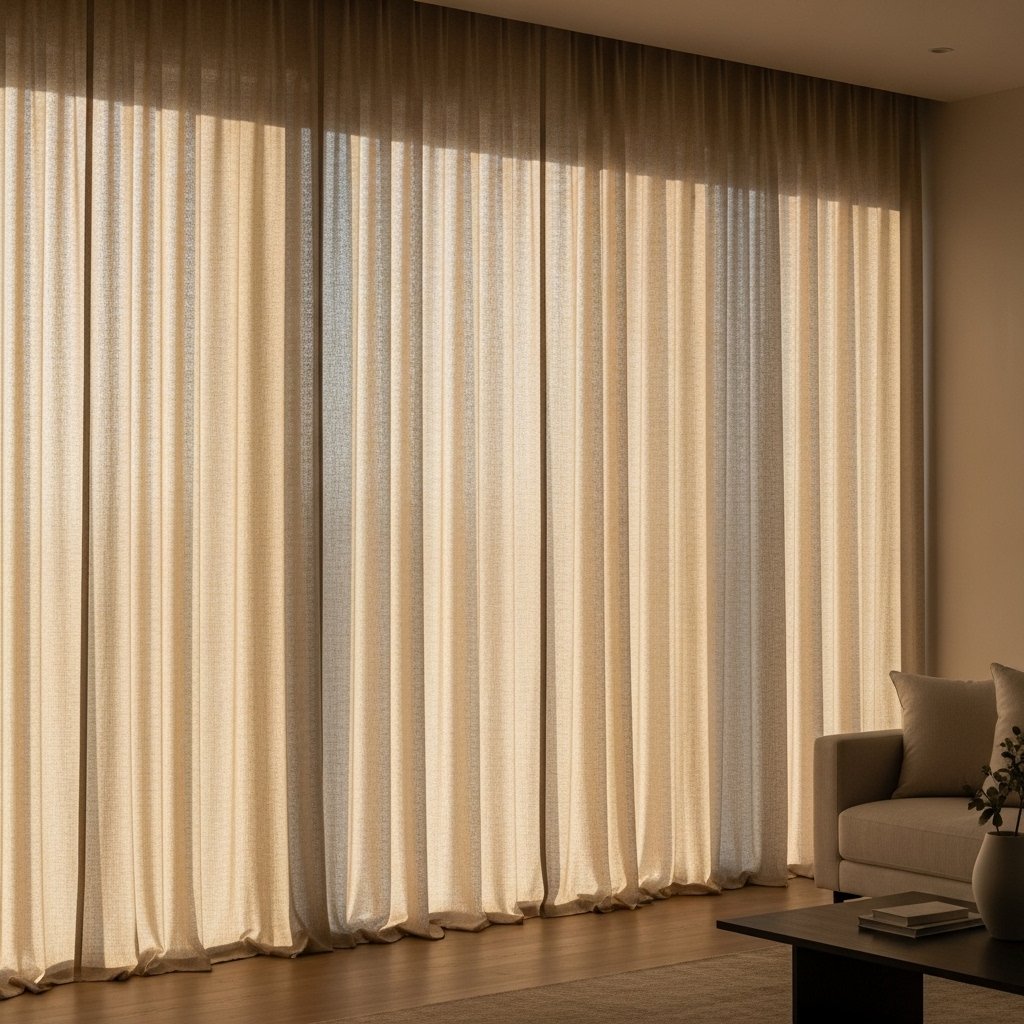
10. A Coffee Table That Holds Its Own as a Sculpture
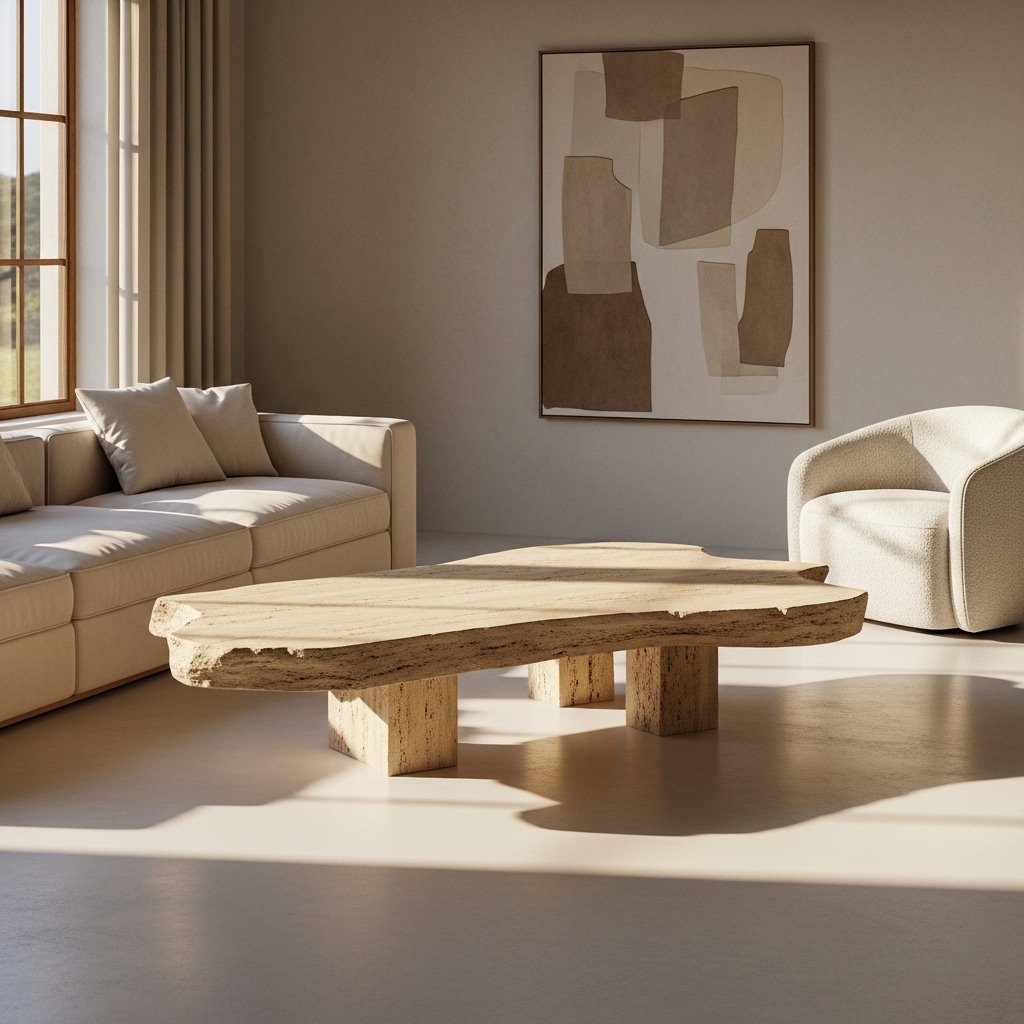
In a minimal living room the coffee table is not a surface for displaying objects. It is the object. One exceptional coffee table in stone, glass, or sculptural timber holds the center of the room as a design element that requires no styling to justify its presence.
A travertine slab on simple stone legs. A single piece of curved glass. A live edge timber round with a sculptural natural form. A concrete block with a perfectly level surface. Each of these is a coffee table that works in a minimal room because it does not need anything placed on it to look complete.
Clear the coffee table of everything except what is currently in use. The empty table is more powerful than the styled one in a minimal context. An empty beautiful object is a statement. A beautiful object covered in other objects is concealed.
11. Acoustic Quality as a Design Consideration
A minimal room with hard surfaces and few textiles can feel cold acoustically even when it is warm visually. Sound bounces differently in a room with less material present and the sonic environment of the room is part of its overall quality.
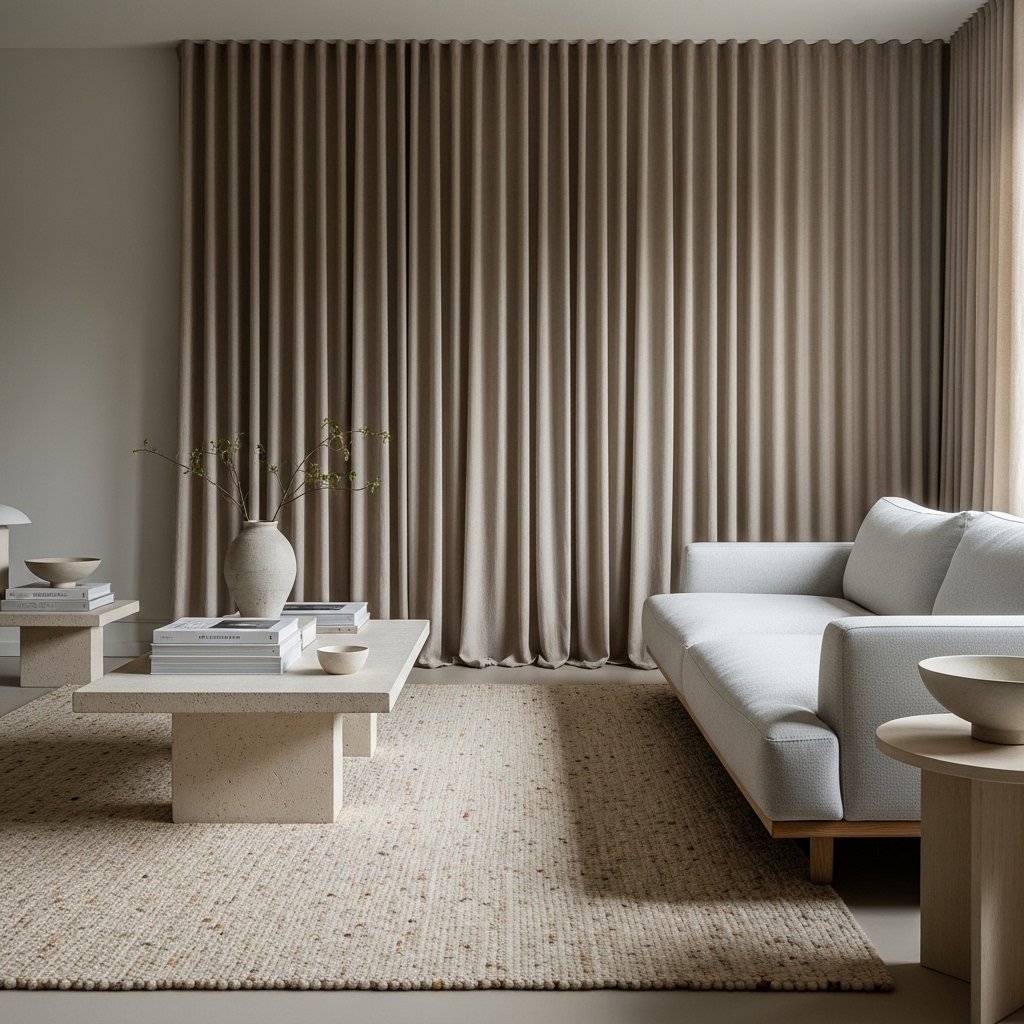
A large wool rug, even in a minimal room, addresses acoustic quality while adding material warmth. The right rug in a minimal room is not a decorative element. It is a considered material choice that improves the room’s sonic environment simultaneously with its visual and tactile one.
Heavy curtain fabric, an upholstered sofa with a tight profile, and a quality wool or jute rug collectively provide enough surface variety that the room sounds as calm as it looks.
12. A Reading Light Done Properly
Every living room needs at least one piece of task lighting positioned correctly for reading. In a minimal room this light is not an afterthought. It is one of four or five objects in the room and its form is as important as its function.
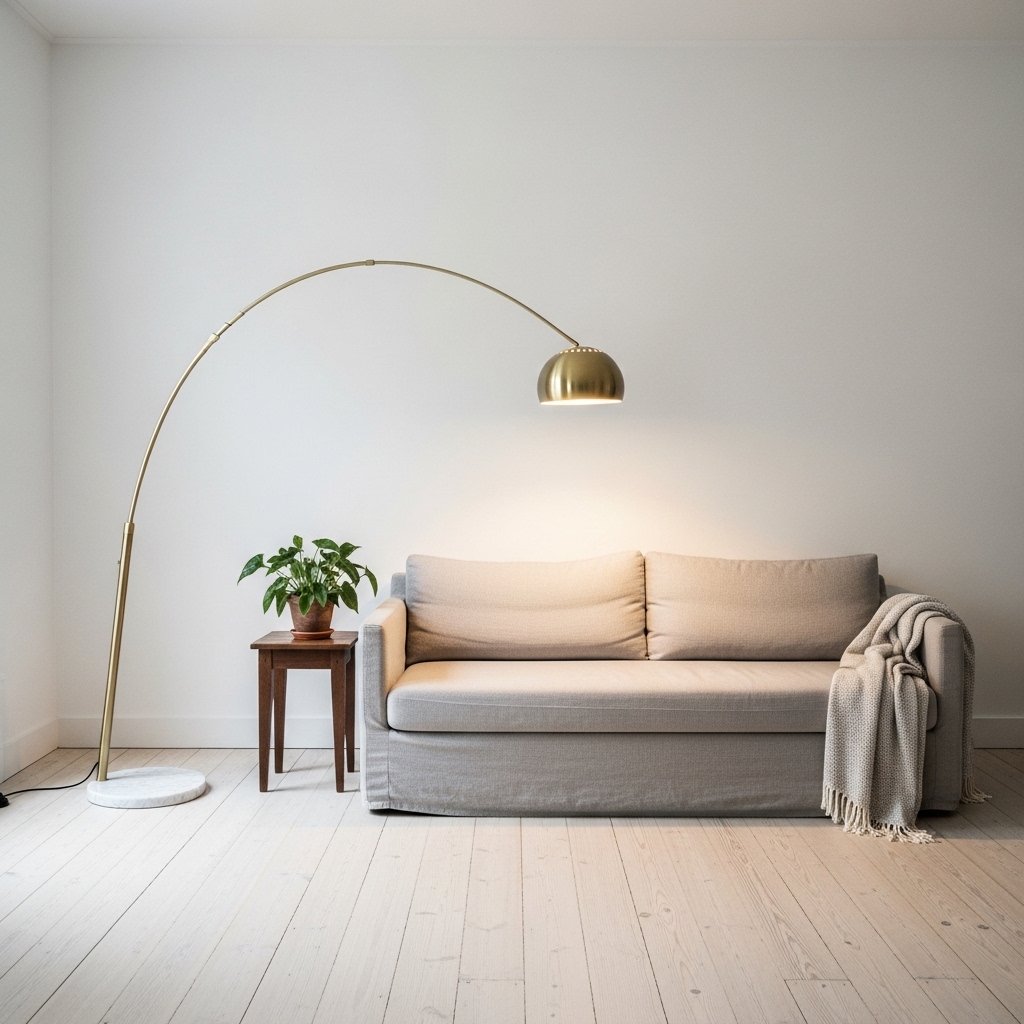
An arc floor lamp with a long arm that extends over the sofa or reading chair is the most functionally and aesthetically effective reading light solution in a living room. The arc places the light source over the shoulder and above the reading material without requiring a side table at the correct height.
The lamp form in a minimal room should be clean, singular, and proportionally confident. A slender arc floor lamp in matte black or warm brass with a simple shade or a bare bulb suits the room’s material language. An oversized or ornate lamp introduces visual weight that the room may not have allocated space for.
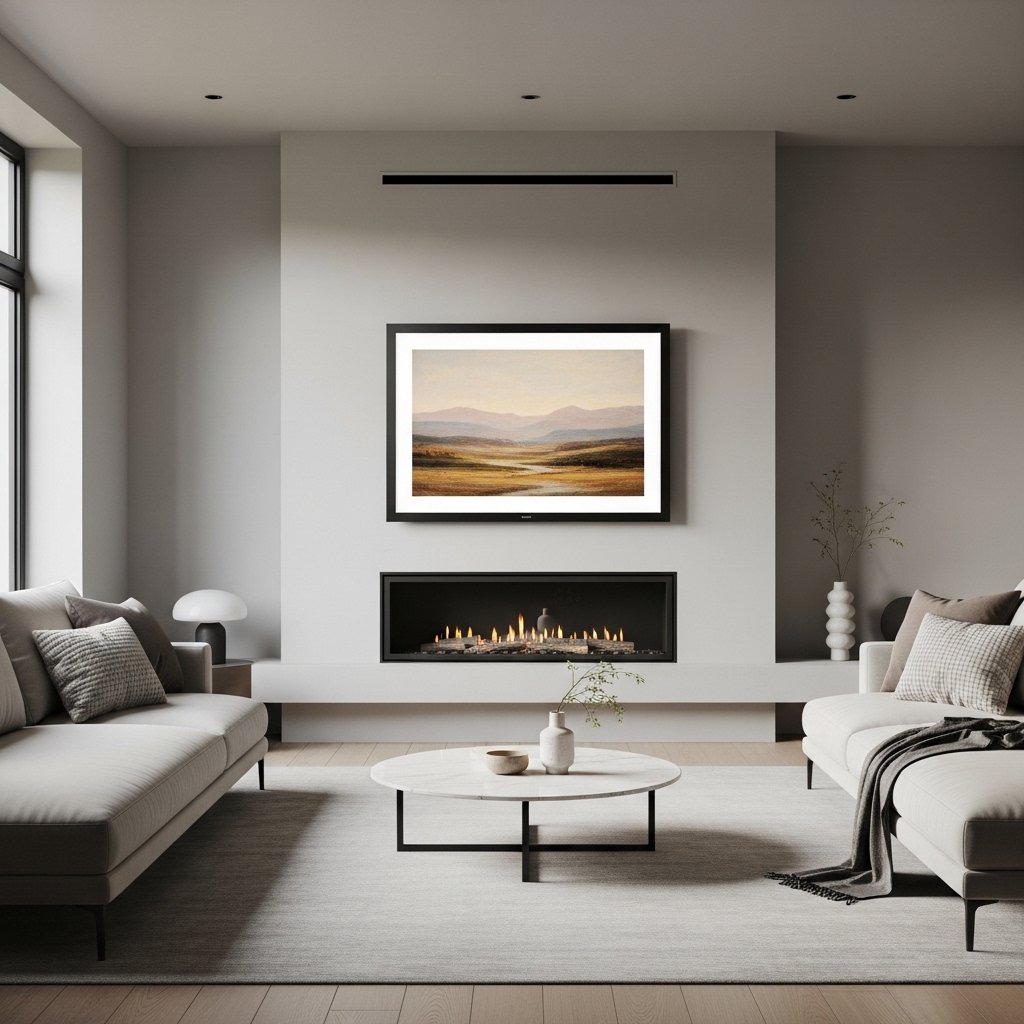
13. A Fireplace as the Room’s Sole Focal Point
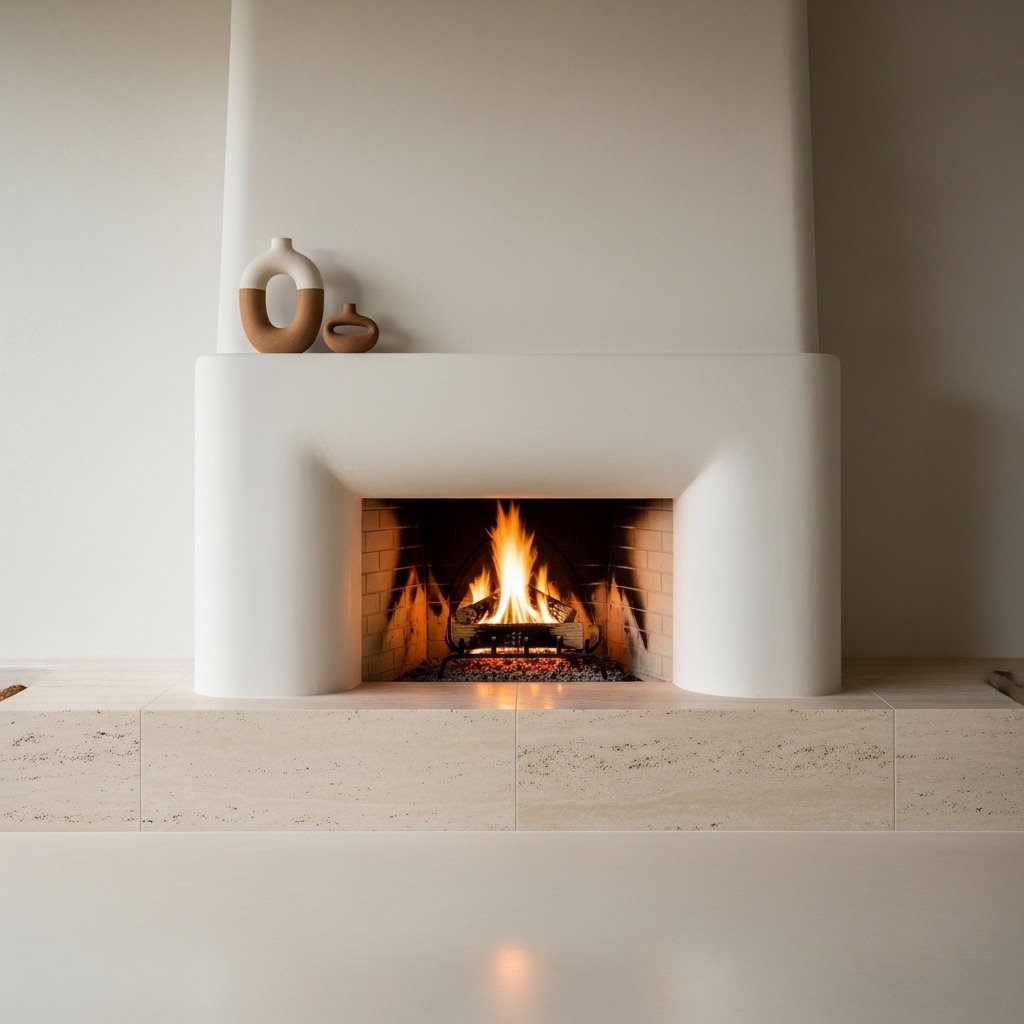
In a minimal living room the fireplace is the room’s anchor and its sole focal point. Everything else in the room is arranged in service of the fire rather than competing with it.
A fireplace surround in plaster, marble, or raw concrete that reads as architectural rather than ornamental. A mantel shelf with one object on it at most. A hearth in natural stone or the same material as the surround. The fireplace as pure architecture rather than decorated feature.
When the fire is not lit the architectural quality of the fireplace must hold the room. A poorly designed fireplace surround with an empty grate is a negative focal point. A beautifully designed surround with a clean empty grate reads as architectural restraint.
14. Technology Fully Hidden
Visible technology, televisions, cables, routers, speakers, remote controls, is the most common disruption to minimalist living room design. In 2026 the tools to conceal all of it have become accessible enough that visible technology in a considered minimal room is a choice rather than a necessity.
A television that doubles as art when not in use, a frame TV or a screen that displays a still image when idle. Cables routed through walls or within cable management channels painted to match. A router placed inside a decorative box or inside the concealed cabinetry. Speakers that are architectural or invisible rather than placed on surfaces.
The absence of visible technology changes a minimal room’s atmosphere more than almost any other single intervention. The room looks like a space for living rather than a space organized around screens.
15. Scent as the Final Layer
A visual room with no scent has communicated only partially. The final layer of a minimal living room is olfactory.
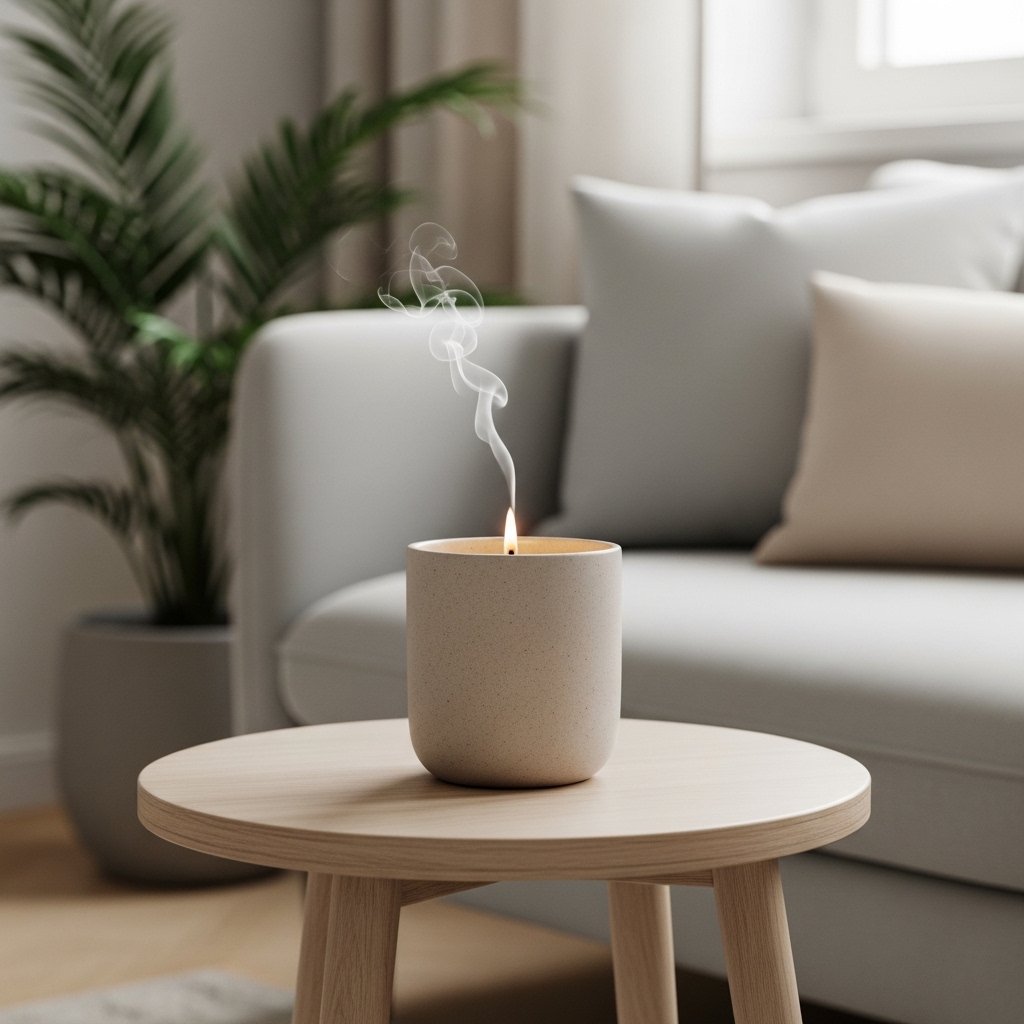
A single high-quality candle or diffuser in a beautiful vessel, chosen for its form as much as its scent, placed in the most visible position in the room. One scent. Used consistently. Associated over time with this specific room.
The vessel must belong to the room. A luxury candle in a matte ceramic vessel in the room’s palette color is a design object. The same candle in a generic glass jar is a product. In a minimal room where every object is visible and accountable, the distinction matters absolutely.
Cedar, sandalwood, white tea, vetiver, and clean fig are the scents most suited to minimalist living rooms. They are present without being assertive. Warm without being sweet. Grounding without being heavy.
16. One Quality Throw, Nothing More
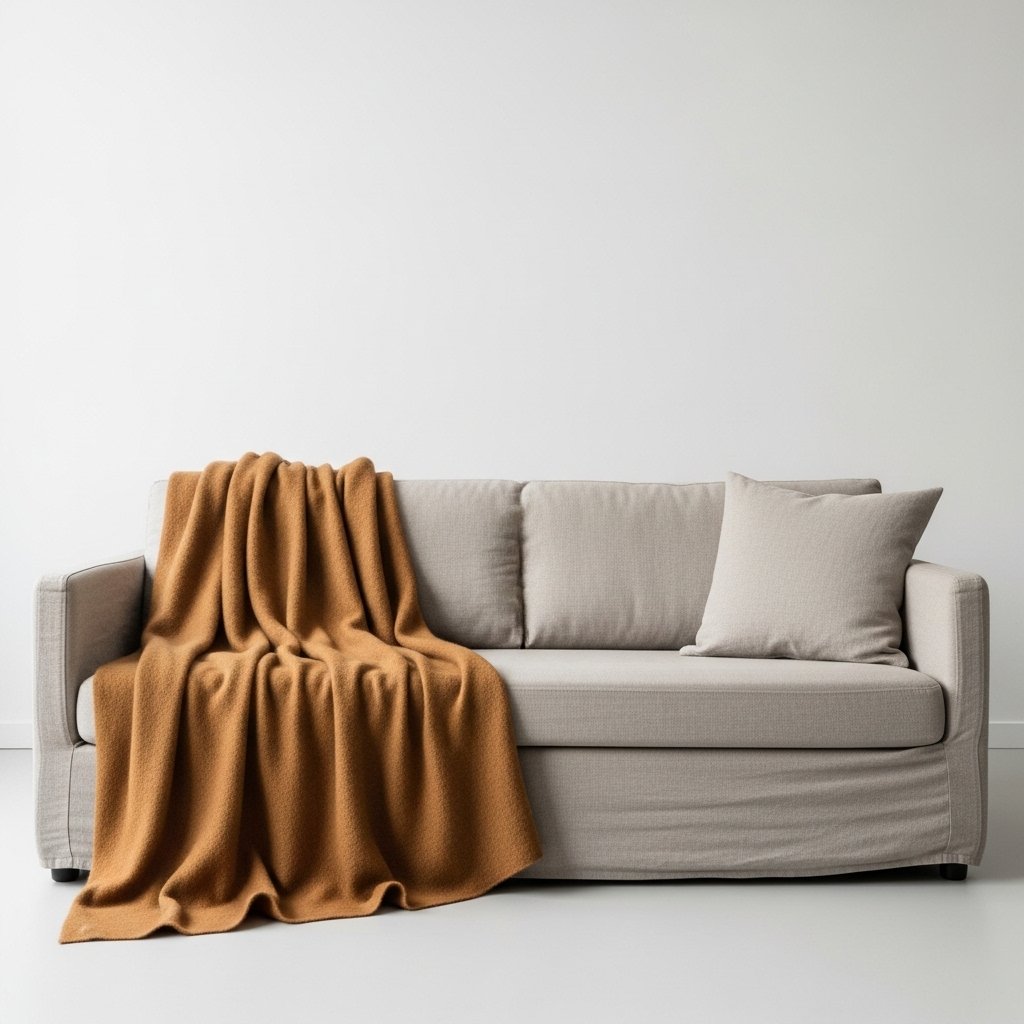
A throw in a minimal living room is a hospitality signal. It communicates that the room is lived in and that comfort was considered. But it must be exactly one throw, positioned with apparent naturalness and chosen with genuine care.
A cashmere, merino, or heavy linen throw in a tone that is neither a direct match to the sofa nor a sharp contrast. A tone adjacent to the sofa color that adds warmth without creating an accent. Draped over one end of the sofa in a fold that looks unstudied rather than arranged.
The weight of the throw should be visible from across the room. A quality throw has presence because it has mass. A thin, lightweight throw looks like a gesture toward the idea of a throw rather than an actual throw.
17. The Edit Is Never Finished
The final idea in a minimalist living room is not a product or a material or a placement. It is a practice.
The minimalist room is not a state you reach and then maintain. It is an ongoing editing process. Objects arrive. Objects that no longer serve the room must leave. The discipline of removing things is harder than the discipline of adding them and infinitely more important.
Every month, walk through the room and identify one object that has stopped earning its place. Remove it. The room will improve with every removal made with honesty.
The edit is not finished when the room is empty enough. It is finished when the room contains exactly what it needs and nothing beyond that. That balance shifts as life shifts. The practice of finding it again is the work of living in a minimalist space.