16 Bohemian Home Decor Trends Going Viral Right Now
Bohemian design has always been the most alive of all interior aesthetics. It breathes. It accumulates. It tells stories through objects rather than through restraint.
The bohemian home in 2026 has matured past the dream catcher and the chevron throw into something richer, more globally informed, and more genuinely personal. The trends going viral right now share one quality: they feel collected rather than purchased, inhabited rather than staged.
These 16 trends define where boho is at its most beautiful and most current.
1. Maximalist Gallery Walls With Global Textiles Mixed In
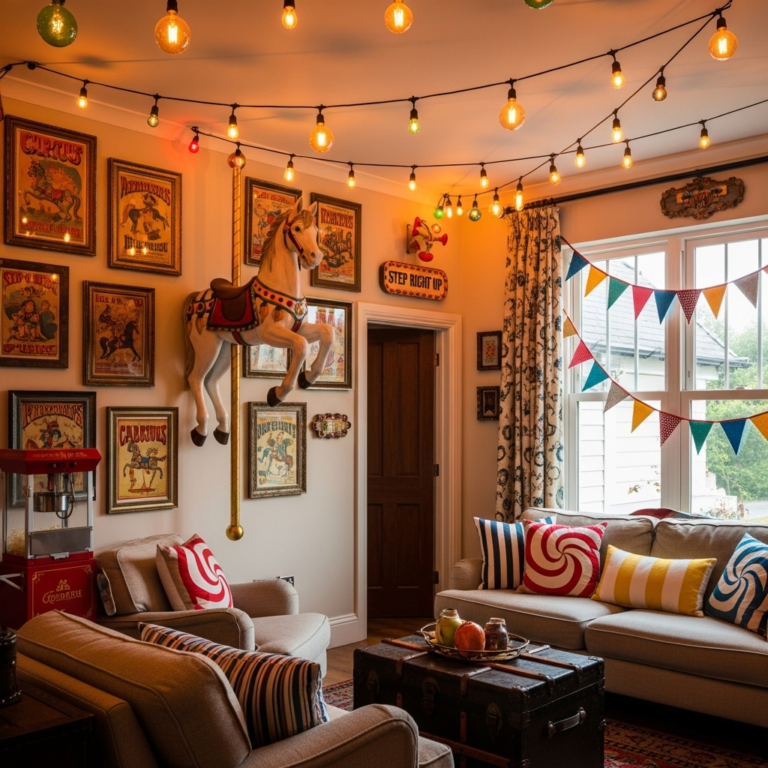
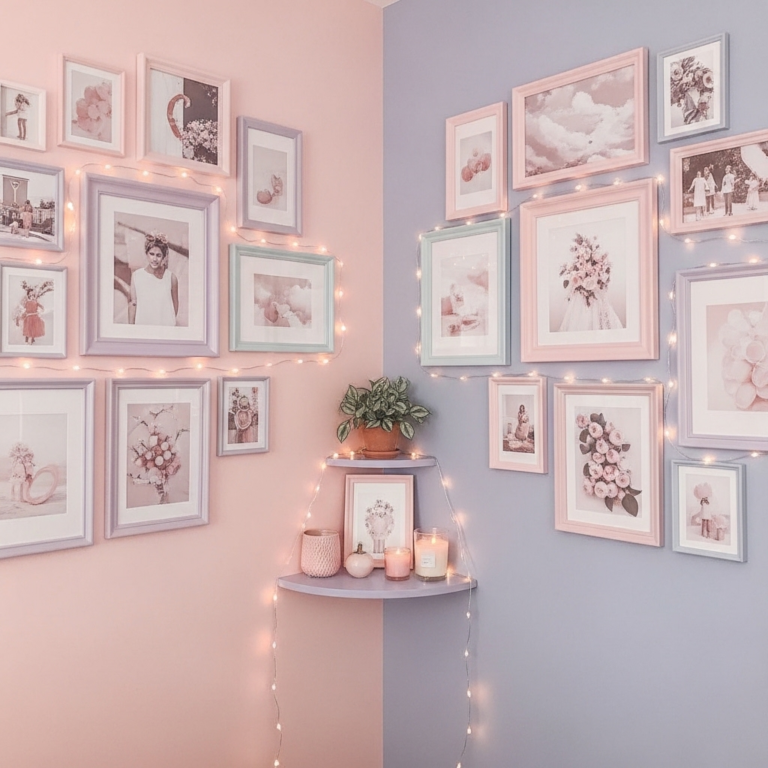
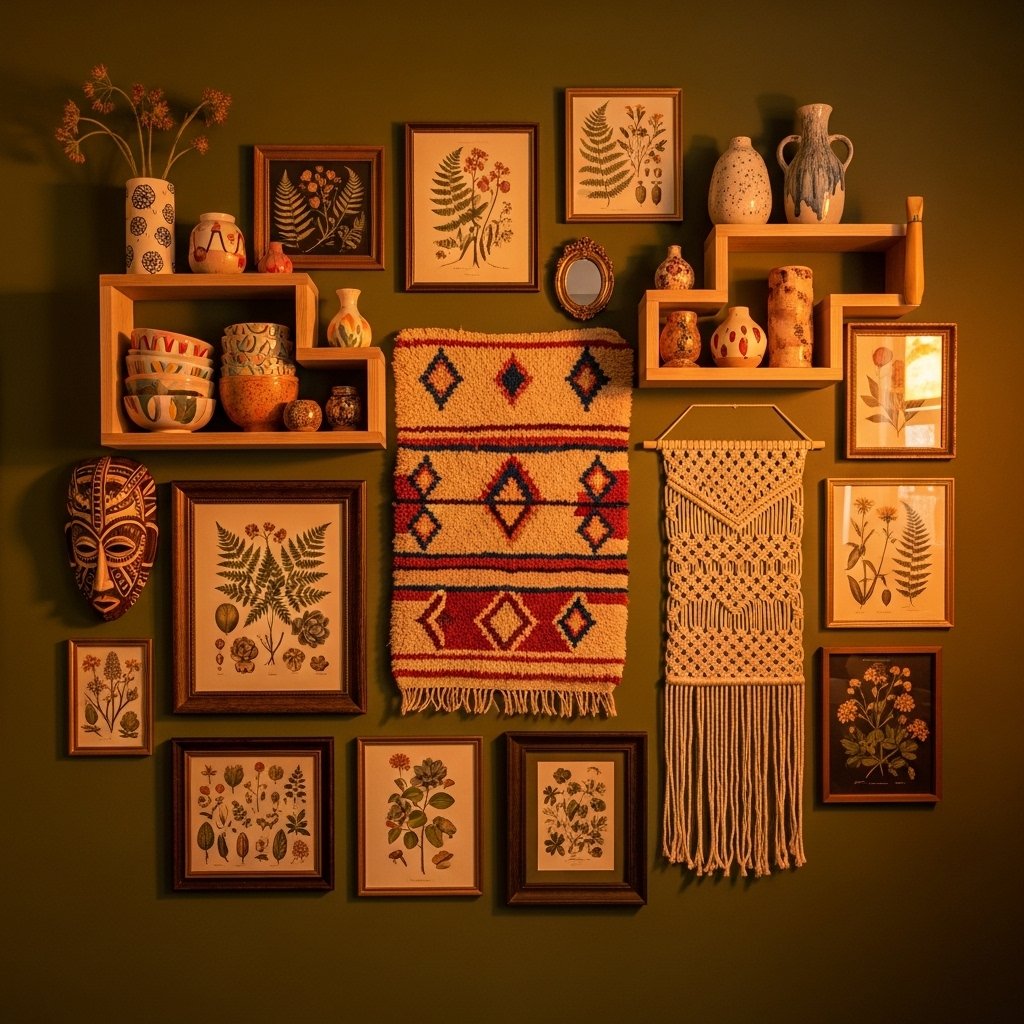
The gallery wall has evolved past framed prints into a fully three-dimensional wall installation that mixes framed art with hanging textiles, woven wall hangings, small shelves holding objects, and sculptural elements.
A Moroccan textile beside a framed botanical print beside a small wooden mask beside a macramé panel beside a postcard from a market creates a wall that reads as the autobiography of a person rather than the inventory of a shop.
The organizing principle is not style coherence. It is personal meaning. Every object on the wall should have a reason for being there that predates the decision to put it on the wall.
Consistent frame color within the framed elements, all dark wood or all natural timber, provides enough visual order to prevent the arrangement from reading as chaos.
2. Pampas Grass in Oversized Arrangements
Pampas grass has been declared over several times in the past five years. It keeps coming back because nothing else provides what it provides: height, movement, organic texture, and an almost architectural presence for almost no cost.
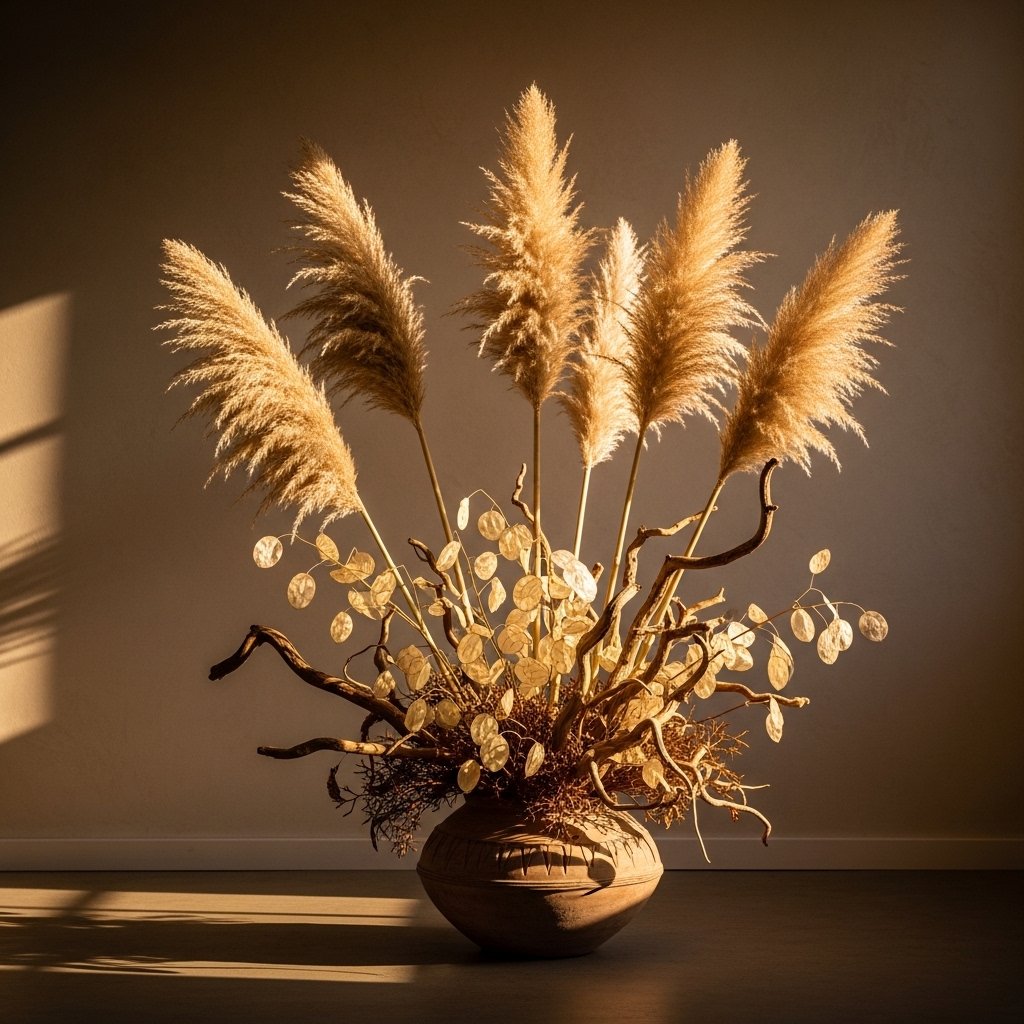
The 2026 version of pampas styling is bigger. A single stem in a bud vase is not the direction. An enormous bunch of three to five large stems in a substantial floor vase, a terracotta pot, or a wide-mouthed ceramic vessel is.
At this scale pampas grass becomes a room element rather than an accessory. It occupies vertical space the way a plant does but requires none of the maintenance. The dried plumes develop deeper color over time and last indefinitely.
Combine with dried lunaria, dried thistle, dried citrus slices, and natural branches for arrangements that feel genuinely complex rather than a single repeated material.
3. Layered Kilim and Vintage Rugs
The single rug on a bare floor is a minimalist choice. The bohemian floor is a conversation between multiple rugs of different origins, ages, and patterns layered one upon another.
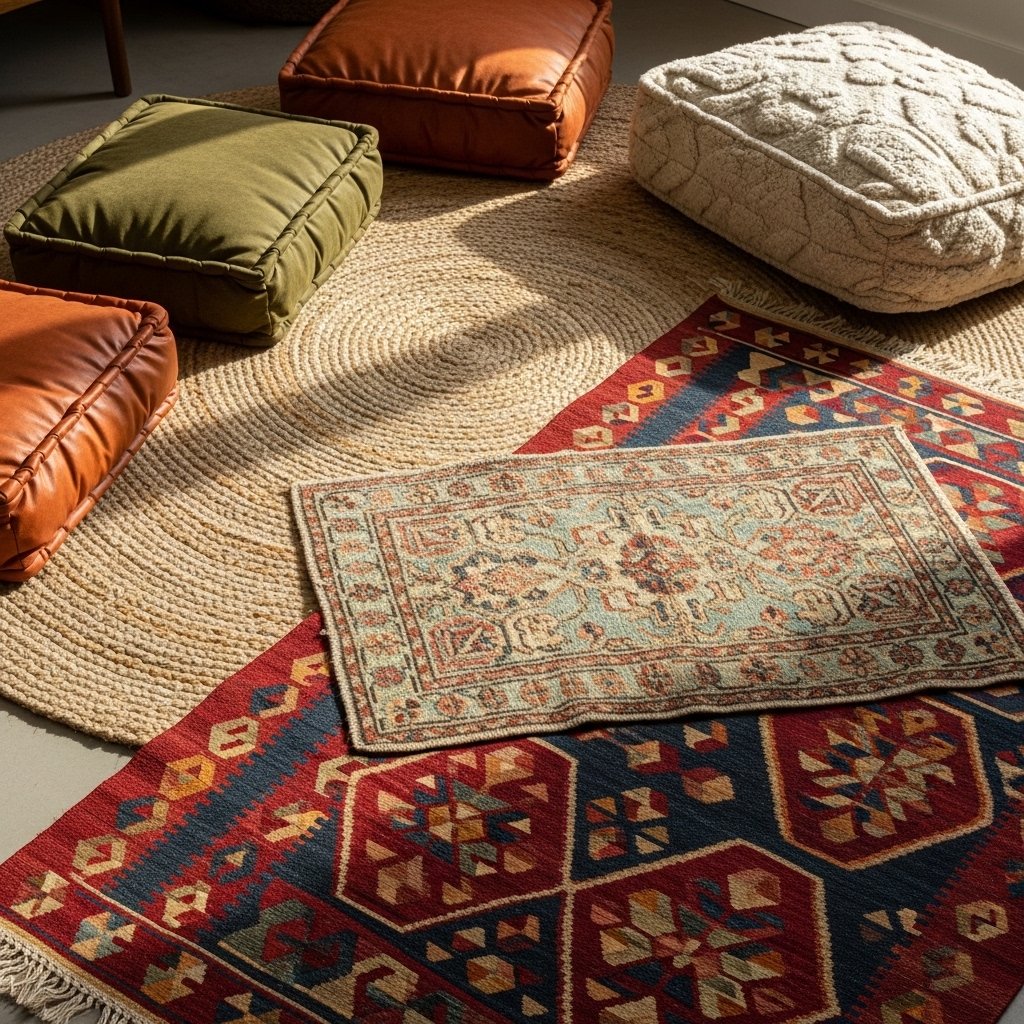
A large jute or natural fiber base rug covers most of the floor. A vintage kilim in red, orange, and navy sits on top at an angle. A smaller Turkish rug overlaps the kilim at one end. The floor becomes a textile story told in multiple chapters.
The layering works because the rugs come from different traditions and different times. They were never meant to go together and they go together perfectly because they are all genuine and all beautiful.
Flat-weave rugs layer better than thick pile rugs. A pile rug on a pile rug creates an unstable, trip-hazard situation. Flat-weave kilims and dhurries are the correct choice for layered arrangements.
4. Rattan and Cane Furniture Everywhere
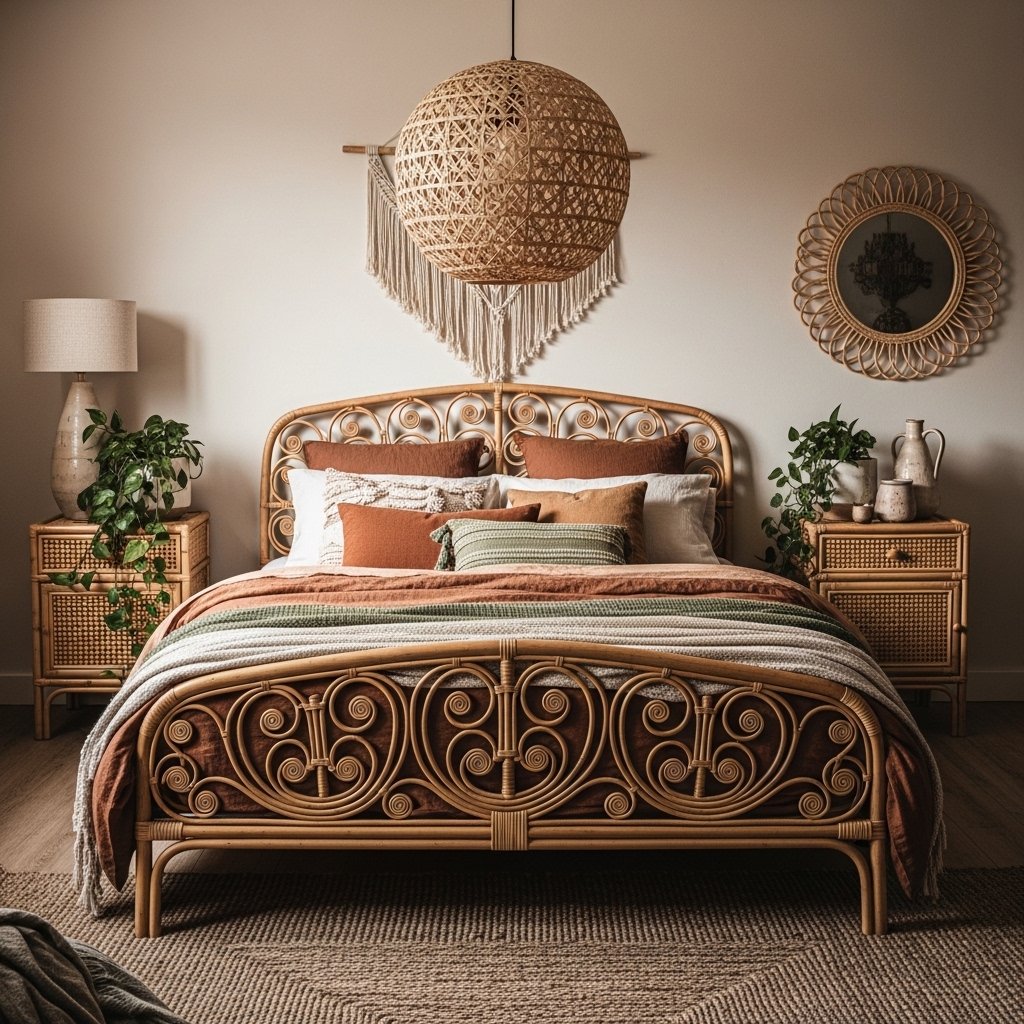
Rattan furniture is no longer an accent choice in bohemian interiors. In 2026 it has become the primary furniture material in the rooms pursuing this aesthetic most fully.
A rattan bed frame. A rattan sofa with cushions. Rattan dining chairs. A rattan bookcase. A rattan mirror. The material used consistently and completely throughout a room creates an environment with the warmth, lightness, and organic quality of a tropical colonial space updated for contemporary living.
The visual lightness of rattan furniture makes small rooms feel larger. The material takes up visual space differently from solid timber or upholstered pieces. Light passes through and around it rather than stopping at a surface.
Quality rattan furniture has joints that are tightly wound and secure. Loose joints are the mark of cheap rattan. The winding at connection points should be tight, consistent, and dry rather than loose or showing signs of moisture damage.
5. Macramé Beyond Wall Hangings
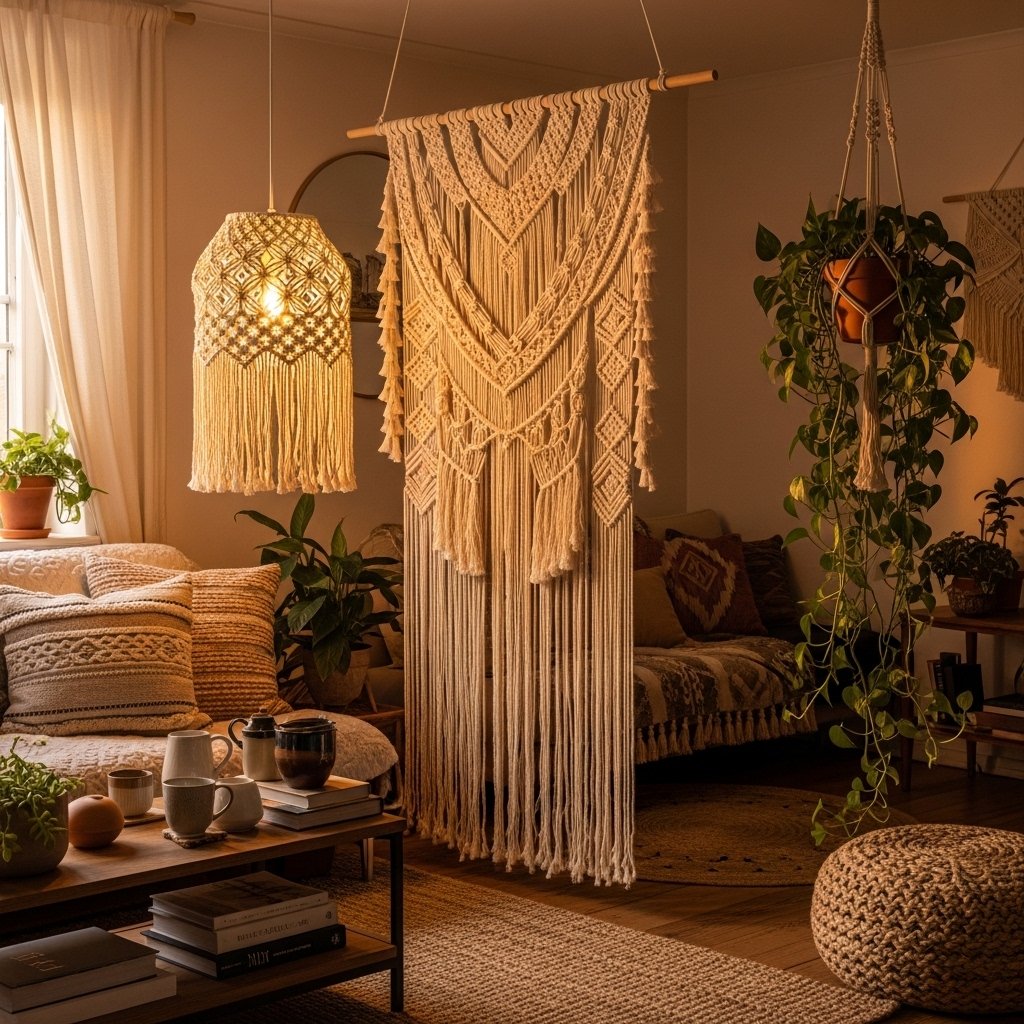
Macramé in 2026 has expanded from the wall hanging into every application where knotted fiber can plausibly serve: plant hangers, lampshades, headboards, room dividers, table runners, chair backs, and ceiling installations.
A macramé room divider suspended from a ceiling rod creates a soft, textural partition between zones in an open-plan space without the visual weight of a solid partition. Light passes through the knotted structure. The room is divided and connected simultaneously.
A macramé lampshade over a warm Edison bulb creates a light fitting with both illumination and shadow quality. The knot pattern casts shadows onto surrounding walls and ceilings that add movement and depth to the lit environment.
The craft revival underlying the macramé trend is significant. Handmade objects in the home communicate an investment of human time that machine-made alternatives never can. The knots in a macramé piece were tied by someone’s hands. That presence is felt in the object.
6. Vintage and Antique Furniture Mixing
The bohemian interior in 2026 refuses to buy everything new. The mix of vintage and antique pieces with contemporary elements creates a temporal richness that all-new interiors cannot achieve.
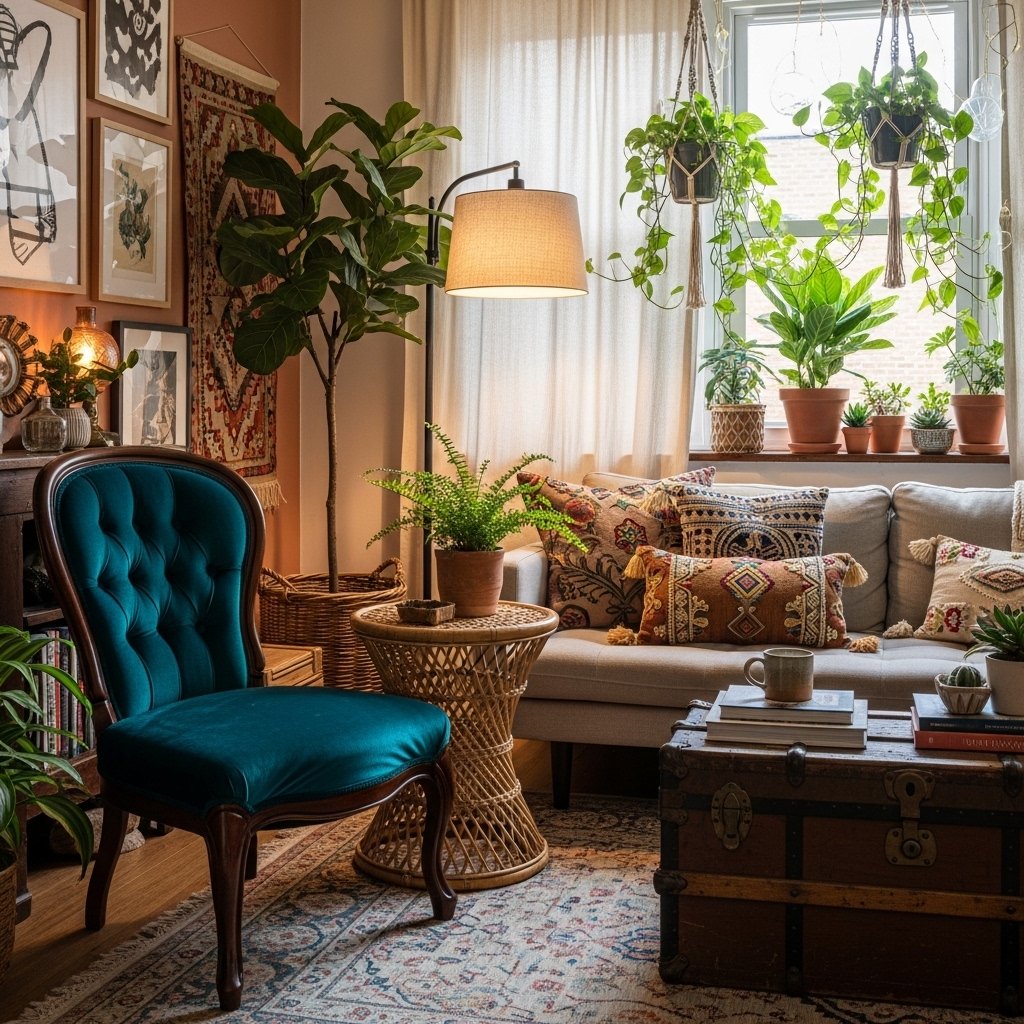
A Victorian button-back chair reupholstered in a contemporary fabric. A 1970s rattan side table beside a modern sofa. An antique wooden chest used as a coffee table. A mid-century dresser in a maximalist boho bedroom. Each vintage piece brings age, craft, and history into a room simultaneously.
The sourcing of vintage furniture, markets, estate sales, online platforms, charity shops, is itself part of the bohemian philosophy. The object found by chance and recognized as beautiful is more meaningful than the object selected from a catalogue.
Mixing periods requires only one discipline: no apology. Place the Victorian chair beside the contemporary sofa with complete confidence. The room will respond to the confidence of the decision.
7. Jewel Tone Color Explosions
The bohemian palette in 2026 has moved decisively away from the earth tone and rust palette that dominated for several years toward something brighter, deeper, and more unapologetically jewel-toned.
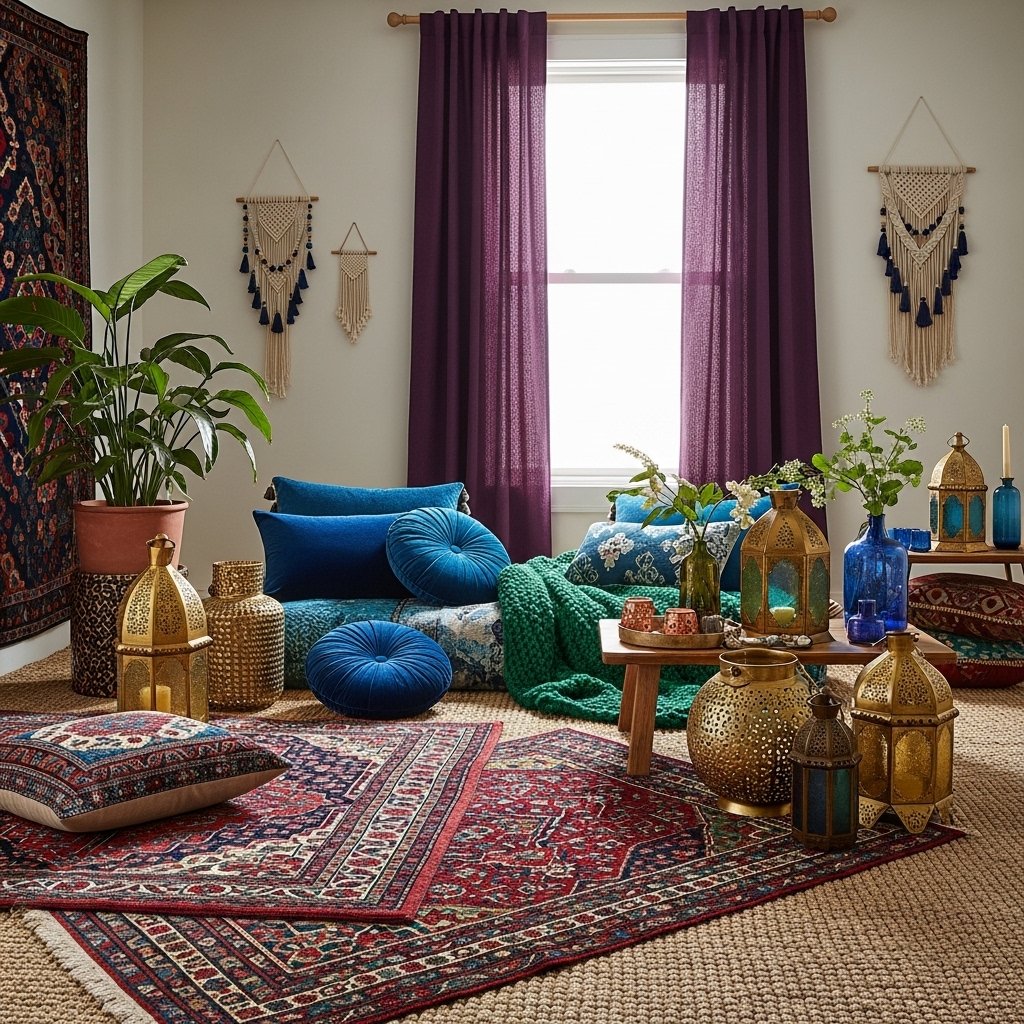
Sapphire blue cushions beside emerald green throws beside deep amethyst curtains beside gold accessories. The jewel tone palette is not about color matching. It is about color abundance. Every color is rich and saturated. The richness is the connecting quality rather than any specific hue.
This palette references Moroccan riads, Indian textile markets, Persian carpet traditions, and Byzantine mosaics simultaneously. The cultural references are not accidental. The bohemian aesthetic has always drawn from global traditions and the jewel tone palette is where those traditions converge most visibly.
A neutral base is mandatory. Rich jewel tones against white or cream walls and natural fiber rugs read as luxurious. The same jewel tones against a patterned background become noise.
8. Canopy Beds With Flowing Fabric
The canopy bed is not exclusively a pink bedroom idea. In a bohemian bedroom it takes on an entirely different character: looser, more layered, more globally referential.
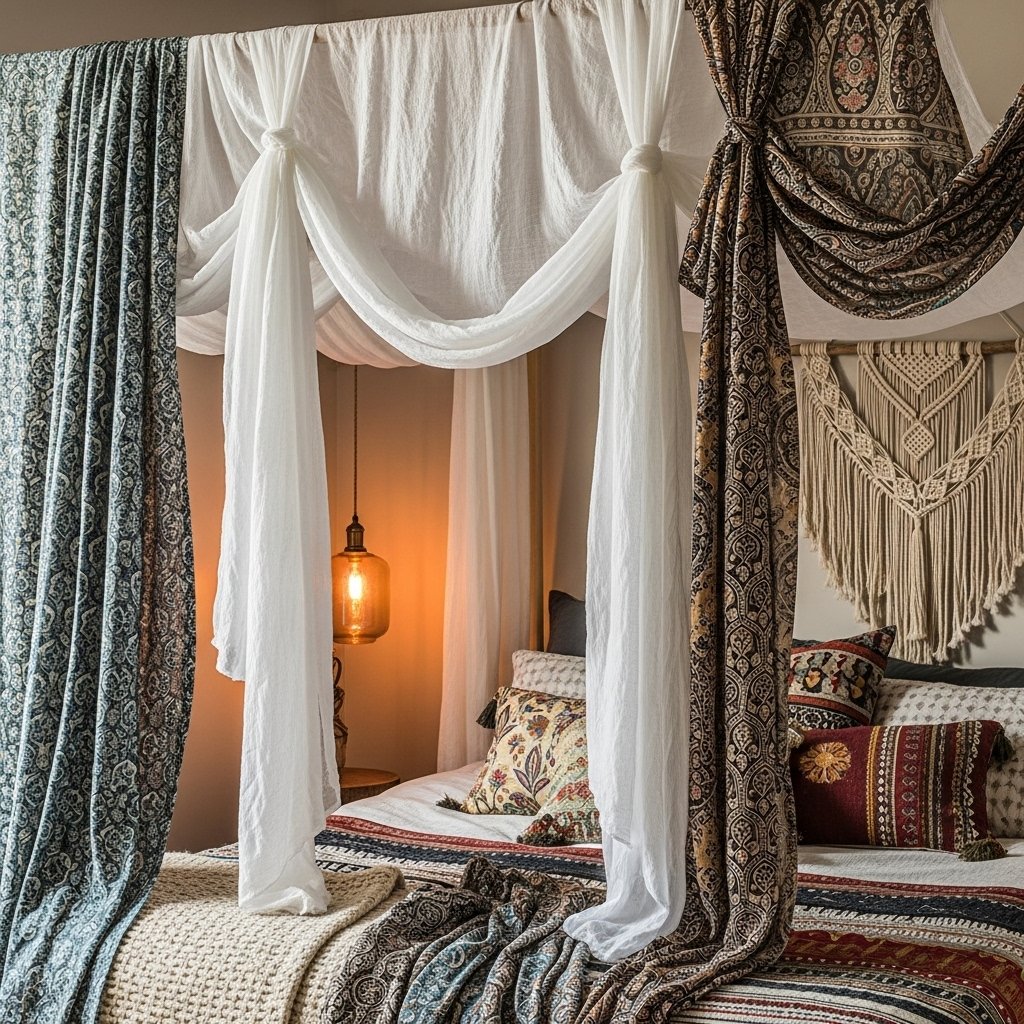
Sheer white muslin panels. Embroidered Indian block-print fabric. A collection of different textiles gathered from different places tied to the same four-poster frame. The bohemian canopy bed is not symmetrical or perfectly coordinated. It is an accumulation of beautiful fabrics that have found their way to the same place.
A simple ceiling hook and an embroidery hoop or a bamboo ring can create a bohemian canopy above a bed that has no four-poster frame. A circular fabric canopy suspended above the bed’s center creates the enclosure without the furniture.
The fabric should move. Sheer, lightweight textiles that shift in any air movement give the canopy the living quality that heavy, static fabric lacks.
9. Terracotta Pots as Interior Architecture
The terracotta pot in 2026 is not a plant container. It is an interior design element that happens to hold a plant.
Large terracotta pots, 40–60cm tall, grouped in varying heights and diameters in a corner of a room, create an arrangement with genuine visual weight and sculptural presence. The warm, earthy tones of terracotta work with virtually every bohemian palette. The material ages beautifully, developing a patina of mineral deposits and slight weathering that makes it look more interesting over time.
A collection of terracotta pots with different sizes and textures, some plain, some with impressed geometric patterns, some with the natural marks of the kiln, creates a display that is simultaneously about the plants inside and about the vessels themselves.
Grouping works better than scattering. Five terracotta pots together is a composition. The same five pots distributed around a room are just containers.
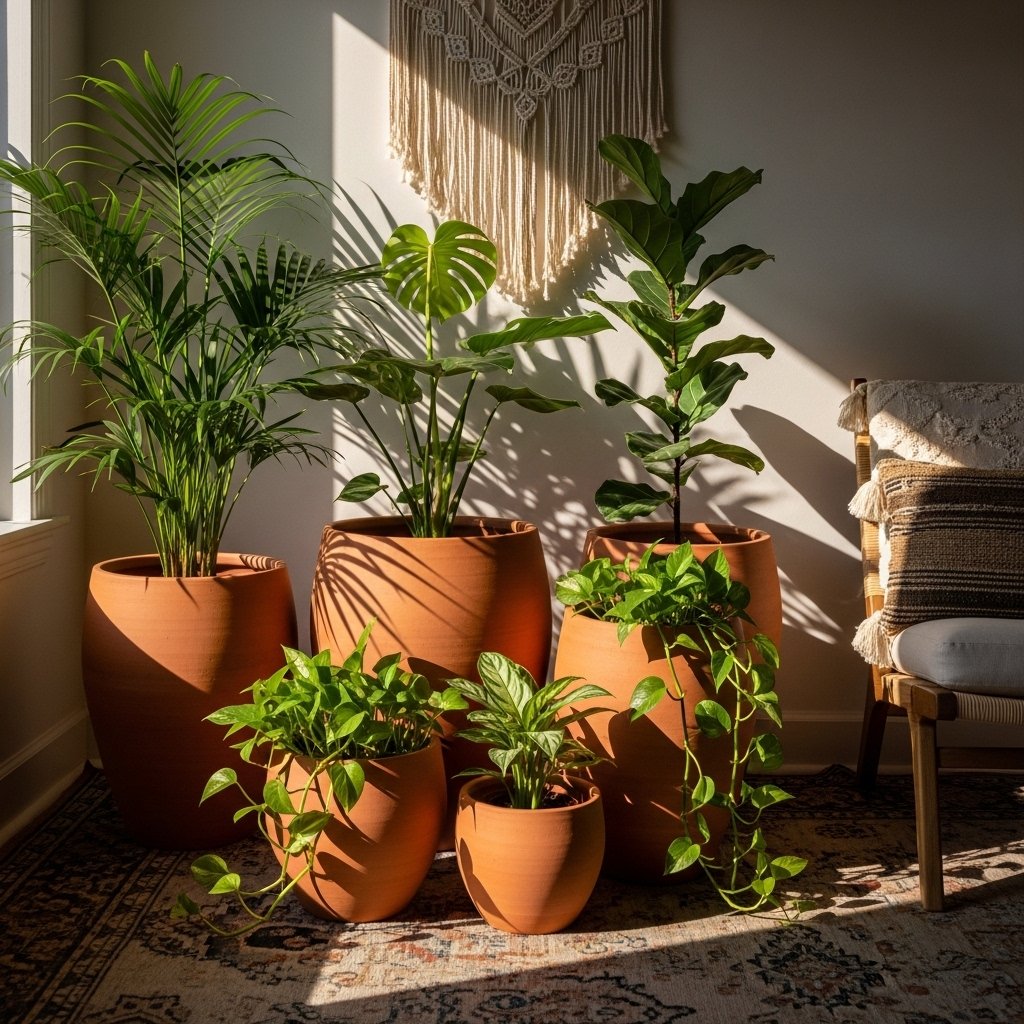
10. Global Lanterns and Atmospheric Lighting
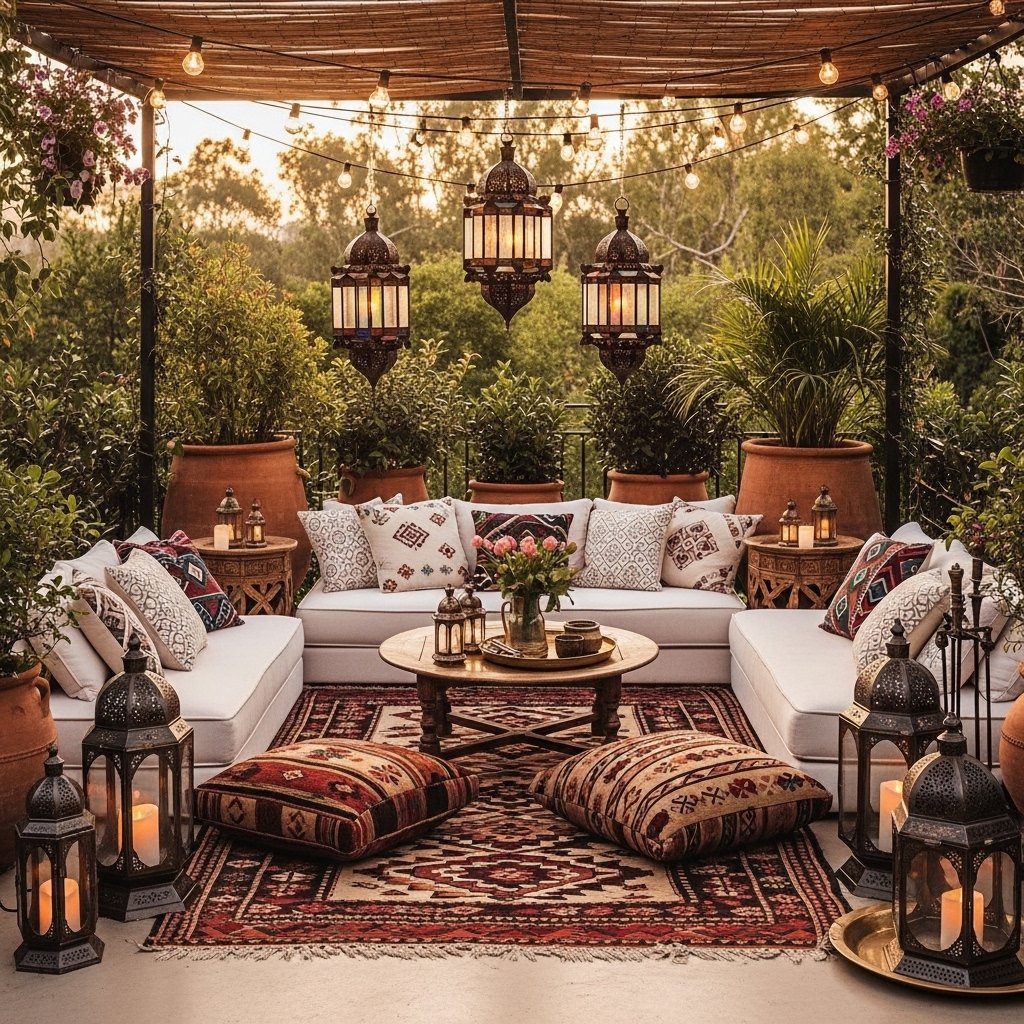
The bohemian space is never brightly lit. It is atmospherically lit, with multiple small warm light sources creating pools of amber light across a richly textured room.
Moroccan metal lanterns with punched geometric patterns casting intricate shadow patterns on surrounding walls. Indian glass lanterns in jewel tones hanging at different heights from a ceiling. Turkish mosaic glass table lanterns on every surface.
The light quality of a candle inside a Moroccan lantern versus a standard table lamp is not a subtle difference. The lantern light dances as the candle flame moves. The shadows shift. The light is alive rather than static.
Cluster multiple lanterns together rather than distributing them evenly. A group of seven lanterns in a corner creates a genuine atmosphere. The same seven lanterns positioned at regular intervals around a room create adequate illumination and nothing more.
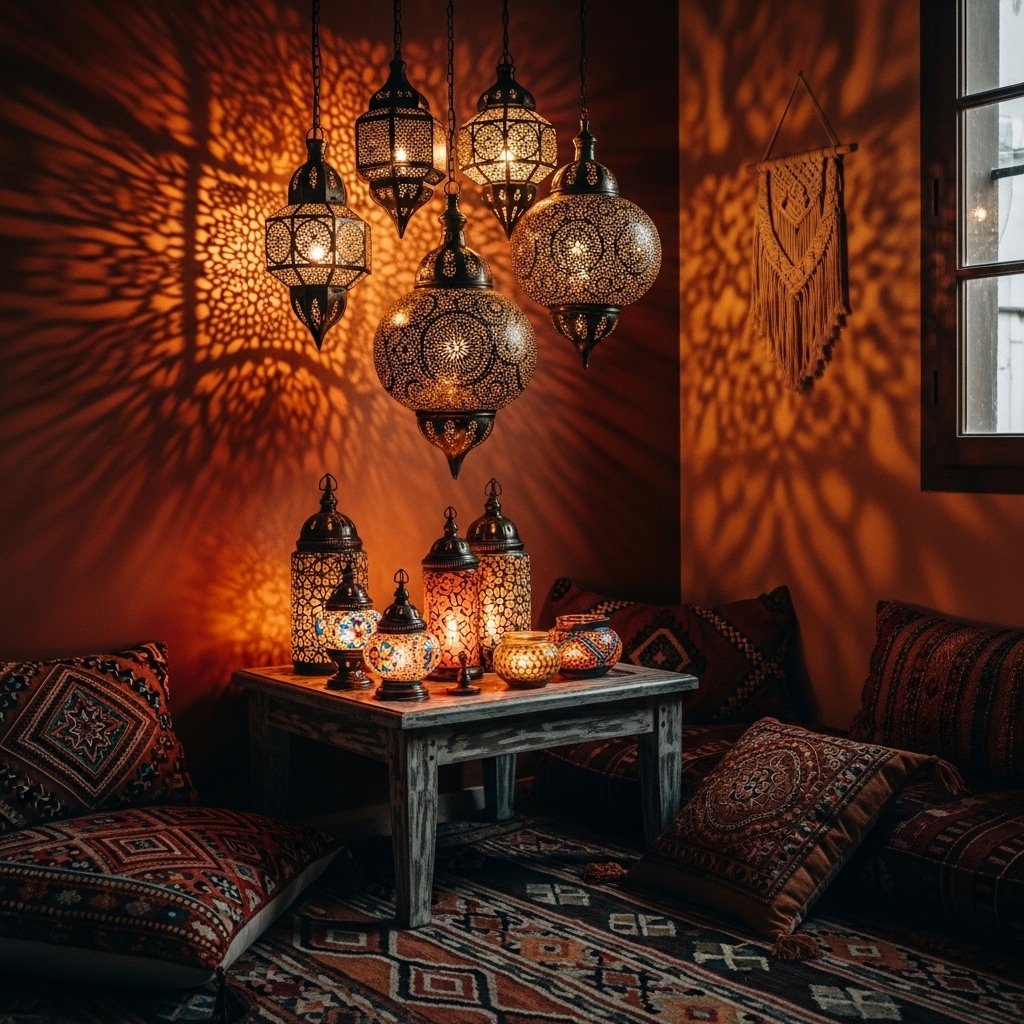
11. Organic and Live Edge Timber
Live edge timber furniture, where the natural edge of the wood slab is preserved rather than cut square, brings a directness and honesty to bohemian interiors that manufactured furniture cannot replicate.
A live edge timber coffee table where the irregular bark edge is visible and oiled. A live edge timber dining table where no two edges follow the same line. A live edge timber shelf bracket where the wood’s natural form determines the shelf’s character.
The live edge communicates something specific: this material came from a specific tree. The form of the furniture was partly determined by the form of the tree that produced it. No two pieces are identical because no two trees are.
This is the philosophical foundation of the bohemian relationship with natural materials. Not nature approximated by manufacturing. Nature itself, brought inside and given a function.
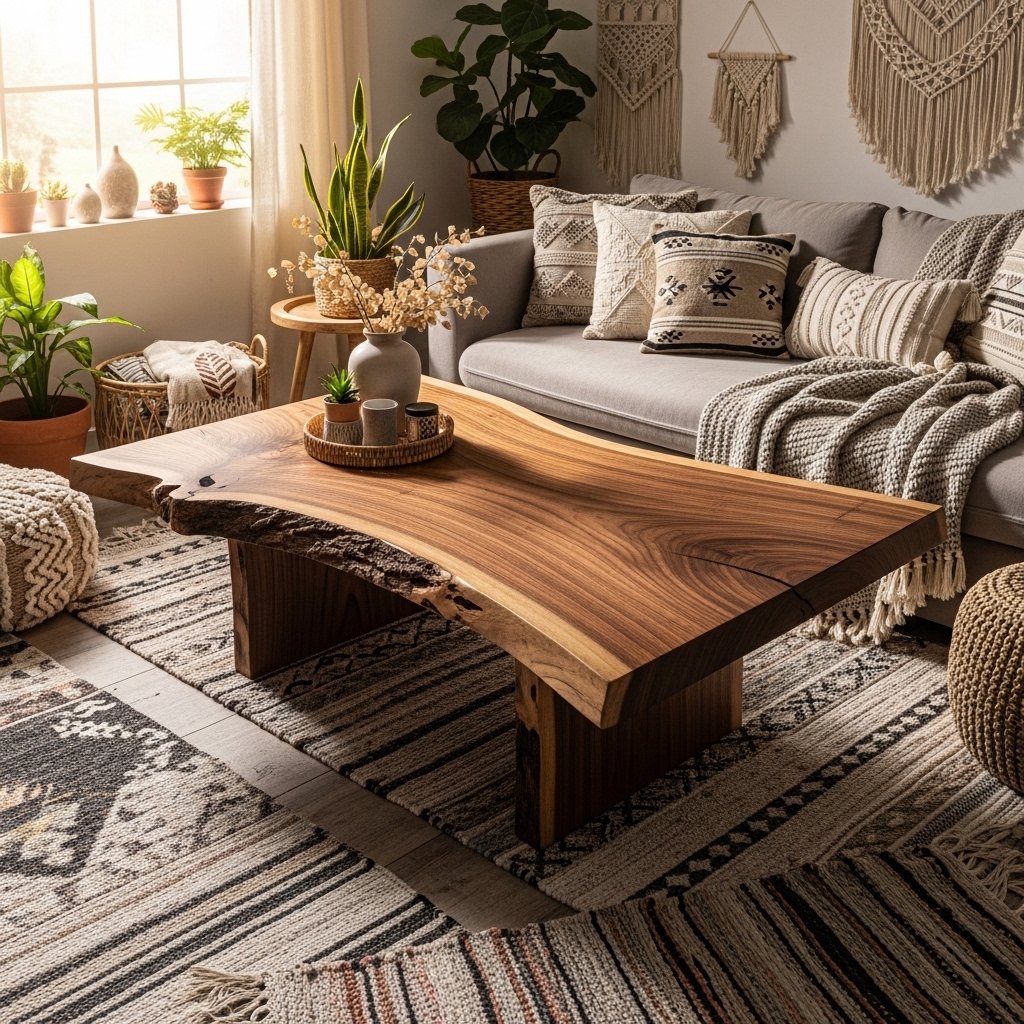
12. Ceiling Treatments in Fabric and Rattan
The ceiling in a bohemian space is as much a design surface as the walls and floor. In 2026 the viral ceiling treatments are fabric-based and rattan-based, bringing softness and natural texture overhead.
A fabric ceiling treatment using sheer panels draped from a central point and gathered at the walls creates a tent-like interior that is genuinely immersive. In a dining room this creates an outdoor-dining-under-canvas atmosphere without leaving the house.
Rattan panels or woven grass mats applied to a ceiling as a treatment, either covering it entirely or in a defined zone above the dining or seating area, bring the warmth of natural woven material overhead where it changes the entire room’s acoustic and visual character.
Both treatments work in rooms with adequate ceiling height. A low-ceilinged room with a fabric ceiling treatment feels oppressive. A room with standard or above-standard ceiling height with a fabric or rattan ceiling treatment feels like a destination.
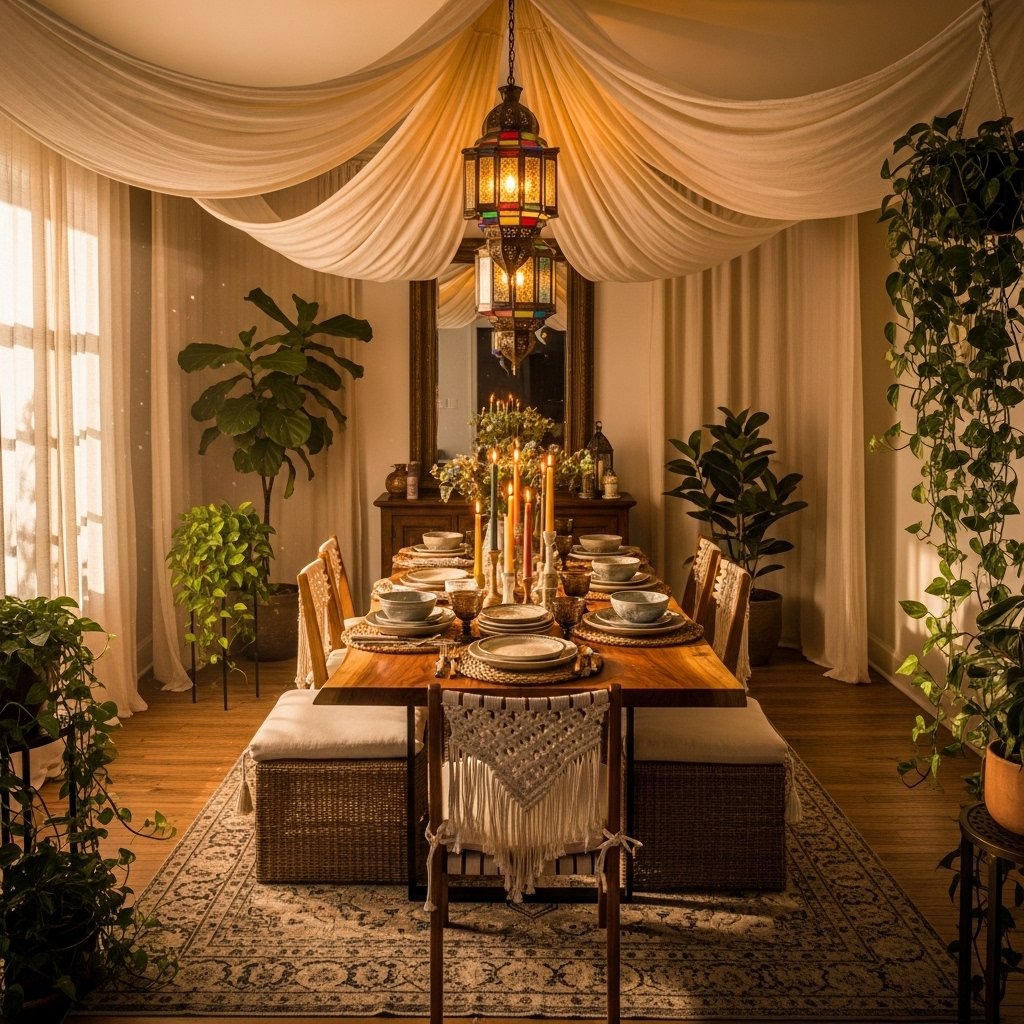
13. Collected Crystals and Natural Objects
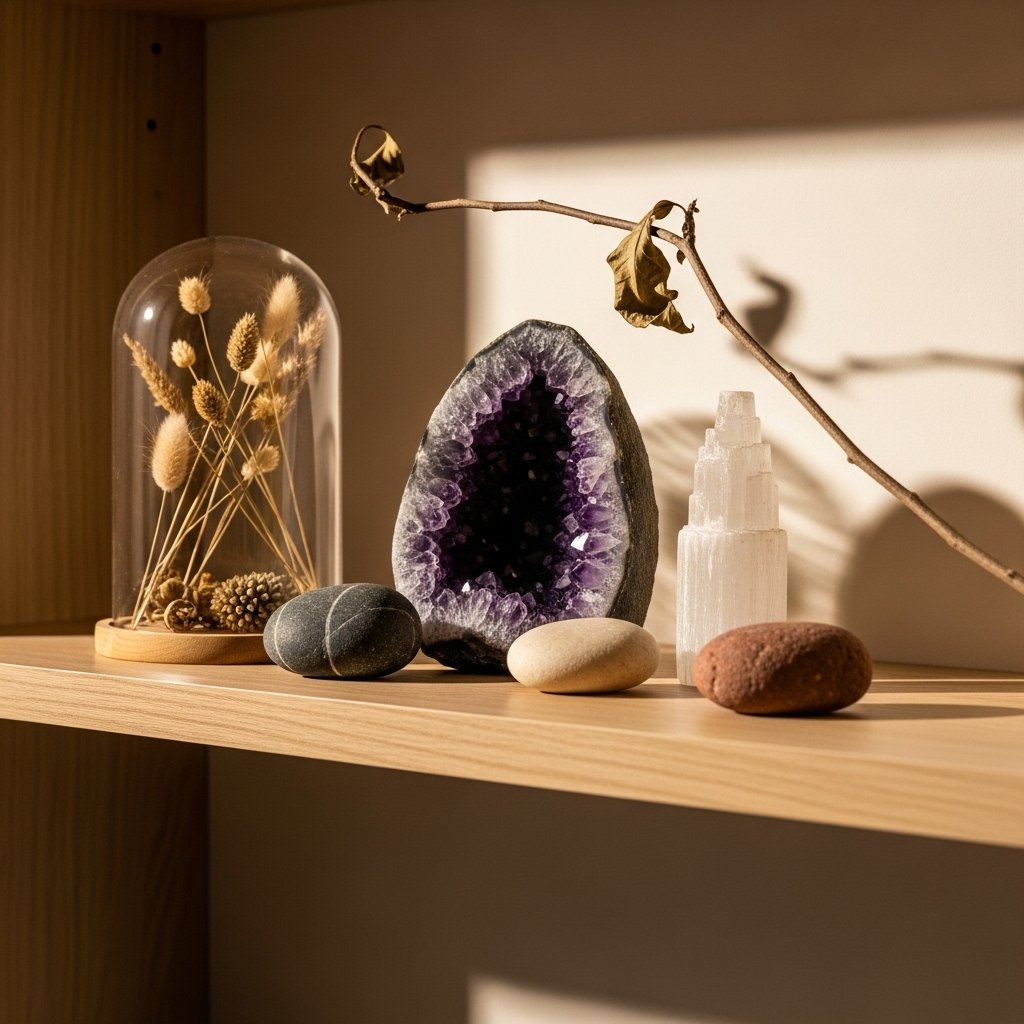
The bohemian decorating instinct in 2026 has extended its reach into the natural world beyond plants. Crystals, geodes, smooth river stones, pieces of coral, shells, fossils, feathers, and dried botanical specimens have become legitimate decorating materials rather than the sole domain of spirituality shops.
A large amethyst geode on a coffee table functions as both a sculptural object and a geological specimen. A collection of smooth stones gathered from different beaches displayed in a shallow ceramic bowl communicates a relationship with travel and the natural world. A shelf of crystals in different sizes and tones creates a display with genuine material beauty.
The context matters. A single large crystal or geode on an otherwise considered surface reads as sophisticated. A shelf crowded with twenty small crystals beside dream catchers and incense holders reads as a different kind of space entirely.
Edit with the same discipline applied to any other surface. Three or five thoughtfully chosen natural objects outperform twenty undiscriminating ones.
14. Hammocks and Floor Seating
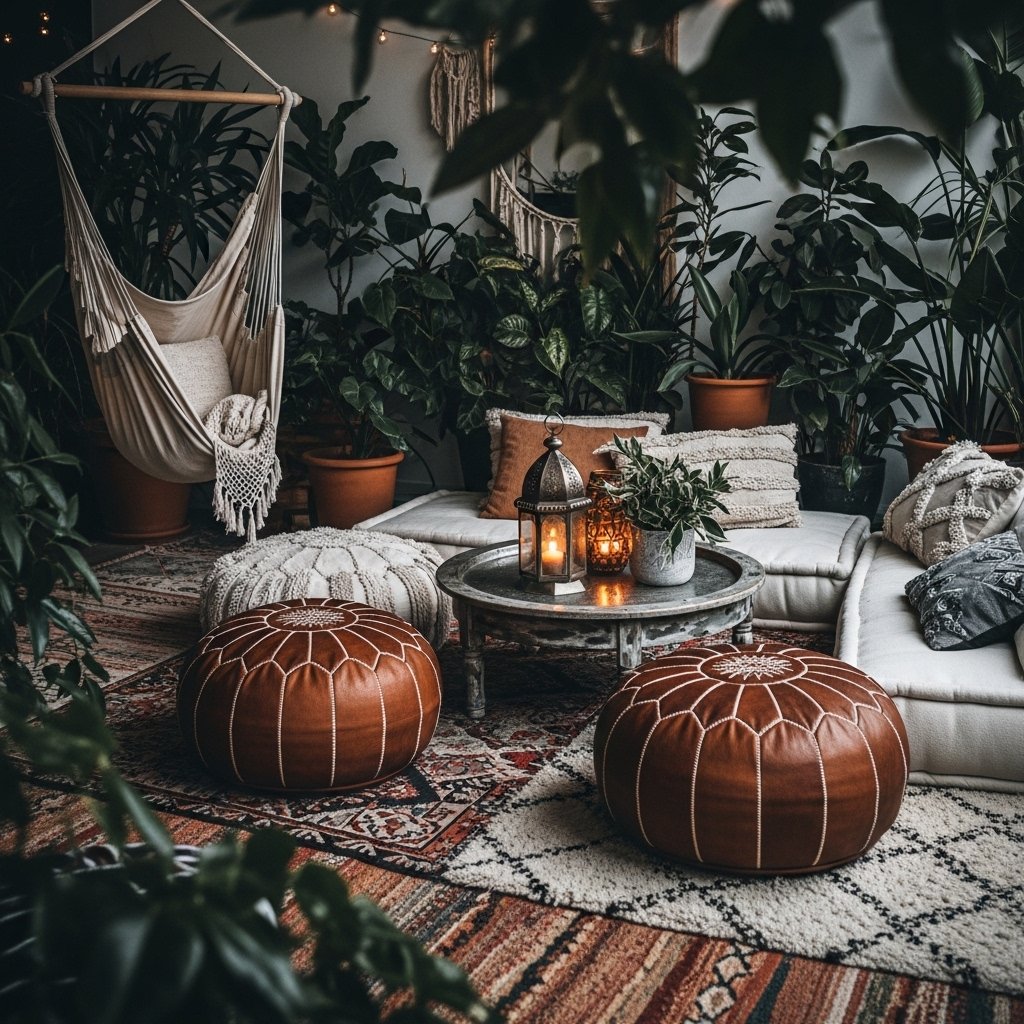
Conventional seating in a bohemian space is not the only seating option and in 2026 it is increasingly not the primary one.
An indoor hammock suspended between two walls or from a ceiling beam creates a seating and reclining option with a relaxed quality that no chair or sofa replicates. The movement of a hammock, the way it cradles the body, the gentle oscillation with any shift of weight, produces a level of physical ease that conventional furniture does not.
Floor seating, large cushions, Moroccan poufs, low Japanese zabuton cushions, and flat woven mats create a living room that is closer to the ground and closer to the rug and the objects placed at floor level. This low arrangement changes the social dynamic of the space. Conversation happens at the same level. The room feels more democratic and more relaxed simultaneously.
15. Incense, Smoke, and Ritual Objects
The bohemian home engages the senses beyond sight more fully than any other interior aesthetic and in 2026 the ritual objects associated with scent and atmosphere have become design elements in their own right.
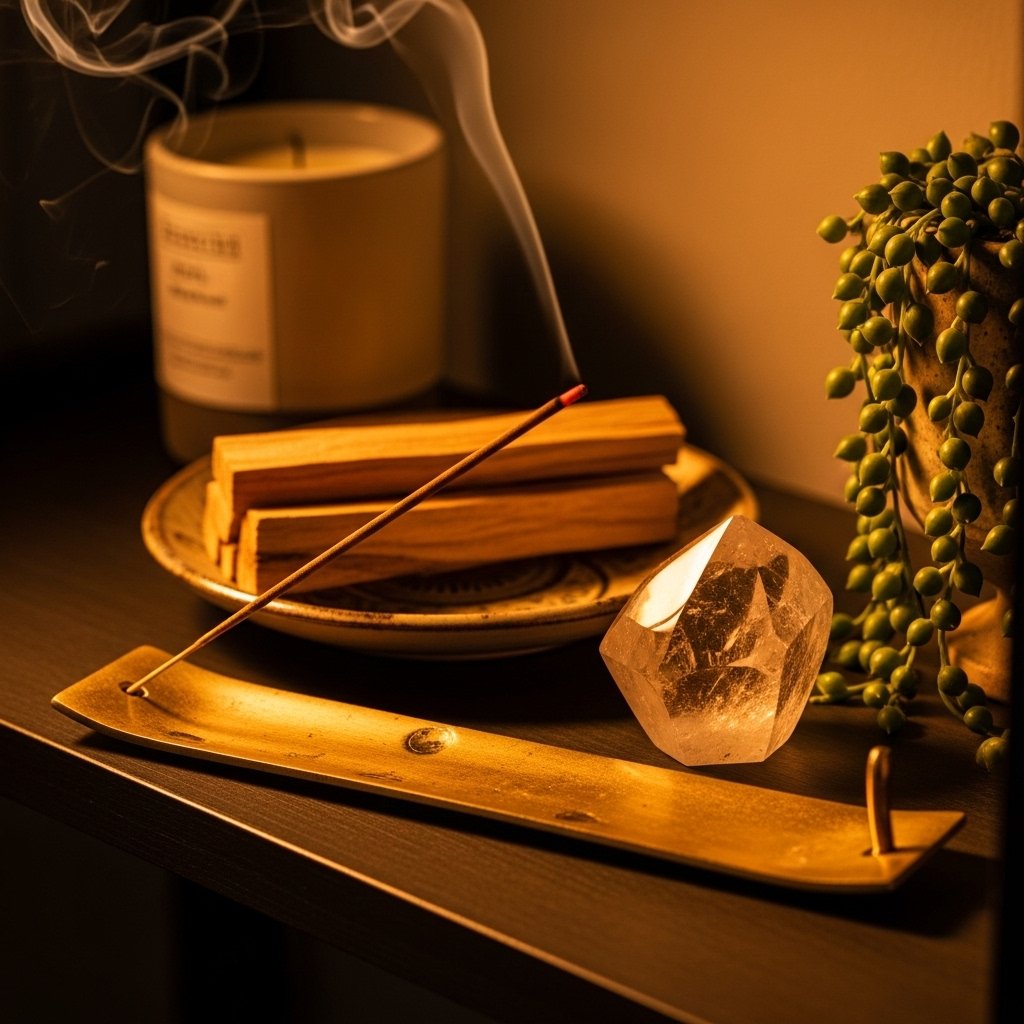
A ceramic or brass incense holder styled as part of a shelf vignette. A palo santo wood bundle displayed in a small dish. A collection of candles in varying heights grouped together as a styling element. A diffuser in a beautiful vessel on a coffee table.
These objects communicate an attitude toward the home as a place of intentional experience rather than purely functional occupation. The home is a space for ritual as well as for living. The objects that support ritual deserve the same design consideration as the objects that support function.
Style ritual objects as part of considered vignettes rather than placing them randomly. A palo santo bundle on a ceramic dish beside a crystal and a small plant is a composition. The same objects scattered across different surfaces are just objects.
16. The Outdoor Boho Living Room
The viral bohemian trend with the most lifestyle impact in 2026 is the fully realized outdoor bohemian living room that brings every element of the interior boho aesthetic into the garden, terrace, or courtyard.
Low floor seating on outdoor cushions. A kilim rug under a covered section. String lights and lanterns overhead. Plants in terracotta pots surrounding the seating. A low table with candles and natural objects. A textile wall hanging on an outdoor wall or fence. The outdoor space designed and inhabited with the same intention as the interior.
The technical requirements are modest. A covered section or a dry climate. Cushions that can be brought inside when weather turns. String lights on an outdoor circuit.
The experiential return is significant. An outdoor room that functions as a genuine living space extends the home’s usable area by an entire room for every month it is warm enough to use.