10 Inspiring Bedroom Ideas for Your Next Makeover
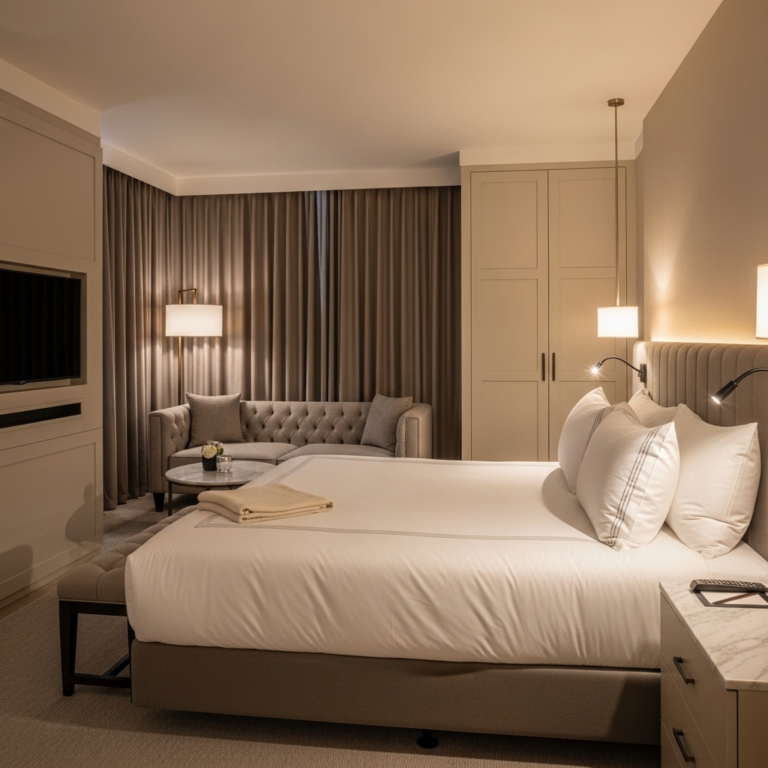
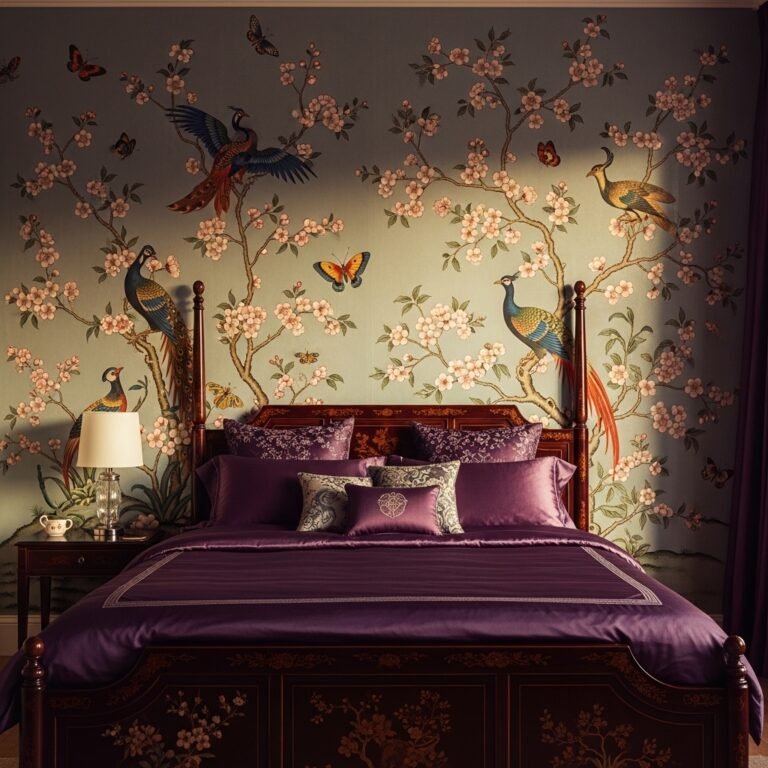
A bedroom makeover does not have to mean starting from scratch. Most bedrooms are one or two decisions away from feeling completely different, and almost none of those decisions require a renovation. The changes that make the biggest difference are usually the ones that cost the least to think about and the most to get wrong. These 10 ideas cover the full range, from the bed itself to the scent in the air, and each one is designed to produce a result that holds up long after the initial satisfaction of doing something new has faded.
1. Start with the bed and build everything else around it
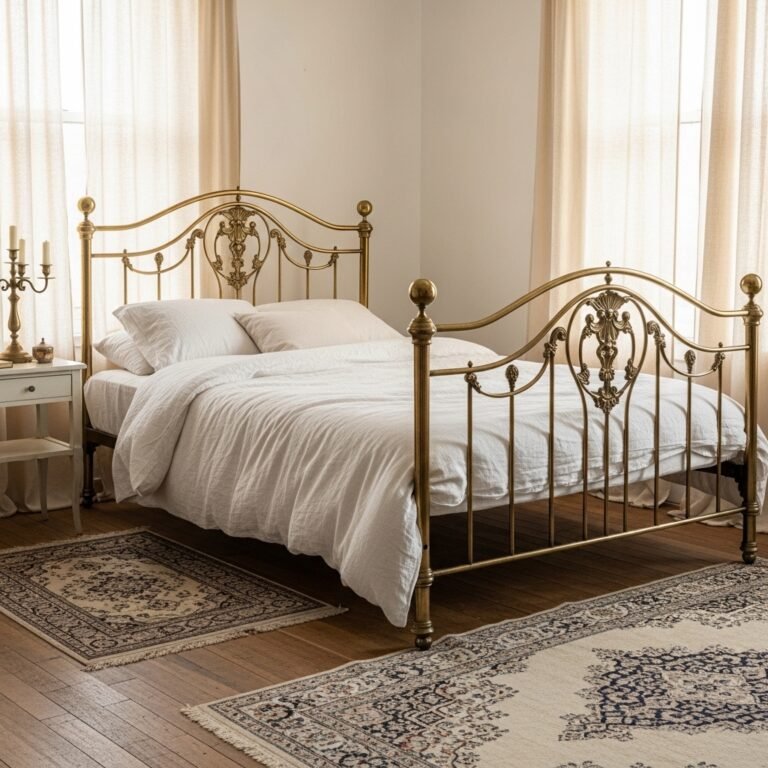
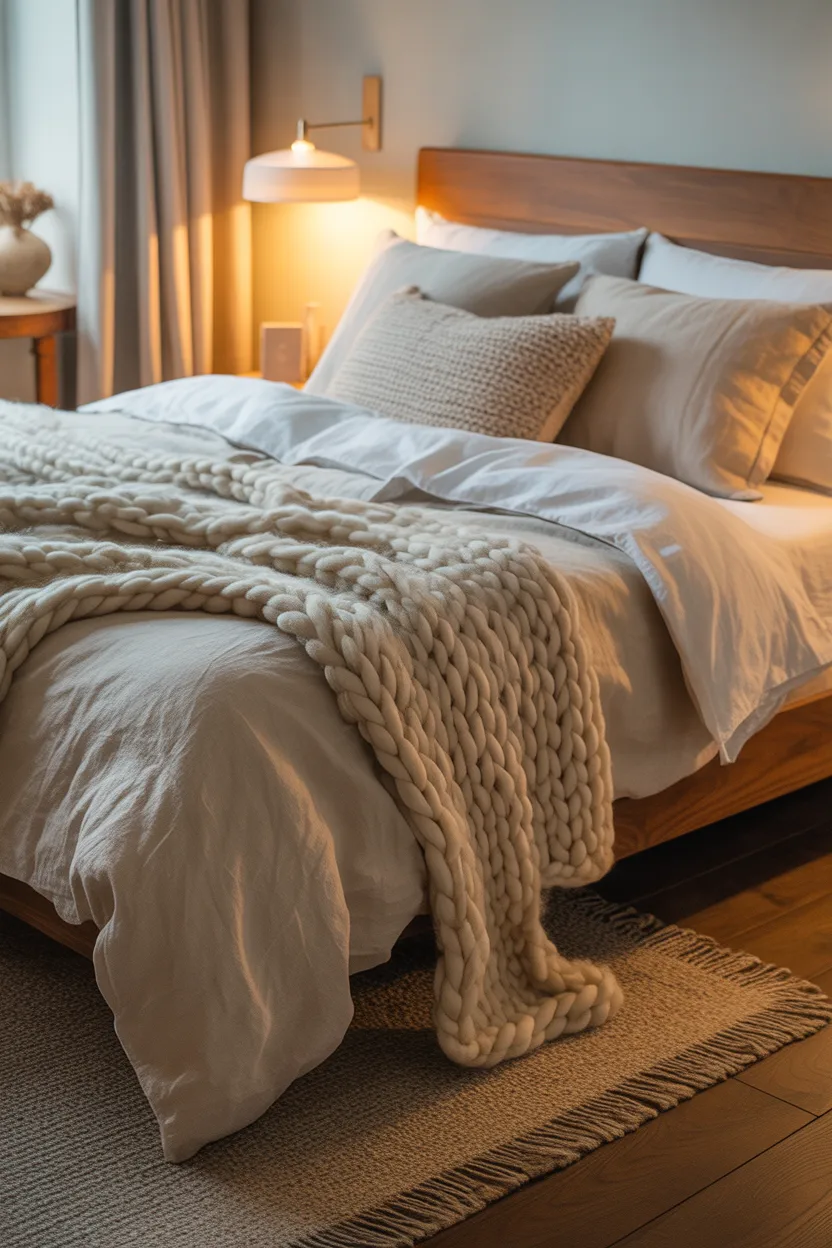
Most bedroom makeovers fail because they start in the wrong place. People buy a rug, then a lamp, then a piece of art, and then wonder why nothing feels cohesive. The bed is the largest piece of furniture in the room and the one every other decision has to work around, so it should be the first thing you get right rather than the last. A solid wooden frame in a warm tone, a low-profile upholstered frame in linen or velvet, or even a simple platform base: the silhouette of the frame sets the entire character of the room before anything else is added. Once the frame is right, layer the bedding deliberately. A linen duvet base, one heavier blanket across the foot, cushions in two or three textures. Build outward from there and the rest of the room has something to respond to.
2. Paint the ceiling the same color as the walls
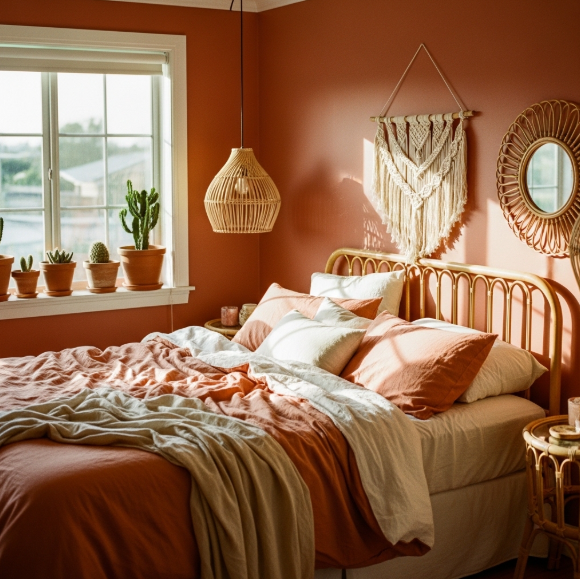
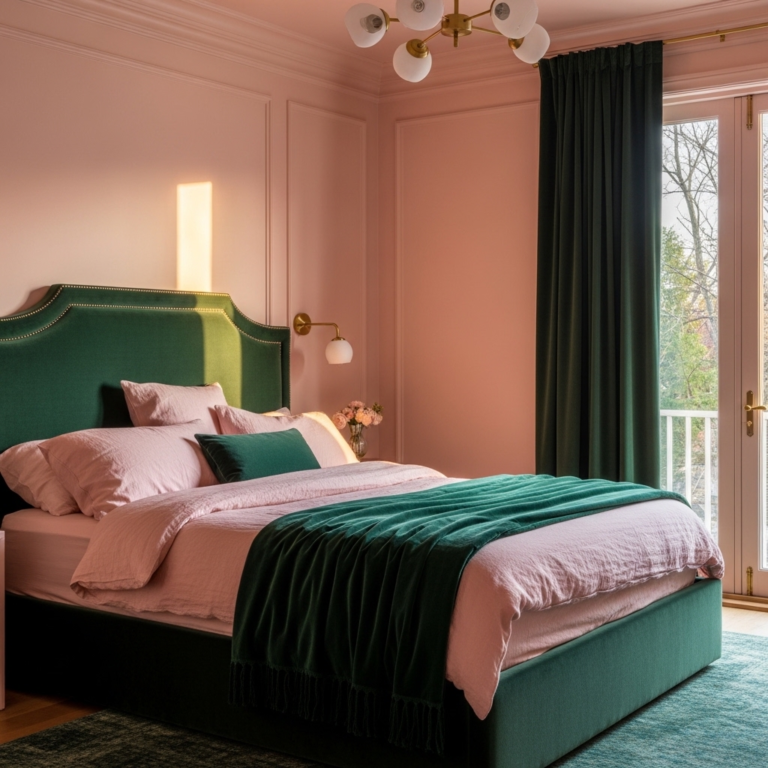
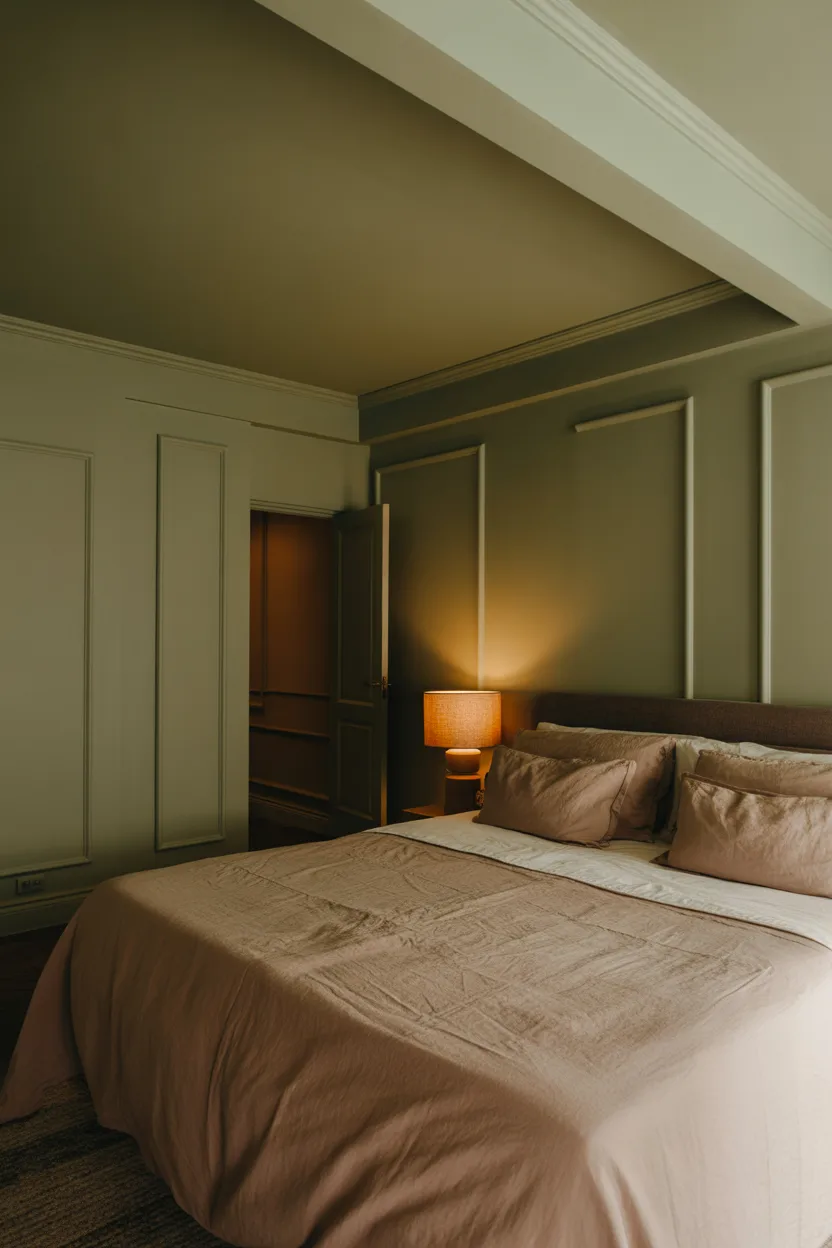
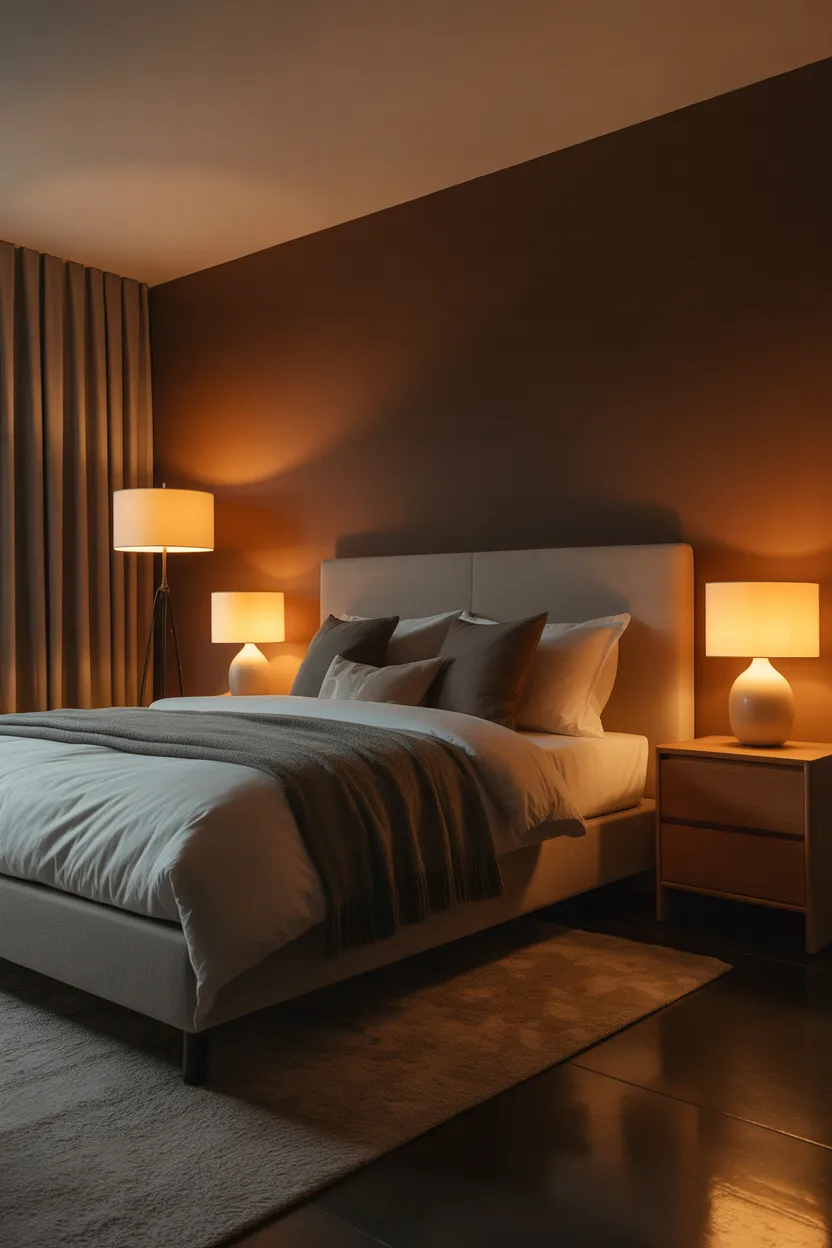
Painting the ceiling the same color as the walls is the single change that makes a bedroom feel most dramatically different from how it looked before, and it costs exactly the same as painting only the walls. The conventional approach leaves the ceiling white, which creates a visual lid that caps the room and makes the walls feel like they stop short. When the ceiling matches the walls, the color wraps the room completely and produces an enveloping quality that is genuinely hard to achieve any other way. It works best with mid-tones and deeper colors: a dusty sage, a warm greige, a muted terracotta, a deep slate blue. Very pale colors gain less from the technique because the contrast between wall and ceiling is already minimal. Very dark colors gain the most, producing a jewel box effect that makes the room feel intentional rather than simply dark.
3. Replace the overhead light with layered lamp sources
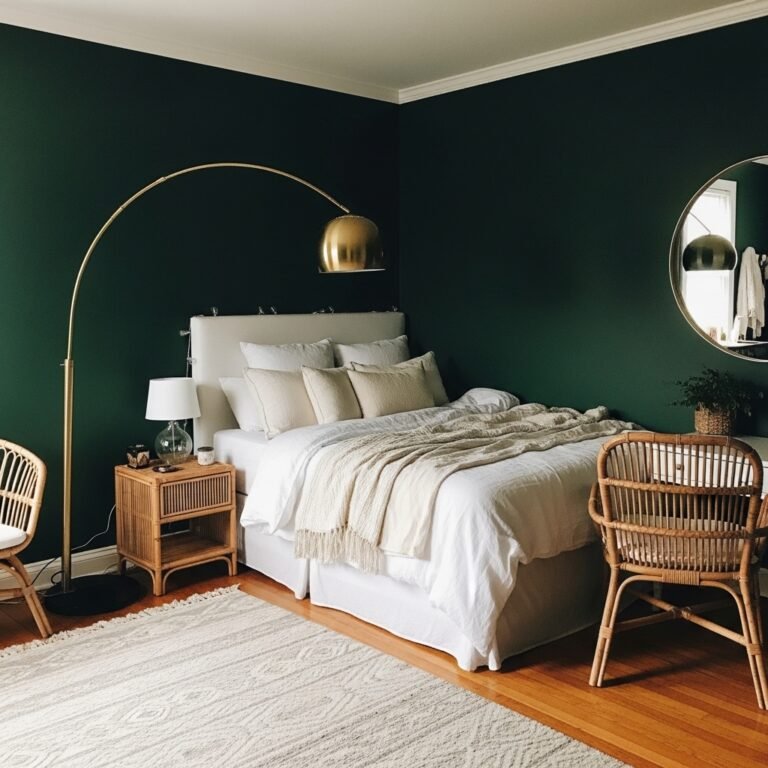
Overhead lighting is where most bedrooms go wrong and where they are easiest to fix. A single ceiling fixture illuminates the room evenly and eliminates every shadow, which sounds like a good thing until you realize that shadows are what give a room its depth and its atmosphere. Replace the overhead with a combination of sources at different heights: a table lamp on each nightstand, a floor lamp in one corner, possibly a wall sconce or two if you want to free up nightstand surface space. Each source creates a pool of warm light rather than a uniform wash, and the overlapping pools produce a room that looks completely different at night from how it looks during the day. Every bulb should be 2700K or warmer. The difference between a 4000K bulb and a 2700K bulb in a bedroom is the difference between a room that feels clinical and one that feels like somewhere you actually want to sleep.
4. Add a headboard that changes the entire wall
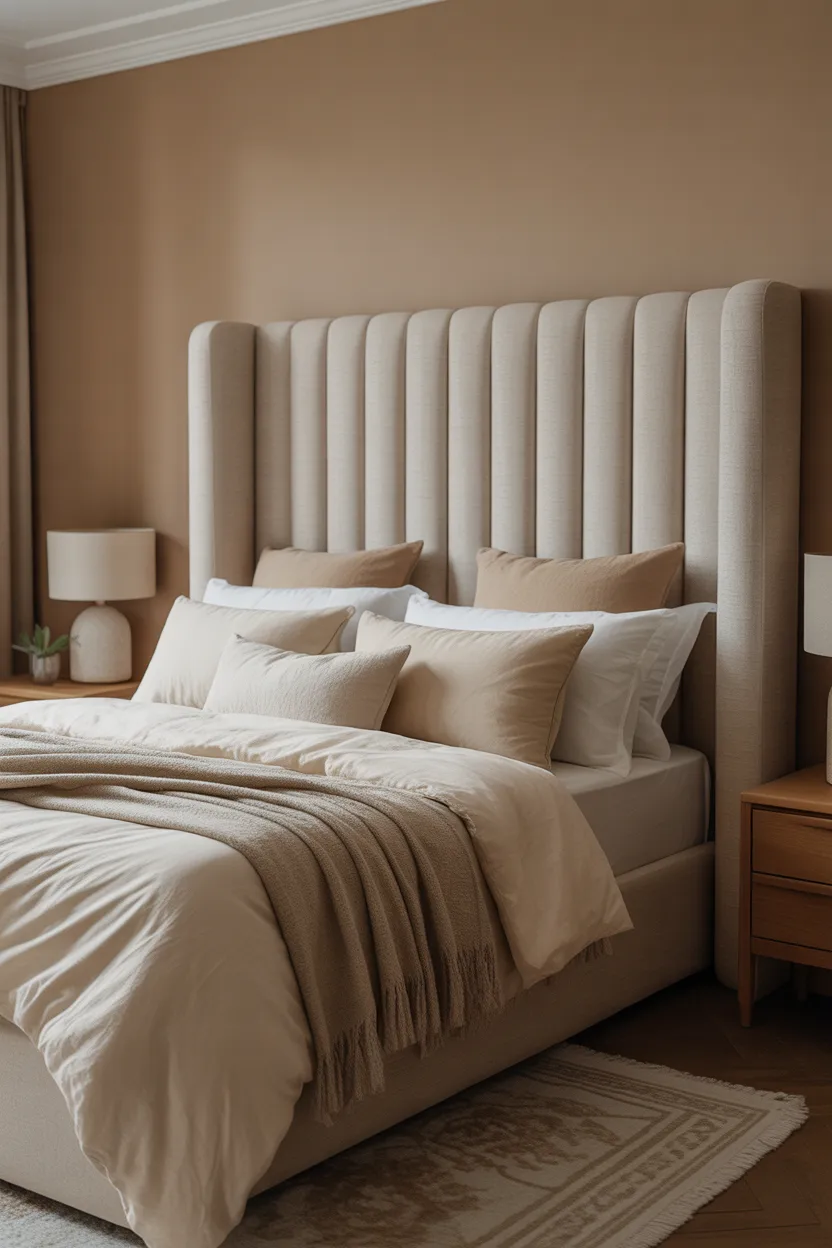
A bedroom without a headboard tends to look like a room that has not been finished yet, even when everything else in it is well-chosen. The headboard is the vertical element above the bed that gives the sleeping area its visual weight and its sense of completion. An upholstered headboard in linen, boucle, or velvet adds softness and texture to the wall plane in a way that a wooden or metal frame cannot. A tall headboard that reaches close to the ceiling makes the room feel taller and more considered. A wide headboard that extends beyond the width of the bed makes the bed feel more generous and more hotel-like. If budget is a constraint, a headboard made from a large piece of fabric stretched over a simple frame, or even a large piece of art hung low and used as a visual headboard, produces a similar spatial effect at a much lower cost.
5. Bring in one piece of furniture that is not obviously bedroom furniture
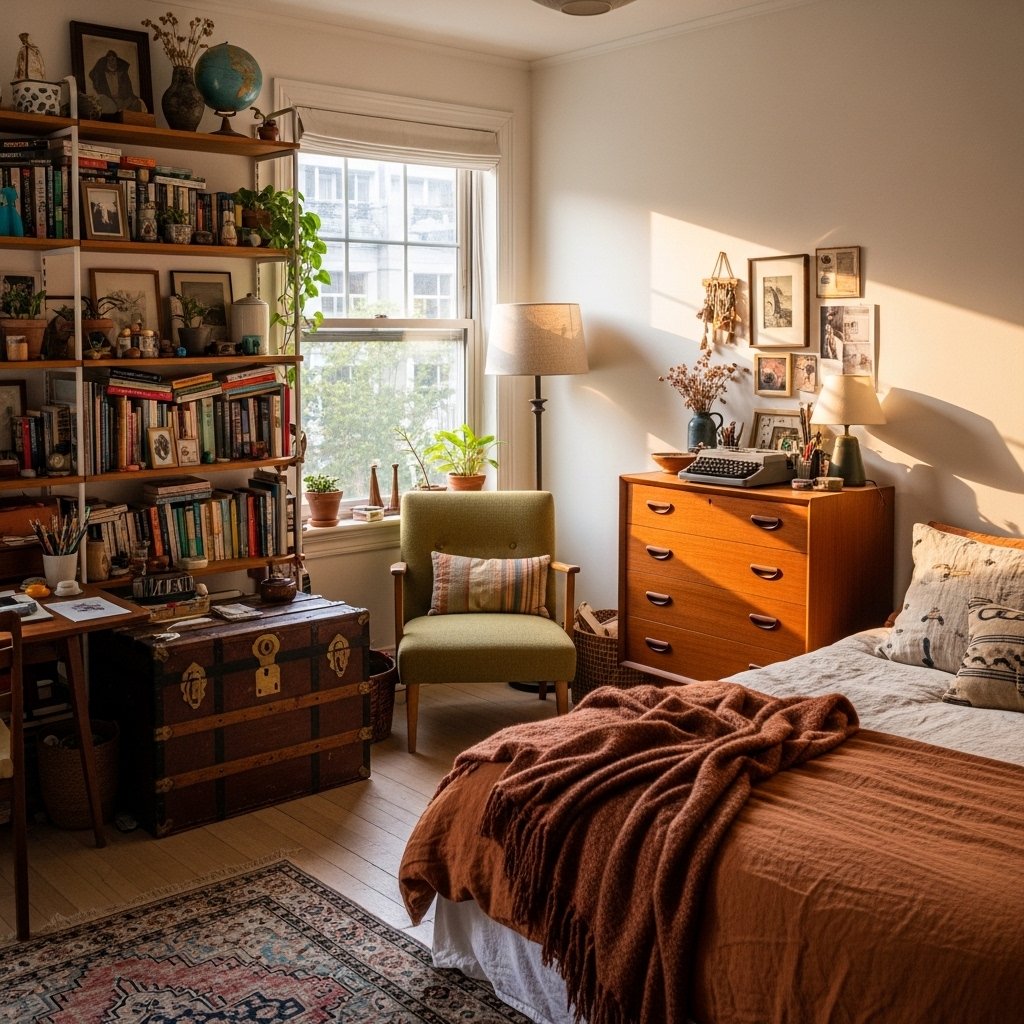
The bedrooms that feel most personal and most interesting almost always have at least one piece of furniture in them that was not designed specifically for a bedroom. A small armchair in a reading corner that came from a living room collection. A vintage wooden chest used as a nightstand. A console table behind the bedroom door used as a dressing surface. A low bookcase along one wall that belongs to the study category rather than the bedroom one. These pieces break the visual predictability of a room where everything was bought from the same bedroom section and suggests a person who made choices rather than followed a template. They also tend to have better proportions and better build quality than purpose-built bedroom furniture, which is designed for a specific function rather than for longevity across different contexts.
6. Use curtains to make the room feel bigger than it is
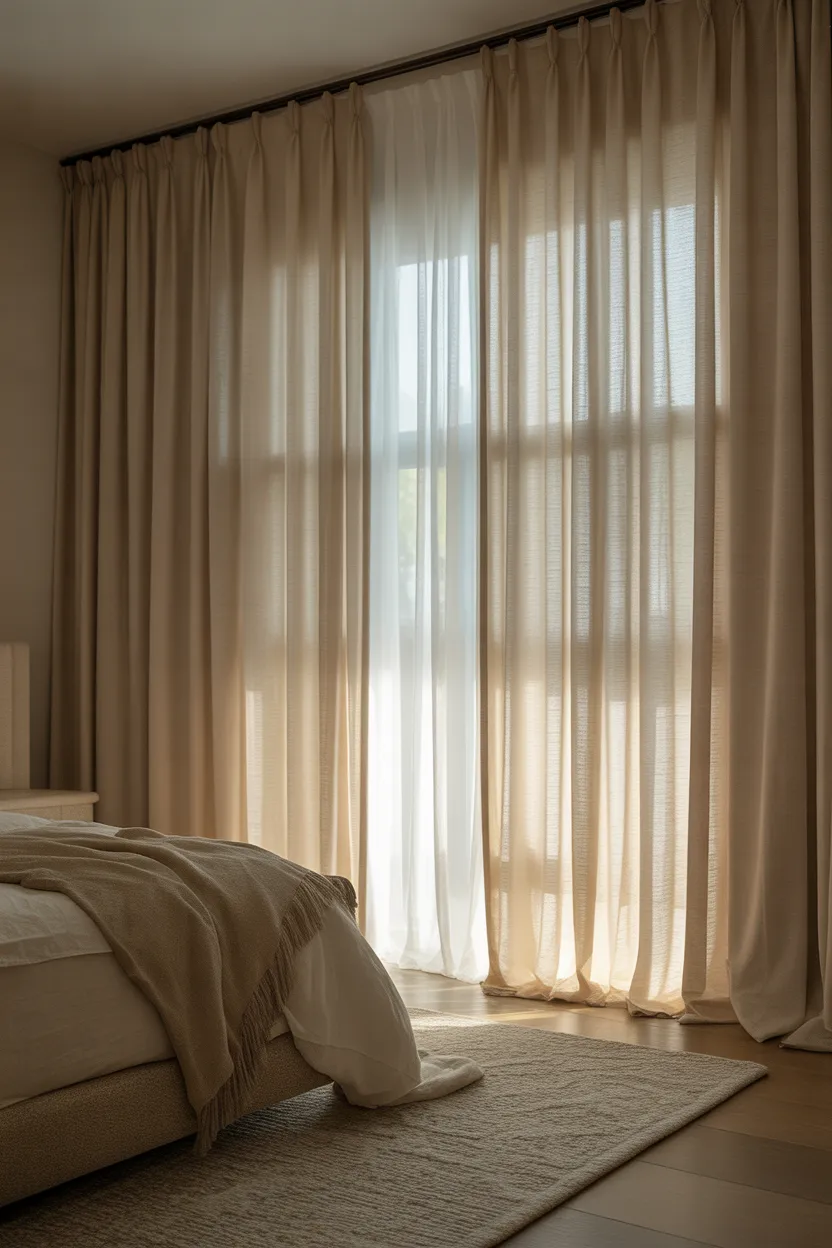
Curtains hung at ceiling height rather than just above the window frame are the most reliable way to make a bedroom feel larger and more expensive without any structural change. The rod goes as close to the ceiling as possible, and the curtain panels hang all the way to the floor, pooling slightly if you want the full effect. The eye reads the height of the curtains as the height of the room, which is why this technique makes low-ceilinged bedrooms feel taller and why it makes already tall bedrooms feel genuinely impressive. The fabric matters for the result: sheer linen panels in white or ivory filter the light beautifully and add softness. Heavier velvet or linen-cotton panels in a warm tone add drama and help with insulation. Both work. The key in either case is ceiling height hanging and floor length drop.
7. Create a reading corner that makes the room feel like more than one space
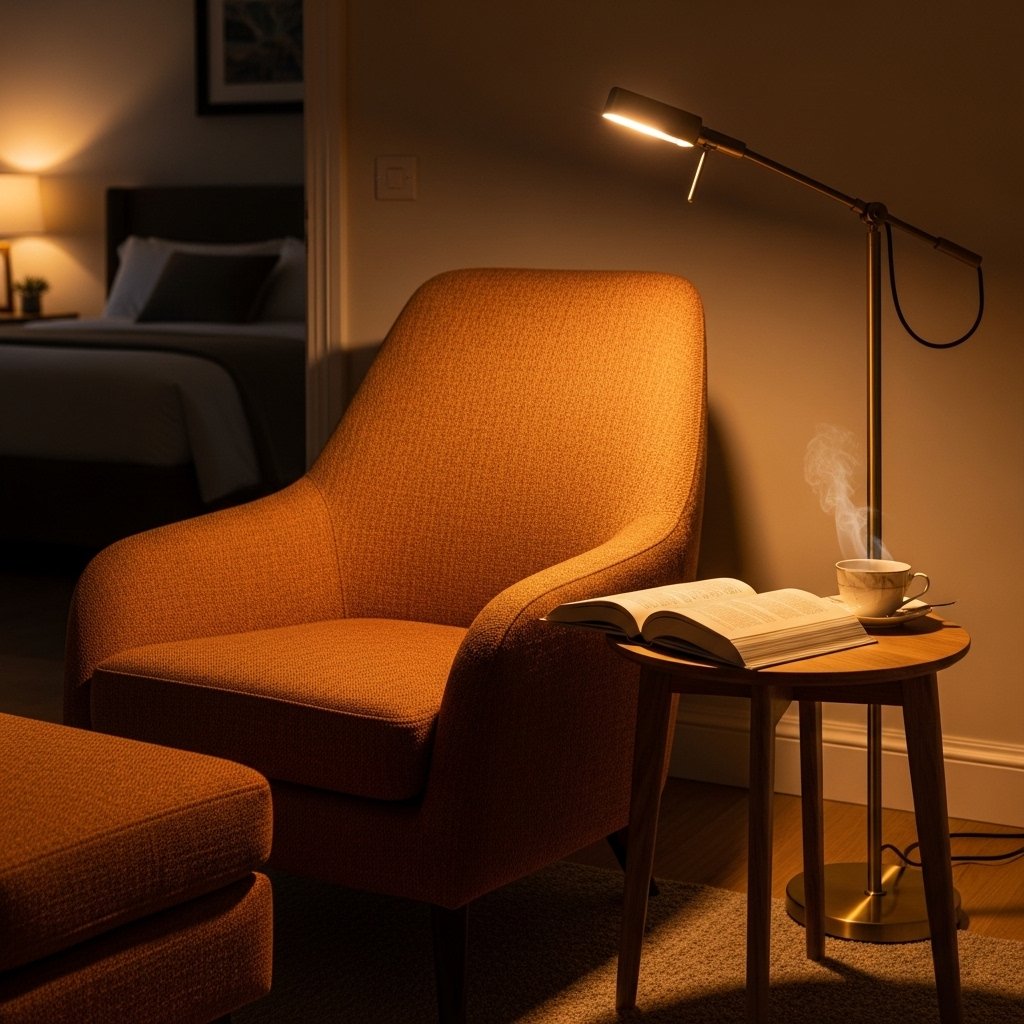
A reading corner in a bedroom does something that no amount of additional bedroom furniture can replicate: it makes the room feel like it has more than one purpose and more than one mood. A comfortable armchair positioned at a slight angle to the room rather than square against the wall, a floor lamp adjusted to exactly the right height for reading beside it, a small side table with enough surface for a cup of tea and the current book, and a footstool you can actually put your feet on. That combination creates a zone within the bedroom that belongs to a different activity and a different pace from sleeping. It also gives the room a sense of abundance, the feeling that there is more room in here than strictly necessary, which is one of the qualities that separates bedrooms that feel genuinely comfortable from ones that feel merely adequate.
8. Choose a rug that is larger than feels necessary
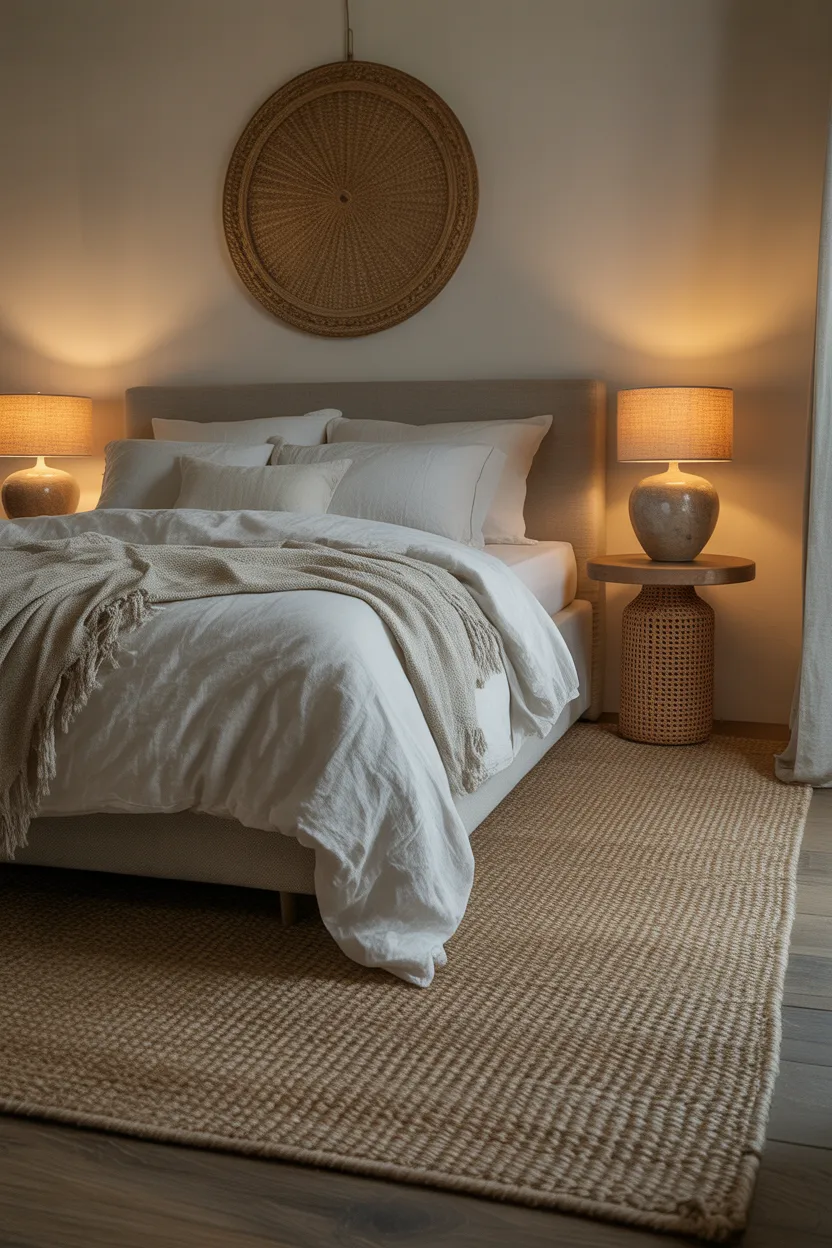
The bedroom rug mistake that almost everyone makes is choosing one that is too small. A rug that sits only under the coffee table equivalent in a bedroom, or that barely extends beyond the sides of the bed, makes the room feel like the rug was an afterthought rather than a foundation.
The rug should be large enough that when you get out of bed in the morning your feet land on it rather than on the bare floor. Ideally it extends at least 60 centimeters beyond the sides and foot of the bed. A rug this size feels extravagant to buy and immediately right in the room. The texture of the rug matters as much as the size: a flat woven rug reads as more minimal and contemporary, a high pile rug reads as more cozy and indulgent, and a natural jute or sisal reads as organic and grounded. None of these is wrong. The right answer is the one that fits what the room is already doing.
9. Style the nightstands with exactly three things each
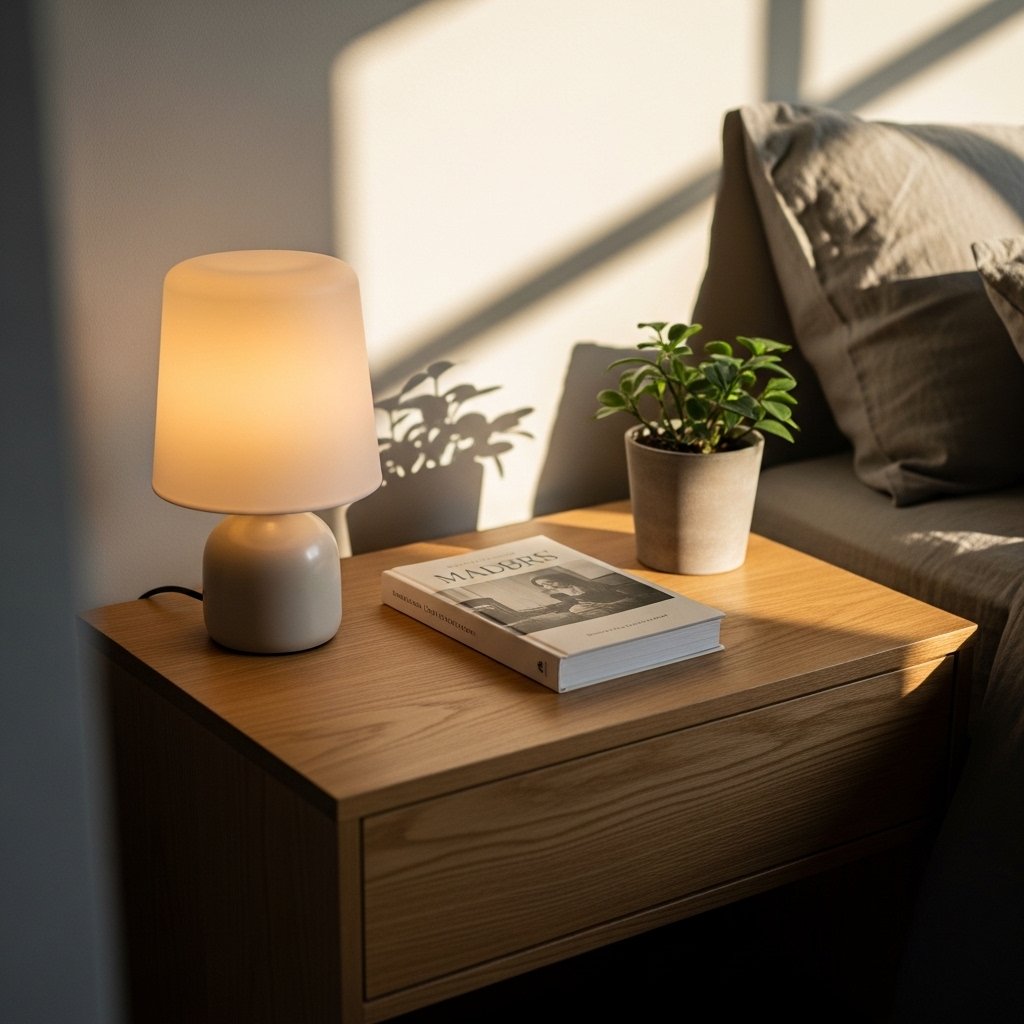
Nightstands that are covered in everything that did not have somewhere else to go make the entire bedroom feel cluttered regardless of how well the rest of the room is put together. The nightstand sits at eye level from the bed and is one of the first things you see in the morning and the last thing you see at night, which makes it worth getting right. Three things on each nightstand is the number that reads as styled rather than sparse or crowded. A lamp is the first, always. The second is something useful: a book, a glass of water, a small dish for whatever comes out of your pockets. The third is something that is simply there because it is nice to look at: a small plant, a candle, a ceramic object with an interesting shape. That combination produces a nightstand that looks intentional every time without requiring any particular design skill to achieve.
10. Add scent as the layer that makes everything else feel more considered
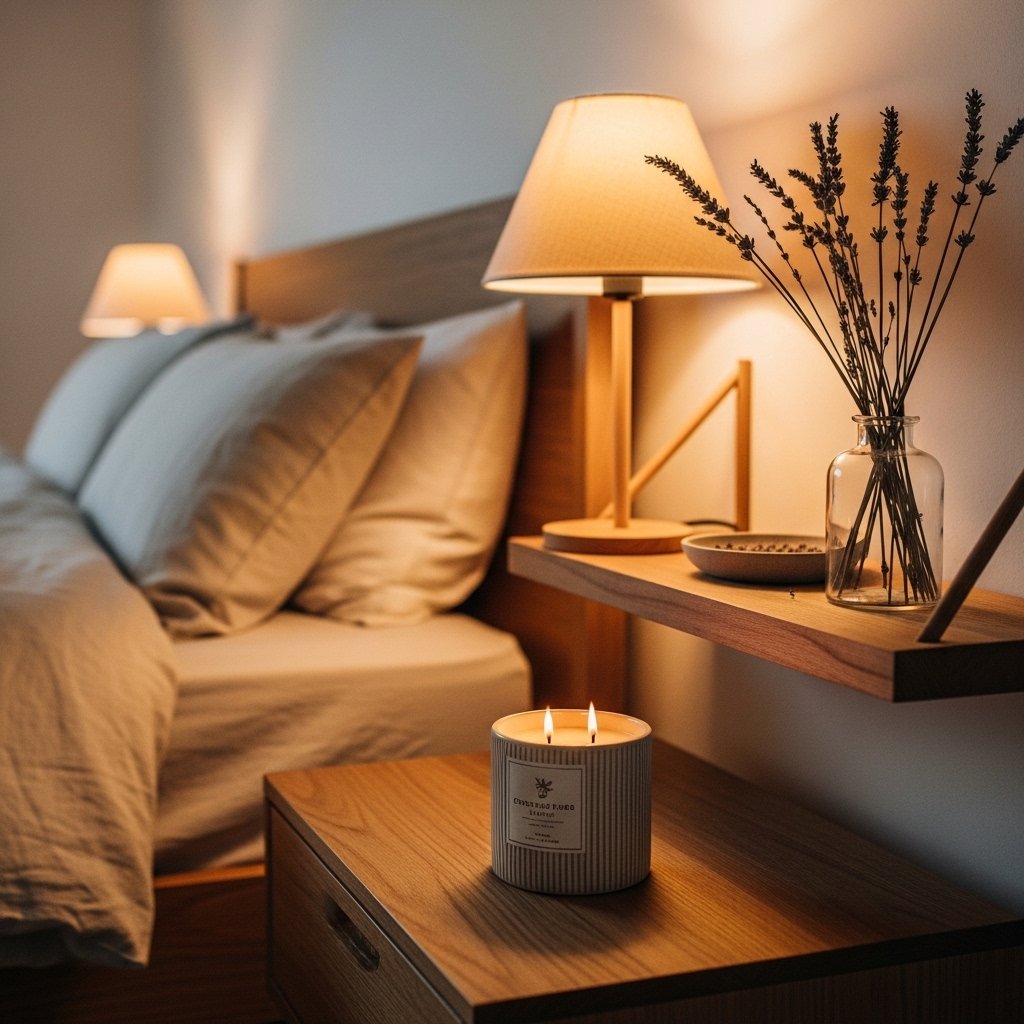
A bedroom makeover that addresses every visual element but ignores scent is missing the layer that visitors and the person who sleeps there notice first, even when they cannot name it. The rooms that feel most complete, most like somewhere you want to stay, almost always have a scent that belongs specifically to that space. This does not require an elaborate candle collection or a diffuser on every surface. A single large candle in a beautiful vessel on the dresser or the nightstand, burned at the same time of day often enough that the scent becomes associated with the room. A linen spray used on the pillows before bed. Dried lavender tucked inside a pillowcase or on the shelf nearby. These additions cost less than almost any decorative object in the room and contribute more to the feeling of the space than most things that cost ten times as much.
A bedroom makeover does not need to happen all at once. Pick the idea from this list that feels most urgent, the one that would make the biggest difference to how the room feels right now, and start there. Get that one thing right before adding the next. The bedrooms that feel most considered are almost never the ones that were finished in a single weekend. They are the ones where someone kept making small decisions over time and stopped before it felt overdone.