10 Two-Tone Kitchen Cabinet Designs: The Ultimate Guide to Bold, Beautiful Kitchens
Two-tone kitchen cabinets have firmly established themselves as one of the most exciting and enduring trends in interior design — and for very good reason. Rather than committing to a single color throughout, two-tone cabinetry plays with contrast, depth, and visual balance to create kitchens that feel layered, considered, and uniquely personal. The approach is remarkably versatile: it can make a small kitchen feel larger, give a large kitchen warmth and definition, highlight architectural features, and inject personality into what is otherwise the most functional room in the home. Whether you pair upper and lower cabinets in contrasting shades, combine different materials and finishes, or use a bold island color to anchor the space, two-tone design invites creativity at every turn. In this guide, we explore eleven stunning two-tone kitchen cabinet designs — each with a distinct character, mood, and visual identity — to help you find the combination that speaks to your home and your style.
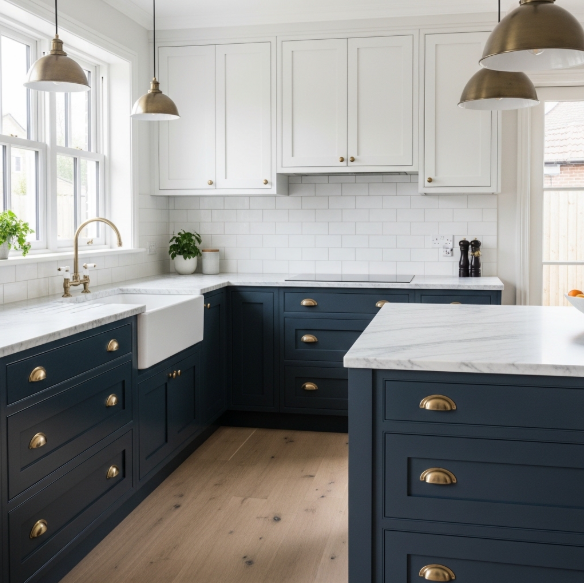
1. Navy Blue Lowers with Crisp White Uppers
One of the most beloved and enduringly popular two-tone combinations, navy blue lower cabinets paired with crisp white upper cabinets strikes a near-perfect balance between boldness and brightness. The deep navy grounds the kitchen with a sense of solidity and sophistication, anchoring the lower half of the room with rich color while the white uppers keep the space feeling open, airy, and light. This pairing works across a wide range of kitchen styles — from coastal and Hamptons-inspired spaces to classic shaker kitchens and even modern farmhouse designs. Brass or antique gold hardware on the navy units adds warmth and a touch of vintage glamour, while white marble or quartz countertops bridge the two tones seamlessly. The result is a kitchen that feels both timeless and decidedly current.
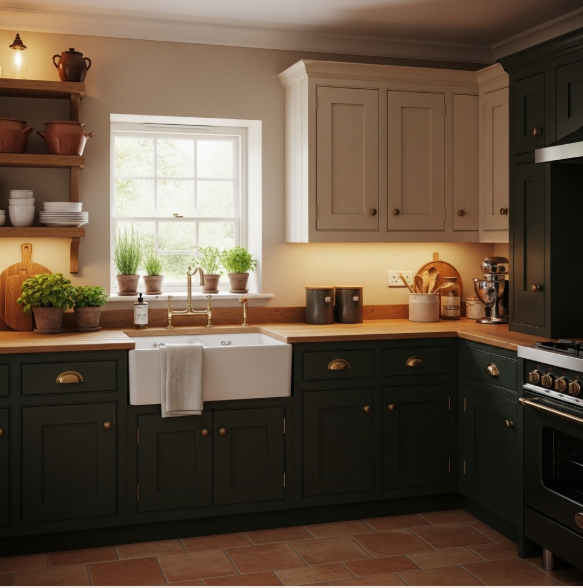
2. Forest Green Lowers with Warm Cream Uppers
For those who crave the warmth and depth of nature indoors, pairing forest green lower cabinets with warm cream or off-white upper cabinets creates a kitchen that feels simultaneously cozy, grounded, and sophisticated. This combination is deeply rooted in the English country house and European farmhouse aesthetic — think Aga ovens, butler sinks, and flagstone floors — but it translates just as beautifully into modern transitional kitchens. The forest green brings the calming, organic energy of woodland and garden into the space, while the warm cream softens the contrast and prevents the palette from feeling too heavy or dramatic. Unlacquered brass or aged bronze hardware, terracotta floor tiles, and open shelving with earthenware add layers of warmth that make the kitchen feel genuinely lived-in and loved.
3. Charcoal Grey Uppers with Light Oak Lower Cabinets
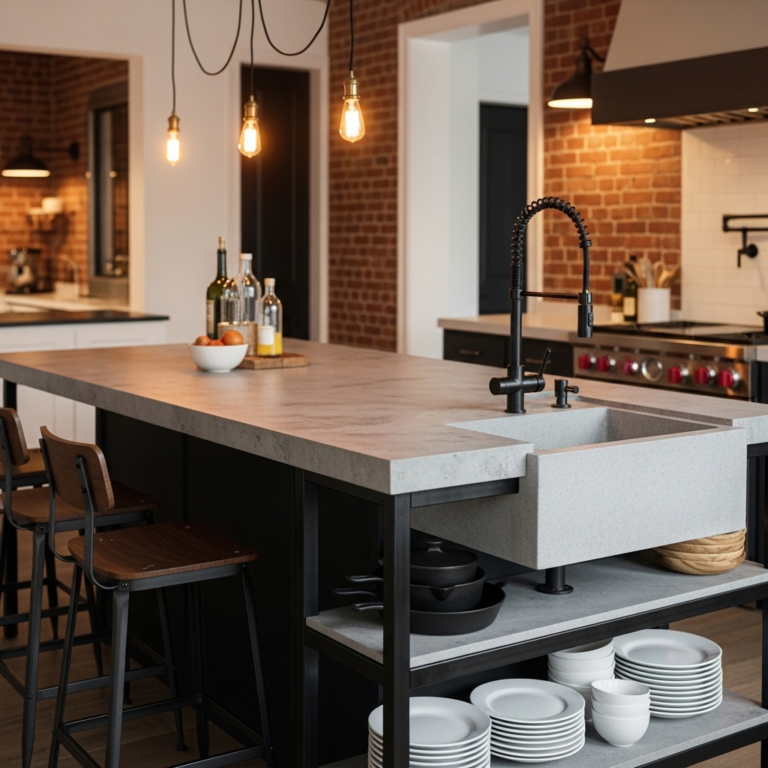
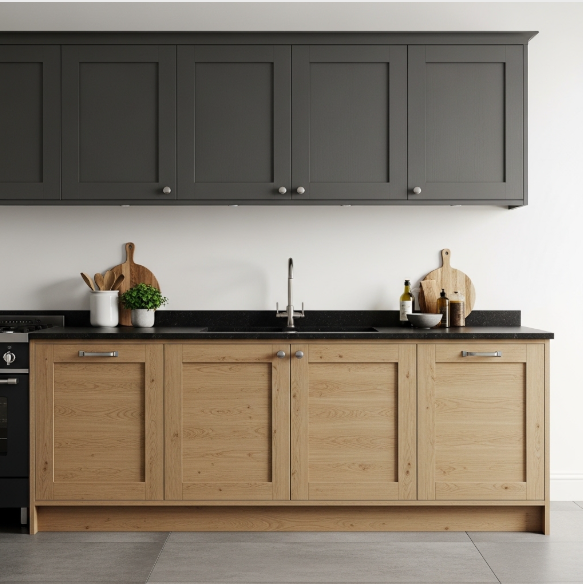
Swapping the conventional arrangement and placing the darker tone on top creates a dramatic and unexpected visual effect — and few combinations achieve this more strikingly than charcoal grey upper cabinets paired with warm light oak lower cabinets or base units. The grey brings a cool, contemporary confidence to the upper zone, echoing the tones of architectural concrete or slate, while the natural oak below introduces warmth, texture, and organic material that stops the kitchen feeling cold or clinical. This pairing is perfectly suited to Scandinavian-inspired, industrial, or contemporary minimalist kitchen designs. Pair with a poured concrete or honed black granite countertop, minimal bar-pull hardware in brushed steel, and large-format porcelain floor tiles for a kitchen that feels considered, sophisticated, and effortlessly cool.
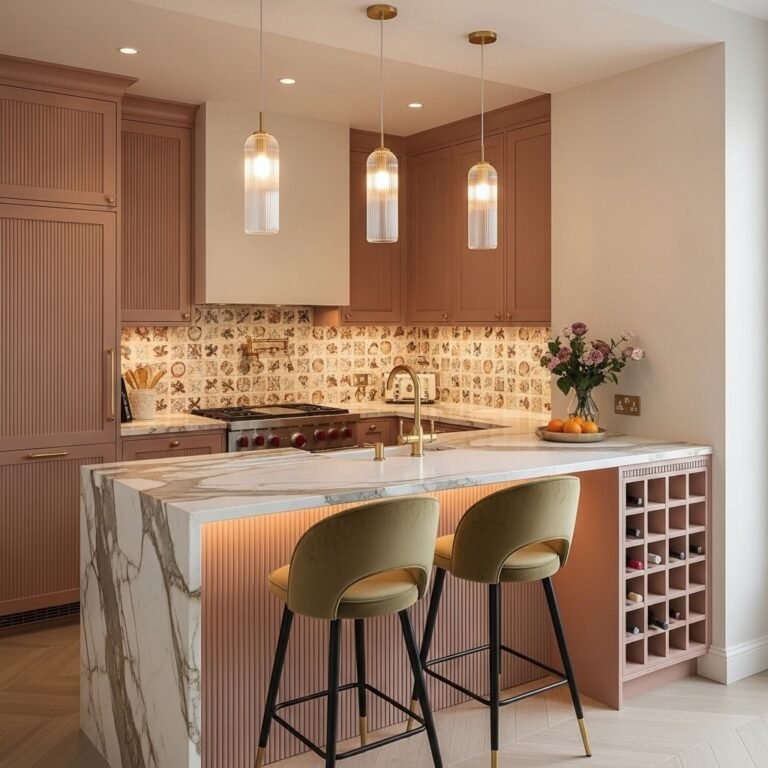
4. Dusty Rose and Warm White Soft Feminine Kitchen
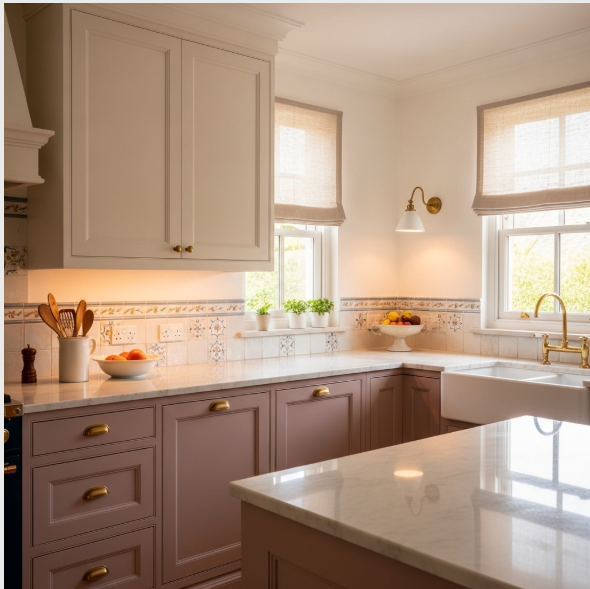
Dusty rose — that sophisticated, muted, grown-up interpretation of pink — paired with warm white or ivory cabinetry creates one of the most quietly beautiful and on-trend kitchen palettes available today. Far removed from saccharine bubblegum pink, dusty rose has the depth and maturity of a heritage paint color, sitting comfortably alongside natural stone, warm metals, and organic textures. Used on the lower cabinets or kitchen island while warm white covers the upper units and walls, this combination produces a kitchen with a romantic, sun-washed quality — like a beautifully preserved villa in the south of France. Unlacquered brass fixtures, a hand-painted ceramic tile backsplash, limewash plaster walls, and linen roman blinds complete a look that is feminine without being fussy, and beautiful without being overdone.
5. Bold Black Island with All-White Perimeter Cabinets
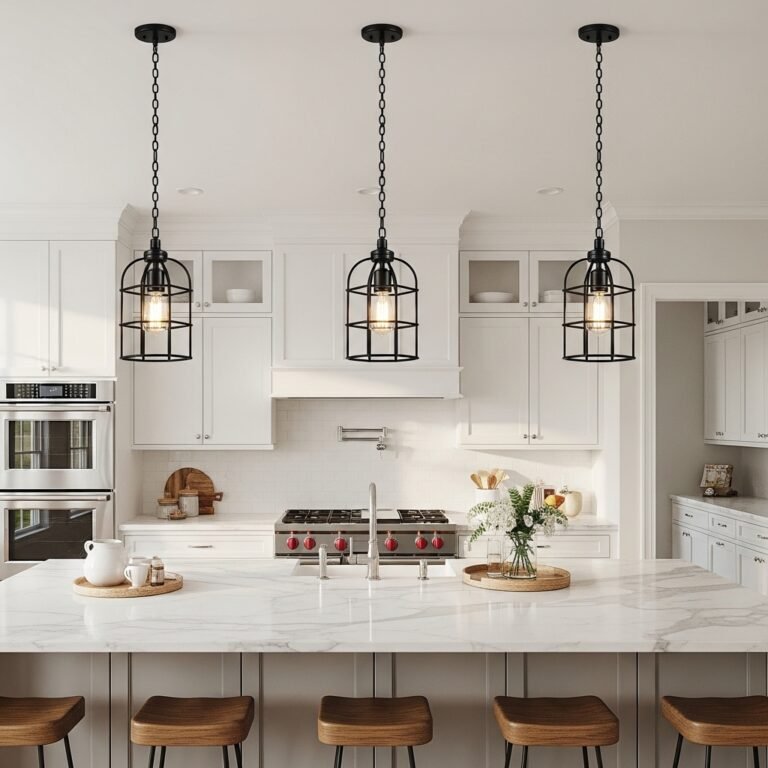
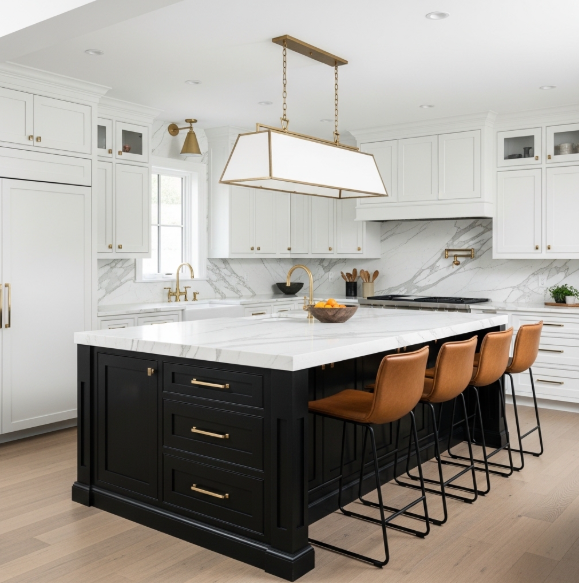
Using the kitchen island as the focal point for a contrasting color is one of the most impactful two-tone strategies — and nothing is more dramatic than a bold matte black island set against an all-white perimeter kitchen. The island becomes the visual anchor of the entire space: a weighty, confident centerpiece that grounds the room and draws the eye immediately. Around it, white shaker or flat-panel perimeter cabinets keep the surrounding space clean, bright, and uncluttered, allowing the black island to take all the glory. Waterfall-edge white marble or Carrara quartz countertops on the island introduce movement and luxury, while matching white countertops on the perimeter units maintain cohesion. Bar stools in natural leather or warm timber seat pads soften the high contrast and make the space feel welcoming and liveable.
6. Sage Green and Soft White Scandi Farmhouse Kitchen
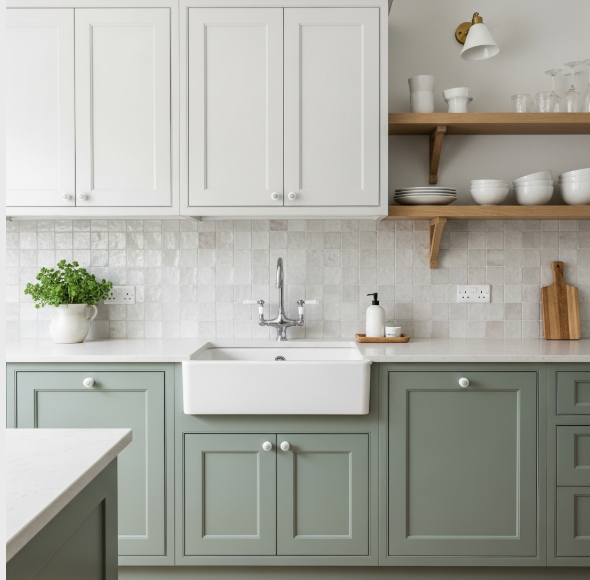
Sage green is arguably the defining kitchen color of the last several years, and when paired with soft white cabinetry in a Scandinavian farmhouse setting, it produces a kitchen of rare and effortless beauty. The muted, grey-toned green of sage brings the calming influence of the natural world into the kitchen without overwhelming the senses, while the soft white upper cabinets maintain a sense of light and spaciousness. This combination is inherently balanced and harmonious — neither color demands too much attention, allowing the overall space, the materials, and the styling to take center stage. Open shelving in white-painted wood, a deep porcelain farmhouse sink, simple ceramic knobs, and a pale Zellige tile backsplash in soft white or pearl grey all complement this palette with quiet, considered elegance.
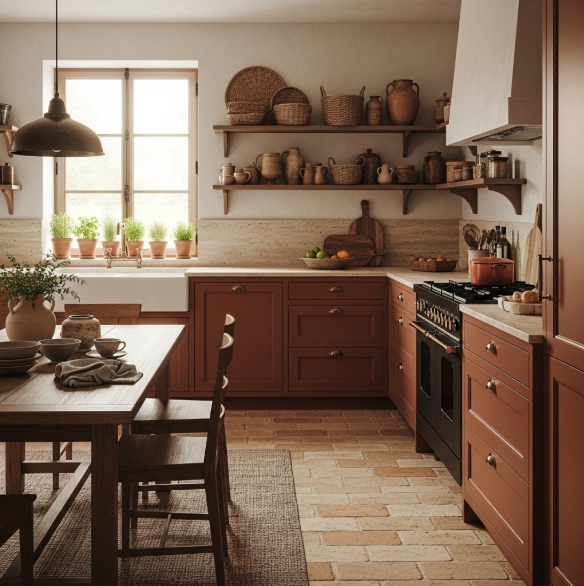
7. Terracotta Lower Cabinets with Warm Linen Uppers
Rich, sun-baked, and full of Mediterranean warmth, terracotta lower cabinets paired with warm linen or greige upper cabinets create a kitchen that feels like a beautifully restored Italian farmhouse or a Moroccan riad. Terracotta as a cabinet color is having a significant design moment — its earthy, warm red-orange tone is simultaneously bold and deeply natural, sitting harmoniously with stone, wood, ceramic, and aged metals. Against linen upper cabinets — that perfect warm beige-white — it glows without overwhelming. This palette calls for brushed gold or oil-rubbed bronze hardware, a handmade terracotta tile floor to echo the cabinet color, an earthy travertine countertop, and open shelves dressed with woven baskets, clay pots, and trailing herbs. The result is a kitchen brimming with character, warmth, and sun-soaked soul.
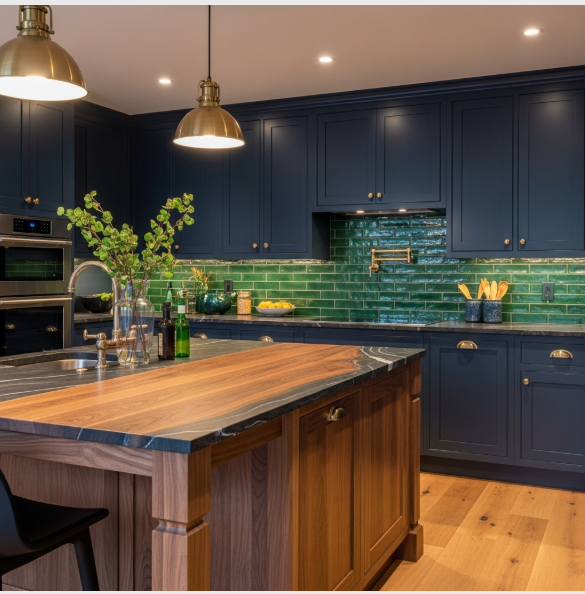
8. Midnight Blue and Brushed Brass with Natural Walnut Accents
For a kitchen that feels genuinely luxurious and hotel-worthy, combining midnight blue cabinetry with brushed brass hardware and natural walnut wood accents creates a palette of extraordinary richness and depth. The midnight blue — darker and more intense than navy — wraps the cabinetry in a color that shifts between deep teal and rich indigo depending on the light, giving the kitchen a jewel-box quality. Against this, brushed brass hardware glows like golden treasure, and natural walnut panels — used on the island, as open shelving, or as a floating hood surround — introduce organic warmth that prevents the look from feeling too formal or austere. A backsplash of unlacquered brass sheet metal or deep green handmade tiles carries the rich material story around the room beautifully.
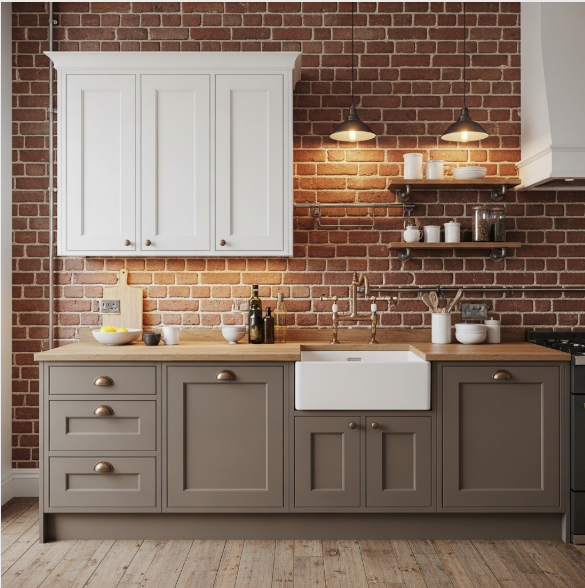
9. Bright White Uppers with Warm Greige and Exposed Brick Lower Zone
A subtler but incredibly effective two-tone approach involves pairing white upper cabinets with warm greige or taupe lower cabinets against a backdrop of exposed brick — a combination that layers color, texture, and material in a way that feels genuinely architectural. The white uppers reflect light and open up the ceiling zone, while the warm greige lower cabinets anchor the kitchen with a grounded, sophisticated neutral. The exposed brick — whether original or reclaimed — adds a layer of raw, tactile beauty that no paint color or tile can replicate. This approach works beautifully in converted warehouse spaces, Victorian terraces, or any kitchen with industrial or heritage bones. Iron pipe shelving, ceramic pendant lighting, and a vintage-inspired faucet in aged brass or brushed nickel complete the layered, characterful look.
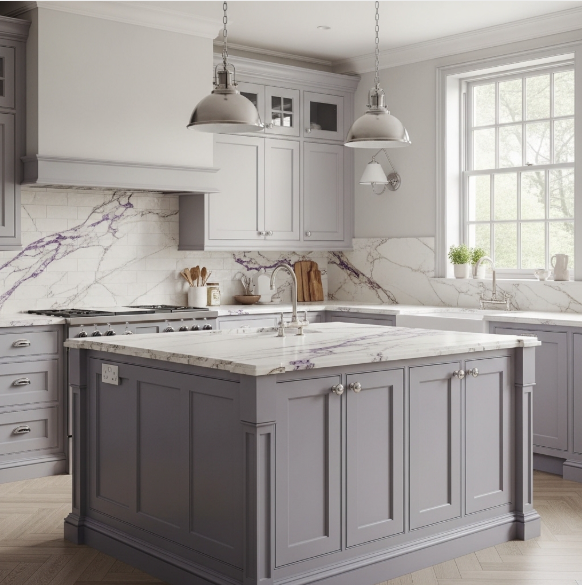
10. Soft Lavender Island with Dove Grey Perimeter Cabinets
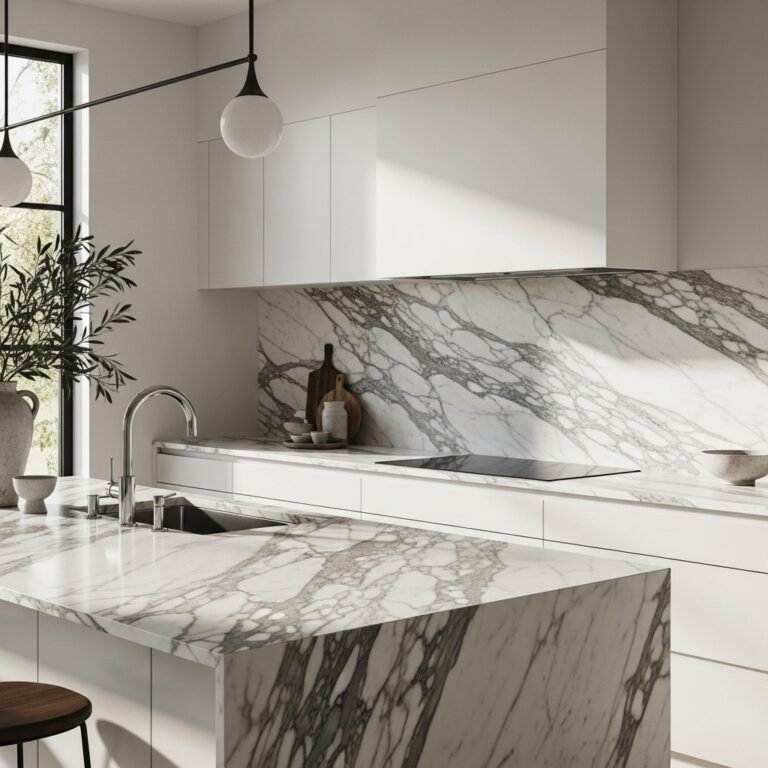
Unexpected, sophisticated, and quietly breathtaking, a soft lavender kitchen island paired with dove grey perimeter cabinets is a two-tone combination for those who want something truly distinctive without veering into maximalist territory. The lavender — muted, chalky, and leaning more grey than purple — has the quality of a faded antique, like something found in a beautifully preserved Parisian apartment. Against the cool dove grey of the surrounding cabinetry, it reads as a gentle, painterly accent rather than a jarring contrast. Polished nickel or antique pewter hardware, Calacatta marble countertops with soft purple and gold veining, and a backsplash of handmade off-white tiles with subtle lavender grout tie the palette together with an artisan touch that elevates every element.
Conclusion
Two-tone kitchen cabinetry is one of those design choices that rewards both boldness and restraint in equal measure. As the eleven designs in this guide demonstrate, the strategy works across every style spectrum — from the timeless elegance of navy and white to the avant-garde drama of color-blocked open-plan spaces — and the combinations available are as unlimited as your imagination. The key to getting two-tone right lies in understanding proportion, undertone, and material harmony: how much of each color, where the transition falls, and what hardware, countertop, and flooring choices will hold the two tones together in a unified whole. When those elements align, the result is a kitchen that transcends mere functionality and becomes a space of genuine beauty — a room you want to spend time in, cook in, gather in, and never want to leave. Choose your combination, trust your instincts, and design the kitchen you’ve always imagined.