11 Luxury Dining Room Decor Ideas That Will Make Every Meal Feel Like a Five-Star Experience
A dining room has a softly powerful quality that catches your attention. Not just a place to dine, but a setting that commands attention — where the light is just right, where every chair feels purposeful, and where guests lean in a little closer without realizing why. These eleven concepts are more than just decor trends. They are invitations to live more beautifully, intentionally, and richly
1. The Dramatic Dark Dining Room: Moody, Magnetic & Unapologetically Bold
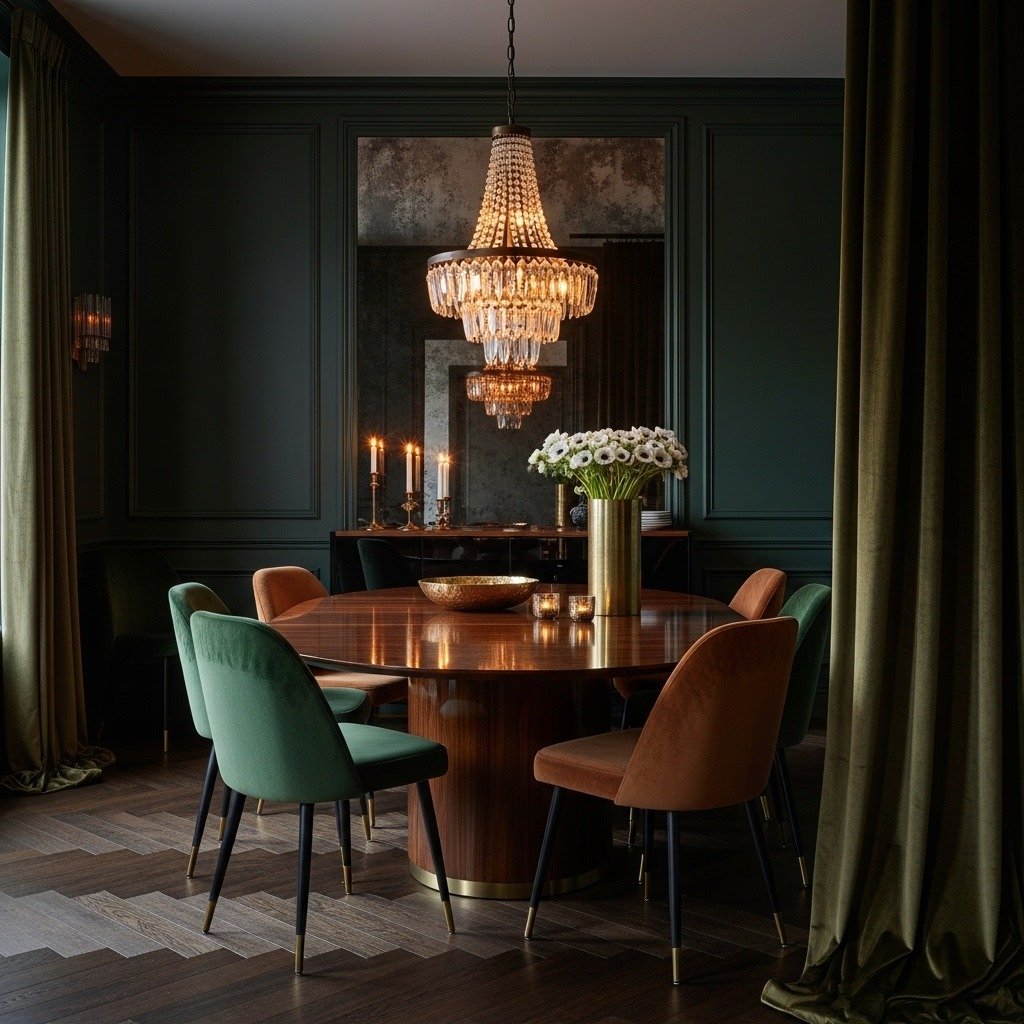
Forget the old rule that dining rooms should be bright and airy. Today’s most fascinating eating experiences emphasize complexity, drama, and environment. Rich charcoal walls, rich forest-green finishes, and midnight navy tones are reinventing contemporary dining decor. These deeper tones elevate a regular meal into an unforgettable experience. Candlelight shines brighter in a somber atmosphere, metallic accents glow warmly, and talks feel more intimate and intriguing.
The key to making a dark dining area feel sumptuous rather than weighty is smart layering. Plush velvet curtains flowing down polished hardwood floors, a beautiful chandelier throwing gentle amber light, and cushioned chairs in jewel-toned fabrics all contribute to the overall environment. Rather than fighting with the gloom, these textures compliment it perfectly. A huge antiqued mirror may enhance the area by reflecting light and generating a sense of depth and dimension. The dining area is elegant and striking, delivering a level of refinement that bright white interior
2. Venetian Plaster Walls: The Texture That Changes Everything
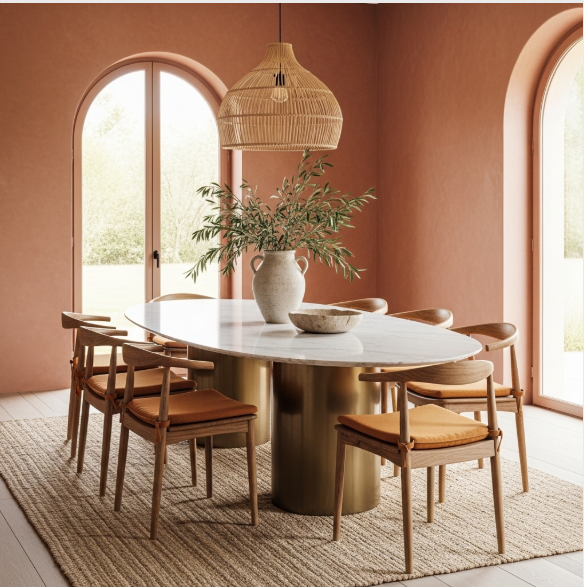
if there is one design feature that can transform a dining room from simply beautiful to truly exceptional, it is Venetian plaster. This classic Italian wall finish is applied and burnished by hand, creating a surface with the soft glow and elegance of polished stone. Unlike ordinary paint, Venetian plaster interacts with light throughout the day, revealing subtle shifts in tone. In daylight it may appear like warm ivory, while in the evening candlelight it deepens into a rich amber hue. What makes this finish so remarkable is the depth and texture it adds to a space. Venetian plaster introduces craftsmanship, character, and timeless sophistication. The result is a dining room that not only looks luxurious but feels refined, intentional, and effortlessly elegant.
Beyond its appearance, Venetian plaster has a subtle tactile characteristic that alters how people perceive a dining environment. Its smooth, hand-finished texture adds depth and subtle beauty, resulting in a backdrop that seems refined without trying too hard. When paired with a marble dining table, sculptural brass pendant lighting, and soft cushioned linen chairs, the plaster provides a quiet foundation for the other elements to shine naturally. Instead of glaring white, opt for warm tones such as soft pearl, aged ivory, or pink sand to create a welcome atmosphere. These subtle tones add warmth and tenderness, making the space feel welcoming rather than antiseptic. The end effect is a dining area that seems sophisticated, cozy, and well designed—ideal for hosting dinners that visitors will remember.
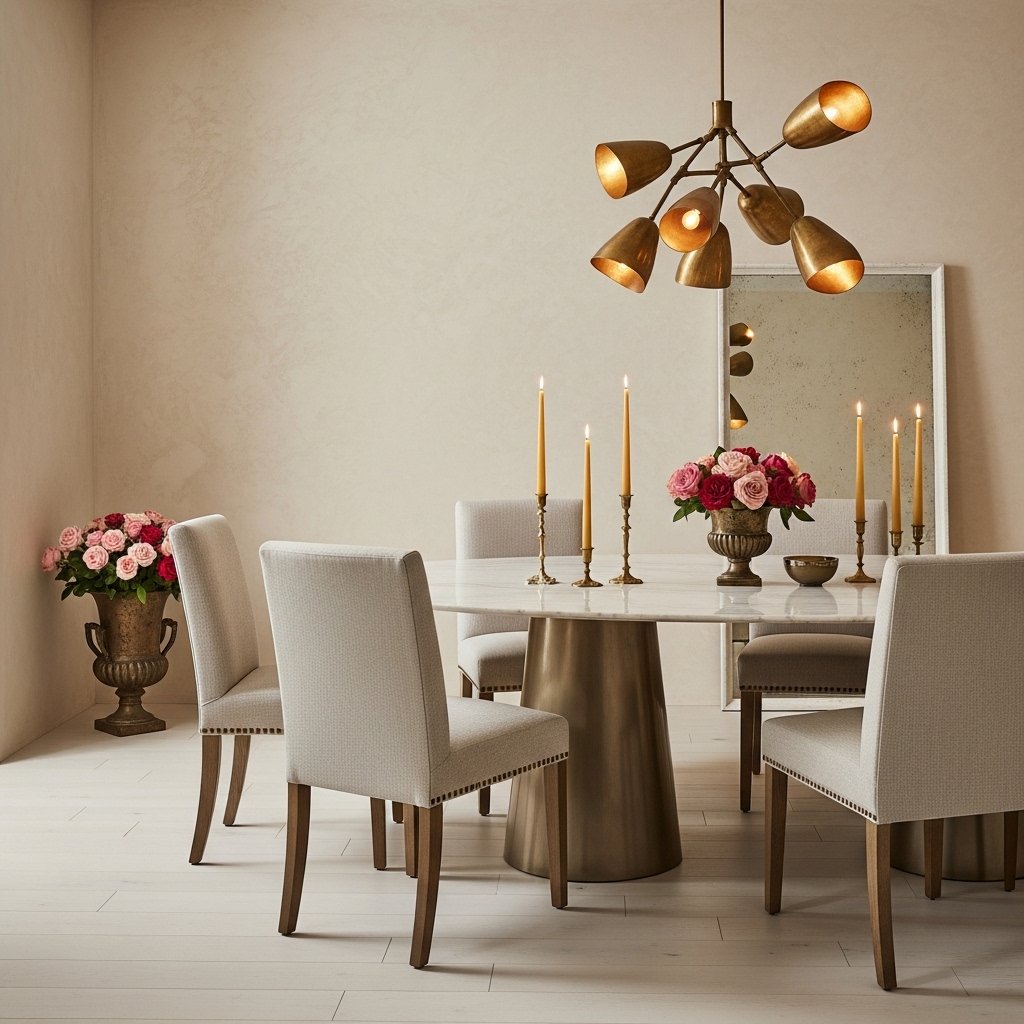
3. Statement Chandelier: The Crown Jewel of Every Dining Room
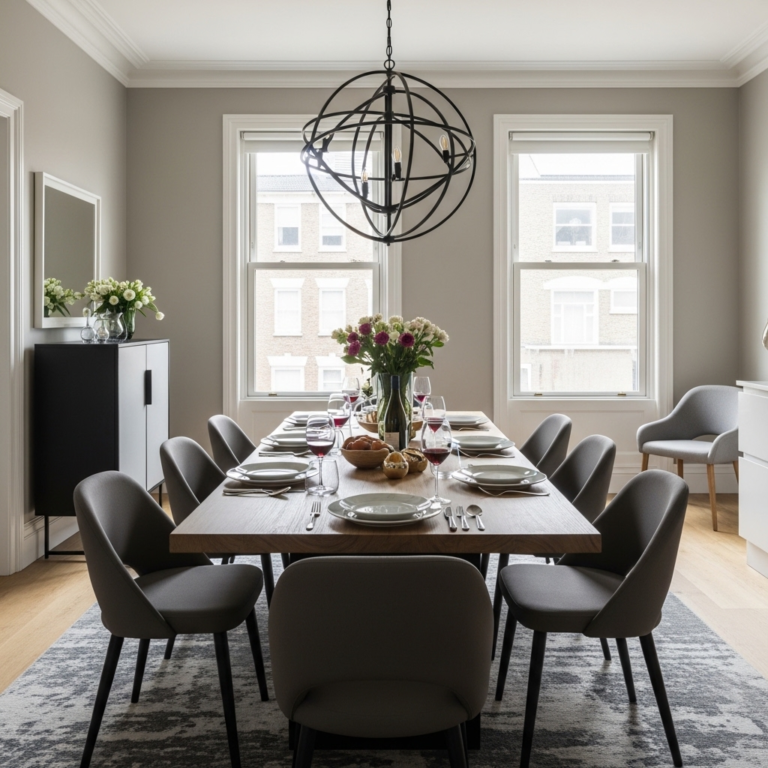
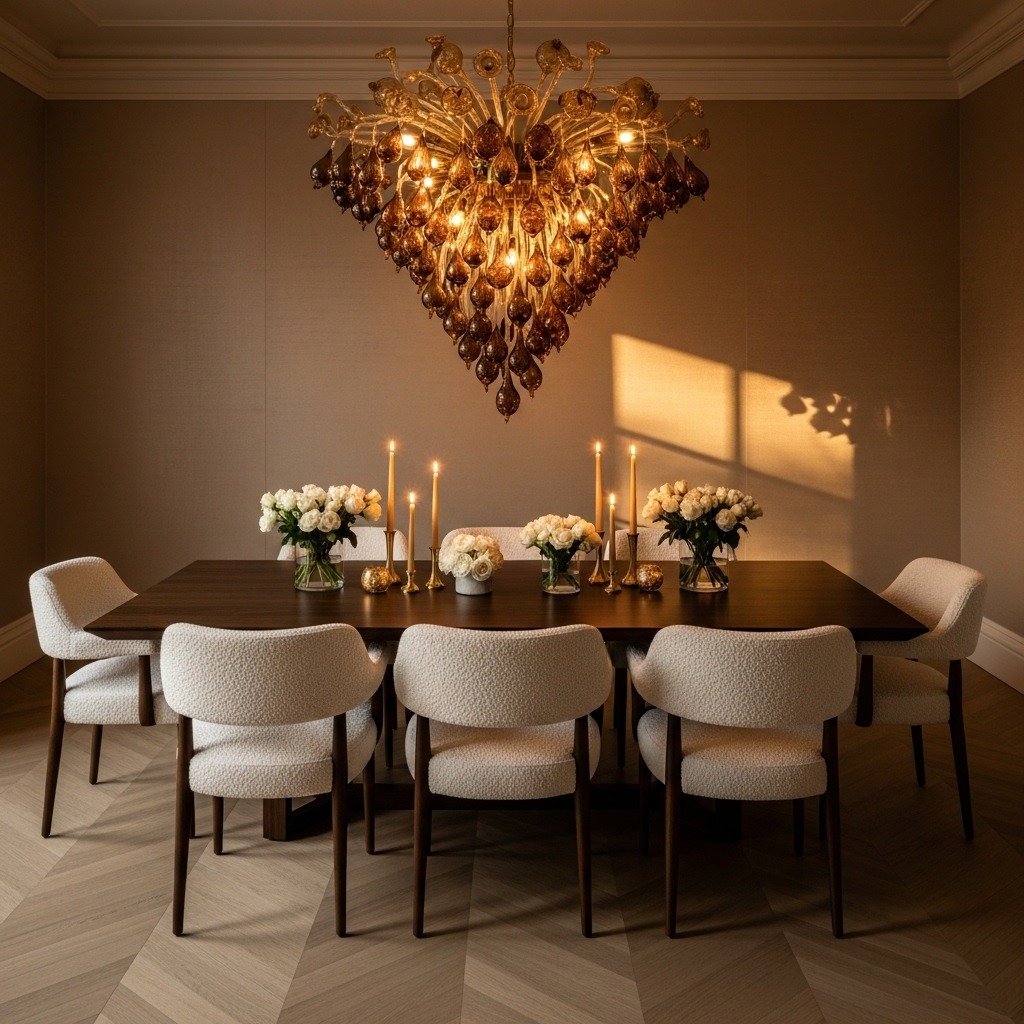
A chandelier is the single most effective design element for transforming a dining space. It serves as both a functional light source and a beautiful sculptural centerpiece, frequently being the first detail that guests notice and the last one they remember. A stunning chandelier does far more than just offer illumination; it adds drama and presence to the atmosphere.
Whether it’s cascading hand-blown Murano glass, a bold branching brass candelabra with numerous arms, or a sleek geometric design made of blackened steel, the correct fixture instantly defines the area. It attracts the attention upward and automatically organizes the entire area around it, setting the tone, mood, and visual harmony for everything beneath it.
When choosing a dining room chandelier, proportion is key. A fixture that is too little can appear tentative and easily noticed, but a generously scaled item grabs attention and anchors the room. Designers frequently propose going larger than planned and hanging the chandelier slightly lower than standard placement indicates. Rather than having the fixture sink into the ceiling, this creates an intimate canopy of light above the table. Lighting temperature is also crucial; always use warm bulbs over cool white tones to create an inviting ambiance. Dimmers should also be regarded crucial, as they provide control over the mood from raucous dinners to calm evenings
4. Marble Everything: The Language of Timeless Opulence
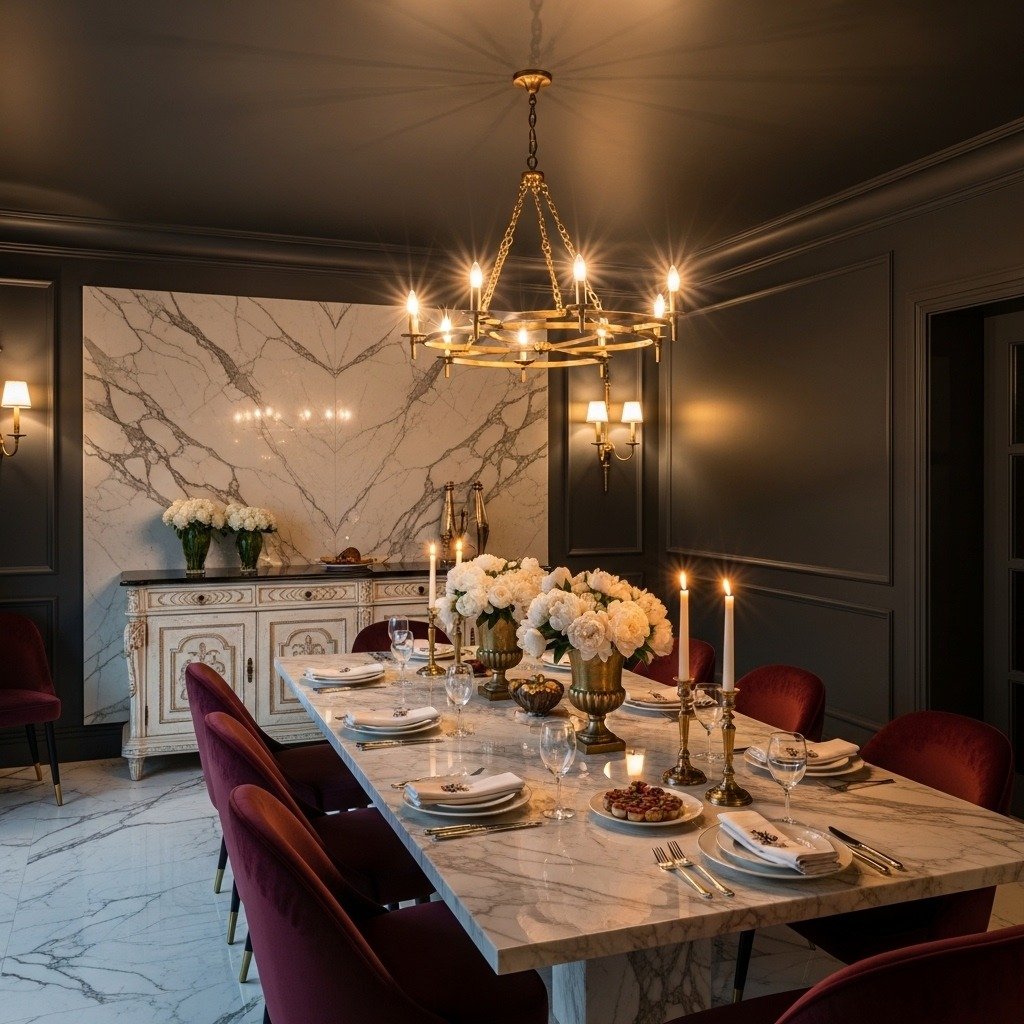
Marble has been the preferred material in palaces, churches, and the world’s most prestigious restaurants for over two millennia. Its enduring appeal stems from the perception of permanence, elegance, and richness that it naturally imparts, attributes that modern synthetic materials frequently attempt to emulate but rarely attain with the same authenticity. In a dining area, dramatic and extensive use of marble may quickly raise the ambiance. A dramatic dining table cut from a whole marble block, walls accentuated with marble panels behind a sideboard, and broad flooring in large-format marble tiles all contribute to a sense of polished grandeur. The end effect is a place that feels both timeless and modern, combining sophistication with contemporary confidence and making meals feel like they belong in an elegant environment.
The key to preventing a marble-filled dining room from feeling chilly or overly formal is to incorporate warmth and texture. Choose a marble with natural movement and character, such as Calacatta’s flowing gold veining, Emperador’s deep chocolate tones, or Verde Alpi’s rich forest-green patterns. These dramatic stones provide vibrancy and visual depth. Warmer accents such as natural wood, soft fabrics, and mild candlelight help to balance the flat surface of marble. A velvet covered chair contrasts beautifully with the crisp edge of a marble table, creating a feeling of both comfort and refinement. The combination of textures makes the area feel inviting rather than stiff. The marble itself has centuries of history, while the surrounding decor keeps the space rich, colorful, and thoughtfully decorated.
5. Jewel-Toned Velvet Seating: Where Comfort Meets Pure Glamour
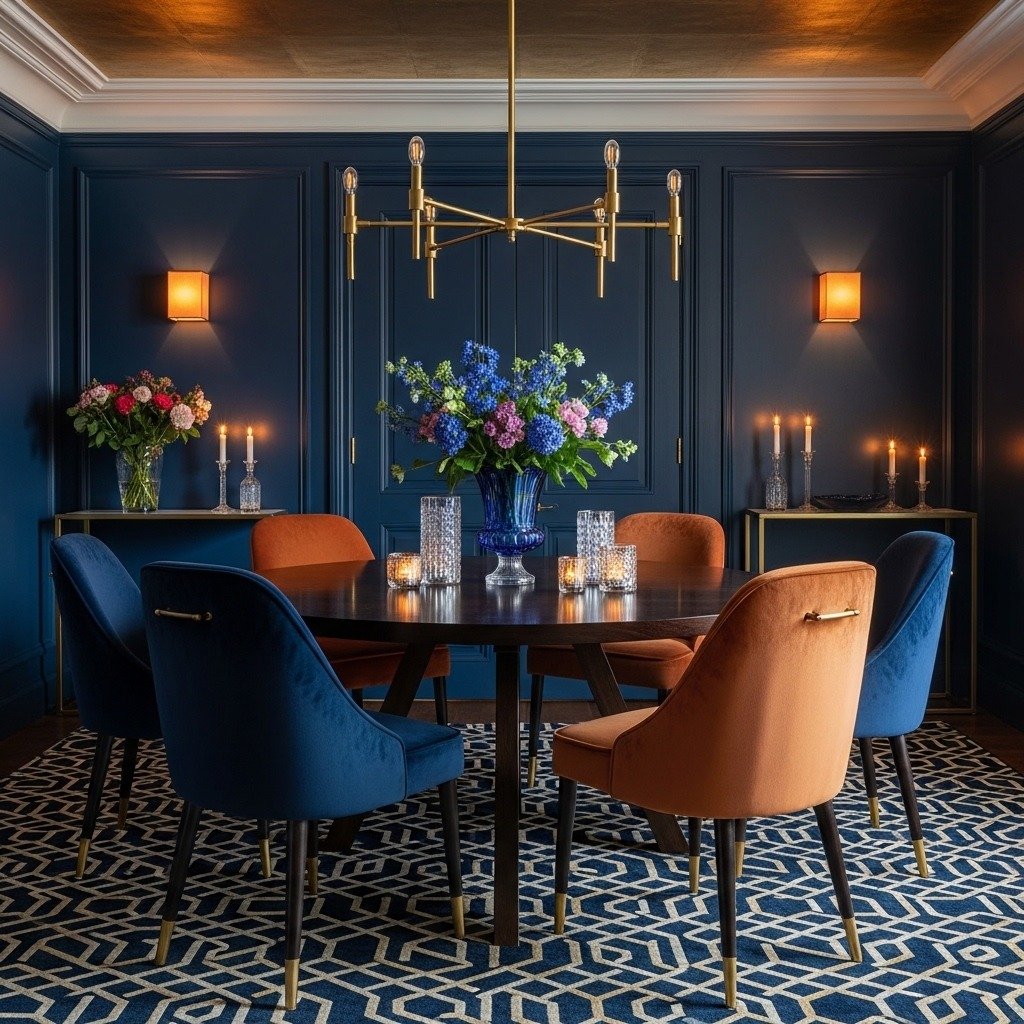
Dining chairs are where luxury turns into a personal experience. They are the chairs your visitors sit in, the fabric they touch without thinking, and the color that naturally attracts attention around the table. Jewel-toned velvet seats, such as deep sapphire, rich emerald, warm amber, or exquisite plum, exude a sense of richness that few other materials can match. Velvet has a unique ability to absorb light rather than reflect it, giving the fabric exceptional depth and intensity of color. This characteristic makes it stand out in images while also feeling sophisticated in real life. The end result is a dining room that appears polished and professional, conveying modest luxury and confidence without being overtly dazzling or overwhelming.
True elegance is determined by how you employ color in your dining chairs. Sticking to a single, rich jewel tone for all seats creates a dramatic, united statement of confidence and class. Combining two complementing shades, such as emerald and cognac or sapphire and dusty rose, results in a curated, purposeful design that feels more like a stylish restaurant than a basic display. To achieve the ideal balance, pair these seats with a dark walnut or marble table, legs in brass or raw metal, and keep the walls neutral to highlight the velvet. This method converts the dining area into a deliberately layered, elegant, and inviting place that feels alive, sumptuous, and utterly intentional without ever being overdone.
6. Wabi-Sabi Luxury: The Art of Imperfect Elegance
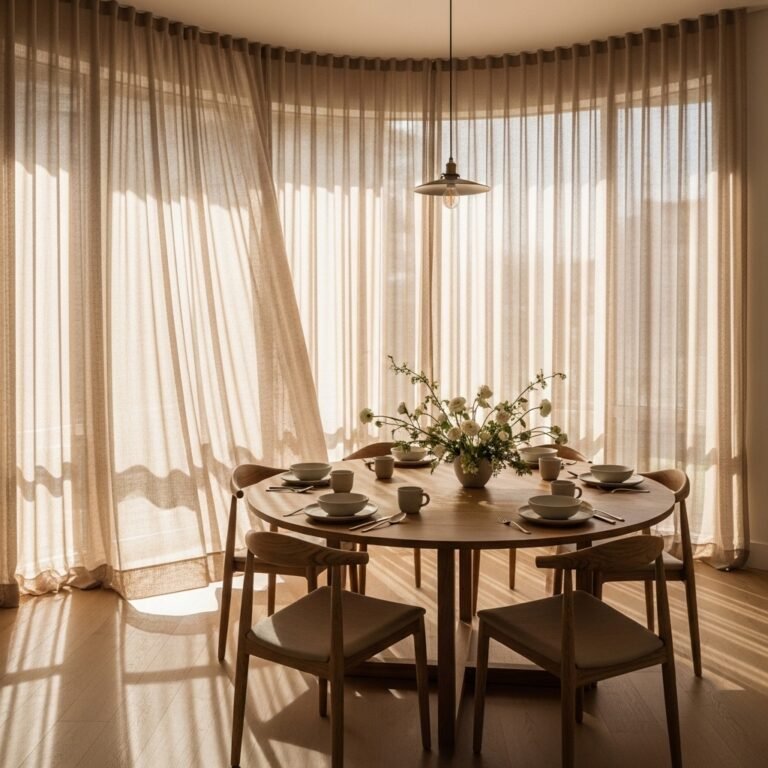
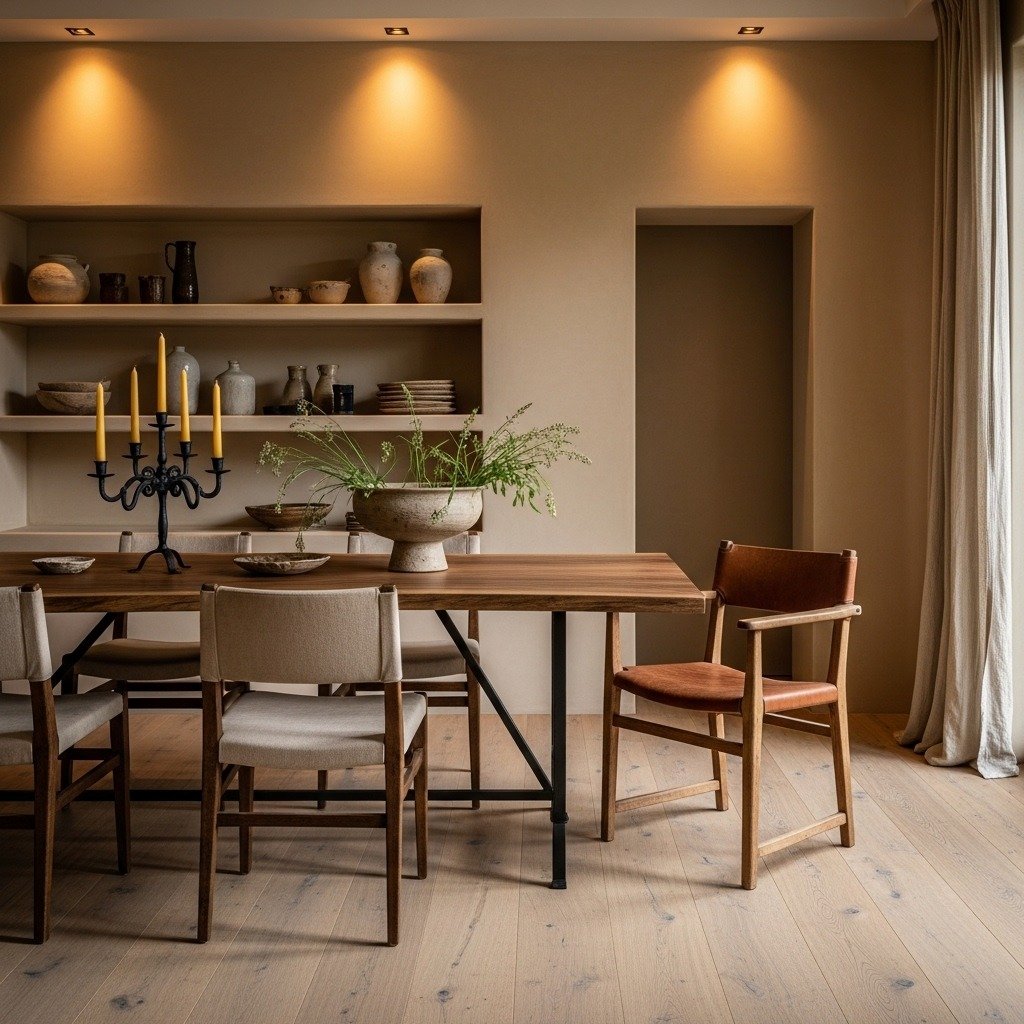
Wabi-sabi luxury in a dining area is defined by thoughtful, expansive design that feels lived-in and genuine. Consider a smooth plaster ceiling in warm clay, a live-edge walnut table with hand-forged iron legs, and mismatched but harmonic seats in linen and aged leather. The lighting is warm and candlelike, not harsh or performative. The color scheme maintains earthy warm whites, deep taupes, cognac, and forest clay, accented with fresh branches rather than formal flowers and artisan ceramics over crystal. This is a room molded by experience and restraint, and each choice represents quiet sophistication, demonstrating that true luxury is found in forethought and elegance.
Modern luxury increasingly celebrates intentional imperfection. The most exquisite interiors contain wabi-sabi, a philosophy that values impermanence, irregularity, and natural wear on materials. When applied to dining rooms, this method results in environments that feel alive, personal, and highly meaningful, rather than rigid perfection. Hand-thrown pottery, textured linen tablecloths, and oak tables with natural grain and tiny faults highlight this elegant aesthetic. Every flaw tells a narrative, lending authenticity and emotion. By highlighting these tactile, thoughtful elements, the dining room goes beyond mere decoration, attaining a tranquil, deliberate elegance that is both sumptuous and deeply human, gently expressing refined taste.
7. Indoor Botanical Drama: Bringing the Garden to the Table
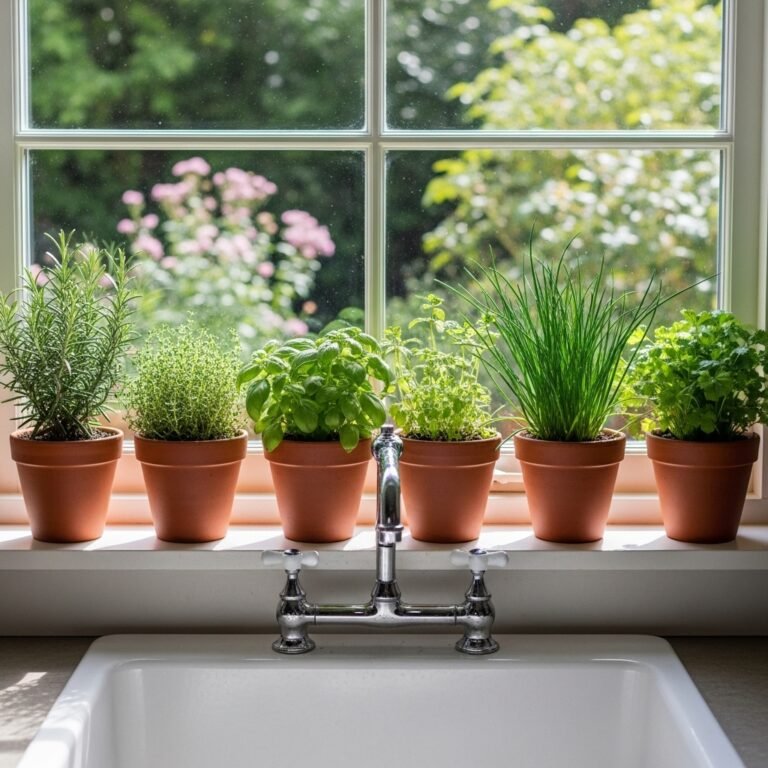
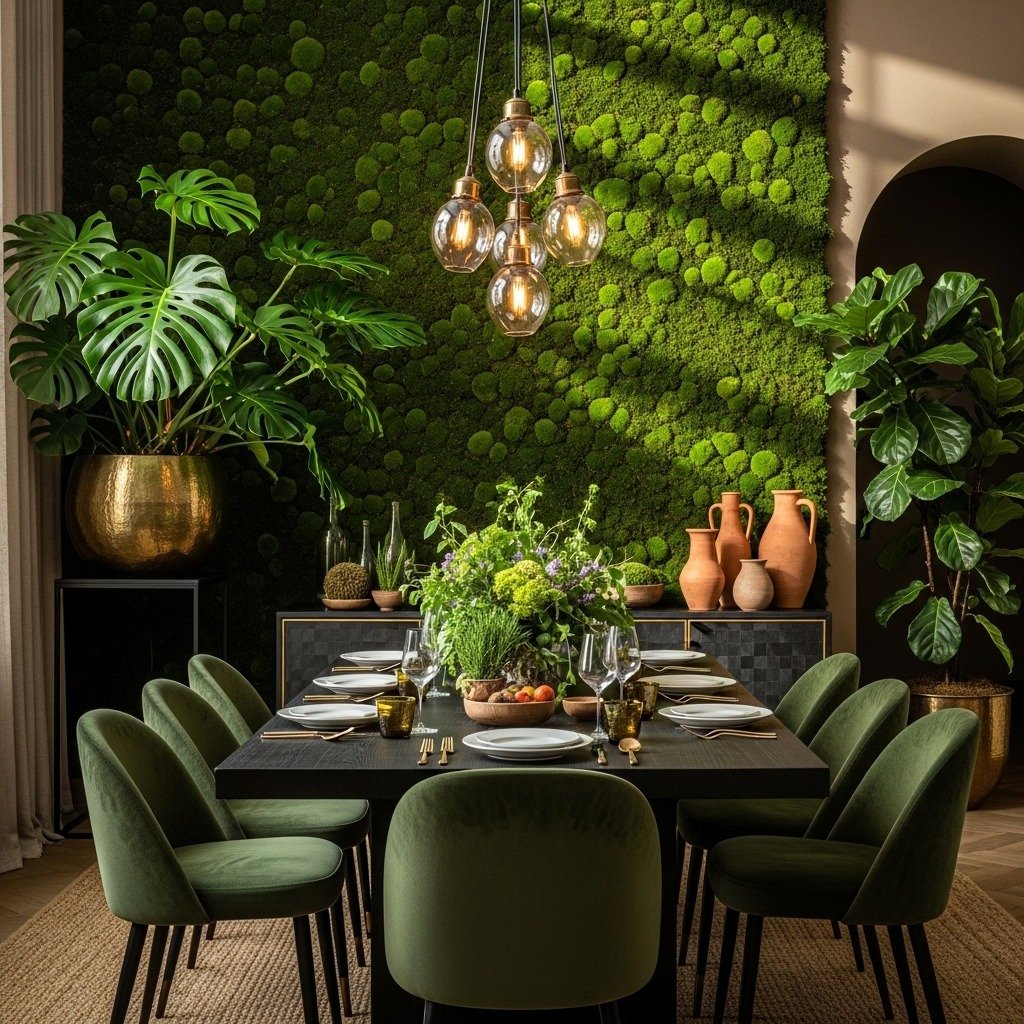
A new approach to premium interior design considers plants to be fundamental architectural elements that impact the experience of a room, rather than just decorations. In a dining room, well-placed plants can enhance the atmosphere in ways that no object or ornament can. Consider tall fiddle leaf figs framing a doorway, a luxuriant trail of pothos cascading down a high shelf, or a living moss wall behind the dining table. These are not simply ornaments; they are deliberate design decisions that add life, oxygen, and dimension to a space. Plants become active participants in the aesthetic, adding visual drama while also impacting how the space feels and is used.
The elegance of botanical dining design stems from scale and careful selection. A single, eye-catching plant—a six-foot olive tree in a hammered metal pot or a big Monstera deliciosa in a sculptural concrete planter—makes a more powerful statement than a group of lesser plants competing for attention. Pairing this vibrant foliage with rich materials such as dark walnut, aged brass, deep jewel tones, or natural stone enhances the look. The organic unpredictability of living plants juxtaposed with the precision of luxury furnishings creates a dynamic tension, imbuing the room with vitality, editorial sophistication, and a distinctively human appeal that solely material design cannot match.
8. The Mirrored Dining Room: Infinite Depth & Reflected Glamour
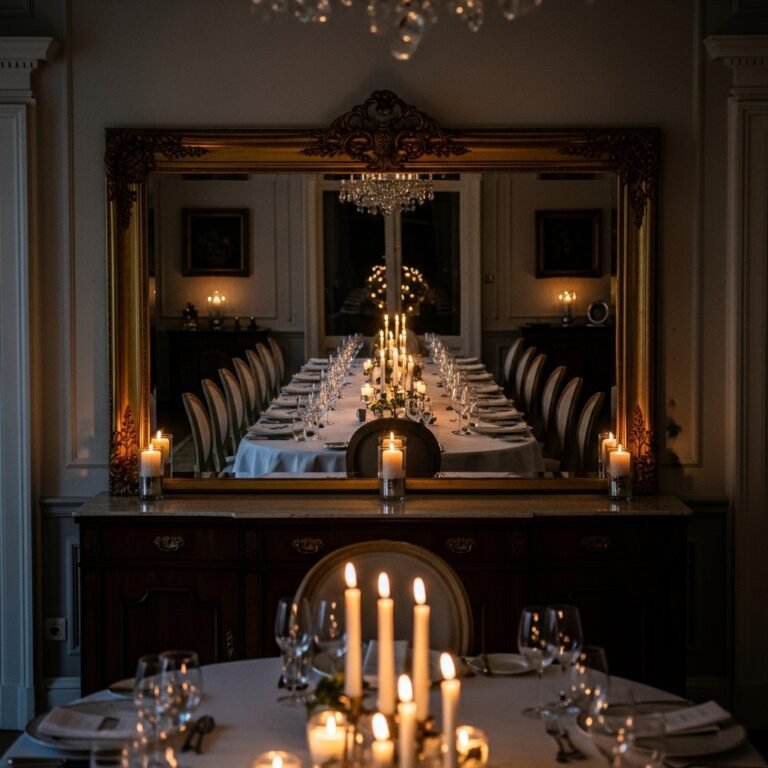
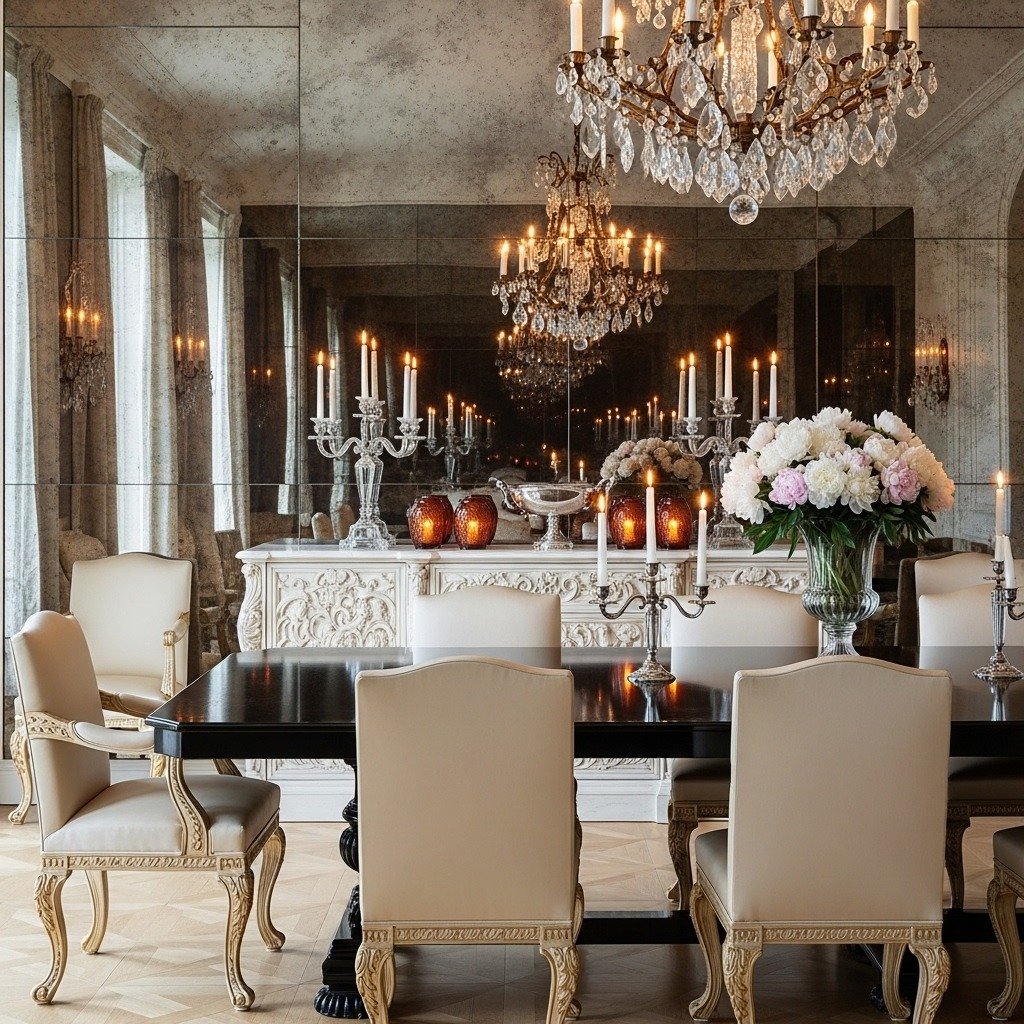
Mirrors in a dining room are more than just adornment; they represent a spatial philosophy. A full wall of antiqued glass or enormous gilt-framed mirrors flanking a sideboard may completely change a room, tripling its perceived volume, magnifying candlelight, and creating a dazzling depth that no paint or wallpaper can replicate. A tastefully mirrored dining room, particularly at night, feels almost magical, spreading light and warmth far beyond what is physically present, transforming the space into an elegant, bright haven that engages both the sight and the imagination.
Mirror selection is critical. Antiqued or foxed glass, with its subtle dark patches and worn appearance, has a far more sophisticated feel than clear plate glass, which can appear cold and commercial. Frames should be visually stunning, such as thick gilded plaster, ebonized wood, or hammered brass. Place mirrors to reflect the chandelier and table rather than the windows, and make sure the reflection is worthy—an elegantly designed sideboard, fresh flowers, or a patterned wallcovering that comes alive when seen twice. This thoughtful approach elevates mirrors from basic decoration to a statement of refinement.
9. Candlelight-First Design: Rooms Built for Evening Beauty
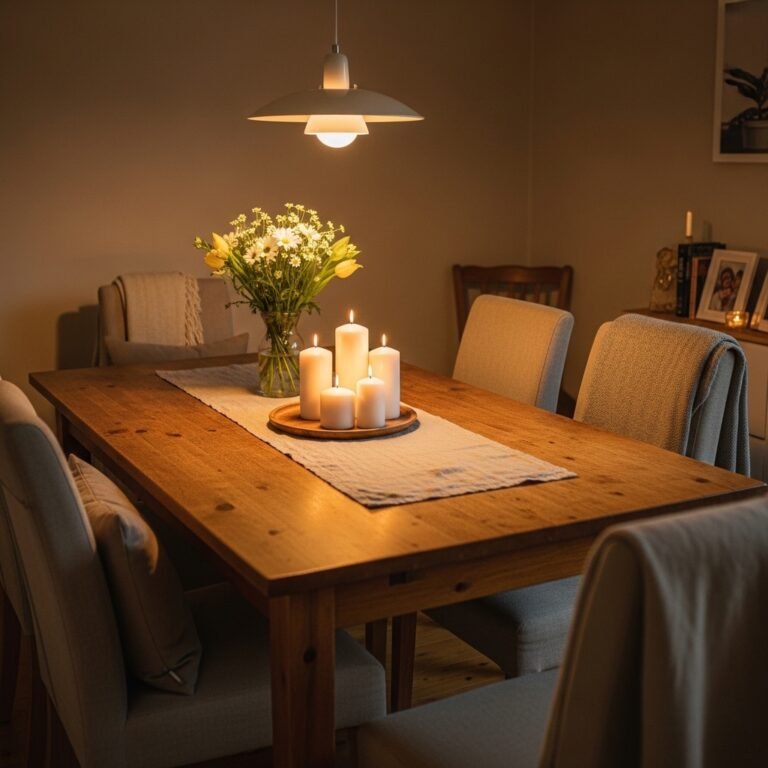
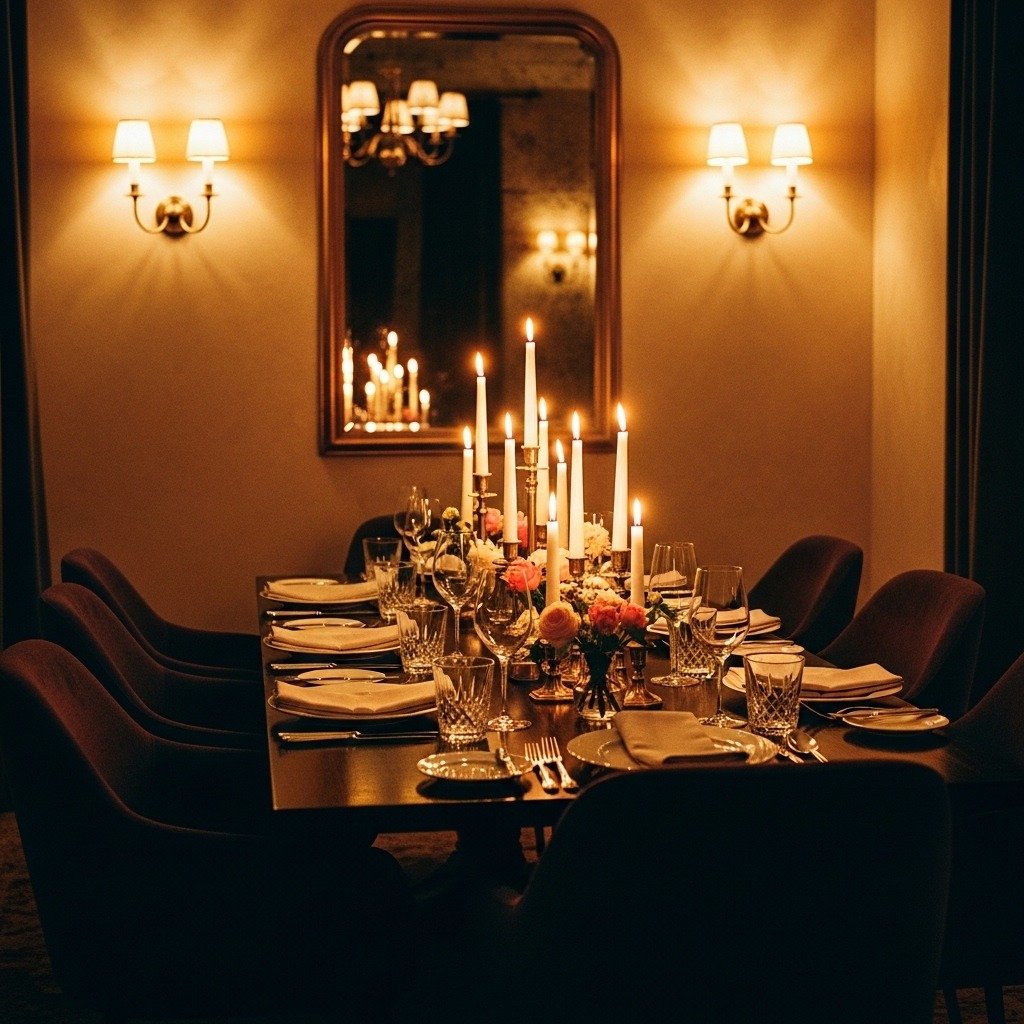
The most neglected rule in luxury dining design is simple but profound: design the space for how it feels at night. While many spaces are created for sunshine, a dining room truly comes alive after dark—when the chandelier serves as the sun, candles soften every surface, and the area folds into intimate warmth that daylight cannot provide. Designing for evening light entails choosing surfaces that glow rather than shine, textures that deepen rather than flatten, and colors that warm as the night progresses, resulting in an engaging, layered, and unforgettable place once the sun goes down.
This begs for warm-toned materials. Venetian plaster catches candlelight delicately, copper and gold intensify rather than diminish it, dark polished wood reflects flickering flames like liquid, and deep jewel-toned fabrics shine under warm lighting. Dimmer every light much below the setup’s comfort level, so after the candles are lit and visitors come, the balance will be perfect. The dining rooms that stay with you are almost always those that understood this fundamental truth: true luxury at the table isn’t simply in the goods or finishes, but in the way light defines the space, mood, and experience.
10. Art as Architecture: When Walls Become the Statement
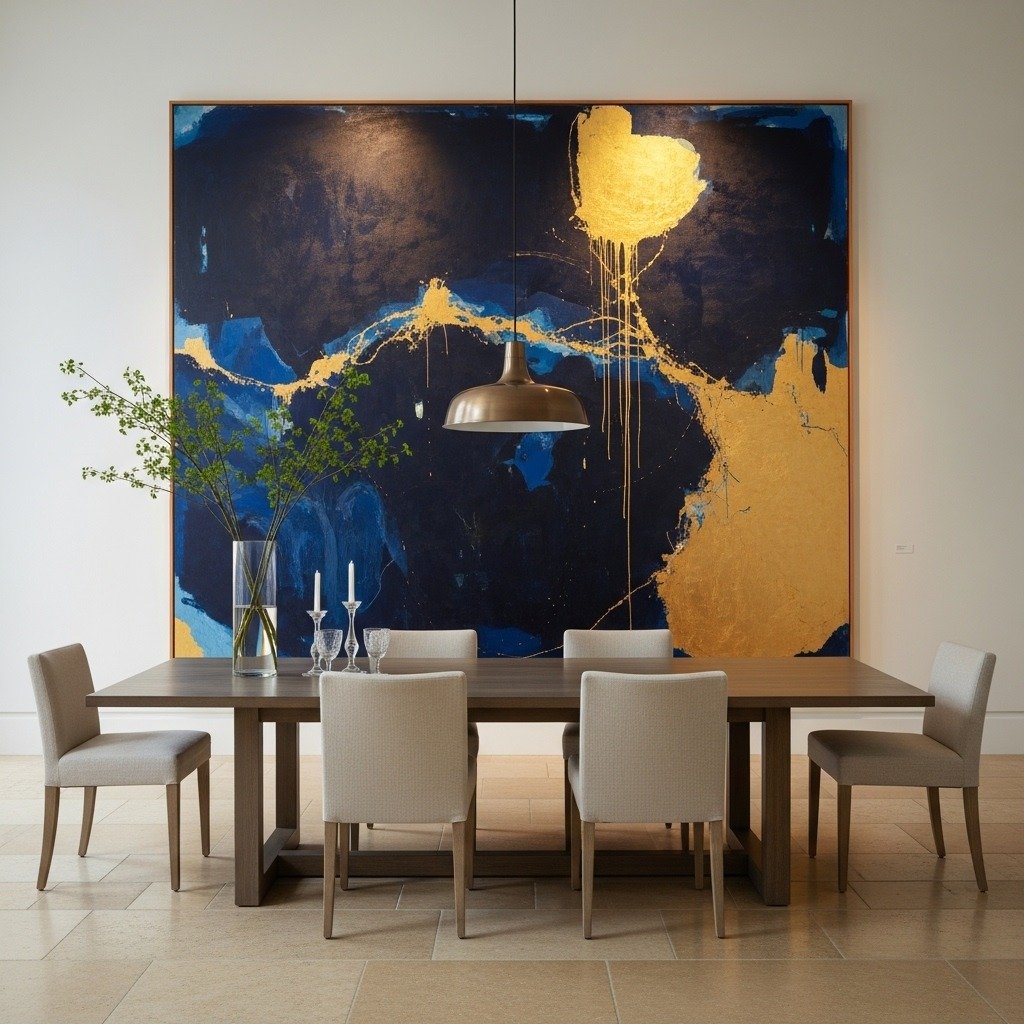
Art is more than just adornment in the most well-designed luxury dining rooms; it serves as the room’s focal point. One spectacular painting of remarkable scale and quality, placed with architectural care on the main wall, can transform a room from just lovely to a curated atmosphere rich in cultural meaning and personal story. Dining rooms that remain memorable, whether in private homes, Michelin-starred restaurants, or large hotels, nearly always have a clear artistic focal point, providing a resting spot for the eye and encouraging significant discourse, transforming the room into an experience rather than merely a backdrop.
Nothing compares to the benefits of investing in significant art for a room. A room is immediately given intellectual and artistic weight by a large textured oil painting with deep, layered colors. A simple wall is transformed into a thoughtful design by a collection of old floral prints. The energy of the entire space can be altered by a single striking sculpture on a corner plinth. To create a dining area that feels both carefully chosen and easily polished, combine important artwork with understated, functional furniture to enhance impact. Let the artwork take the lead while every other component supports it with quiet confidence.
11. The Tablescape as Theater: Where Dining Becomes a Performance
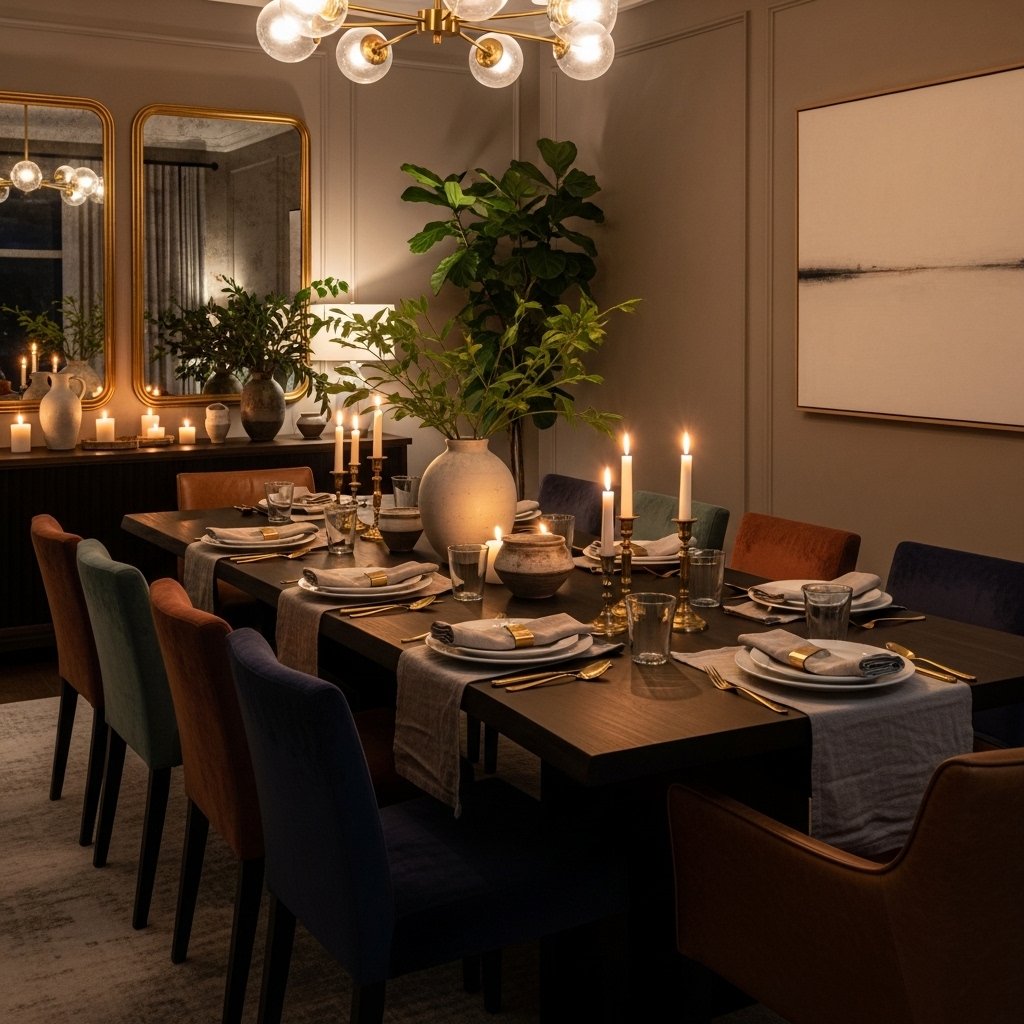
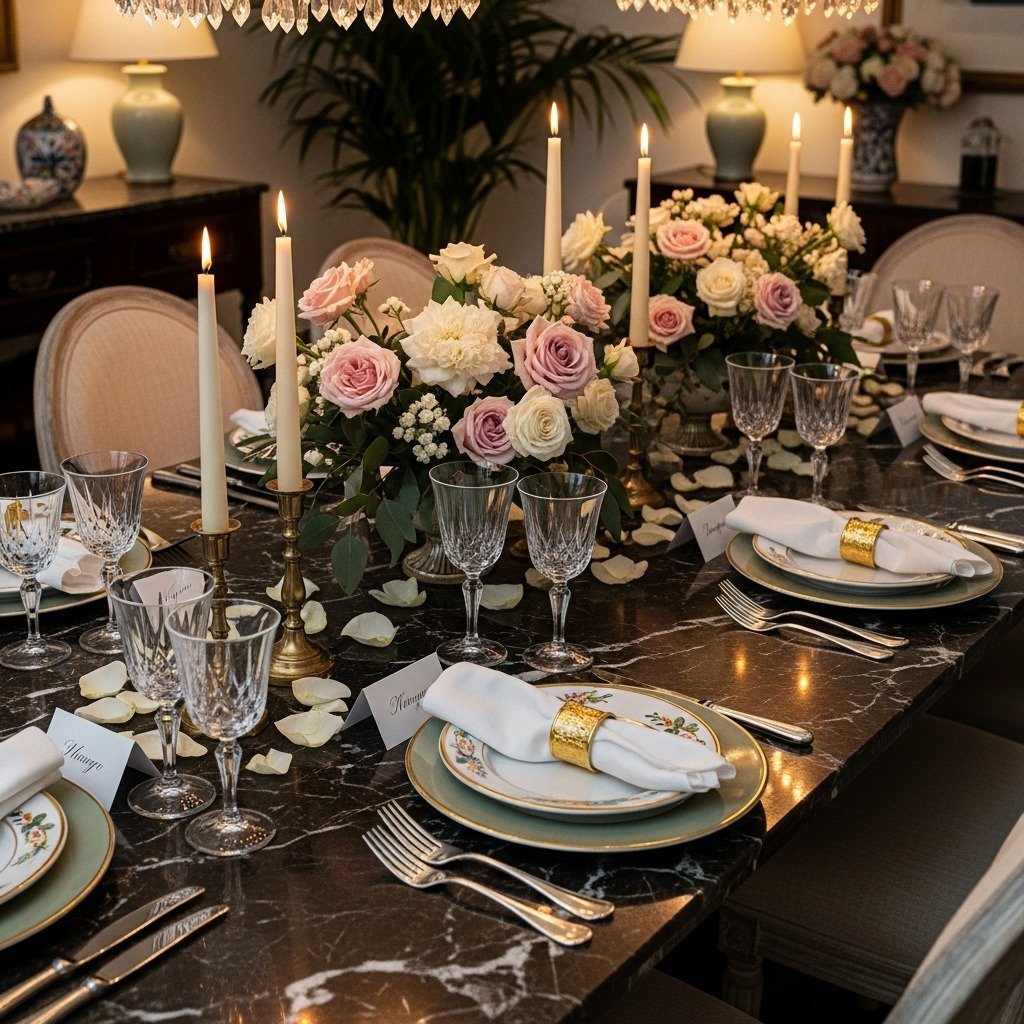
The table itself is the most intimate manifestation of opulent dining design. Even a straightforward dinner may be elevated to a ceremonial occasion with a thoughtfully chosen tablescape that layers linen, crystal, silver, ceramics, and plant accents. It communicates generosity, care, and thoughtfulness in a way that no furnishings or remodeling can match. Here, the dining room comes to life and becomes intimate, most clearly displaying the host’s warmth, taste, and concern. The room is not only aesthetically gorgeous but also incredibly intimate, unforgettable, and exquisitely human because each piece on the table tells a tale.
To create a genuinely sumptuous tablescape, you must strike a balance between constraint and richness. A monochrome arrangement of white linen, cream china, ivory candles, and white florals highlighted by a single brass piece emanates quiet, assured beauty. In contrast, a beautifully layered table with deep jewel tones, diverse metals, abundant flowers, and varying candle heights exudes celebration, generosity, and theatricality. What connects every excellent tablescape is intentionality: every element is purposefully placed, nothing is left to chance, and the result is a table that impresses guests before they ever seat. It is this meticulous selection that transforms a dinner into an unforgettable experience.
The dining room is one of the last truly communal spaces in modern life — a place where people still gather, slow down, and linger. Invest in it with the seriousness it deserves. Because the rooms we eat in shape the memories we keep, and there is no more quietly radical act than deciding that every meal, every gathering, every ordinary Tuesday evening deserves to be beautiful.