12 Cottagecore Backyard & Garden Ideas That Will Transform Your Outdoor Space
There is something deeply, achingly beautiful about the cottagecore aesthetic — this longing for a slower, softer, more connected way of living that is rooted in the rhythms of nature, the charm of handmade things, and the quiet magic of a garden that looks like it grew entirely by accident but is somehow more perfect than anything planned. Cottagecore gardening is not about precision or perfection — it is about abundance, wildness, romance, and the kind of beauty that only comes when you stop trying to control nature and simply invite it in. With the world moving faster than ever, the cottagecore backyard has become a sanctuary — a place to breathe, to slow down, to sit with a cup of tea and watch the bees work. Here are 12 breathtaking cottagecore backyard and garden ideas that will turn your outdoor space into the most enchanting corner of your world.
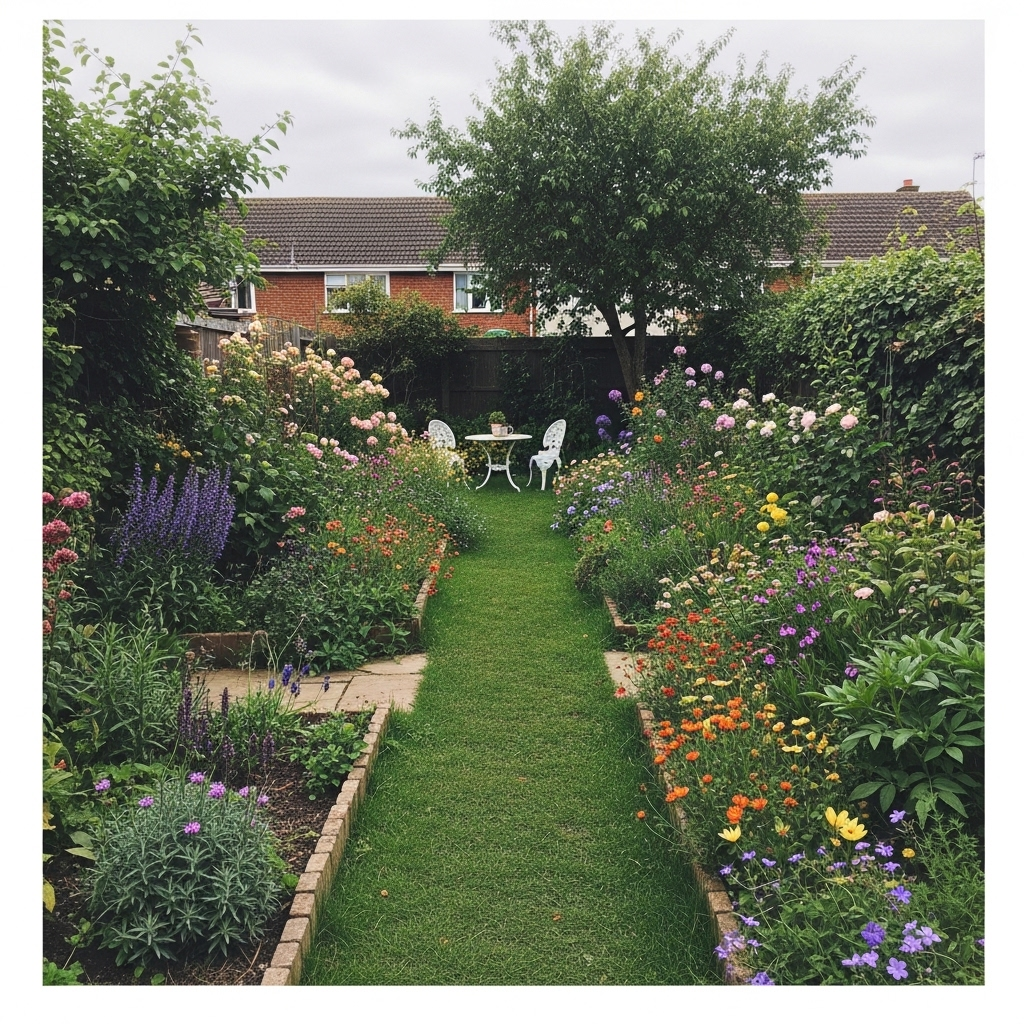
1. The Rambling Cottage Rose Garden
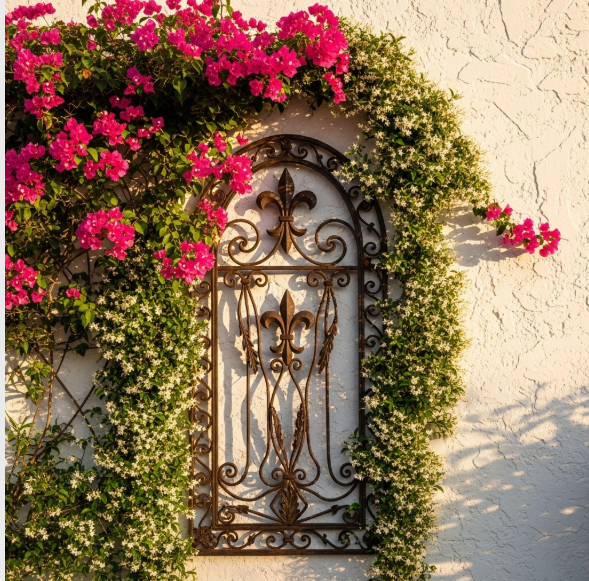
No cottagecore garden is complete without roses — and not the stiff, formal, perfectly pruned kind. Cottagecore roses are the rambling, climbing, overflowing kind that seem to have grown entirely of their own free will. Plant climbing roses along every fence, trellis, and archway you own. Choose heritage and old-fashioned varieties — David Austin roses in blush, apricot, deep crimson, and soft cream — that have that loose, many-petaled, antique look. Let them interweave with clematis, honeysuckle, and wisteria until the fence disappears entirely beneath a cascade of blooms. Add a worn wooden garden bench beneath the most abundant climbing rose arch and you have one of the most beautiful spots on earth.
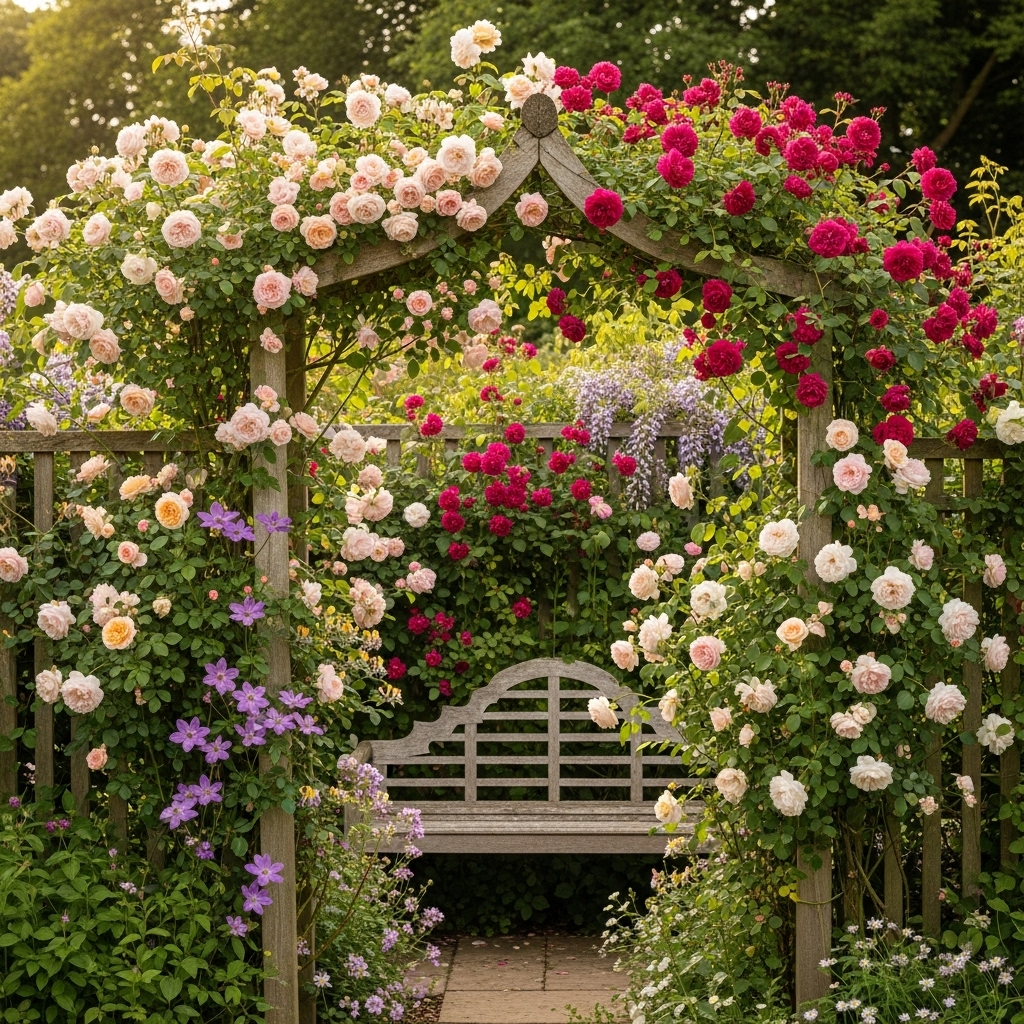
2. The Wild Meadow Flower Patch
Forget the manicured lawn. Replace at least part of your grass with a wildflower meadow patch that hums with insects and moves in the breeze like something from a countryside painting. Sow a mix of cornflowers, poppies, ox-eye daisies, foxgloves, lavender, yarrow, and nigella in drifts rather than rows — nature never plants in straight lines. Allow the patch to self-seed year after year so it evolves and surprises you each season. Mow a single winding path through the meadow so you can walk through it and feel completely surrounded by wildflowers taller than your knees.
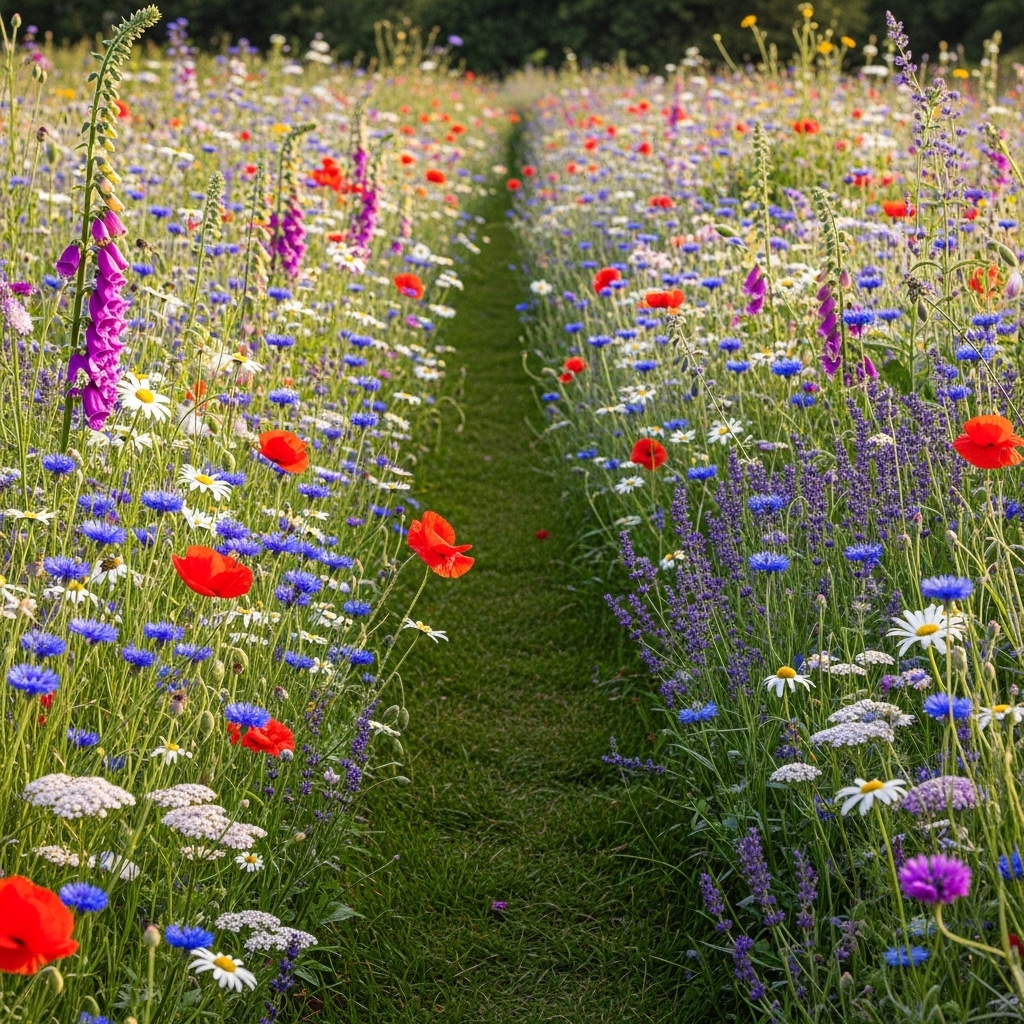
3. The Overgrown Potting Shed Corner
Every cottagecore garden needs a potting shed — and the more weathered, ivy-covered, and charmingly disheveled it looks, the better. A small wooden shed with peeling paint in faded sage green or dusty blue, its walls completely overtaken by climbing ivy and roses. Terracotta pots in every size stacked outside the door, some cracked, some overflowing with herbs, some containing seedlings in various stages. Old watering cans repurposed as planters. A worn wooden potting bench outside covered in soil, seed packets, and hand tools. String lights draped across the shed exterior for evening magic.
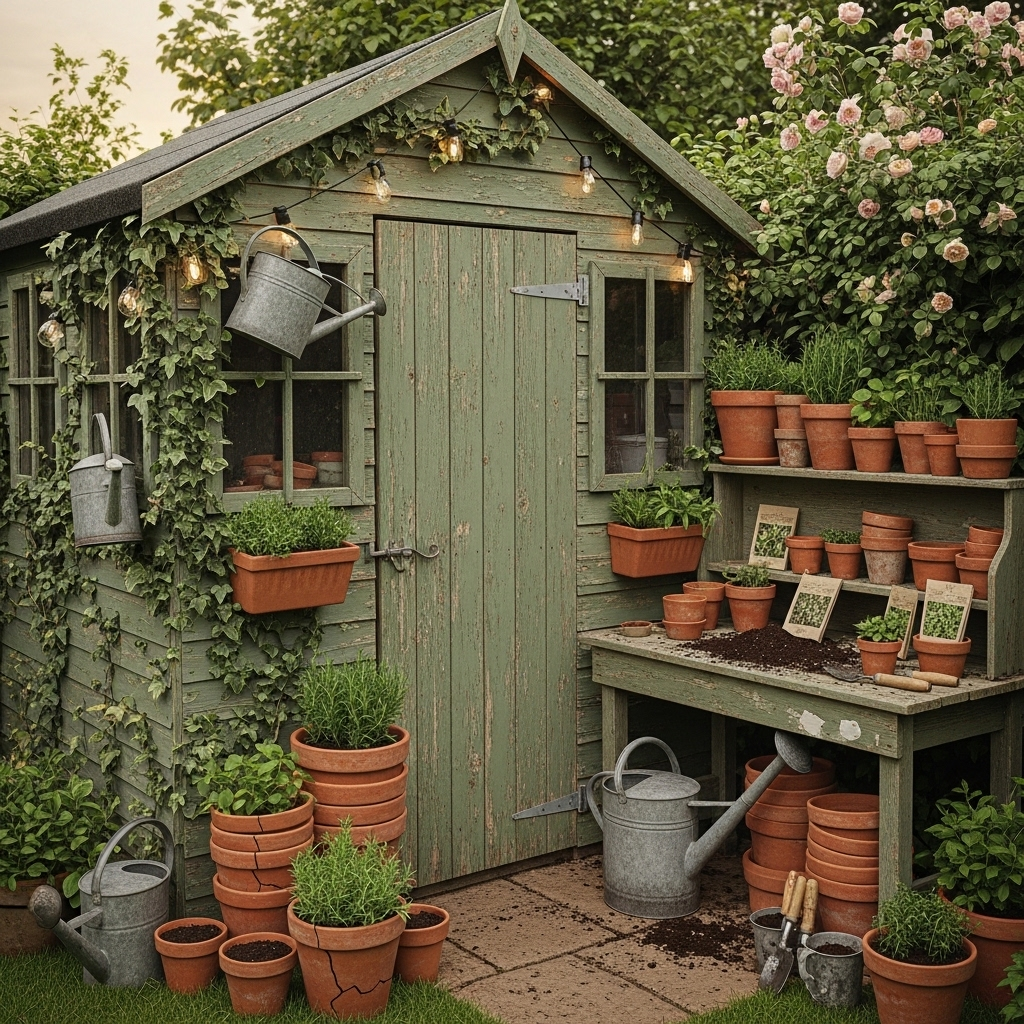
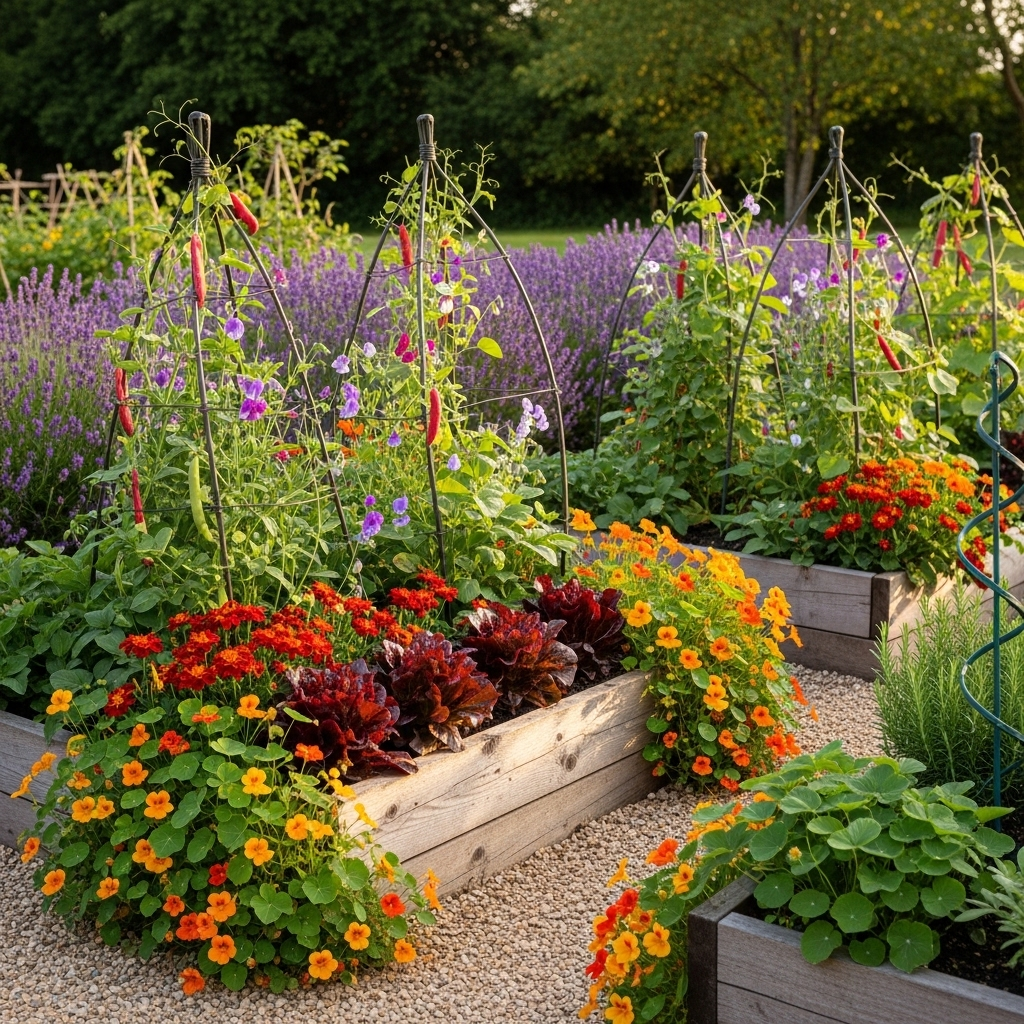
4. The Kitchen Cottage Garden
The most practical and most beautiful garden combination — a kitchen garden planted with the aesthetic sensibility of a flower garden. Raised wooden beds built from reclaimed timber overflow with a glorious mix of edible and ornamental plants grown together in gorgeous chaos. Ruby red lettuce beside marigolds. Climbing beans up wigwam poles intertwined with sweet peas. Lavender borders alongside strawberry plants. Nasturtiums tumbling over the bed edges in orange and gold. Herb spirals of rosemary, thyme, sage, and chives. Everything is edible, everything is beautiful, and the line between food garden and flower garden has been lovingly erased.
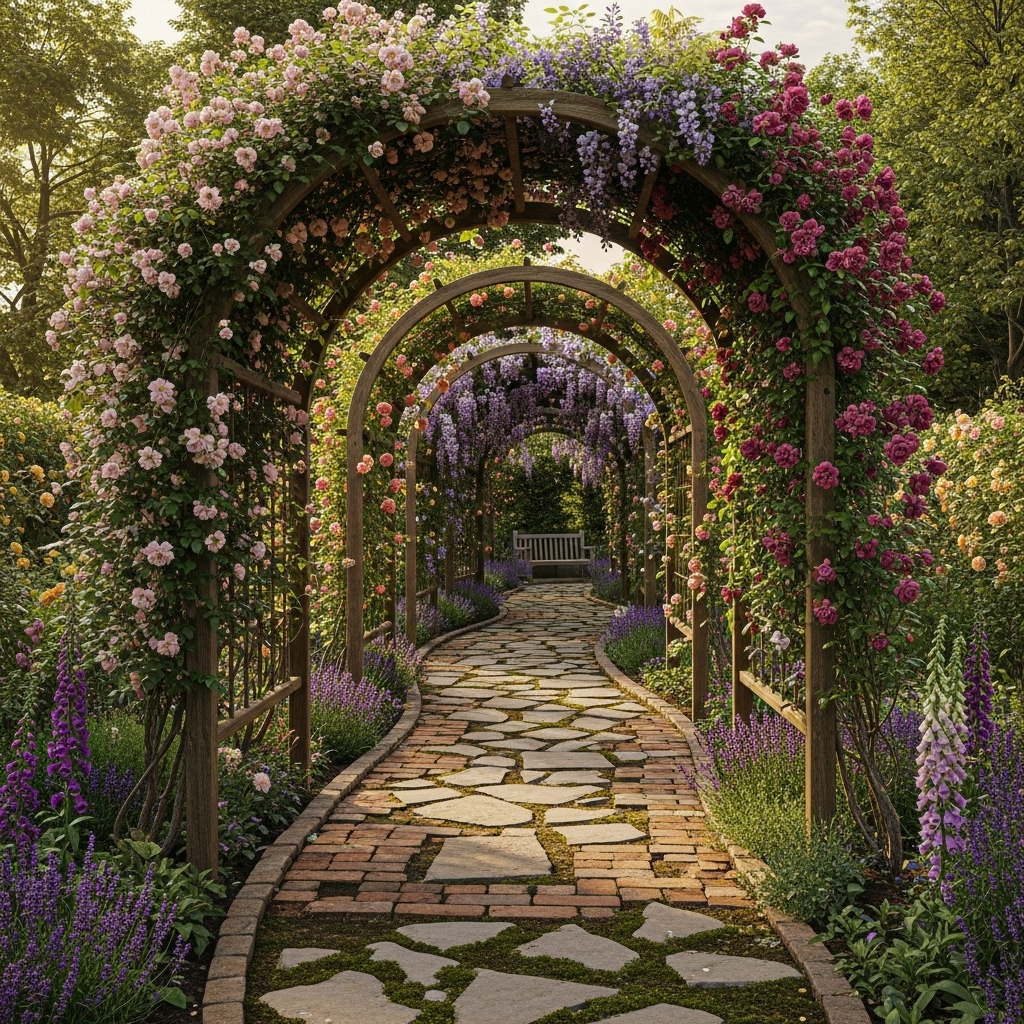
5. The Secret Garden Archway Path
Create a sense of mystery, discovery, and enchantment with a winding garden path that passes beneath a series of flowering archways and disappears around a corner into somewhere unknown. Use simple wooden or wrought iron arch frames and plant climbing roses, wisteria, and clematis over each one until the path becomes a tunnel of flowers. Line the path edges with lavender, foxgloves, and low-growing herbs. Use reclaimed brick, flagstone, or mossy stepping stones for the path surface. The destination at the end — a hidden bench, a birdbath, a small pond — matters less than the journey through the arches.
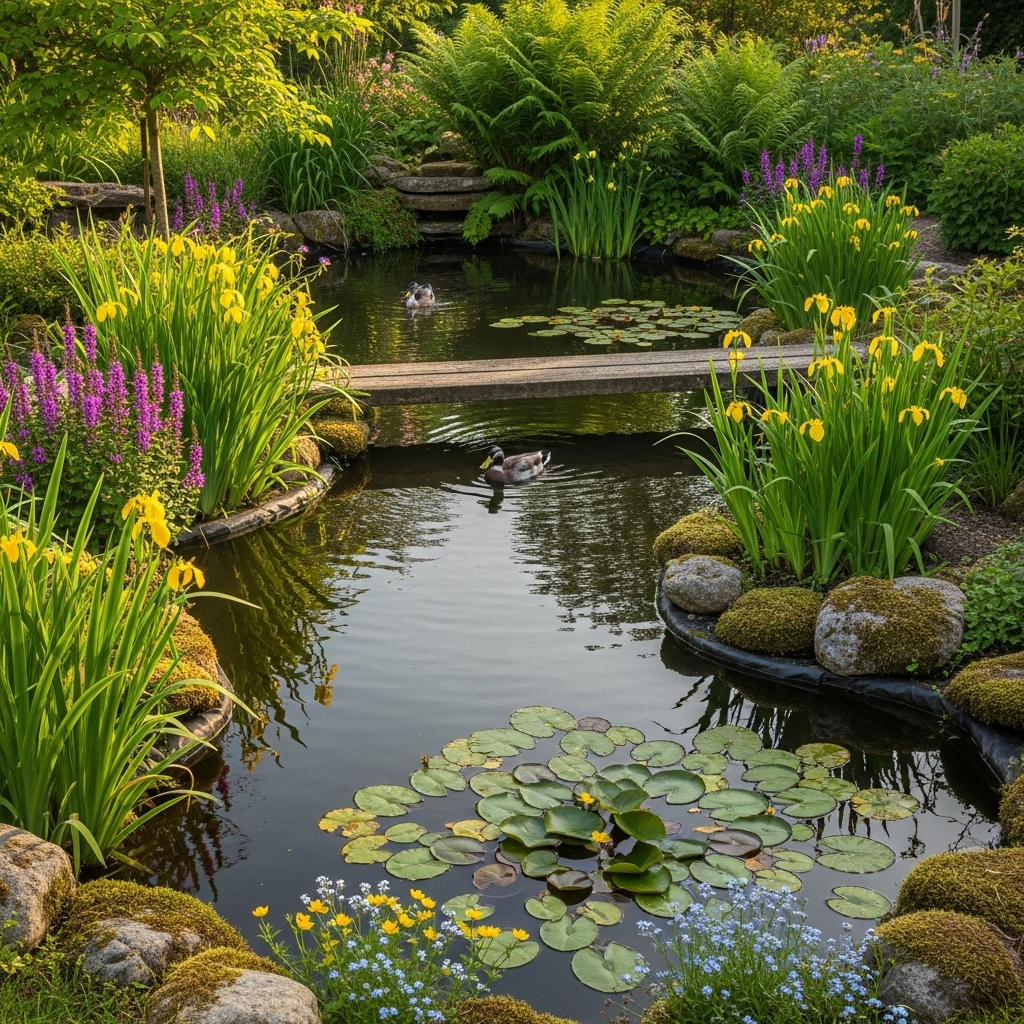
6. The Cottage Pond & Water Garden
Water brings a cottagecore garden to life in a way nothing else can — the sound, the reflection, the wildlife it attracts. Dig or install a naturalistic irregular-shaped pond — never circular or rectangular, always organic — and line its edges with moisture-loving plants: yellow flag iris, purple loosestrife, water forget-me-nots, and marsh marigolds. Float water lilies on the surface. Place smooth mossy stones around the edges, allow ferns to overhang the water, and build a simple wooden bridge or stepping stone crossing. A pair of ducks is optional but highly encouraged.
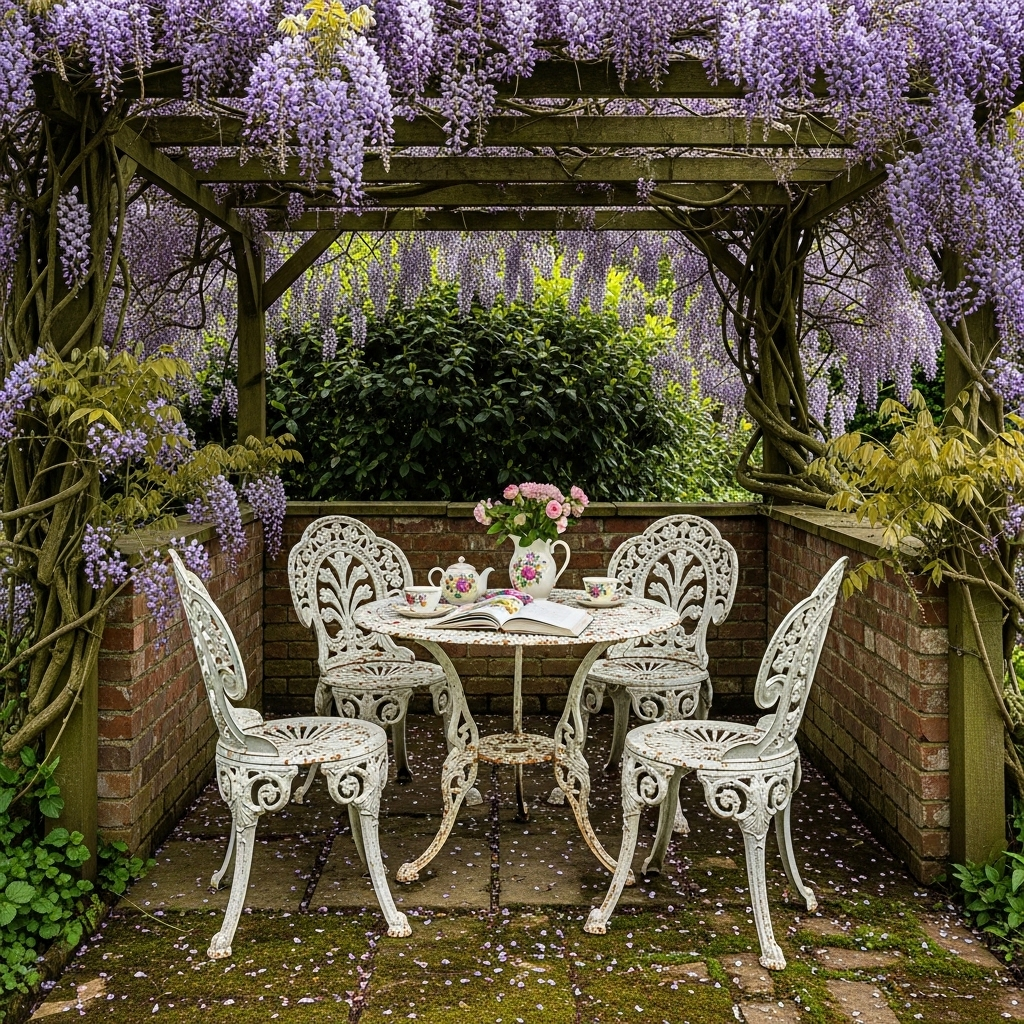
7. The Garden Tea Nook
The cottagecore garden must have a dedicated spot for sitting with tea — not a patio set from a garden center, but a deeply personal, deeply charming outdoor sitting nook that looks like it has always been there. A worn cast iron bistro table and two matching chairs, painted in faded white or verdigris green, positioned in a sheltered garden corner. Overhead, a pergola draped in wisteria or roses provides fragrant shade. Underfoot, reclaimed brick or mossy flagstones. On the table: a floral china tea set, a small vase of garden flowers, a book. This is not just seating. This is a way of living.
8. The Sunflower & Hollyhock Back Border
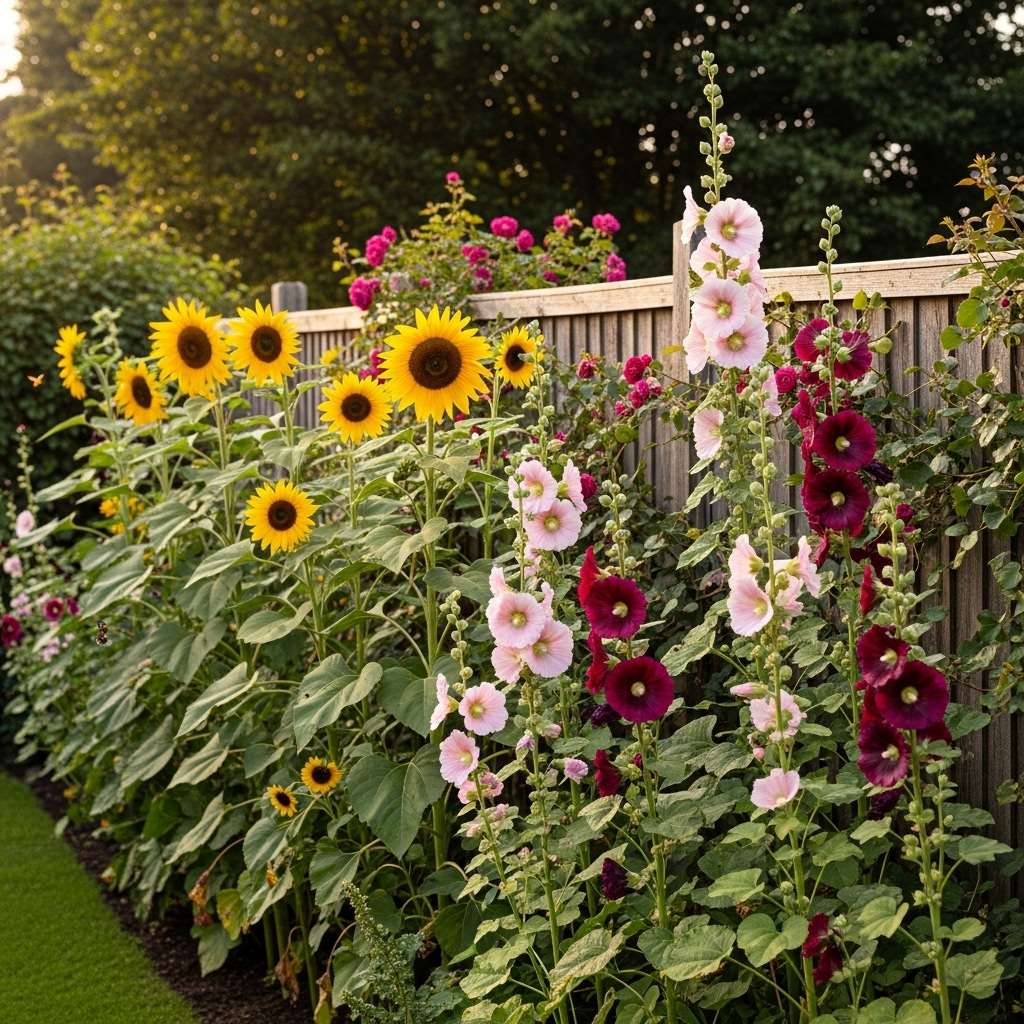
There is nothing quite as joyfully, unashamedly cottagecore as a towering back border of sunflowers and hollyhocks standing shoulder to shoulder along the garden fence. Plant giant sunflower varieties — some reaching well above head height — in loose drifts alongside tall hollyhocks in every color from pale pink to deep burgundy and rich plum. Let them self-seed freely so the border looks slightly different every year. Back the border with a weathered wooden fence or old stone wall partly covered in climbing roses. The combination of height, color, and sheer abundance is staggering.
9. The Evening Moonlight Garden
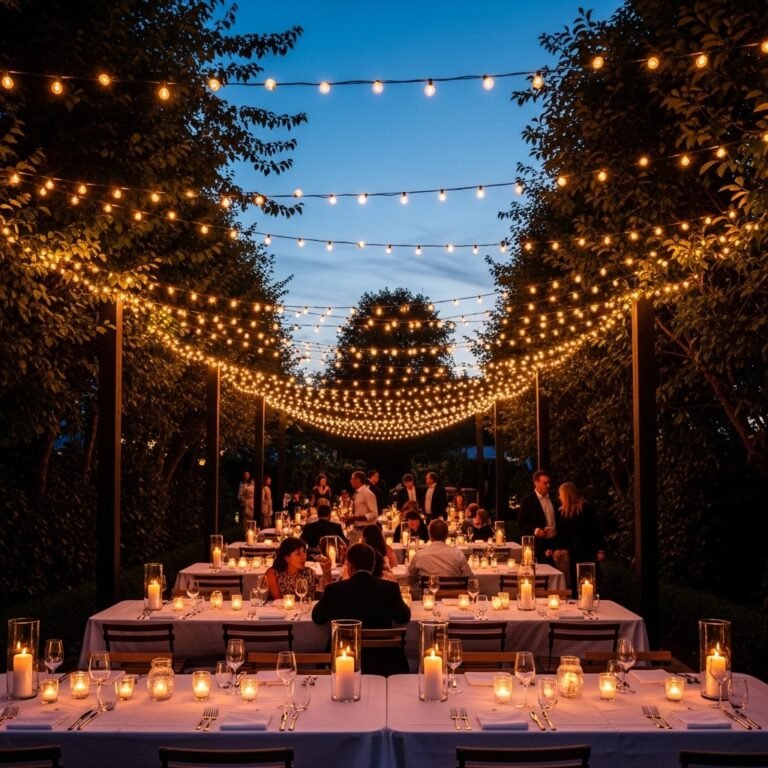
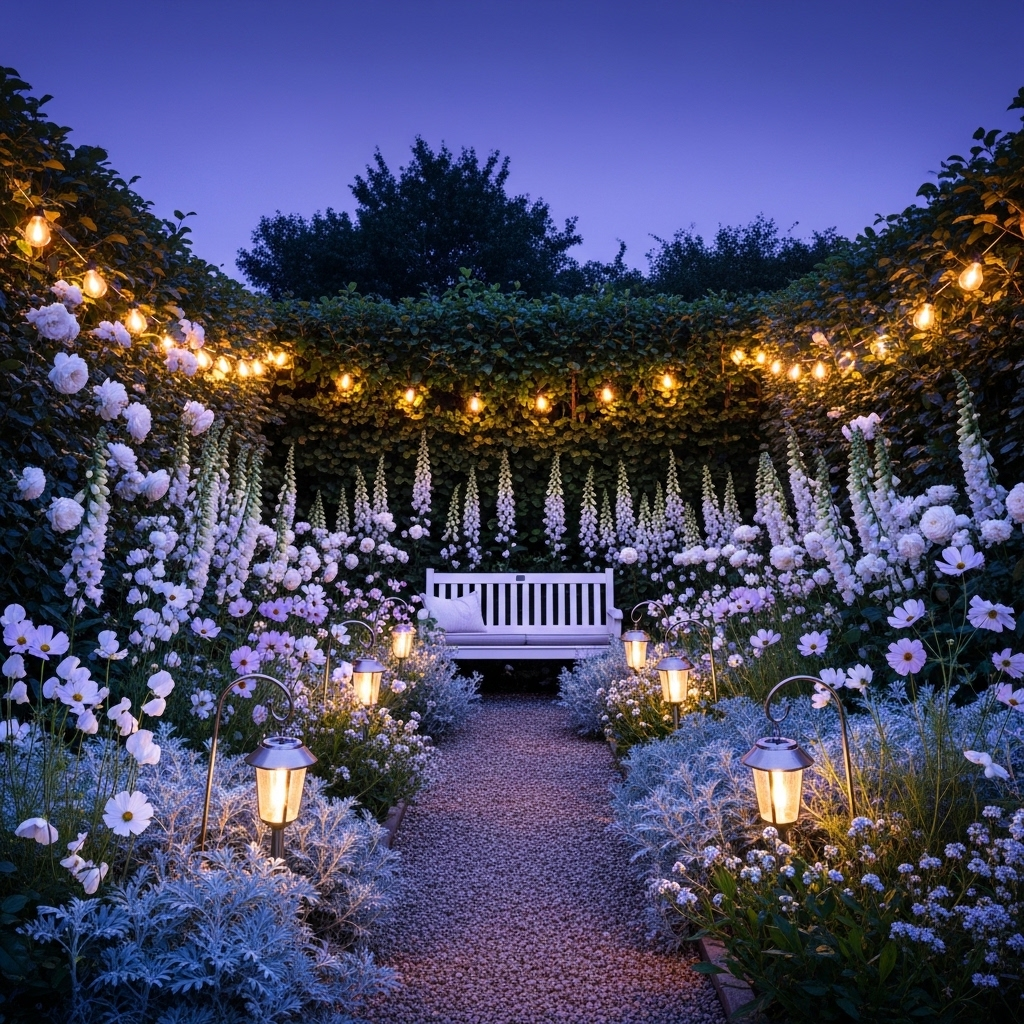
A cottagecore garden that comes alive after dusk — planted specifically with white and pale flowers that glow in moonlight and evening shadow, and fragrant plants whose scent intensifies after dark. White roses, white foxgloves, white sweet peas, pale lavender, night-scented stock, white cosmos, and silvery artemisia fill the beds. Solar-powered vintage-style lanterns line the path. A string of warm Edison bulb lights is threaded through the garden hedge. A white wooden bench sits at the center. On warm evenings, this garden is the most magical place in the world.
10. The Bee & Butterfly Pollinator Haven
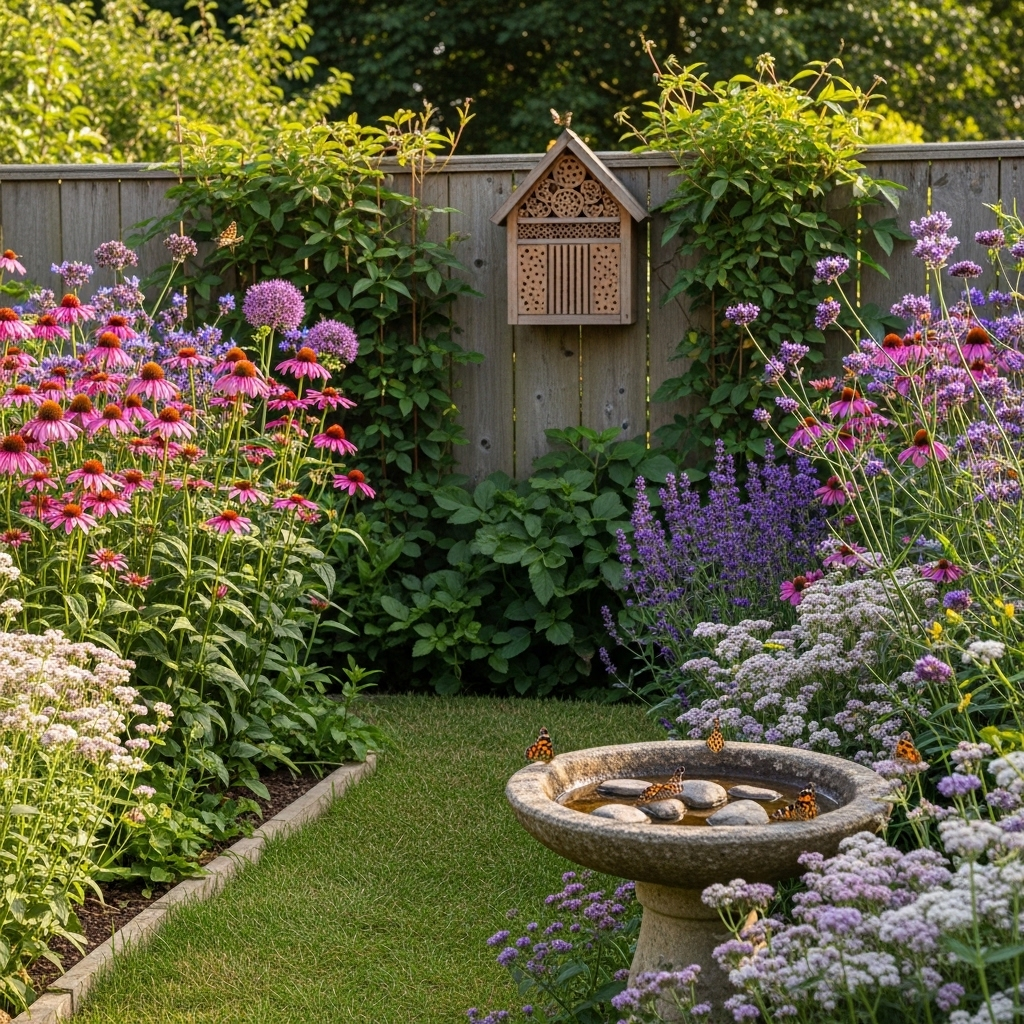
A cottagecore garden is a garden alive with creatures — and planting specifically for pollinators is both the most generous and most beautiful thing you can do with your outdoor space. Create dedicated pollinator borders overflowing with bee balm, echinacea, borage, lavender, alliums, verbena bonariensis, and achillea. Build a simple wooden bee hotel from reclaimed timber and mount it on the fence surrounded by climbing plants. Add a shallow birdbath with stones for butterflies to land on. Leave a patch of lawn unmown for ground-nesting bees. The reward is a garden that hums, flutters, and buzzes with life all summer long.
11. The Cottage Orchard & Fruit Garden
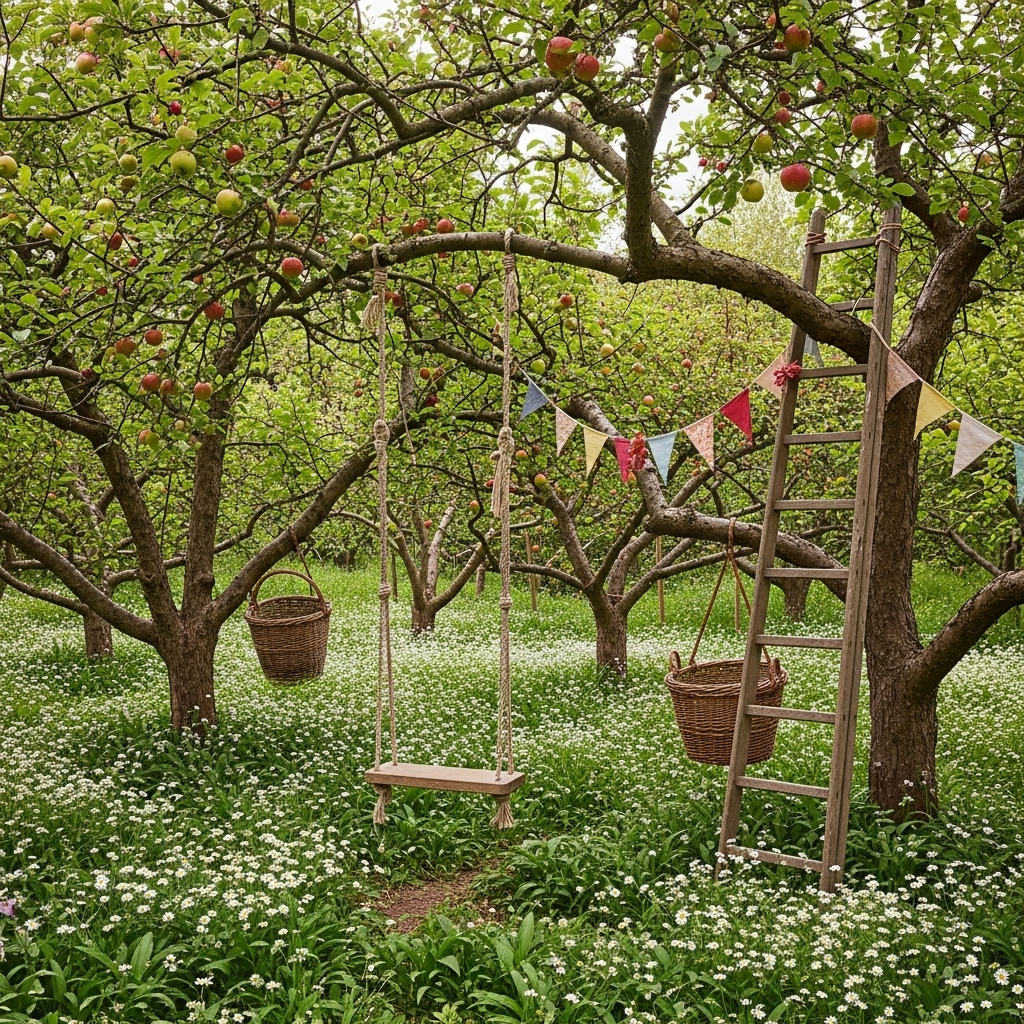
Few things are more deeply, satisfyingly cottagecore than a small orchard of fruit trees underplanted with wildflowers, their branches heavy with blossom in spring and fruit in autumn. Plant heritage apple, pear, plum, and cherry trees in loose informal arrangements rather than neat rows. Underplant with cow parsley, ox-eye daisies, and wild garlic that carpets the ground beneath the trees in spring. Hang a wooden swing from the strongest branch. Place a worn wooden ladder against one of the trees as if caught mid-harvest. String bunting between the trees for celebrations. In autumn, fill wicker baskets with windfalls.
12. The Full Cottagecore Garden Transformation
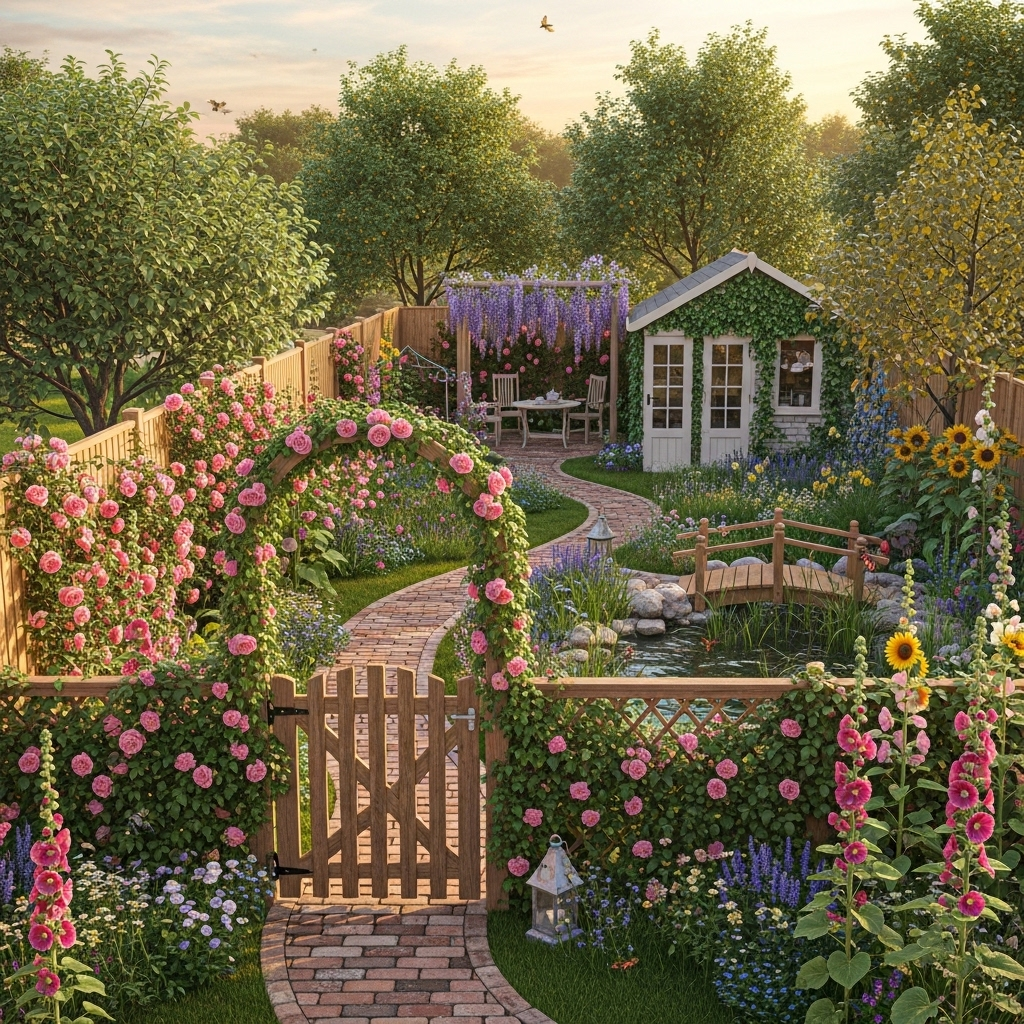
The complete vision — a backyard transformed in its entirety into a cohesive, overflowing, enchanted cottagecore world where every element works together to create a space that feels simultaneously wild and deeply cared for. A winding reclaimed brick path connects a rose-arched entrance gate through a wildflower meadow to a kitchen garden, past a pond with a wooden bridge, alongside a potting shed draped in ivy, to a wisteria-covered tea nook at the garden’s heart. The fence disappears beneath climbing roses. Hollyhocks and sunflowers tower at the back. Fruit trees provide structure and dappled shade. Bees hum everywhere. The gate opens and the world outside simply ceases to exist.
Conclusion
A cottagecore garden is not a project you finish — it is a relationship you begin. It deepens with every season, surprises you with every self-seeded foxglove that appears somewhere unexpected, rewards you with every bee you hear working in the lavender and every rose that opens more perfectly than the last. The cottagecore backyard asks very little of you — some seeds, some patience, a willingness to let things be a little wild and a little imperfect — and gives back everything. It gives you beauty in every season, food from the kitchen garden, fragrance on every warm evening breeze, and a place where time genuinely slows down and the only thing that matters is what is blooming right now. Start with one raised bed, one climbing rose, one wildflower patch — and watch your garden, and your life, become something truly extraordinary.