14 Kids Bedroom Ideas That Grow With Your Child
Decorating a child’s bedroom is not about making it cute. It’s about making it functional, stimulating, and flexible enough to evolve as the child does.
Most kids’ rooms fail because they’re designed for a moment. The theme that delights a four-year-old embarrasses a nine-year-old. The bed that fits a toddler doesn’t fit a teenager. Good design anticipates change.
These 14 ideas build a bedroom that works at every stage without needing a complete redo every three years.
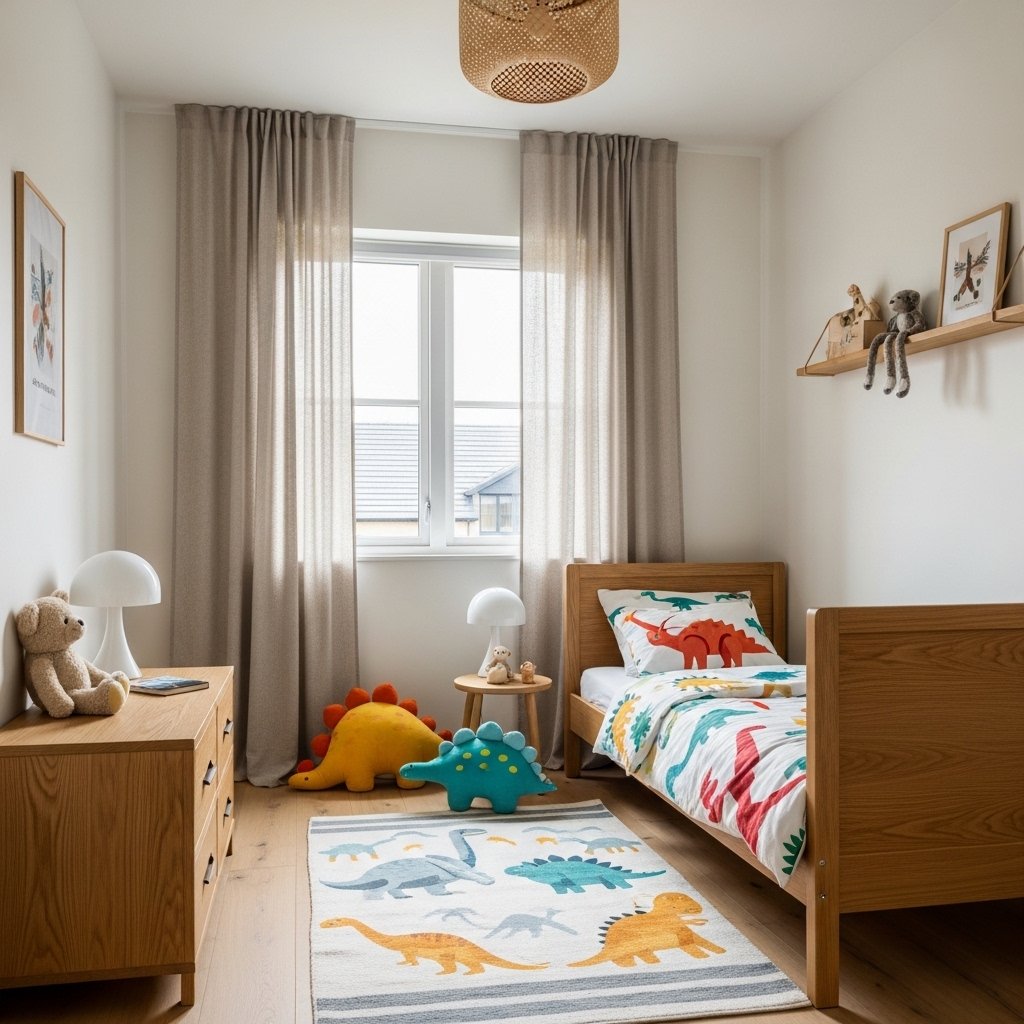
1. Choose a Neutral Base and Let Accessories Do the Theming
The walls, floor, and large furniture should be neutral. Warm white, soft sage, dusty blue, or greige. These backgrounds don’t age out.
Theming belongs in cushions, bedding, posters, and small accessories. These cost almost nothing to replace when a child outgrows dinosaurs and moves on to astronomy.
A neutral room with themed accessories can be updated in an afternoon. A room with dinosaur wallpaper on every wall requires a full renovation.
Buy the neutral base once. Update the accessories as the child grows.
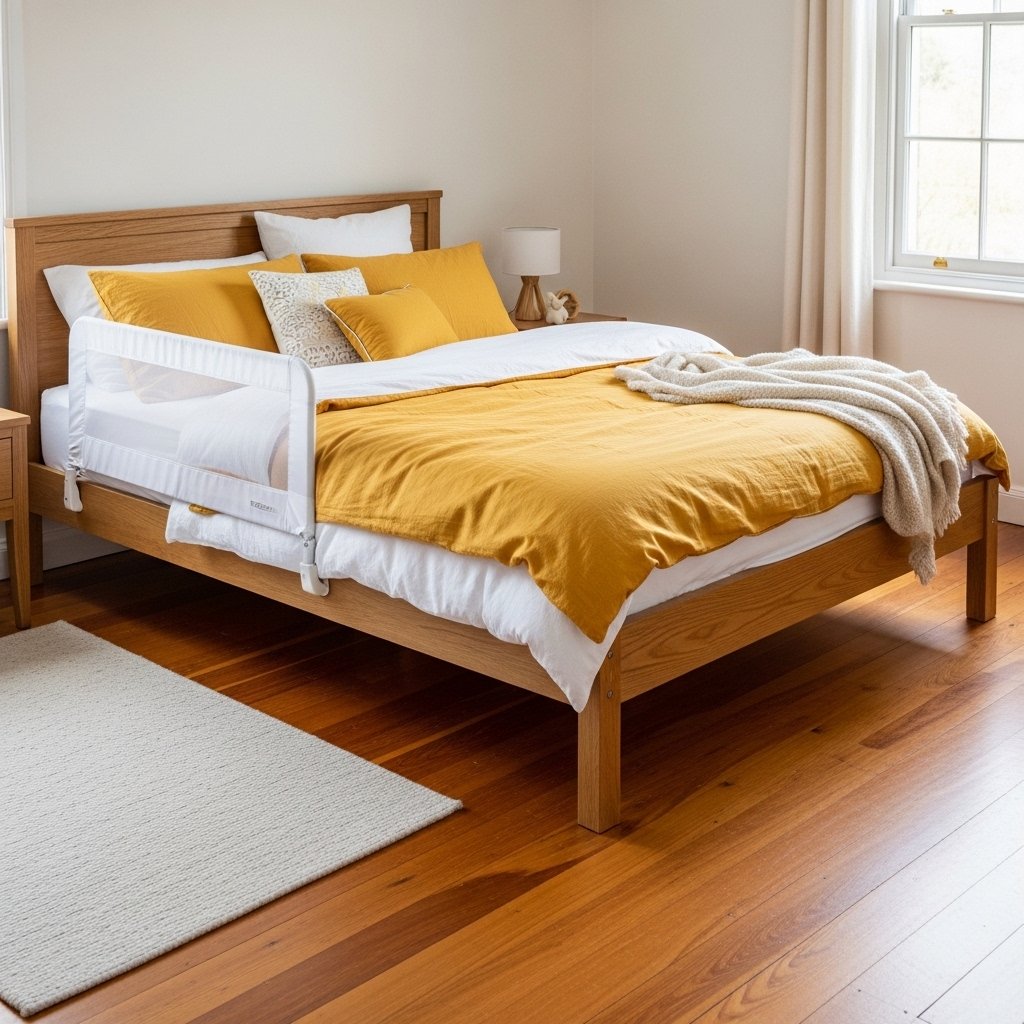
2. Invest in a Full-Size Bed From the Start
A toddler bed is a short-term purchase with a short-term lifespan. A full or double bed serves a child from age three to eighteen and beyond.
The cost difference between a toddler bed and a quality full-size bed is smaller than the cost of replacing the toddler bed in three years. The math is straightforward.
Add bed rails when children are young. Remove them as the child grows. The bed stays the same.
Buy a quality mattress at the same time. A child’s spine developing on a poor-quality mattress is not a luxury concern. It’s a health one.
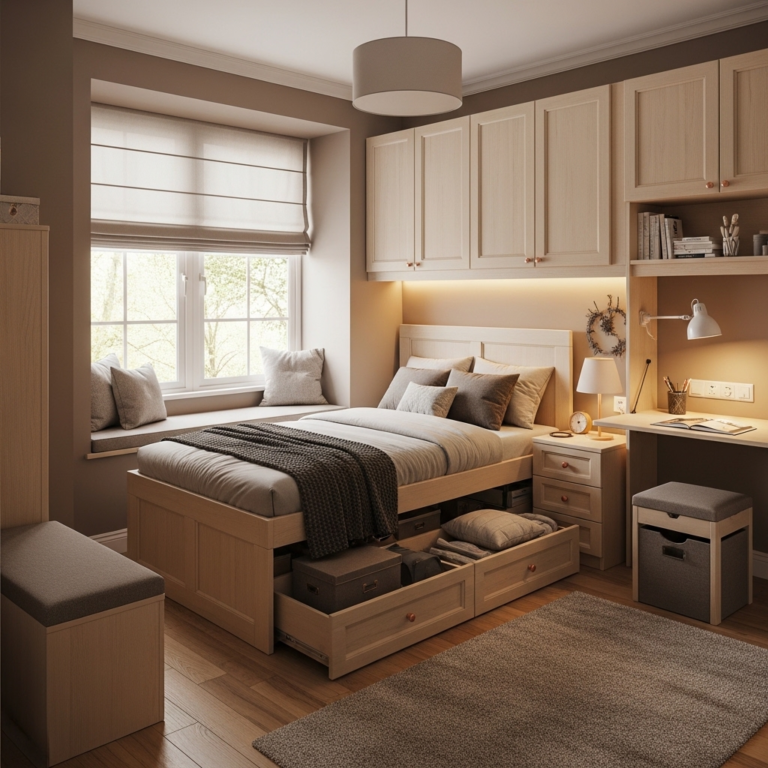
3. Build Vertical Storage Into the Design
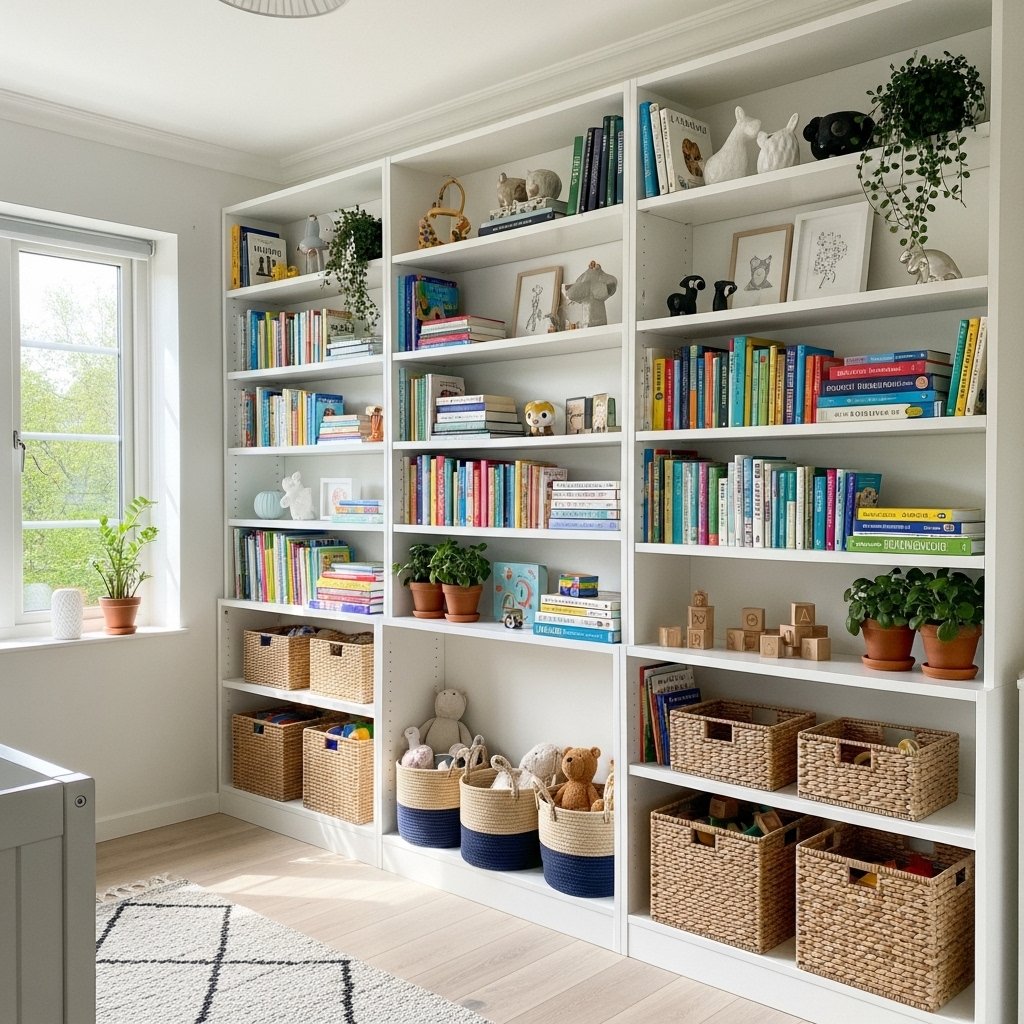
Floor space in a child’s bedroom is play space. Storage belongs on the walls.
Floor-to-ceiling shelving, wall-mounted cubbies, and pegboard systems move storage upward and free the floor for the activity a child actually needs it for.
Low shelves hold items a child accesses daily. Higher shelves hold seasonal items, spare bedding, and things that need less frequent access. The height hierarchy serves the child’s independence.
Adjustable shelving systems grow with the child. What holds picture books at age four holds textbooks at age twelve.
4. Create a Dedicated Study Zone Early
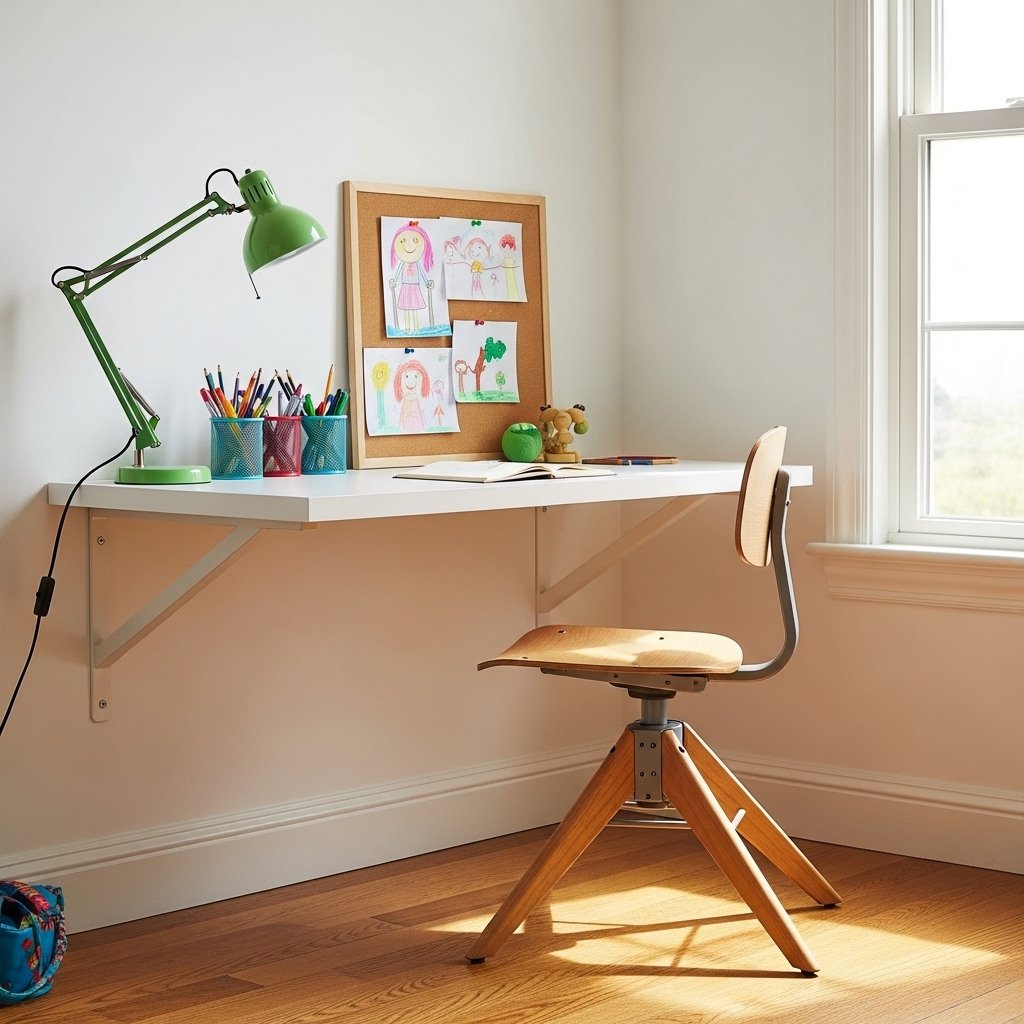
A child who has a proper desk and chair from an early age develops study habits that children doing homework on the bed never do.
A wall-mounted fold-down desk saves floor space when not in use. A fixed desk with a quality adjustable chair serves a child from early primary school through secondary school.
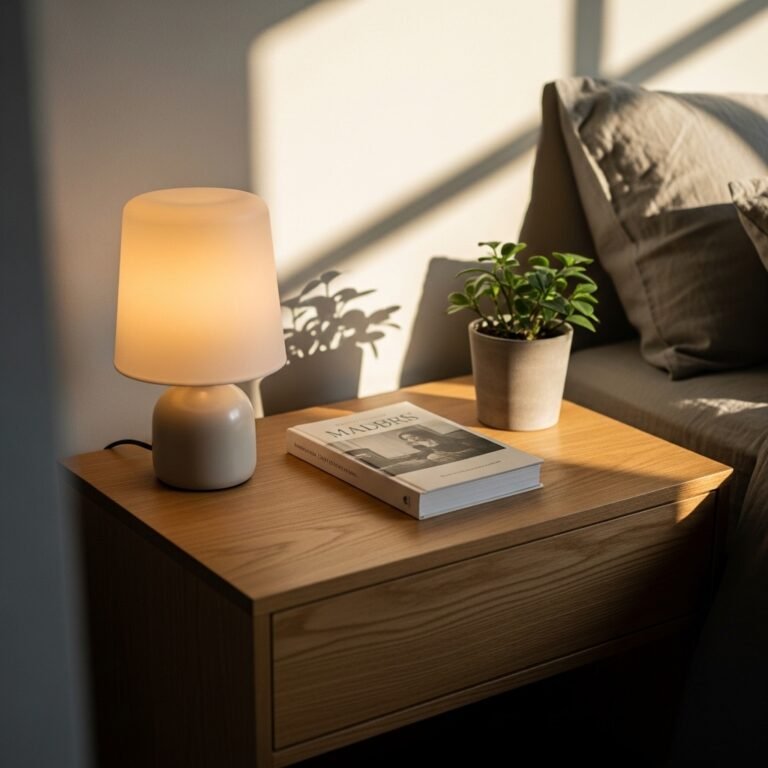
Position the desk beside a window for natural light. Add a good task lamp for evening work. These are not luxuries. They are the basic conditions for focused work.
The desk area should be visually separated from the play and sleep areas. Even in a small room, a simple rug or a different wall color behind the desk creates a zone that signals “this is where we concentrate.”
5. Use a Loft Bed to Multiply Usable Space
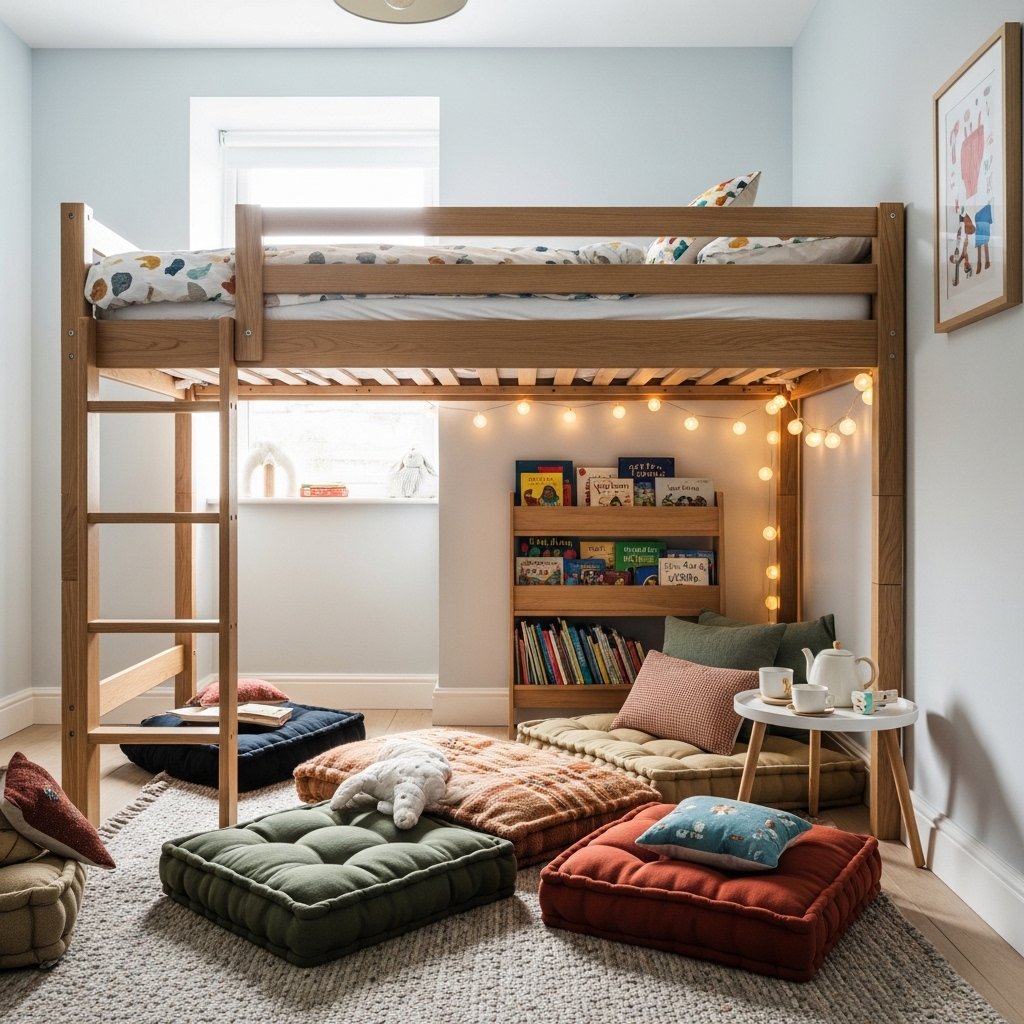
A loft bed is the single most effective space-multiplying intervention in a child’s bedroom. It takes a footprint of one bed and turns it into a bed plus a full activity zone below.
The space under a loft bed becomes a reading nook, a play area, a desk space, or a combination of all three depending on the child’s age and needs.
Choose a solid timber or metal loft bed with a weight rating that allows the structure to last through adolescence. Cheap loft beds feel unstable. A child who doesn’t trust the bed won’t sleep well in it.
Add curtains to the underside area to create genuine enclosure. A child with a private den under their bed has a space that supports imagination in a way a standard bedroom arrangement never does.
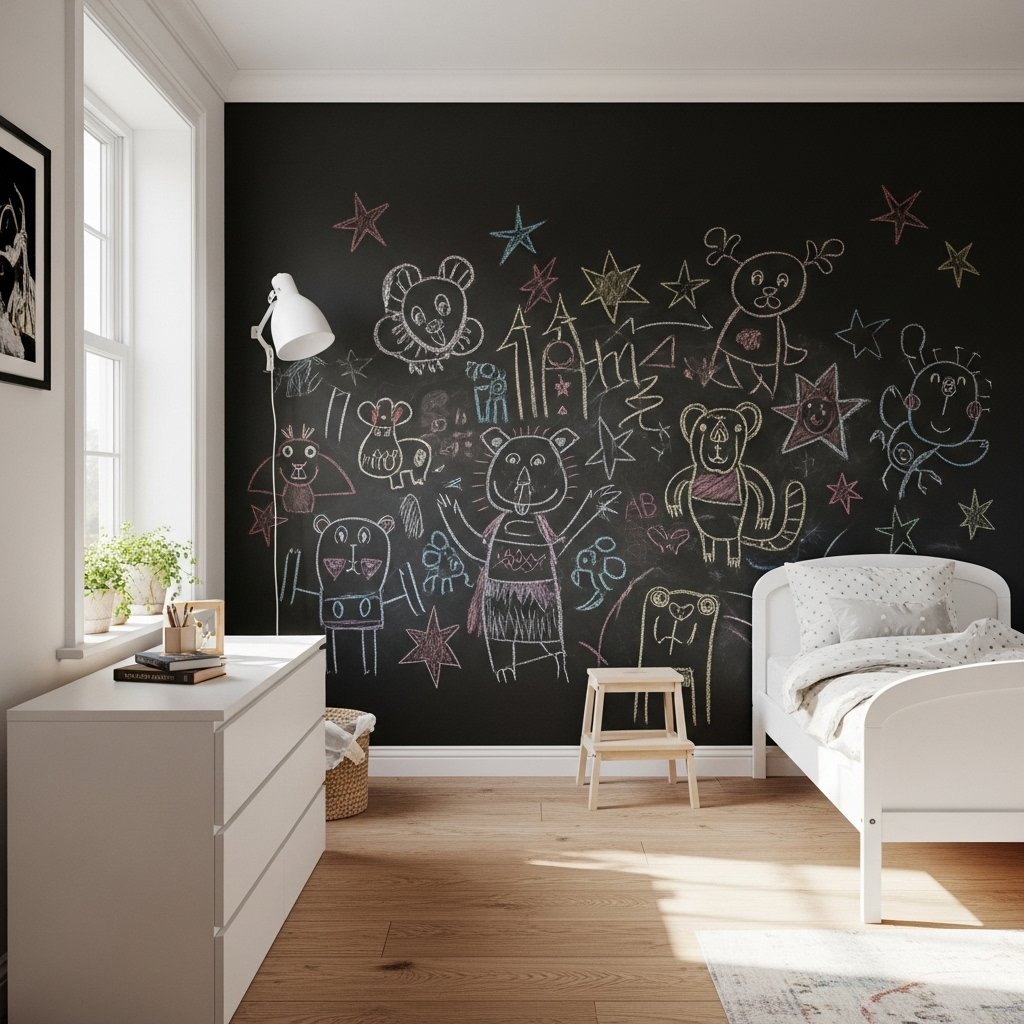
6. Paint a Chalkboard or Magnetic Wall Panel
One wall in a child’s bedroom should be writable. This is not a design compromise. It is one of the most used features in any well-designed child’s space.
Chalkboard paint on a full wall section or a large framed chalkboard panel gives a child a permanent creative surface that doesn’t consume paper, doesn’t require supervision, and resets completely every time it’s wiped clean.
Magnetic paint beneath standard wall paint creates a surface that holds magnets invisibly. Add magnetic letters, educational charts, and artwork without a single nail hole.
The creative wall develops with the child. At four it holds drawings. At eight it holds math problems. At twelve it holds revision notes and to-do lists.
7. Invest in Blackout Curtains
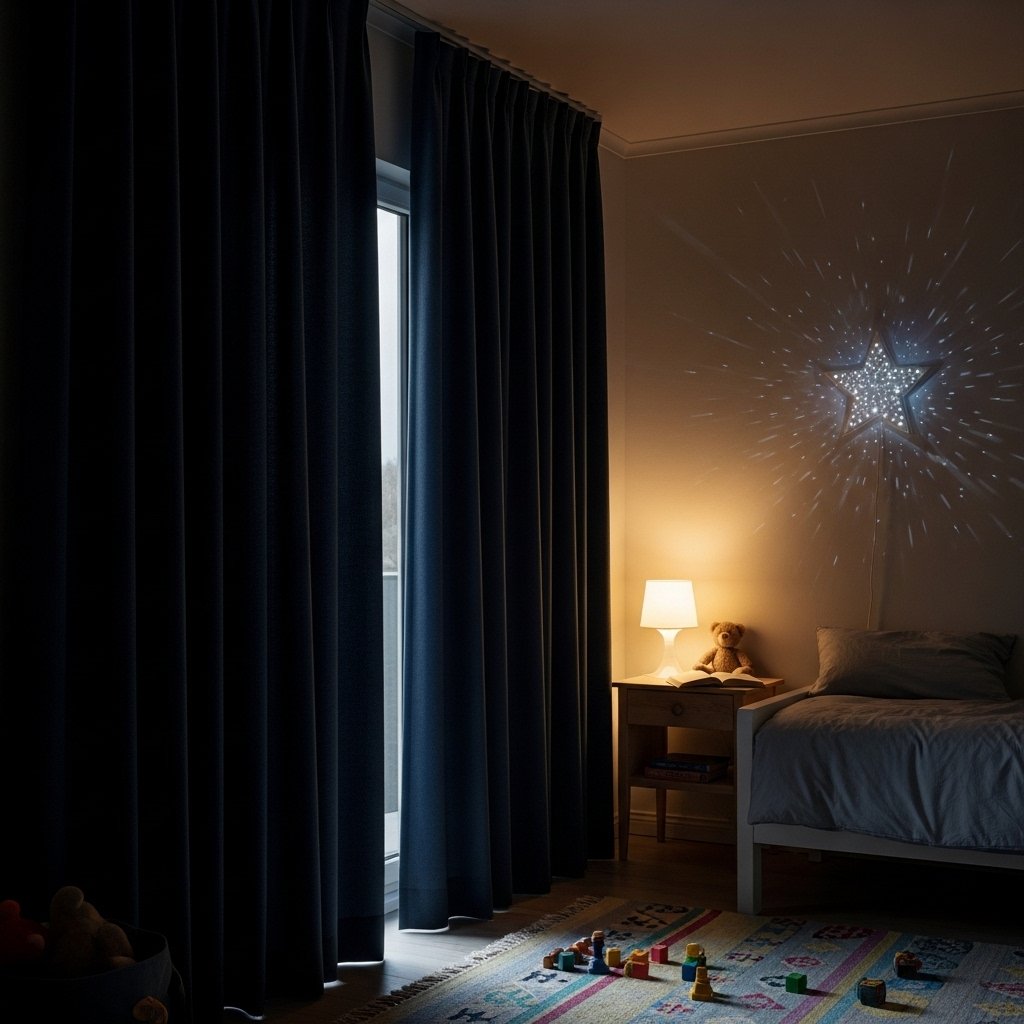
Children sleep better in dark rooms. This is not a preference. It is a well-documented physiological fact.
Floor-to-ceiling blackout curtains in a child’s bedroom protect sleep during summer months when daylight extends well past bedtime and during early mornings when sunrise triggers premature waking.
Choose blackout curtains that also look beautiful in the room. Blackout lining can be added to almost any curtain fabric. The functional requirement and the aesthetic one are not in conflict.
A child who sleeps well is easier to live with than one who doesn’t. Blackout curtains are among the highest-return investments in a child’s bedroom.
8. Design for Independent Dressing
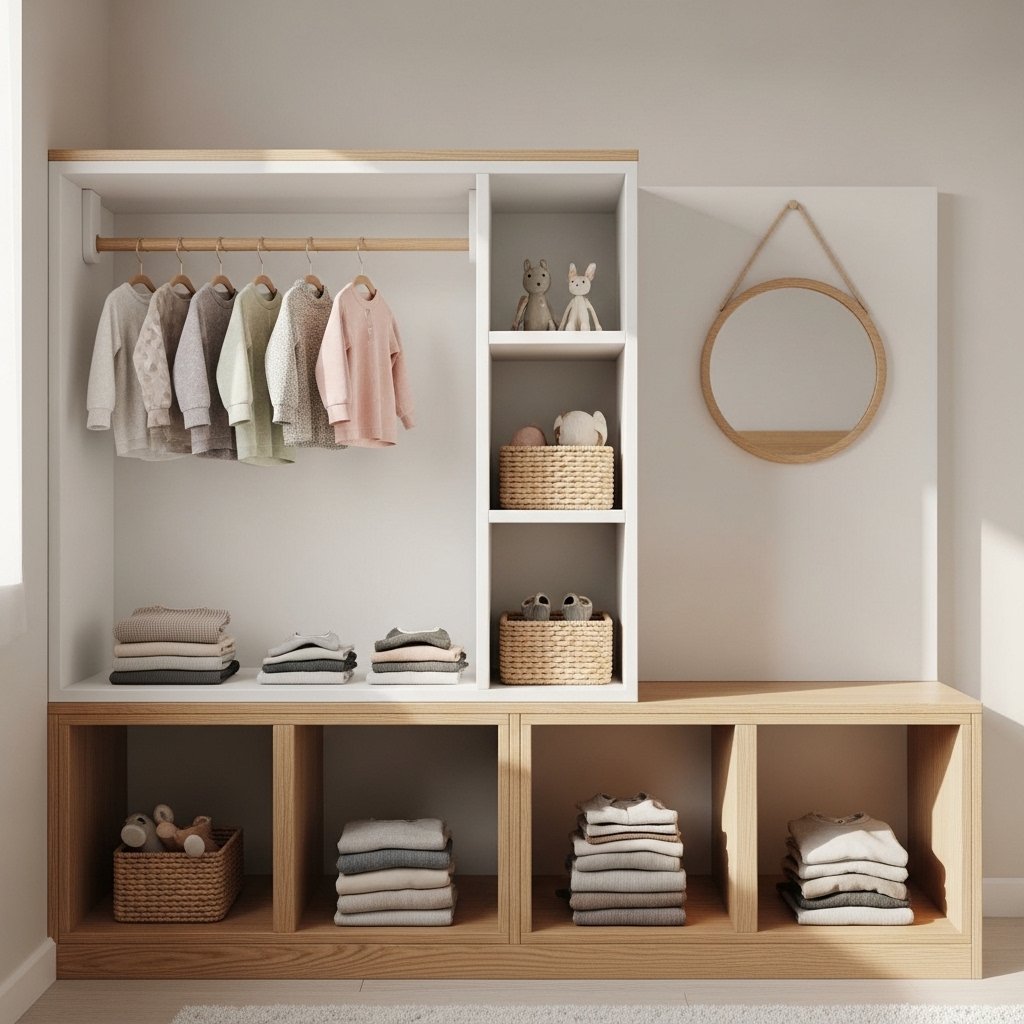
A child who can dress themselves independently every morning saves fifteen minutes of parental effort daily. Good bedroom design makes this possible.
Low hanging rails, open cubby drawers at child height, and a small mirror positioned at a child’s eye level create a dressing system a child can navigate without help from age three onward.
A designated spot for tomorrow’s clothes, a hook or a small valet shelf, reduces morning decision fatigue for both child and parent.
The layout serves the child’s growing autonomy. A bedroom designed to require adult assistance keeps the child dependent longer than necessary.
9. Use Rugs to Define Activity Zones
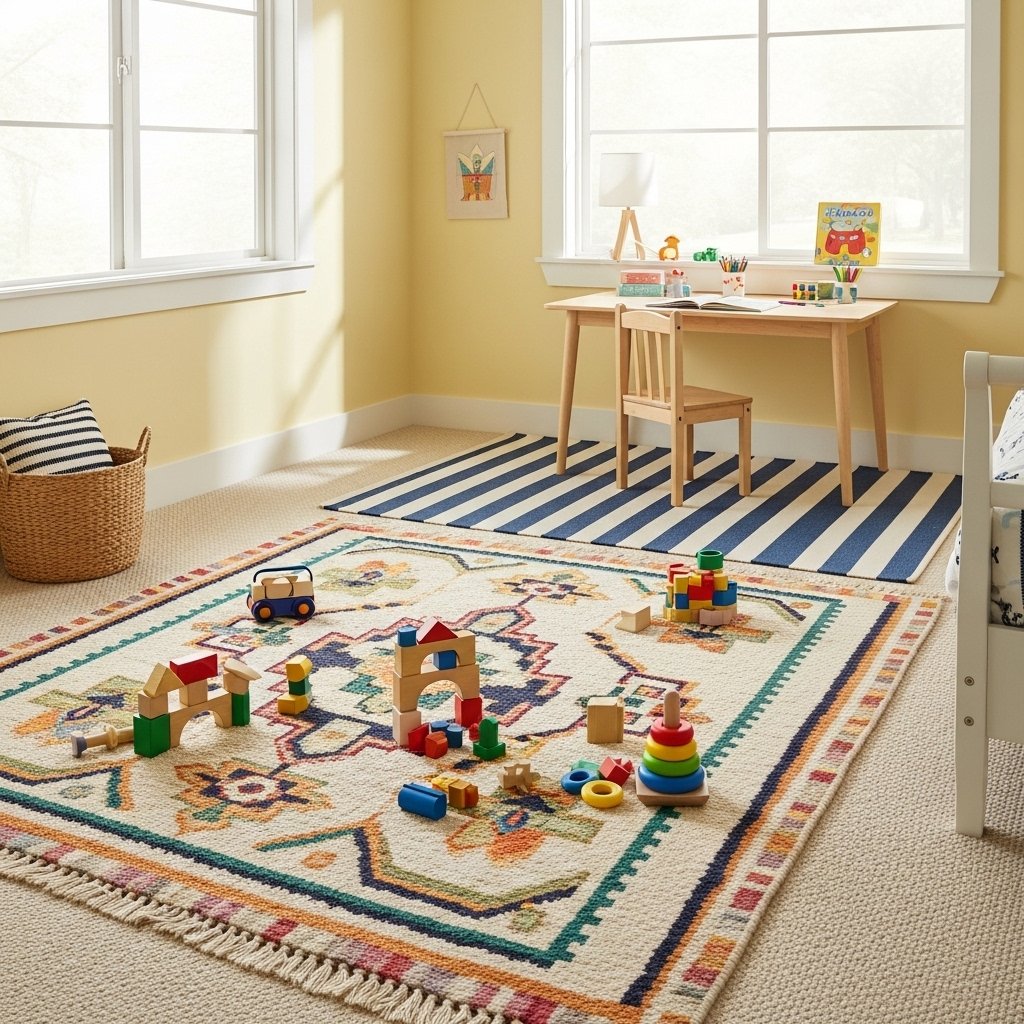
A child’s bedroom contains multiple activities: sleeping, playing, reading, studying. Rugs define where each activity happens without walls or furniture dividers.
A large soft rug in the center of the room defines the play zone. A smaller rug under the desk defines the study zone. A bedside rug defines the sleep transition area.
Choose rugs with patterns that are interesting without being chaotic. A geometric wool rug or a simple striped cotton rug adds visual warmth and acoustic softness without competing with other design elements.
Flat-weave rugs clean easily. In a child’s bedroom, this matters more than pile depth.
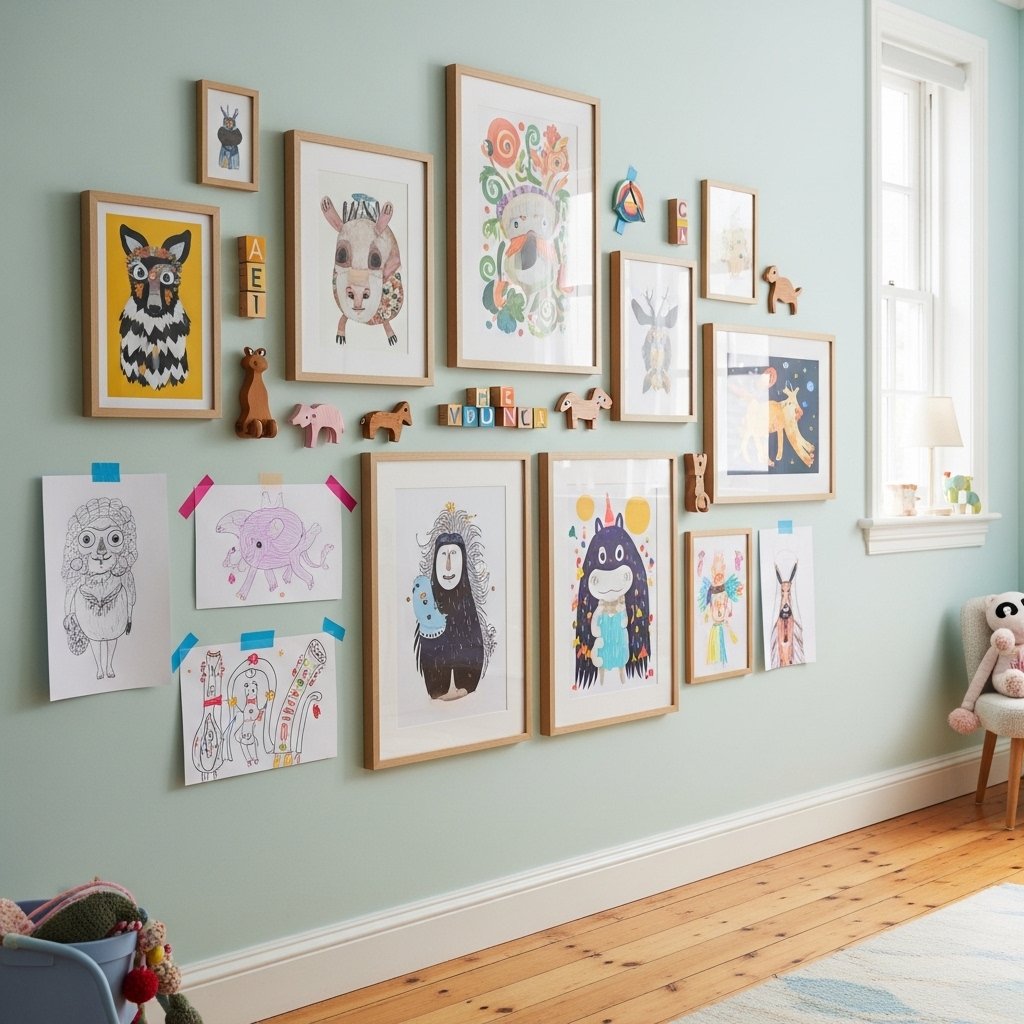
10. Mount Art at the Child’s Eye Level
Art hung at adult eye level in a child’s bedroom is art the child never looks at. Mount art where the child actually sees it.
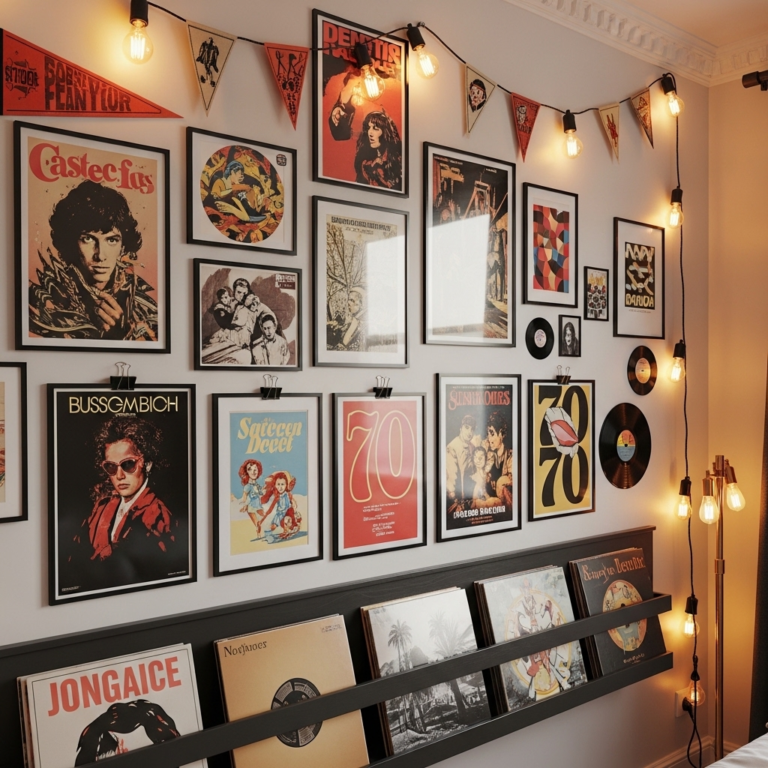
A gallery wall starting at 60–70cm from the floor and rising to about 140cm sits in the visual range a child actually occupies throughout the day. This height range serves children from toddler age through middle childhood.
Include the child’s own artwork in the gallery. A framed drawing by the child, displayed with the same seriousness as a purchased print, communicates that their creative output has value.
Change the gallery seasonally. Rotate the child’s artwork. Keep the wall fresh and alive rather than static and eventually invisible.
11. Choose Furniture With Rounded Edges
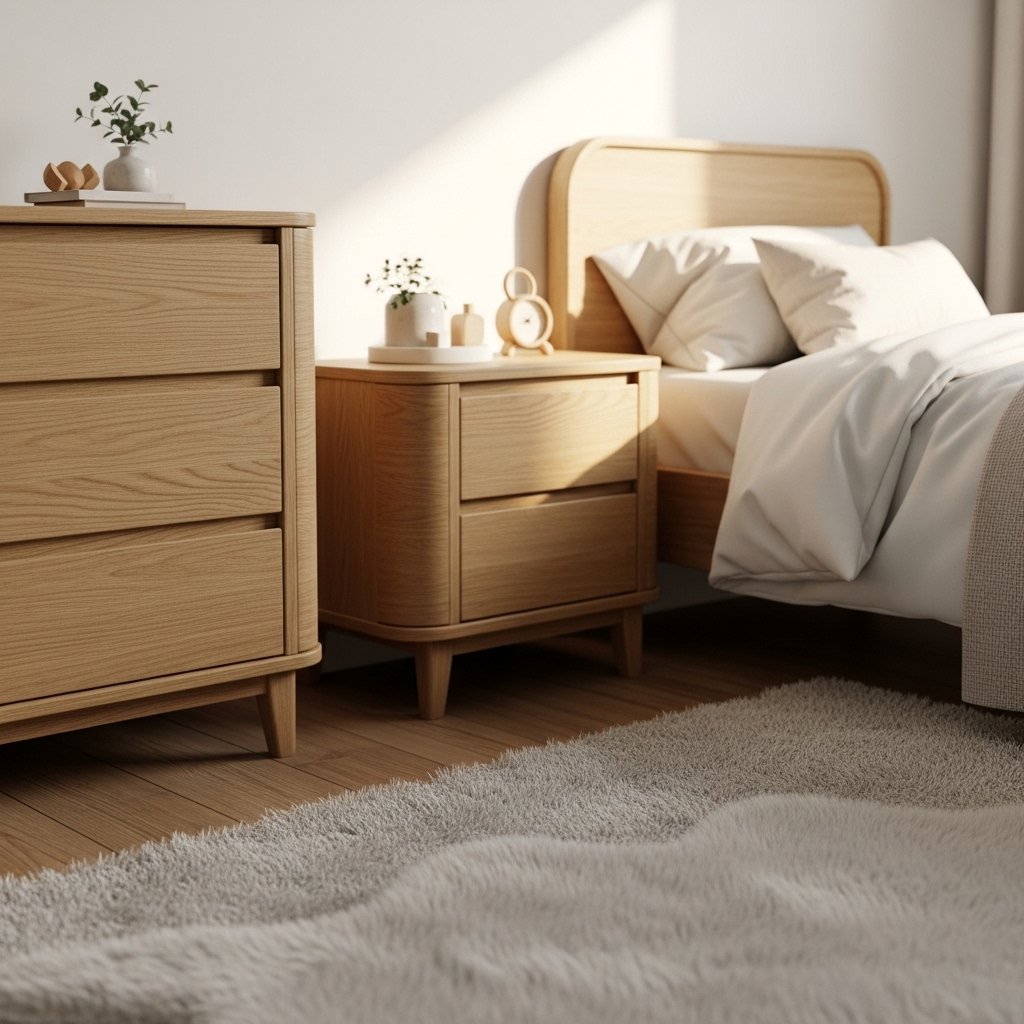
Sharp furniture corners are a genuine hazard in a child’s bedroom, particularly for toddlers and young children at the height where corners meet heads.
Quality children’s furniture designed with rounded profiles eliminates this concern without requiring corner guards stuck onto furniture that wasn’t designed for children.
Rounded edges on furniture also read as softer and more playful in a room designed for a child. The gentle curves complement a child’s aesthetic world in a way that hard-cornered adult furniture doesn’t.
This is a design choice and a safety choice that require no compromise between them.
12. Add a Reading Nook With Genuine Enclosure
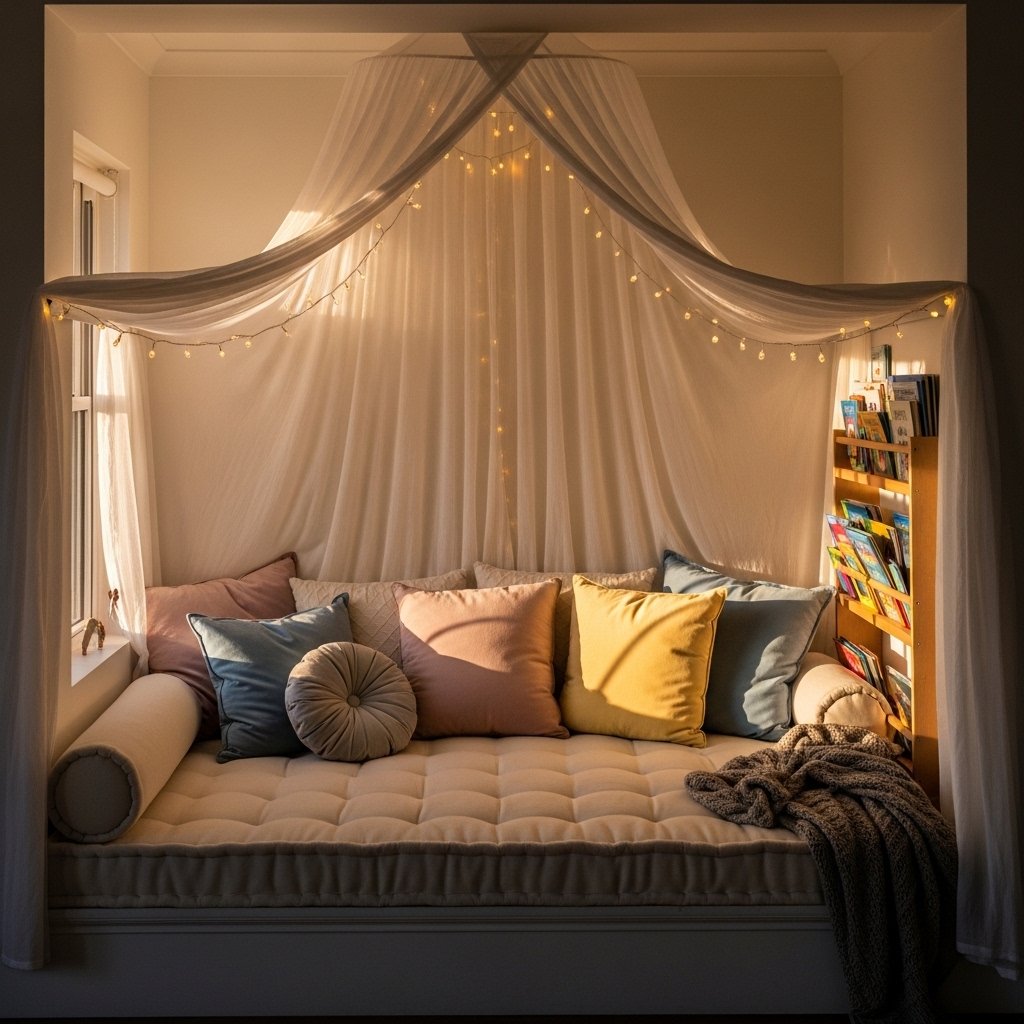
A reading nook in a child’s bedroom is not just a cute feature. It is a space that supports literacy, independent play, and psychological comfort in ways a standard chair in a corner never does.
A built-in window seat with a cushion and storage below, a tent-like canopy suspended from the ceiling, or a low bookshelf arrangement creating a partial enclosure creates a space the child feels is genuinely theirs.
Stock it with a rotation of books at the child’s current reading level. A child who has immediate access to books they can actually read reads more than a child who has to hunt for them.
The enclosure is important. Partial privacy activates a child’s sense of ownership and retreat. It doesn’t need walls. It needs the suggestion of separation.
13. Keep the Color Palette to Three Colors Maximum
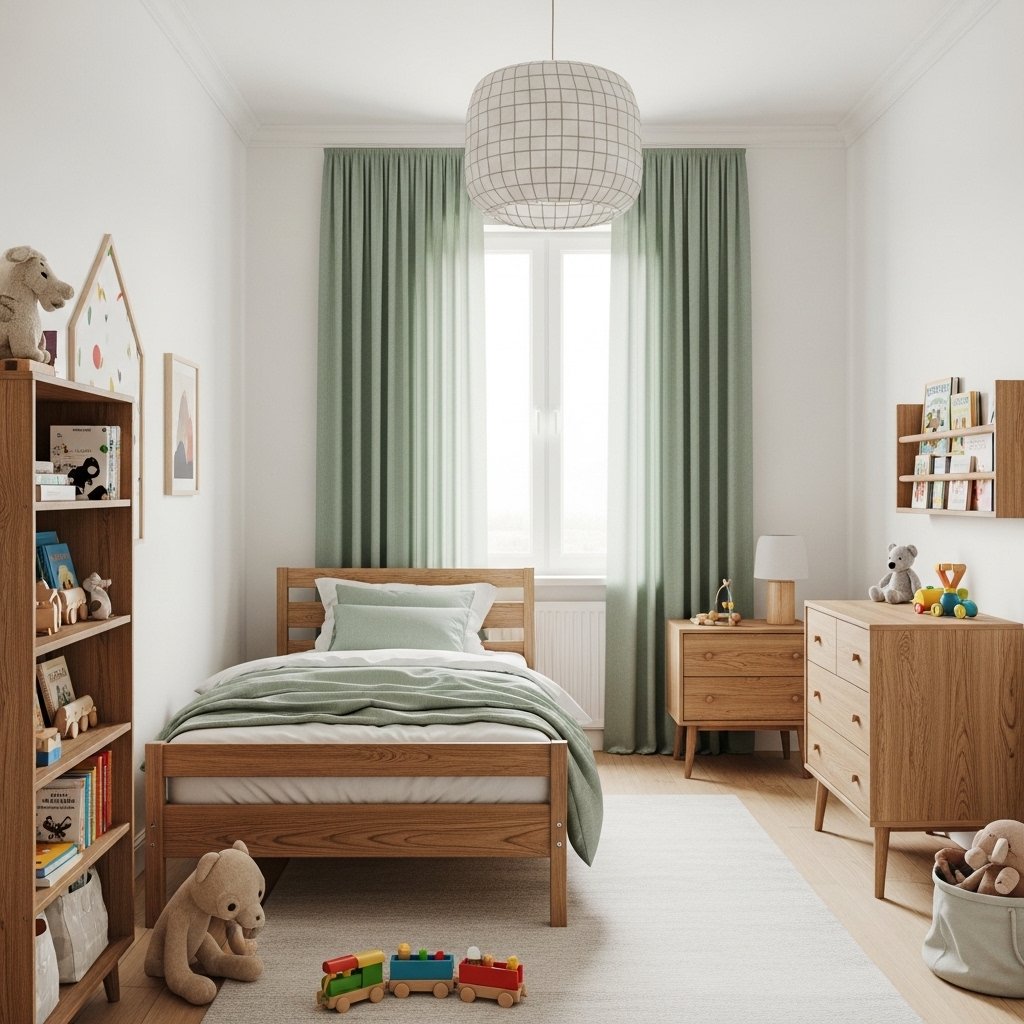
Children’s bedrooms attract chaos. The design should not add to it.
A three-color palette, one neutral base, one primary accent, and one supporting tone, creates visual order in a room that is otherwise full of toys, books, and clutter.
The neutral base handles walls and large furniture. The primary accent appears in bedding, the rug, and curtains. The supporting tone appears in accessories and smaller objects.
Everything else in the room, the toys, the books, the drawings, provides color on its own. The designed elements of the room should provide the framework, not compete with the content.
14. Design the Ceiling as an Experience
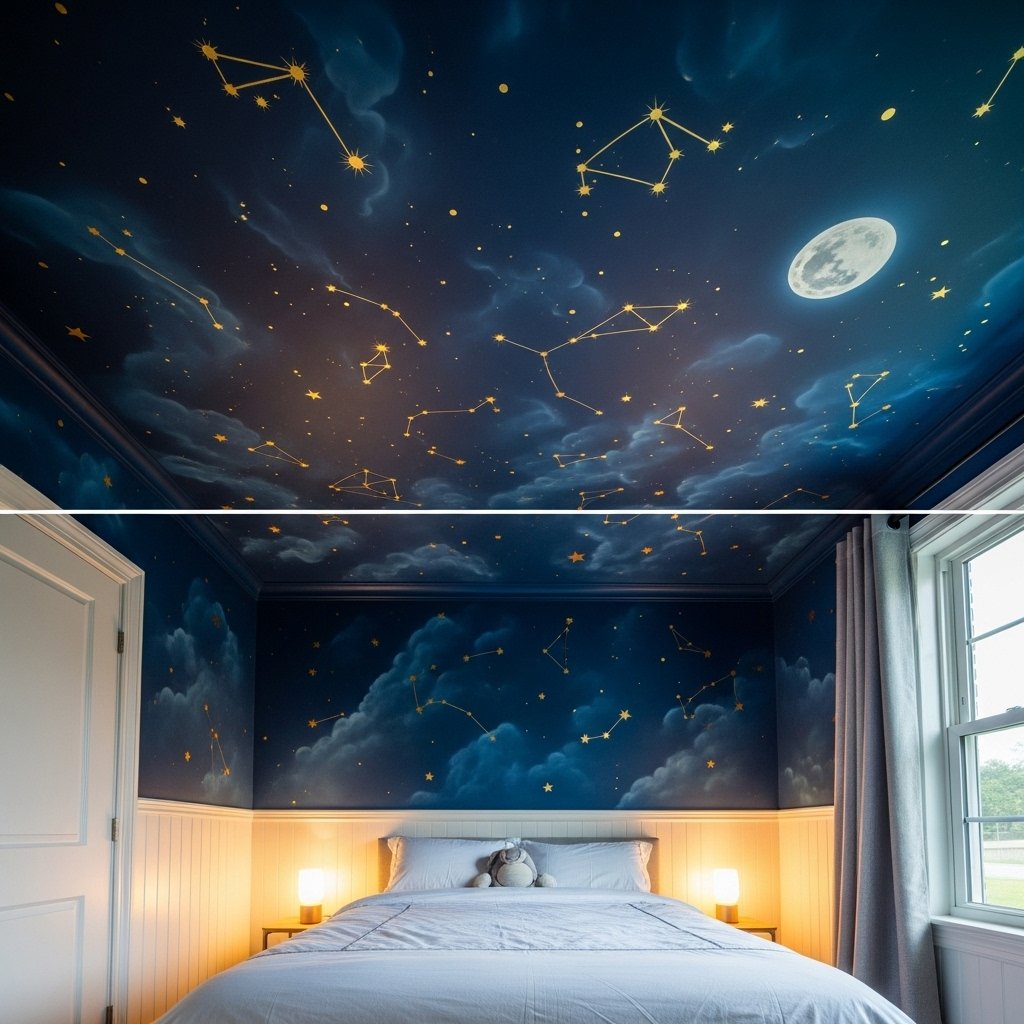
Children spend more time looking at the ceiling than adults do. They look at it going to sleep, waking up, and lying on the floor playing. The ceiling in a child’s bedroom is premium real estate.
A painted sky with soft clouds, a ceiling covered in glow-in-the-dark star stickers arranged in actual constellations, a canopy of fabric draped from a central ceiling point, or a statement ceiling mural transforms the overhead plane into the most memorable surface in the room.
A ceiling treatment also requires no floor space, no furniture rearrangement, and no loss of storage. It delivers maximum impact for minimum sacrifice.
Ask the child what they want above them when they sleep. Then give it to them as beautifully as you can execute it.